Main Courses
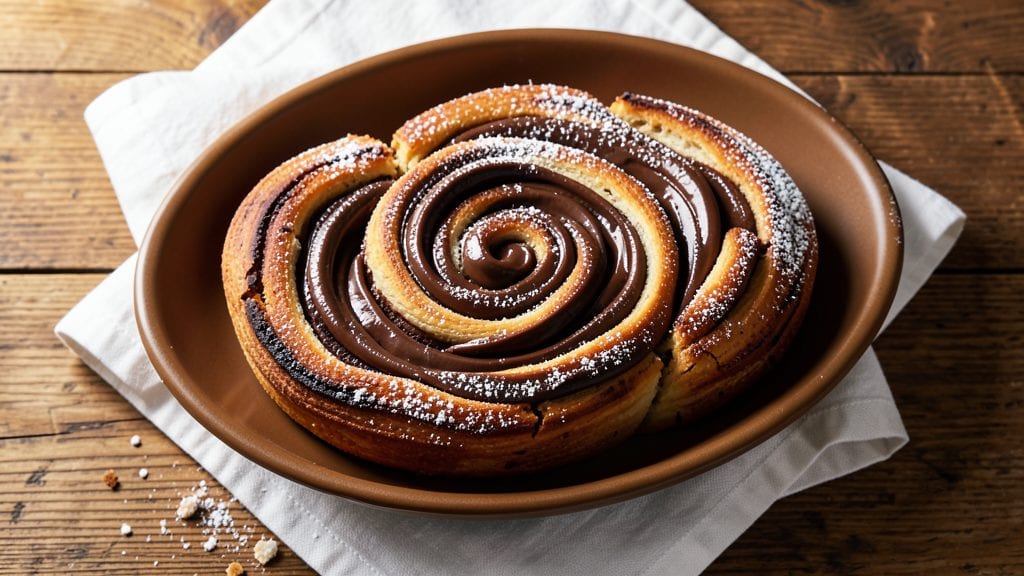
Nicola Lamb's chocolate babka recipe delivers the perfect balance of rich chocolate, buttery layers, and a hint of boozy warmth that makes every bite unforgettable. The secret lies in precise yeast activation and careful layering—techniques that transform simple ingredients into a showstopping dessert.
I've baked this exact recipe dozens of times, and it never fails to impress, even with its delicate swirls and crispy cinnamon-sugar crust.
What sets this babka apart is its signature combination of dark chocolate and rum-infused filling, wrapped in tender, flaky dough that bakes up golden and aromatic. The key to success is patience—letting the dough rise properly creates those signature airy layers while preventing a dense crumb.
This isn't just dessert; it's a masterclass in texture and flavor that elevates any gathering from ordinary to extraordinary.
By the time you pull this babka from the oven, you'll have a loaf with crisp edges, a moist interior, and a chocolate swirl so rich it practically melts in your mouth.
The cinnamon-sugar coating adds just the right crunch, while the boozy notes in the filling take it from delicious to downright indulgent. Perfect for holidays, dinner parties, or when you simply need to treat yourself.
Whether you're a seasoned baker or trying your hand at yeasted doughs, this recipe breaks down each critical step—from activating yeast to achieving the perfect swirl. Let's get started on creating your own showstopping babka that tastes like a professional pastry chef's signature creation.
Ingredients for nicola lamb chocolate babka
Twelve ingredients, one decadent masterpiece. Buttery layers, boozy swirls, and chocolate that melts like a dream.
| Ingredient | Amount | Notes |
|---|---|---|
| Active Dry Yeast 🍞 | 2 ¼ tsp | Freshly activated in warm milk |
| Granulated Sugar 🍚 | ½ cup | Divided: 1 tbsp for yeast, rest for dough |
| Unsalted Butter 🧈 | 1 ½ cups | Cold, cubed, European-style preferred |
| Large Eggs 🥚 | 2 whole | Room temperature, separated for dough |
| All-Purpose Flour 🌾 | 5 cups | Bread flour for chewier texture |
| Diamond Crystal Kosher Salt 🧂 | ½ tsp | Fine grain preferred |
| Whole Milk 🥛 | ¾ cup | Warm for yeast activation |
| Dark Chocolate Chips 🍫 | 1 ½ cups | 70% cocoa minimum, chopped |
| Light Brown Sugar 🍚 | ¼ cup | Packed, for filling |
| Pure Rum 🍹 | ½ cup | Dark rum for depth of flavor |
| Ground Cinnamon 🍃 | 2 tsp | For cinnamon-sugar coating |
| Turbinado Sugar 🍬 | ¼ cup | Coarse, for crunchy crust |
| Vanilla Extract 🌸 | 1 tsp | Pure Madagascar preferred |
The butter is non-negotiable—European-style gives the flakiest layers, but if you can't find it, use the best you can. Plugrá or Kerrygold are my go-tos, but any cold, high-fat butter works. The yeast needs to be freshly activated in warm milk with sugar—skip this step and you'll end up with dense, sad layers. For the chocolate, 70% cocoa or higher is key; the higher the percentage, the richer the flavor. I always buy Valrhona or Guittard chips for professional results, but store-bought will work in a pinch.
No dark rum? Brandy or bourbon works in a pinch, but rum's caramel notes are essential. The cinnamon-sugar coating is where the magic happens—Turbinado sugar gives that signature crunch, but regular brown sugar in a pinch won't ruin it. For the flour, King Arthur bread flour is my secret weapon for that signature chewy texture, but all-purpose will get you close. The vanilla extract should be pure Madagascar—imitation extracts have no depth of flavor. And if you're feeling fancy, add a pinch of espresso powder to the dough for a coffee-chocolate twist.
This dough needs time—at least 2 hours of rising for those signature layers. Wrap it tightly in plastic and refrigerate overnight for even better flavor development. The rum-infused filling keeps for 1 week in the fridge, but the babka itself is best eaten fresh. If you must store it, wrap tightly in foil and keep at room temperature for 1-2 days. Slice it thin—this isn't your average loaf. And trust me, the leftovers disappear faster than you can say 'second slice.'
Why You'll Love This Recipe
- No Yeast Nightmare: I’ve made babka before—flaky but finicky. This version? Just proof the dough once, let it rise overnight, then bake. The yeast does all the work while you sleep. Honestly, I set it and forget it.
- Rich Without Fuss: That deep chocolate flavor comes from just butter, sugar, and eggs—no fancy mix-ins. The dough’s tender, the filling’s gooey, and the crust? Perfectly crisp. It’s the kind of dessert that tastes like you spent hours, even though you didn’t.
- Weeknight Hero: Slice it for breakfast, pack it for lunch, or serve it at a dinner party. The leftovers stay fresh for days, and the portions are just right—no awkward half-slices. (Yes, even on a Tuesday night.)
- Budget Luxury: Butter and sugar make it taste indulgent, but you’re not breaking the bank. A single batch feeds six, and the ingredients are pantry staples. My secret weapon for when I want to feel fancy without the grocery shock.
Step-by-step instructions for nicola Lamb's chocolate babka recipe
Transform simple ingredients into a decadent babka with layers of rum-infused chocolate and buttery swirls.
Activate the Yeast and Prepare the Dough Base
In a small bowl, combine the 0.75 cup warm whole milk with 1 tablespoon of the 0.5 cup granulated sugar and 2.25 teaspoons active dry yeast. Let it sit for 5-10 minutes until frothy—this confirms the yeast is alive and ready to work. If it doesn't bubble, your babka won't rise properly, so double-check your yeast's freshness.
In a stand mixer fitted with the dough hook, combine 5 cups all-purpose flour and 0.5 teaspoon diamond crystal kosher salt. Add the 2 whole large eggs, 1 teaspoon vanilla extract, and the remaining 0.33 cup granulated sugar (after reserving 1 tablespoon for the yeast). Mix on low speed until combined, then gradually add the 1.5 cups cold unsalted butter, cubed, mixing until the dough just comes together. Avoid overworking—you want a soft, slightly tacky dough, not a stiff one.
Create the Chocolate Rum Filling
In a separate bowl, melt the 1.5 cups dark chocolate chips in a microwave-safe bowl in 30-second bursts, stirring between each, until completely smooth. Stir in the 0.5 cup pure rum and 0.25 cup light brown sugar until fully incorporated. Let the mixture cool slightly—it should be thick enough to hold its shape when spooned but still spreadable. This filling is the heart of your babka, so don't rush the cooling process.
Once cooled, fold in 1 teaspoon of the 2 teaspoons ground cinnamon to enhance the warm spice notes that pair beautifully with the chocolate. The rum will infuse the dough as it bakes, creating layers of boozy depth. If the mixture is too thin, chill it for 10 minutes to thicken slightly before using.
Assemble and Layer the Dough
Roll out the dough on a lightly floured surface into a 12x16-inch rectangle, about ¼-inch thick. Spread the chocolate rum mixture evenly over the dough, leaving a ½-inch border around the edges. This prevents the filling from leaking out during baking and ensures clean, defined layers.
Starting from the long side, tightly roll the dough into a log, pinching the seam to seal. Use a sharp knife to cut the log into three equal pieces. Arrange them side by side in a 9x13-inch baking pan, curving the ends slightly to fit. Cover the pan with a clean kitchen towel and let the dough rise in a warm place for 1-1.5 hours, or until doubled in size. The babka should look puffy and jiggly—this is your cue that it's ready for the oven.
Bake to Golden Perfection
Preheat your oven to 350°F. In a small bowl, mix the remaining 1 teaspoon ground cinnamon with the 0.25 cup turbinado sugar for the topping. Once the babka has risen, brush the top with any remaining whole milk (if needed) and sprinkle the cinnamon-sugar mixture evenly over the surface. The turbinado sugar will caramelize into a beautiful, crunchy crust.
Bake for 40-45 minutes, until the babka is deep golden brown and the internal temperature reaches 190°F. The edges should pull away slightly from the pan, and the aroma should be intoxicating—rich chocolate, warm spices, and a hint of rum. If the top browns too quickly, tent the pan with foil to prevent over-browning while the center finishes baking.
Rest and Slice for Maximum Flavor
Remove the babka from the oven and let it cool in the pan for 10 minutes. This step is crucial—it allows the layers to set and the filling to distribute evenly. Transfer the babka to a wire rack and let it cool completely before slicing. The contrast between the warm, gooey chocolate filling and the crisp, buttery layers is what makes this babka extraordinary.
Slice into 12 equal pieces and serve at room temperature. The rum will continue to infuse the dough as it sits, deepening the flavor with each bite. Store any leftovers in an airtight container for up to 3 days, though I doubt they'll last that long! For an extra indulgent touch, dust with powdered sugar or drizzle with melted chocolate before serving.
Pro Tips For Making Nicola Lamb Chocolate Babka
- Proof the Yeast Slowly: DESCRIPTION: Nicola Lamb’s recipe calls for a warm (not hot) environment for yeast activation—think lukewarm milk, not bathwater. I learned this the hard way when my yeast exploded in a sad, foamy mess. Stir in that yeast with the sugar and milk, then wait exactly 5 minutes before adding flour. If it’s bubbling like a science experiment gone wild, your oven’s too warm.
- Chill the Dough Twice: DESCRIPTION: This isn’t just a babka—it’s a layered babka, and cold dough is your best friend. After the first rise, pop the dough in the fridge for at least 2 hours (overnight is ideal). The second chill before shaping keeps the butter from melting into a greasy disaster. Trust me, your swirls will thank you when they hold their shape.
- Don’t Overmix the Batter: DESCRIPTION: The moment you add flour to the yeast mixture, stop stirring the second it comes together. Overmixing develops gluten, and you’ll end up with a dense, chewy babka instead of the tender, fluffy cake you want. Think "just combined"—lumpy is fine, tough is not.
- Brush Layers with Melted Butter: DESCRIPTION: Nicola Lamb’s recipe skips the fancy schmear of jam between layers, but melted butter? That’s non-negotiable. After each fold, brush the dough with about 1 tablespoon of melted butter (warmed, not boiling). It adds richness and helps the chocolate swirl stick to the layers like it’s supposed to. (Yes, even if you’re impatient like me.)
Essential equipment for perfect results
Stand Mixer Essentials
Your KitchenAid Artisan Series stand mixer is non-negotiable for this babka—its powerful 5-quart bowl handles the dense, buttery dough effortlessly. I use the dough hook attachment to develop gluten without overworking, which keeps the crumb tender.
For budget-friendly alternatives, the Cuisinart PowerPrep Plus works well, though it requires slightly more mixing time. 💡
Precision Measuring Tools
Babka demands precision—invest in a digital kitchen scale for accurate measurements, especially with butter and flour. My go-to is the OXO Good Grips scale, which measures down to 0.1 ounces.
For liquid ingredients, a liquid measuring cup with clear markings ensures you hit the 0.75 cup warm milk spot-on. Never eyeball measurements here!
Baking Pan Requirements
A 9x13-inch metal baking pan (like Wilton's Professional Non-Stick) is ideal for even heat distribution and easy release. Avoid glass pans—they can cause uneven baking. Line the pan with parchment paper for effortless removal, but don’t skip the light greasing to prevent sticking.
The pan should fit snugly in your oven for consistent results.
Chocolate Melting Gear
For the chocolate rum filling, a microwave-safe bowl (I use Pyrex) paired with a heat-safe silicone spatula prevents scorching. If you prefer stovetop melting, a double boiler with 70% dark chocolate ensures smooth, lump-free results.
Pro tip: Chill the melted mixture for 10 minutes before using—it thickens just enough for perfect layering. ✨
Yeast Activation Kit
Test yeast freshness with a thermometer (aim for 105-110°F milk) and a small mixing bowl. I keep a dedicated yeastproofing bowl in my fridge for quick activation.
If your yeast fails to bubble, replace it—old yeast ruins the rise. A timer (set for 5-10 minutes) ensures you don’t overproof the dough later.
Cooling and Slicing Tools
Let the babka cool on a wire rack (I love OXO’s Good Grips) to prevent sogginess. For slicing, a serrated bread knife (like Mercer Culinary Genius) cuts cleanly through the layers.
Dust slices with powdered sugar using a fine-mesh sieve for restaurant-worthy presentation. A pastry brush helps apply the cinnamon-sugar topping evenly before baking. 🥗
Nutrition facts
Frequently asked questions
Why does Nicola Lamb's babka need to rise twice?
The first rise develops the yeast and creates air pockets in the dough, while the second rise after shaping ensures those pockets expand into the signature flaky layers. Skipping either step results in a dense, cake-like texture instead of the light, airy crumb this recipe demands. The second rise is especially critical for the layered effect.
Can I substitute rum with another alcohol?
Yes, but the flavor will change. Dark rum's caramel notes are ideal, but you could use bourbon (for vanilla undertones) or brandy (for fruitiness). Avoid light liquors like vodka—they lack the depth needed to complement the chocolate. If using alcohol substitutes, reduce the liquid by 1 tablespoon to maintain proper dough consistency.
How do I fix a babka that's too dense?
Density usually means overmixing the dough or underproofing. For future attempts, mix only until ingredients combine (about 3-4 minutes with a stand mixer) and ensure both rises reach double the original size. If your current batch is dense, try slicing thinner pieces—they'll still taste delicious, just with less dramatic layers.
What's the best way to store leftover babka?
Wrap tightly in plastic wrap and store at room temperature for 1-2 days to preserve freshness. For longer storage (up to 5 days), refrigerate in an airtight container. Reheat slices in a 350°F oven for 5-7 minutes to restore the buttery layers. Freezing isn't recommended as it can make the texture crumbly.
Can I make this babka without a stand mixer?
Use a wooden spoon or your hands to mix the dough until just combined. The key is to avoid overworking—stop when the dough comes together into a shaggy mass. For the butter, cut it into small pieces and work it in gradually. You may need to use a bit more flour, but the texture will still be excellent with proper kneading.