Desserts
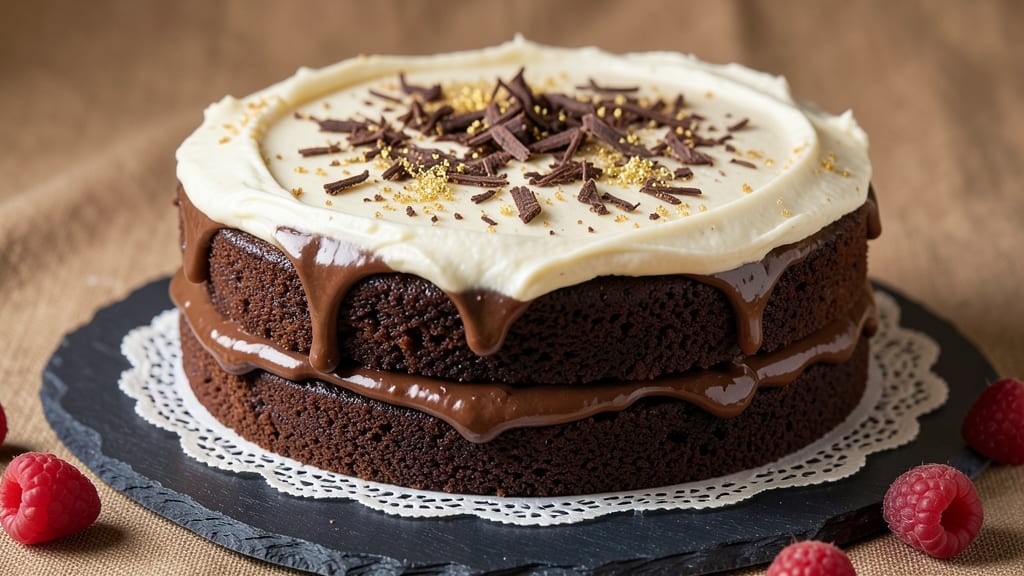
This King Arthur Flour chocolate cake recipe delivers the perfect balance of rich cocoa flavor and a moist crumb that disappears on first bite—no dry, crumbly texture here. The secret lies in buttermilk, which tenderizes the crumb while adding subtle tang that cuts through the sweetness.
I've baked this cake dozens of times, and it never fails to impress, whether you're serving it at a dinner party or enjoying a slice with afternoon coffee.
The recipe uses King Arthur Flour for its superior protein structure, which creates a tender yet sturdy crumb that holds up to frosting without becoming dense. You'll need basic pantry staples—cocoa powder, eggs, butter, and sugar—but the technique is what transforms ordinary ingredients into something extraordinary.
The cake bakes in a single layer, making it ideal for special occasions when you want a showstopping dessert without the fuss of layering.
What makes this recipe truly special is the buttermilk magic—it's the difference between a good chocolate cake and a great one. The buttermilk reacts with baking soda to create tiny air pockets that keep the cake light and airy, while the cocoa powder delivers deep, chocolatey flavor without bitterness.
The result is a cake that's rich, moist, and so tender it practically melts in your mouth.
Once baked, this cake pairs beautifully with a classic chocolate ganache or whipped cream, though it's delicious on its own too. It's the kind of dessert that feels like a hug—comforting, indulgent, and perfectly satisfying. Let's get started on creating your perfect slice of chocolate heaven.
Ingredients for king arthur flour chocolate cake
Buttermilk magic meets King Arthur Flour for a cake that melts in your mouth.
| Ingredient | Amount | Notes |
|---|---|---|
| King Arthur Flour 🌾 | 2 ¼ cups | Sifted for lightness |
| Unsalted Butter 🧈 | 1 ½ cups | Room temperature, full-fat |
| Granulated White Sugar 🍚 | 2 cups | Superfine preferred for smoothness |
| Natural Cocoa Powder 🍫 | ¾ cup | Dutch-processed for rich flavor |
| Large Eggs 🥚 | 2 whole | Room temperature, separated |
| Buttermilk 🥛 | 1 ¼ cups | Homemade or store-bought |
| Distilled White Vinegar 🍶 | 1 tbsp | For homemade buttermilk |
| Milk 🥛 | 1 cup | Whole milk preferred |
| Baking Soda 🧂 | 1 ½ tsp | Pure, no aluminum |
| Diamond Crystal Kosher Salt 🧂 | ½ tsp | Fine grain preferred |
| Pure Vanilla Extract 🌿 | 2 tsp | Bourbon-infused preferred |
| Vegetable Oil 🫒 | ½ cup | Light, neutral flavor |
King Arthur Flour is non-negotiable here—its high protein content creates that signature tender yet sturdy crumb. Grab a 5-pound bag from their website or your local baking supply store; it's worth the investment for this recipe. The cocoa powder should be natural (not Dutch-processed) for that classic chocolatey depth, and I always reach for Valrhona or Guittard if I'm splurging. For the buttermilk, if you don't have any, just mix 1 tbsp vinegar with 1 cup milk and let it sit for 5 minutes—it's a game-changer for moisture. The butter needs to be room temperature but not greasy; if it's too cold, microwave it for 20 seconds to soften.
No buttermilk? Yogurt thinned with milk works in a pinch, though it adds a slight tang. Running short on cocoa? Substitute 0.5 cup melted dark chocolate, but reduce the sugar by 0.25 cup to balance sweetness. The vanilla extract can be imitation, but bottled bourbon vanilla elevates the flavor dramatically. For the eggs, room temperature is key—they incorporate better and create a lighter texture. If you're prepping ahead, whisk the egg whites separately and fold them in last for maximum volume. The vegetable oil adds richness without overpowering the chocolate flavor, so don't skip it.
This batter is thick but not gloopy—it should hold its shape when dropped from a spoon. Let it rest for 30 minutes before baking to allow the flour to hydrate fully. The cake keeps beautifully in an airtight container at room temperature for 3 days, or you can freeze it for 3 months. To reheat, wrap a slice in foil and warm in the oven at 300°F for 5 minutes. The buttermilk magic ensures it stays moist even after baking, so you won't need to worry about dryness. Store any extra frosting in the fridge for up to 1 week—it's worth making extra.
Why You'll Love This Recipe
- No Mixer Needed: I swear by this recipe when I’m in a rush—just cream the butter and sugar by hand (or with a fork, if you’re feeling rebellious), then fold in the King Arthur Flour and cocoa. The eggs blend right in without a trace of lumps, and honestly? The texture’s so tender it’ll fool anyone who thinks you slaved over it.
- Rich Without Bitterness: That natural cocoa powder—not Dutch-processed—gives it a deep, velvety chocolate flavor that’s smooth but still bold. The butter’s rich enough to carry it, but the sugar keeps it from being heavy, like a perfect balance of indulgence and everyday comfort.
- Birthday or Boredom: Between us, this cake is my go-to for any reason—birthdays, book club desserts, or just because I crave chocolate at 3 PM. It’s sturdy enough to slice neatly for a crowd but still feels special enough to serve whole for two. (Yes, even on a Tuesday night.)
- Leftovers That Last: A full cake? Gone in a day. But the next day? The slices stay moist, almost like they’re fresh-baked, thanks to that King Arthur Flour’s magic. I’ll often bake two pans—one for now, one for “emergency” cravings—because reheating a slice in the microwave for 10 seconds brings it right back to life.
Step-by-step instructions for King Arthur Flour chocolate cake
Here's how to achieve that signature moist crumb and rich chocolate flavor using only these 12 ingredients.
Cream Butter, Sugar, and Oil for Maximum Moisture
In a stand mixer fitted with the paddle attachment, combine the 1.5 cups unsalted butter, 2 cups granulated white sugar, and 0.5 cup vegetable oil. Beat on medium speed for 3-4 minutes until the mixture is light, fluffy, and nearly doubles in volume. You're looking for a pale, ribbon-like consistency that leaves clean streaks when the paddle lifts.
The oil here replaces some butter while keeping the cake tender—this is the secret to that signature moist crumb. If your butter isn't quite room temperature (it should be soft but not melted), let it sit at room temperature for 10-15 minutes before starting. Cold butter creates dense cake while properly softened butter creates that perfect airy texture.
Incorporate Eggs and Buttermilk Mixture
Add the 2 whole large eggs, one at a time, mixing on low speed after each addition until fully incorporated. Then add the 1.25 cups buttermilk (if using homemade, mix 1 cup milk with 1 tablespoon distilled white vinegar and let sit for 5 minutes to curdle). Mix on low speed for 1 minute until just combined—overmixing develops gluten and makes the cake tough.
The buttermilk's acidity reacts with the baking soda to create lift, while its fat content keeps the crumb tender. Here's where the magic happens: the buttermilk's tang balances the sweetness and prevents the cake from becoming dry. If your buttermilk separates, simply whisk it back together before adding.
Combine Dry Ingredients and Fold Gently
In a separate bowl, whisk together the 2.25 cups King Arthur Flour, 0.75 cup natural cocoa powder, 1.5 teaspoons baking soda, and 0.5 teaspoon Diamond Crystal kosher salt. Sift the dry ingredients together once to ensure even distribution—this prevents dense pockets in your cake. Add the 2 teaspoons pure vanilla extract to the wet mixture and stir gently to combine.
With the mixer on low speed, gradually add the dry ingredients to the wet mixture, mixing just until the flour is incorporated. Stop mixing as soon as you see no more flour streaks—this prevents developing gluten which would make your cake tough. The batter should be thick but pourable, with a rich chocolate color that indicates proper cocoa integration.
Bake in Two Layers for Even Cooking
Divide the batter evenly between two 8-inch round cake pans lined with parchment paper and greased with butter. Tap the pans gently on the counter to remove any air bubbles. Bake in a preheated 350°F oven for 25-30 minutes, or until a toothpick inserted in the center comes out with moist crumbs but no wet batter. Rotate the pans halfway through baking for even browning.
The key to this moist crumb is not overbaking—once the toothpick test passes, remove the cakes immediately. The residual heat will continue cooking them slightly as they cool. If the tops brown too quickly, tent loosely with aluminum foil after 15 minutes to prevent overbrowning while allowing steam to escape for proper rise.
Cool and Assemble for Maximum Moisture Retention
Let the cakes cool in their pans for 10 minutes, then transfer to a wire rack to cool completely. For the ultimate moist texture, brush the warm layers with simple syrup (equal parts granulated white sugar and water, heated until dissolved) before assembling. Place one layer on a serving plate and spread with your favorite chocolate frosting.
Top with the second layer and dust the top with a light coating of cocoa powder for presentation. The syrup keeps the layers moist for days, while the buttermilk base ensures that first bite remains tender. Serve at room temperature for the best texture—this cake actually improves as it sits for a few hours, allowing flavors to meld perfectly.
Pro Tips For Making King Arthur Flour Chocolate Cake
- Sift the Cocoa: King Arthur’s recipe calls for natural cocoa powder, but don’t just dump it in—sift it first. That extra step breaks up clumps and guarantees even distribution, so every bite has the same rich depth. (Yes, even if you’re tempted to skip it.)
- Cream Butter Slowly: Beat the butter and sugar together until it’s light and fluffy, but don’t rush it. If the mixture feels gritty or grainy after 3-4 minutes, you’re not there yet. Patience here makes the cake tender, not dense.
- Don’t Overmix Dry Ingredients: Once you fold in the King Arthur flour, stop mixing as soon as it’s just combined. Overworking it develops gluten, and that’s how you end up with a cake that’s more like a chewy bread. A spatula scrape is all you need.
- Test Doneness with a Toothpick: The recipe might say “until a toothpick comes out clean,” but here’s the real test: pull it out and press your finger to the center. If it springs back slightly but leaves a faint moist imprint, it’s done. Overbaking dries out the cake—trust the finger test.
Dietary considerations for this king arthur flour chocolate cake
Gluten-Free Adaptation
For a gluten-free version, replace the 2.25 cups King Arthur Flour with a high-quality 1:1 gluten-free baking flour blend like Bob's Red Mill 1-to-1 or King Arthur Measure for Measure. These blends contain xanthan gum, which mimics gluten's structure.
Add an extra ½ teaspoon xanthan gum if your blend doesn't include it, as this helps with texture. You may also need to increase the buttermilk by 1-2 tablespoons since gluten-free flours absorb moisture differently. 🌾
Dairy-Free Options
Swap the 1.5 cups unsalted butter for 1.5 cups dairy-free butter like Miyoko's Creamery or Earth Balance, which work beautifully in baking. For the buttermilk, use 1.25 cups unsweetened almond milk mixed with 1 tablespoon lemon juice or apple cider vinegar.
The 2 whole eggs can be replaced with 2 flax eggs (2 tablespoons ground flaxseed + 6 tablespoons water) for binding. The cake will retain its moist texture while being completely dairy-free.
Vegan Chocolate Twist
To make this cake vegan, replace the eggs with 2 flax eggs (2 tablespoons ground flaxseed + 6 tablespoons water) and use 1.25 cups unsweetened coconut milk mixed with 1 tablespoon vinegar for the buttermilk.
For the butter, use 1.5 cups vegan butter like Earth Balance or Country Crock Plant Butter. The natural cocoa powder remains the same, but ensure your frosting is also vegan—try a cashew chocolate ganache for a rich finish.
The result is a decadent, plant-based cake with all the moisture and richness.
Lower-Sugar Version
Reduce the 2 cups granulated sugar to 1.5 cups and replace the remaining 0.5 cup with 0.5 cup monk fruit sweetener or 0.5 cup coconut sugar for a lower-glycemic option. The buttermilk and cocoa powder remain unchanged, but the cake will still be moist and flavorful.
For added sweetness without sugar, increase the vanilla extract to 3 teaspoons and add 1 teaspoon instant coffee granules to deepen the chocolate flavor. This version satisfies cravings while being more mindful of sugar intake.
Nut-Free Considerations
If you're avoiding nuts, ensure all ingredients—especially the vanilla extract and cocoa powder—are nut-free. Some brands process their products in facilities with nuts, so check labels carefully.
For the frosting, opt for a simple powdered sugar glaze (powdered sugar + dairy-free milk) or a dark chocolate ganache made with dairy-free chocolate. The cake itself is naturally nut-free, but cross-contamination is always a risk when using store-bought ingredients.
Allergen-Friendly Swaps
For a cake that accommodates multiple allergies, use King Arthur All-Purpose Flour (gluten-free) and ensure all other ingredients are certified allergen-free. Replace the vegetable oil with avocado oil if you prefer a neutral flavor without potential allergens.
For the buttermilk, use oat milk mixed with vinegar, and for the eggs, try aquafaba (chickpea brine) whipped to stiff peaks for a vegan and egg-free option. Always double-check labels to avoid hidden allergens like soy or dairy in processed ingredients.
Nutrition facts
Frequently asked questions
Why does this recipe use King Arthur Flour instead of all-purpose flour?
The higher protein content in King Arthur Flour creates a tender yet sturdy crumb that holds up beautifully to frosting. It also absorbs moisture differently, resulting in that signature moist texture even after baking. For best results, don't substitute with regular all-purpose flour—this recipe was developed specifically for King Arthur's unique properties!
Can I make this cake in a single layer instead of two?
Yes! Use a 9-inch round pan or 9x13-inch pan and reduce the baking time to 20-25 minutes. The cake will still have that same moist crumb, but the shape will be different. For a single layer, you'll want to use about 75% of the batter and adjust the baking time accordingly. The buttermilk magic still works in a single layer!
What's the secret to keeping this cake moist for days?
The buttermilk and vegetable oil combo is key, but the real trick is brushing the warm layers with simple syrup before assembling. This creates a moisture barrier that keeps the cake tender for 3-4 days at room temperature. For longer storage, wrap tightly in plastic wrap and refrigerate—it'll stay moist for up to 1 week. The buttermilk's acidity also helps prevent dryness!
Can I substitute buttermilk if I don't have any?
Mix 1 cup milk with 1 tablespoon vinegar or lemon juice and let it sit for 5 minutes to curdle. For a dairy-free version, use 1 cup unsweetened almond milk with 1 tablespoon vinegar. The acidity is crucial for that tender crumb—don't skip this step! The buttermilk's tang balances the sweetness perfectly.
How do I fix a cake that's cracked on top?
Cracking usually happens from overbaking or opening the oven too soon. If it happens, don't worry—the cake is still delicious! Brush the cracks with simple syrup and cover with chocolate ganache or whipped cream to disguise them. For prevention, tent the cake with foil after 15 minutes of baking to slow the browning while allowing steam to escape. The buttermilk helps prevent this, but oven hot spots can still cause issues.