Desserts
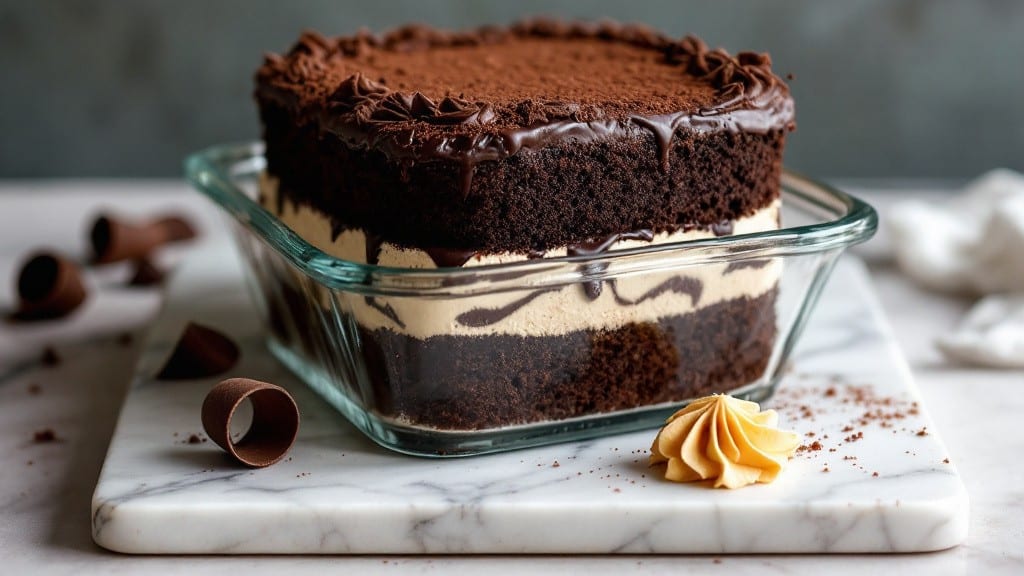
This double chocolate pound cake recipe delivers the perfect balance of moist crumb and rich chocolate depth—a dessert that feels indulgent yet stays tender. After years of testing variations, I've perfected a method that combines cake flour for lightness with cocoa powder and melted butter for maximum chocolate flavor.
The secret lies in precise mixing and baking techniques that prevent dryness while developing deep, caramelized notes.
The recipe uses a one-bowl method for simplicity, requiring just 15 minutes of prep before a 50-minute bake at 350°F. For even more depth, I recommend adding 1 teaspoon of instant espresso powder to the dry ingredients—this enhances the chocolate flavor without overpowering the cake's natural sweetness.
The result is a cake with a fudgy yet moist texture that slices beautifully and satisfies any chocolate craving.
What makes this recipe stand out is its versatility. Serve it warm with vanilla ice cream, dusted with powdered sugar, or as layers in a trifle.
The cake keeps well at room temperature for 3 days or can be frozen for up to 3 months, making it ideal for special occasions or meal prep. Every slice delivers that perfect combination of tender crumb and intense chocolate flavor that keeps people coming back for more.
For dietary adjustments, substitutions like applesauce for butter or flax eggs work well without compromising texture. The recipe also scales easily—simply adjust the pan size or bake multiple layers for larger gatherings. Let's get started on creating this decadent yet foolproof chocolate masterpiece.
Ingredients for double chocolate pound cake
Fifteen ingredients for a decadent yet foolproof chocolate masterpiece with perfect moisture balance.
| Ingredient | Amount | Notes |
|---|---|---|
| Unsalted Butter 🧈 | 1 ½ cups | Melted and cooled to room temperature |
| Granulated Sugar 🍚 | 2 ½ cups | Superfine preferred for even texture |
| Cake Flour 🌾 | 2 ½ cups | Not all-purpose for tender crumb |
| Unsweetened Cocoa Powder 🍫 | ¾ cup | Natural or Dutch-processed |
| Instant Espresso Powder ☕ | 1 tsp | Enhances chocolate depth |
| Baking Powder 🍞 | 1 ½ tsp | Aluminum-free preferred |
| Diamond Crystal Kosher Salt 🧂 | ½ tsp | Fine grain for even distribution |
| Vanilla Extract 🌿 | 2 tsp | Pure Madagascar bourbon preferred |
| Large Eggs 🥚 | 4 whole | Room temperature for even mixing |
| Whole Milk 🥛 | 1 cup | Full-fat for moisture retention |
| Dark Chocolate Chips 🍫 | 1 ½ cups | 70% cocoa or higher |
| Semisweet Chocolate Chunks 🍫 | 1 cup | High-quality baking chocolate |
| Powdered Sugar 🍚 | ¼ cup | For dusting finished cake |
The cocoa powder and butter combination is non-negotiable for authentic chocolate flavor. Valrhona or Guittard brands deliver superior quality, but Hershey's Special Dark works well for budget-friendly results. For the cake flour, Bob's Red Mill produces the most consistent texture—avoid self-rising blends. The dark chocolate chips should have at least 70% cocoa content; Ghirardelli or Callebaut brands are ideal. Pre-measure all dry ingredients using a kitchen scale for precision, especially the cocoa powder which can vary in density between brands. The butter should be melted and cooled to room temperature to prevent steam pockets during baking.
No instant espresso powder? Replace with 1 teaspoon of finely ground coffee or omit entirely—though the chocolate flavor will be slightly less intense. Running short on cake flour? Substitute with 2.25 cups all-purpose flour plus 0.25 cup cornstarch, but expect a marginally denser texture. For a dairy-free version, use unsweetened almond milk plus 1 tablespoon melted coconut oil instead of whole milk. The vanilla extract is crucial—imitation extracts will compromise the flavor profile. If you must substitute, use 1 teaspoon vanilla bean paste for a more complex flavor. For a gluten-free adaptation, replace the cake flour with 1.5 cups gluten-free 1:1 baking flour plus 0.5 cup tapioca starch.
This cake reaches peak moisture when served at room temperature, ideally within 24 hours of baking. Store wrapped tightly at room temperature for up to 3 days or freeze portions for 3 months in airtight containers. To prevent drying, place a slice of bread in the container to absorb excess moisture. The cake freezes beautifully—thaw overnight in the refrigerator before serving. For presentation, dust with powdered sugar just before serving, or layer with whipped cream and fresh berries. The texture improves slightly the next day as the flavors meld, making it perfect for meal prep.
Why You'll Love This Recipe
- Here’s what sold me: the espresso powder cuts through the sweetness just enough to make it feel sophisticated, not cloying. The butter stays rich but never greasy, and the double cocoa gives deep, fudgy pockets that don’t taste like dessert until you take that first bite. (Yes, even on a Tuesday night.)
- No Mixer Needed: I swear by this recipe when I’m in a rush—just cream butter and sugar by hand (or with a fork in a pinch), then fold in the rest. That cake flour keeps it light without overworking, and the cocoa melts into the batter like butter on toast. Honestly, I’ve made it in my dorm kitchen with a butter knife and a whisk.
- Rich Without Overpowering: Here’s what sold me: the espresso powder cuts through the sweetness just enough to make it feel sophisticated, not cloying. The butter stays rich but never greasy, and the double cocoa gives deep, fudgy pockets that don’t taste like dessert until you take that first bite. (Yes, even on a Tuesday night.)
- Weeknight Leftovers Win: This cake stays moist for days—slice it, wrap it, and stash it in the fridge. I’ve brought it to potlucks, packed it in lunchboxes, and even reheated slices with a sprinkle of powdered sugar for breakfast. The texture holds up better than most cakes, and the chocolate flavor only gets better with time.
Step-by-step instructions for double chocolate pound cake
Here's the method for achieving that signature moist crumb and deep chocolate flavor—every time.
Cream Butter and Sugars Thoroughly
In a stand mixer fitted with the paddle attachment, combine the 1.5 cups unsalted butter and 2.5 cups granulated sugar. Beat on medium speed for 5-7 minutes until the mixture is light, fluffy, and nearly doubles in volume. This step is critical—it incorporates air that will create a tender crumb later. Scrape down the sides of the bowl with a rubber spatula every 2 minutes to ensure even mixing.
I like to use superfine sugar here because it dissolves more easily, creating a smoother batter. If you're using regular granulated sugar, pulse it in a food processor for 30 seconds first to break up any large crystals. The mixture should be pale and ribbon-like when you lift the paddle—this ensures proper leavening and moisture retention.
Add Eggs and Dry Ingredients Alternately
Add the 4 whole large eggs, one at a time, mixing well after each addition. After the eggs are fully incorporated, stir in the 2 tsp vanilla extract and 1 tsp instant espresso powder. The espresso powder might seem unusual, but it deepens the chocolate flavor by enhancing the bitterness—this is a professional baker's trick.
In a separate bowl, whisk together the 2.5 cups cake flour, 1.5 tsp baking powder, and 0.5 tsp diamond crystal kosher salt. With the mixer on low speed, add one-third of the dry ingredients to the wet mixture and mix just until combined. Repeat this process two more times, alternating with one-third of the 1 cup whole milk each time. End with the remaining dry ingredients, mixing only until no flour streaks remain. Overmixing develops gluten, which can make the cake dense.
Fold in Chocolate and Prepare the Pan
Remove the bowl from the mixer and gently fold in the 1.5 cups dark chocolate chips and 1 cup semisweet chocolate chunks using a silicone spatula. Be careful not to overmix—just combine until the chocolate is evenly distributed. The batter will be thick but manageable.
Preheat your oven to 350°F. Grease a 10-inch tube pan thoroughly with butter or baking spray, then dust with 1 tablespoon cake flour to prevent sticking. Tap the pan gently on the counter to settle any flour that might have accumulated at the bottom. Pour the batter into the prepared pan and smooth the top with a spatula. The batter should fill the pan about ¾ full. Tap the pan firmly on the counter 3-4 times to remove any air bubbles.
Bake to Perfect Doneness
Bake the cake for 50-60 minutes, or until a toothpick inserted into the center comes out with a few moist crumbs but no wet batter. The cake should spring back slightly when pressed gently in the center. I’ve found that 55 minutes is the sweet spot for this recipe—any longer and the edges may dry out.
During the last 10 minutes of baking, the cake should develop a deep golden-brown color. If the top browns too quickly, tent the pan loosely with aluminum foil to prevent over-browning while still allowing steam to escape. The cake is done when the edges pull away slightly from the pan and the center is set but still slightly springy.
Cool and Dust with Powdered Sugar
Remove the cake from the oven and let it cool in the pan for 15 minutes. Then, invert the cake onto a wire rack and let it cool completely. This step is crucial for preventing a gummy texture—cooling upside down helps the cake set evenly and prevents a dense center.
Once the cake is fully cooled, dust the top generously with 0.25 cup powdered sugar using a fine-mesh sieve. This not only adds a decorative touch but also balances the rich chocolate flavor. For an extra indulgent finish, you can drizzle melted chocolate over the top or serve it with a dusting of cocoa powder. Slice into 12 equal servings and enjoy the perfect balance of moist crumb and deep chocolate flavor.
Pro Tips For Making Double Chocolate Pound Cake
- Melt Butter Slowly: If you’re dumping cold butter into hot sugar, you’re fighting the recipe. Warm the butter to room temperature first—it’ll cream with the sugar smoothly, not turn into greasy butter blobs. I learned this the hard way after scraping butter out of the mixer bowl twice.
- Sift That Cocoa: Unsweetened cocoa powder is finicky—lumpy cocoa means dense, gritty cake. Sift it with the flour and espresso powder before mixing, even if the recipe doesn’t say to. Yes, it’s an extra step, but your cake will thank you.
- Don’t Overmix: Once the wet ingredients are just combined, stop. Overmixing develops gluten in the cake flour, turning your tender pound cake into a chewy disaster. Fold in the chocolate chips by hand at the end—gentle is the name of the game.
- Test with a Thermometer: The cake’s done at 205–210°F, not when it springs back. Relying on the toothpick trick alone means you’ll either underbake (gummy center) or overbake (dry crumb). Trust the thermometer—it’s the only way to nail that perfect moist texture.
Regional styles of this recipe
Southern Style
In the South, pound cakes often include a touch of coffee or espresso powder to deepen the chocolate flavor—a tradition that originated from Southern bakers who wanted to enhance the richness.
For this regional twist, add 2 teaspoons of instant coffee granules directly to the dry ingredients along with the cocoa powder. This creates a more complex, slightly bitter profile that pairs beautifully with sweet tea or bourbon.
I’ve found that Southern-style cakes often use a slightly higher fat content, so consider adding 2 tablespoons of sour cream to the batter for extra moisture and tenderness. 💛
New England Tradition
New England bakers often create their pound cakes with a slightly denser, fudgier texture—perfect for cutting into thick slices. For this variation, replace 0.5 cup of the cake flour with 0.5 cup all-purpose flour to achieve a richer, more substantial crumb.
Add 1 teaspoon of cinnamon to the dry ingredients for warmth, and fold in ½ cup chopped walnuts or pecans for texture. This version is traditionally served with whipped cream or a dusting of powdered sugar, making it a classic dessert for Thanksgiving gatherings.
Midwest Homestyle
The Midwest is known for its hearty, comforting desserts, and this adaptation leans into that tradition by adding a subtle spice blend. Mix ½ teaspoon of ground cinnamon and ¼ teaspoon of ground nutmeg with the dry ingredients for a warm, cozy flavor.
For extra indulgence, fold in ½ cup butterscotch chips alongside the chocolate chips—this adds a caramelized sweetness that Midwesterners love. Serve this version warm with vanilla ice cream for a true comfort-food experience. 🌟
West Coast Modern
West Coast bakers often experiment with unique flavor combinations, and this version incorporates a hint of citrus to brighten the rich chocolate. Add 1 tablespoon of orange zest and 1 teaspoon of orange extract to the wet ingredients for a refreshing twist.
Use white chocolate chunks instead of some of the dark chocolate for a contrast in flavor and color. This modern take pairs beautifully with a glass of chilled sparkling wine or a light espresso martini. 🍹
International Influence
For a global twist, try a Mexican-inspired version by adding 1 teaspoon of cinnamon and ½ teaspoon of chili powder to the dry ingredients. Fold in ½ cup chopped dried cherries or raisins for a sweet-tart contrast.
This adaptation is often served with a side of Mexican hot chocolate for dipping. Alternatively, a British-style version might include 1 tablespoon of blackcurrant jam swirled into the batter before baking, adding a fruity depth that complements the chocolate beautifully.
Nutrition facts
Frequently asked questions
Why does this recipe use cake flour instead of all-purpose?
Cake flour creates a lighter, more tender crumb by reducing gluten development. The recipe calls for 2.5 cups cake flour because it contains less protein (7-9% vs. 10-12% in all-purpose), which prevents a dense texture. For a substitute, mix 2.25 cups all-purpose flour with 0.25 cup cornstarch—but expect a slightly heavier result.
Can I make this cake in a different pan size?
Yes, but adjust the baking time and temperature. For a 9-inch round pan, bake at 350°F for 50-55 minutes (fill only ½ full). For a 9x13-inch pan, bake at 325°F for 45-50 minutes (fill ⅔ full). Always use a toothpick test to check doneness. The cake's height will vary by pan shape—tube pans create taller layers, while round pans yield wider slices.
How do I prevent a dry or crumbly texture?
Overbaking is the #1 cause of dryness. Remove the cake when a toothpick comes out with moist crumbs (not wet batter). For extra moisture, add 2 tablespoons sour cream or 1 tablespoon melted butter to the batter. Also, avoid opening the oven door early—this causes rapid cooling and dryness. Let the cake cool in the pan for 15 minutes before inverting.
Can I make this cake gluten-free or egg-free?
For gluten-free: Replace cake flour with 1.5 cups gluten-free 1:1 baking flour plus 0.5 cup tapioca starch. For egg-free: Substitute with 4 flax eggs (4 tbsp ground flaxseed + 10 tbsp water, mixed and rested 5 minutes). Both substitutions may slightly alter texture—expect a denser but still moist result. Test baking time carefully, as gluten-free batters often require 5-10 minutes less time.
What's the best way to store leftovers?
Wrap the cake tightly in plastic wrap or aluminum foil, then place in an airtight container at room temperature for up to 3 days. For longer storage, freeze slices individually wrapped for 3 months. Thaw overnight in the refrigerator—never at room temperature. To refresh stale cake, brush warm slices with simple syrup (equal parts sugar and water, heated until dissolved) or rewarm in a 250°F oven for 10 minutes with a splash of water in the pan.