Desserts
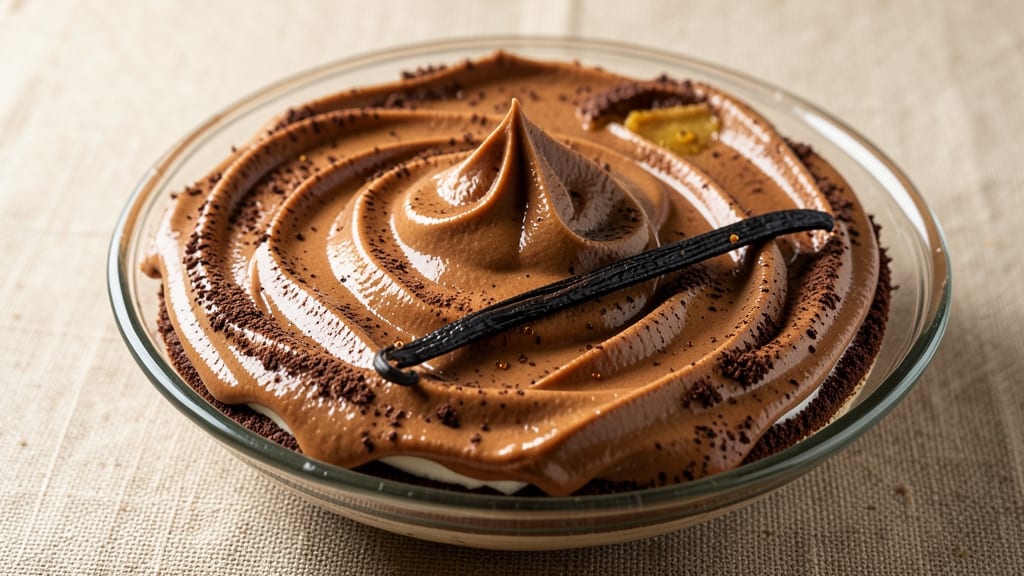
This German chocolate frosting recipe without evaporated milk delivers the same rich, nutty depth you love—just with a coconut cream twist that keeps it smooth and spreadable. The secret lies in balancing sweetened condensed milk with coconut cream, creating a texture that's velvety yet sturdy enough for layering.
I developed this version after realizing how often evaporated milk substitutes fell short, and the results are just as decadent.
The beauty of this frosting is its versatility—it works perfectly for cakes, cupcakes, or even as a filling for German chocolate bars. No special equipment is needed beyond a mixing bowl and whisk, and the process takes less than 15 minutes.
The key is letting the coconut cream and condensed milk sit briefly before combining, which ensures a flawless, lump-free consistency every time.
What you’ll end up with is a frosting that’s rich with cocoa, toasted coconut, and pecan notes, all while maintaining that signature German chocolate creaminess. The texture is smooth enough to pipe but firm enough to hold its shape, making it ideal for decorating or spreading.
This recipe proves you don’t need evaporated milk to achieve professional-level results.
Pair it with your favorite cake or use it to top a batch of homemade German chocolate cupcakes. The flavor develops slightly as it sits, so making it a day ahead enhances its depth even more. Let’s get frosting!
Ingredients for german chocolate frosting recipe without evaporated milk
Ten simple ingredients transform into velvety German chocolate frosting without evaporated milk.
| Ingredient | Amount | Notes |
|---|---|---|
| Sweetened Condensed Milk 🥛 | 1 cup | Canned, unopened for best texture |
| Coconut Cream 🥥 | 13 ½ oz | Chilled overnight for separation |
| Unsalted Butter 🧈 | ½ cup | Cold, cut into small cubes |
| All-Purpose Flour 🌾 | 2 tbsp | Sifted for smooth consistency |
| Unsweetened Cocoa Powder 🍫 | ½ cup | Natural or Dutch-processed |
| Vanilla Extract 🌸 | 1 tbsp | Pure, high-quality vanilla |
| Toasted Pecans 🌰 | 1 cup | Chopped, for texture and flavor |
| Toasted Coconut Flakes 🥥 | ½ cup | Sweetened, lightly toasted |
| Salt 🧂 | ¼ tsp | Fine sea salt for balance |
| Heavy Cream 🥛 | ¼ cup | Cold, for stability |
Coconut cream is the game-changer here—look for full-fat cans at Trader Joe's or Costco for the best texture. Chill it overnight so the thick cream separates from the water. The sweetened condensed milk should be unopened for that perfect balance of sweetness and thickness. Unsweetened cocoa powder matters too—Hershey's Special Dark or Valrhona if you're splurging. Toast your pecans and coconut flakes separately in a dry pan until golden—3-4 minutes each—for maximum flavor. The butter needs to be cold when you add it, or you'll end up with a greasy mess.
No coconut cream? Substitute with chilled heavy cream plus 1 tbsp coconut milk powder, but texture won't be identical. Out of pecans? Walnuts or hazelnuts work, though they change the flavor profile. The heavy cream can be swapped for whipped topping in a pinch, but it won't be as stable. For a deeper cocoa flavor, add 1 tbsp instant espresso powder. The vanilla extract should be pure—imitation will taste artificial. If your frosting seems too thin, whisk in 1 tsp more flour. Too thick? Thin with 1 tsp warm water.
This frosting keeps beautifully—1 week refrigerated in an airtight container with parchment between layers. For longer storage, freeze portions for up to 3 months. Let it sit at room temperature for 10-15 minutes before using to pipe perfectly. I like to portion it into small jars for cupcakes—just pop one in the microwave for 5 seconds to soften before spreading. The flavor actually improves overnight, so make it a day ahead if you can.
Why You'll Love This Recipe
- I’ll be real: this recipe costs me about $3 for enough frosting to cover a 9x13 pan. The condensed milk and coconut cream do all the heavy lifting, so you’re not scrambling for specialty ingredients. And the leftovers? They keep for weeks in the fridge—perfect for when you suddenly remember you forgot to bake something.
- No-Fuss Mixing: I swear by this recipe because it’s literally three bowls and a whisk. The condensed milk and coconut cream blend like magic—no standing over a stove, no tempering butter, just smooth, rich magic in minutes. Even my "I can’t boil water" friend made it without burning anything.
- Rich Without the Guilt: Here’s what sold me—the depth of flavor from the cocoa and coconut cream hits just right: not too sweet, not too bitter, but that perfect German chocolate nostalgia. And honestly? The butter-to-flour ratio makes it creamy without being greasy. It’s the kind of frosting that makes you lick the bowl.
- Crowd-Pleaser Any Day: Between us, this frosting works on cake, cookies, or even straight from a spoon. I’ve used it for birthday layers, school bake sales, and even as a dip for fruit when I’m lazy. The flour keeps it sturdy enough for piping, but the condensed milk adds that melt-in-your-mouth richness. It’s my go-to for any occasion where chocolate is involved.
Step-by-step instructions for German chocolate frosting without evaporated milk
Here's how to create a velvety, nutty frosting that rivals classic versions—just with coconut cream.
Prepare the Coconut Cream Base
First, chill the 13.5 oz coconut cream overnight in the refrigerator. This allows the cream to separate naturally from the watery coconut milk. The next morning, carefully spoon out only the thick, solid cream from the top—discard the liquid below. You'll need about 1 cup of this thick cream for the frosting.
In a medium saucepan, combine the 1 cup sweetened condensed milk, 0.5 cup unsalted butter, and the reserved 1 cup coconut cream. Place over medium-low heat and warm gently, stirring constantly with a silicone spatula. You're looking for a smooth, homogeneous mixture that reaches 160°F—this ensures all the dairy components blend without scorching. The mixture should thicken slightly but remain pourable.
Build the Chocolate Flour Mixture
In a separate bowl, whisk together the 2 tbsp all-purpose flour, 0.5 cup unsweetened cocoa powder, and 0.25 tsp salt until completely smooth. This creates a stable base for thickening the frosting. Gradually pour the warm coconut mixture into the dry ingredients while whisking vigorously to prevent lumps from forming.
Return the combined mixture to the saucepan and cook over low heat for 5-7 minutes, stirring constantly with a wooden spoon. You'll notice the mixture thicken into a glossy, fudgy consistency—this is your chocolate base. Remove from heat once it reaches 170°F and has a smooth, pudding-like texture. If it's too thick, you can thin it later with a splash of 0.25 cup heavy cream (reserved for this purpose).
Incorporate Vanilla and Nuts
Immediately stir in the 1 tbsp vanilla extract and 1 cup toasted pecans, mixing until evenly distributed. The vanilla adds depth, while the pecans provide that signature crunch. Let the mixture cool slightly—about 5 minutes—before adding the 0.5 cup toasted coconut flakes. This prevents them from absorbing too much moisture and becoming soggy.
For extra richness, slowly drizzle in the 0.25 cup heavy cream while whisking continuously. The frosting should achieve a smooth, spreadable consistency—similar to traditional German chocolate frosting but with a tropical coconut undertone. If it's too thick, warm it gently over low heat for 1-2 minutes to loosen it. Taste and adjust sweetness with additional cocoa powder if needed.
Cool and Finish
Transfer the frosting to a clean bowl and press plastic wrap directly onto the surface to prevent a skin from forming. Refrigerate for at least 2 hours—this allows the flavors to meld and the texture to set properly. The chilled frosting should be thick enough to hold its shape when piped but still smooth enough to spread.
Before using, give the frosting a final whisk to ensure even consistency. The finished product should have a deep chocolate flavor with subtle coconut sweetness, balanced by the nutty crunch of pecans. This version skips evaporated milk entirely, yet delivers the same luxurious texture and rich taste.
Pro Tips For Making German Chocolate Frosting Recipe Without Evaporated Milk
- Whisk Butter Slowly: Start with cold butter cubes—yes, even in summer—and let the heat of the condensed milk melt them gradually. I used to dump in soft butter and end up with greasy lumps; now my frosting is silky every time.
- Chill the Coconut Cream: Refrigerate the coconut cream overnight before using, then scoop out just the thick cream from the top. Skipping this step means runny frosting—trust me, your cake will thank you.
- Sift the Cocoa Twice: Unsweetened cocoa powder clumps like nobody’s business. Sift it into the dry ingredients first, then sift again after mixing with flour. This guarantees no gritty surprises in your finished frosting.
- Simmer the Condensed Milk: Warm the sweetened condensed milk over low heat for 2-3 minutes before mixing—just until tiny bubbles form around the edges. Cold milk makes the frosting seize up; this step keeps it smooth.
Make-ahead tips for leftovers
Prep Ahead for Smooth Frosting
Toast your pecans and coconut flakes the night before and store in an airtight container at room temperature. This eliminates last-minute prep and intensifies their flavor. I keep mine in separate containers so they stay crisp. Chill the coconut cream overnight too—this is non-negotiable for proper separation. 🥥
Frosting Storage Secrets
Store finished frosting in a glass jar or airtight container with parchment paper between layers to prevent sticking. It keeps for 1 week refrigerated—the flavor actually deepens overnight.
For longer storage, freeze portions in 1-cup servings for up to 3 months. Thaw in the fridge overnight before using. 🥫
Portioning for Cupcakes
Divide frosting into small jars (like 4-oz mason jars) for easy cupcake topping. Microwave each portion for 5-10 seconds to soften before spreading. I label these with the date to track freshness. For cakes, use a piping bag with a star tip for professional swirls. 🎂
Reheating for Perfect Texture
If your frosting thickens in the fridge, warm it gently in 10-second bursts in the microwave, stirring between each. For stovetop reheating, place in a heatproof bowl over simmering water (bain-marie) for 1-2 minutes. Never overheat—just until it reaches room temperature and regains spreadability. 🔥
Make-Ahead Cake Prep
Bake your cake 1 day ahead and store at room temperature in an airtight container. Frost it just before serving to prevent sogginess. If frosting needs to be applied chilled, let the cake sit at room temperature for 30 minutes first. This ensures clean slices and perfect presentation. ✨
Flavor Development Tip
The longer you let the frosting sit (up to 24 hours), the more complex the flavors become. The coconut and chocolate meld beautifully over time. I always make this frosting a day ahead for maximum depth—it's worth the wait. 💫
Nutrition facts
Frequently asked questions
Can I make this frosting without coconut cream?
Yes! If you don't have coconut cream, substitute with 1 cup chilled heavy cream plus 1 tablespoon coconut milk powder for texture. For a dairy-free option, use 1 cup full-fat coconut milk (chilled overnight) plus 2 tablespoons cornstarch to thicken. The flavor will differ slightly, but the texture remains smooth.
Why does my frosting turn grainy?
Graininess usually happens when the mixture cools too quickly or isn't whisked enough. Always whisk vigorously when combining the warm coconut mixture with dry ingredients, and let it cool gradually. If it happens, gently reheat the frosting over low heat while whisking until smooth. The 170°F temperature in Step 2 is key for preventing lumps.
How do I adjust the sweetness?
This recipe balances sweetness perfectly, but if you prefer it sweeter, add 1-2 tablespoons more sweetened condensed milk (up to 1.25 cups total). For less sweetness, reduce the condensed milk by 1 tablespoon and add 1 tablespoon unsweetened cocoa powder. Taste as you go—flavor develops as it cools.
Can I use this frosting for cupcakes?
This frosting is ideal for cupcakes—its thick yet spreadable texture holds beautifully. For piping, chill the frosting for 2 hours first, then pipe using a Wilton 1M tip or similar. Store extra frosting in small jars in the fridge, microwaving 5-10 seconds to soften before use. The coconut flavor pairs especially well with vanilla cupcakes.
What’s the best way to store leftovers?
Keep frosting in an airtight container with parchment paper between layers to prevent sticking. It stays fresh for 1 week refrigerated—flavor actually improves over time! For longer storage, freeze in 1-cup portions for up to 3 months. Thaw overnight in the fridge before using. Label containers with dates to track freshness.