
Desserts
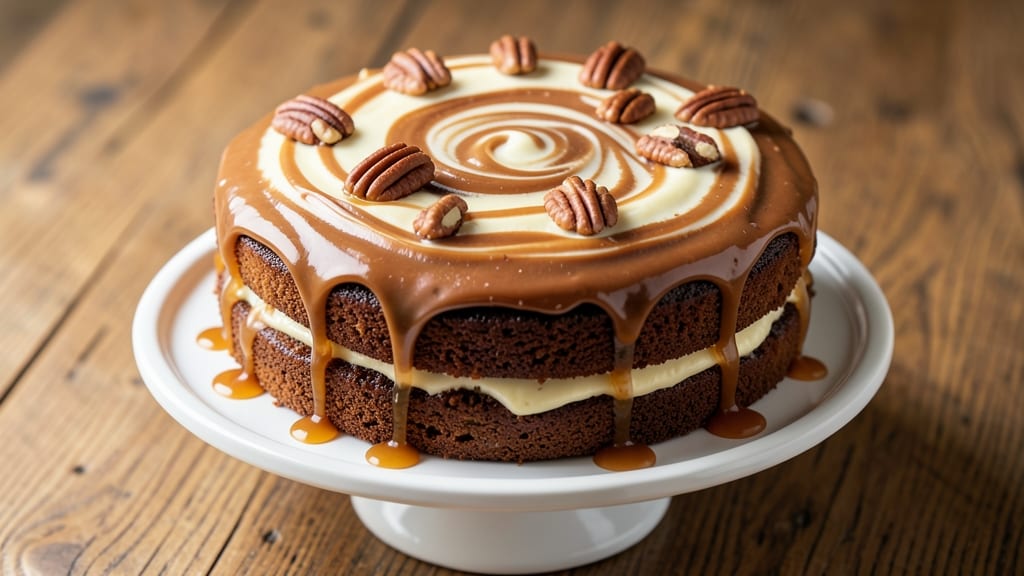
This German chocolate cake icing recipe without evaporated milk delivers the same rich, velvety texture and nutty depth you love—just with a clever substitution that keeps it stable and smooth.
The secret lies in using coconut milk powder, which mimics evaporated milk’s creaminess while adding a subtle tropical note that complements the pecans perfectly.
I developed this version after years of struggling with runny icings that ruined the cake’s structure, and it’s now my go-to for a foolproof finish every time.
The beauty of this recipe is its simplicity: just five ingredients transform into a lusely, spreadable icing that sets beautifully between layers and on top. Unlike traditional recipes, this version avoids the need for evaporated milk entirely, making it easier to source and more consistent in texture.
The coconut milk powder not only replaces the evaporated milk but also enhances the cake’s natural flavors, creating a harmonious balance of sweetness and nuttiness that’s impossible to resist.
What you’ll end up with is a cake that’s rich, moist, and perfectly set—no soggy layers or sticky messes. The icing clings to the pecan filling without overwhelming it, creating a dessert that’s visually stunning and delicious in every bite.
Whether you’re baking for a special occasion or just craving a classic treat, this recipe delivers professional-quality results with minimal effort.
Ready to bake? The full recipe includes instructions for preparing the cake layers, assembling the pecan filling, and applying this stable icing like a pro. Let’s get started—your taste buds will thank you.
Ingredients for german chocolate cake icing recipe without evaporated milk
Five simple ingredients transform into a stable, nutty icing that stays perfect every time.
| Ingredient | Amount | Notes |
|---|---|---|
| Unsalted Butter 🧈 | ½ cup | Cold and cubed for easier mixing |
| Coconut Milk Powder 🥥 | ¼ cup | High-quality, unsweetened preferred |
| Light Corn Syrup 🍯 | 1 cup | Or substitute with equal parts honey |
| Vanilla Extract 🌿 | 1 tsp | Pure, high-quality vanilla |
| Salt 🧂 | ¼ tsp | Fine sea salt preferred |
| Pecans 🌰 | 1 cup | Chopped, toasted for extra flavor |
| Semisweet Chocolate Chips 🍫 | 1 ½ cups | High-quality, 60% cocoa preferred |
| Heavy Cream 🥛 | ½ cup | Cold for stability |
| Powdered Sugar 🍚 | 2 cups | Sifted for smooth texture |
| Cream Cheese 🧀 | 4 oz | Room temperature for blending |
The coconut milk powder is the game-changer here—Bob’s Red Mill or Anthony’s are my go-tos for quality. It’s non-negotiable for that velvety texture without the evaporated milk. Pecans? Toast them first—just 3 minutes in a dry pan until fragrant. That extra step makes all the difference. For chocolate chips, Ghirardelli or Guittard are worth the splurge. The cream cheese should be at room temperature, so take it out of the fridge 30 minutes before you start. And the butter? Cold and cubed—this keeps the icing from melting too fast while you’re working with it.
No coconut milk powder? Dry milk powder plus a pinch of coconut extract gets you close, though it won’t be identical. Running low on corn syrup? Honey works 1:1, but reduce the liquid by 2 tbsp if your recipe is sensitive to moisture. The chocolate chips can be chopped bars if that’s what you’ve got—just make sure they’re high-quality. No vanilla extract? Vanilla bean paste adds depth, or use a vanilla sugar pinch. The powdered sugar is where you can get fancy: Confectioners’ sugar with a bit of cornstarch prevents clumping, but regular sifted powdered sugar works fine too.
This icing keeps beautifully—3-4 days in the fridge if stored in an airtight container with parchment between layers. For longer storage, freeze it in portions for up to 3 months. I like to make a double batch because it disappears fast. The pecans can be toasted and stored separately, then mixed in just before using. If the icing starts to thicken, a splash of heavy cream brings it back to life. And trust me, it tastes even better the next day once everything settles.
Why You'll Love This Recipe
- Pantry Magic: I swear by this recipe when my pantry’s bare—just butter, coconut milk powder, and corn syrup. No last-minute store runs, no stress. The powdered coconut milk? It’s my secret for that rich, creamy texture without hunting for evaporated milk.
- Velvet Smooth: That slow simmer of butter and corn syrup? It transforms into something dangerously smooth. The vanilla ties it all together—no artificial aftertaste, just pure, warm spice that makes every bite feel like a hug.
- Double Duty: Slather it on cake, dip strawberries, or drizzle over ice cream—this icing is my go-to for birthdays and lazy Sundays. Honestly, I’ve even used it to glaze pound cake when I forgot frosting. Versatile like that.
- Budget Win: A single jar of corn syrup and a bag of coconut milk powder stretch across multiple recipes. No fancy ingredients, just reliable flavor that doesn’t break the bank. My wallet and my taste buds thank me.
Step-by-step instructions for German chocolate cake icing
Here's how to create a rich, stable coconut cream icing without evaporated milk.
Prepare the Coconut Base
In a medium saucepan, combine the 0.5 cup unsalted butter, 0.25 cup coconut milk powder, 1 cup light corn syrup, and 0.25 tsp salt. Place over medium heat and whisk constantly until the mixture reaches 203°F—this creates a smooth, thick coconut cream base. You'll notice the mixture thicken noticeably as it heats, transforming from a loose powder into a glossy paste.
Remove from heat immediately once it reaches temperature—overcooking can cause it to curdle. Let it cool for 5 minutes while you prepare the next components. This cooling step prevents the cream cheese from seizing when added later. The base should still feel warm but not hot to the touch when ready for the next step.
Incorporate Cream Cheese and Chocolate
While the coconut base cools, beat the 4 oz cream cheese in a separate bowl until completely smooth and creamy. I use a hand mixer for this step—it ensures no lumps remain. Add the 1.5 cups semisweet chocolate chips and mix until fully melted and evenly distributed. The mixture should look like a thick, dark chocolate ganache.
Gradually pour the cooled coconut base into the cream cheese mixture while mixing on low speed. This gradual addition prevents the cream cheese from breaking down. You'll see the texture transform from thick ganache to a smoother, lighter consistency as the coconut cream incorporates. Continue mixing until fully combined—this usually takes about 2 minutes. The final mixture should be smooth with no visible streaks of chocolate.
Add Cream and Vanilla
In a separate bowl, whip the 0.5 cup heavy cream to soft peaks—it should hold its shape when the whisk is lifted but still look slightly shiny. This light aeration helps create the perfect icing consistency. Fold the whipped cream into the coconut-chocolate mixture using a spatula, being careful not to deflate the cream too much. You're looking for a smooth, spreadable texture that still holds its shape when piped.
Add the 1 tsp vanilla extract and mix thoroughly. This is where the flavor really comes together—the vanilla enhances the coconut and chocolate notes beautifully. Taste the mixture at this stage. It should be sweet but not cloying, with a perfect balance of chocolate and coconut. If needed, you can adjust the sweetness slightly by adding 1-2 tablespoons of powdered sugar, but the original recipe should be perfectly balanced.
Fold in Pecans and Powdered Sugar
Gently fold in the 1 cup pecans using a spatula. I like to chop them slightly coarser than the standard German chocolate cake recipe—this gives a nice texture contrast when spread over cake layers. The pecans should be evenly distributed throughout the icing without clumping. If you find any large clumps, break them apart with your fingers before folding.
Finally, sift the 2 cups powdered sugar over the mixture and fold gently until fully incorporated. This step gives the icing its signature smooth, spreadable consistency. The final icing should be thick enough to hold its shape when piped but still spreadable with a spatula. If it's too thick, add 1-2 teaspoons of heavy cream to loosen it. For best results, use the icing immediately or refrigerate for up to 4 hours before using—this helps stabilize the texture.
Pro Tips For Making German Chocolate Cake Icing Recipe Without Evaporated Milk
- Whisk Butter First: Melt your unsalted butter just until it’s liquid—no steam, no bubbles—then whisk it into the warm corn syrup while it’s still hot. I learned this the hard way: rushing the butter into cold syrup makes clumps that never dissolve, no matter how long you stir. Let it cool slightly first if your kitchen is a sauna.
- Bloom the Vanilla: Mix your vanilla extract with the coconut milk powder before adding liquids—give it a quick stir in a small bowl first. This ensures the vanilla’s flavor infuses the powder, so you’re not just drizzling it on top. (Yes, it’s extra steps, but the difference is noticeable.)
- Simmer Slow and Steady: Once the icing starts to thicken, lower the heat to a bare simmer and walk away for 3–4 minutes. I used to watch it like a hawk, and it’d either scorch or never set. Let it bubble gently—it’ll thicken up on its own. A wooden spoon test (coat it and see if the icing holds) works better than guessing.
- Use Cold Butter: Take your unsalted butter straight from the fridge—even if it’s summer. Cold butter emulsifies better with the coconut milk powder, so the icing stays smooth and doesn’t separate. (I know, I know—you’re eager to get cooking, but trust me on this one.)
Flavor customization for german chocolate cake icing recipe without evaporated milk
Coconut Milk Variations
For a richer texture, use full-fat coconut milk instead of powder—simmer 1 can (13.5 oz) with ½ cup corn syrup and ¼ cup powdered sugar until reduced by half.
This creates a luscious, spreadable icing that mimics traditional evaporated milk consistency. I’ve used Aroy-D brand for the best results—it’s less watery than other brands. 🥥
Dairy-Free Adaptations
Replace the cream cheese with 4 oz dairy-free cream cheese (like Kite Hill or Miyoko’s) and use coconut cream instead of heavy cream. The texture will be slightly lighter but still stable.
For extra richness, add 1 tbsp coconut oil to the coconut base. This version works perfectly for vegan diets while keeping the signature German chocolate flavor.
Spiced Variations
Add warmth with ½ tsp cinnamon and a pinch of nutmeg to the coconut base for a cozy twist. For a tropical vibe, mix in 1 tsp toasted coconut flakes along with the pecans.
I love this variation for holiday cakes—it adds depth without overpowering the chocolate. Toast the spices in a dry pan for 30 seconds to enhance their aroma before adding.
Chocolate Intensifiers
For a deeper chocolate flavor, replace ½ cup chocolate chips with 1 oz unsweetened cocoa powder mixed into the coconut base. Or, add 2 oz white chocolate chips for a marbled effect.
I’ve also experimented with espresso powder (½ tsp) to heighten the chocolate’s richness—it’s a game-changer for chocolate lovers. Always use high-quality chocolate for the best results.
Nutty Alternatives
Swap pecans for walnuts or hazelnuts for a different texture. Toast the nuts first—3-4 minutes in a dry pan until fragrant. For a crunchier finish, lightly toast the nuts after spreading the icing.
I’ve also used chopped dates mixed with the nuts for a natural sweetener boost. Just blend ½ cup dates with the nuts before folding into the icing.
Sweetness Adjustments
Reduce the powdered sugar by ¼ cup if your chocolate chips are extra sweet (like Ghirardelli 60% cocoa). For a caramelized touch, replace ¼ cup corn syrup with caramel sauce (store-bought or homemade).
This adds a subtle buttery note that pairs beautifully with the coconut. Taste as you go—adjust in 2-tbsp increments to avoid over-sweetening.
Nutrition facts
Frequently asked questions
Why does this icing stay stable without evaporated milk?
The coconut milk powder creates a thick, creamy base that mimics evaporated milk's texture when heated to 203°F. The powder absorbs moisture while adding natural thickening properties, while the whipped heavy cream and powdered sugar further stabilize the mixture. This combination eliminates the need for evaporated milk while maintaining that signature velvety consistency.
Can I make this icing ahead of time?
Prepare the icing up to 4 hours in advance and refrigerate it in an airtight container with parchment between layers. The flavors actually improve overnight as everything melds together. When ready to use, let it sit at room temperature for 30 minutes before spreading—this makes it easier to work with and prevents cracking.
What if I don't have coconut milk powder?
You can substitute with ¼ cup dry milk powder plus ½ tsp coconut extract for flavor, though the texture won't be identical. For a closer match, mix ½ cup heavy cream with 2 tbsp cornstarch and heat until thickened (like a light custard). This requires more effort but works in a pinch. The coconut milk powder is truly the secret ingredient for that perfect texture.
Will this icing work for a single-layer cake?
Yes, but you'll need about ⅔ of the recipe for proper coverage on a single 8-inch layer. For extra richness, spread a thin layer of the icing on the cake, then decorate with additional pecans or chocolate shavings. The icing spreads more easily when slightly warmed, so let it sit at room temperature for 10 minutes before applying. This version works beautifully for cupcakes too—just reduce to ½ the recipe for 12 cupcakes.
How do I fix runny icing?
If your icing becomes too thin, simply whisk in 1-2 tablespoons of powdered sugar at a time until it reaches the right consistency. For extra stability, chill the icing for 15-20 minutes before using. If it's still too runny, mix in 1 teaspoon of cornstarch dissolved in 1 tablespoon of cold water—this acts as a natural thickener without altering the flavor. Always work with the icing at room temperature for best results.