
Desserts
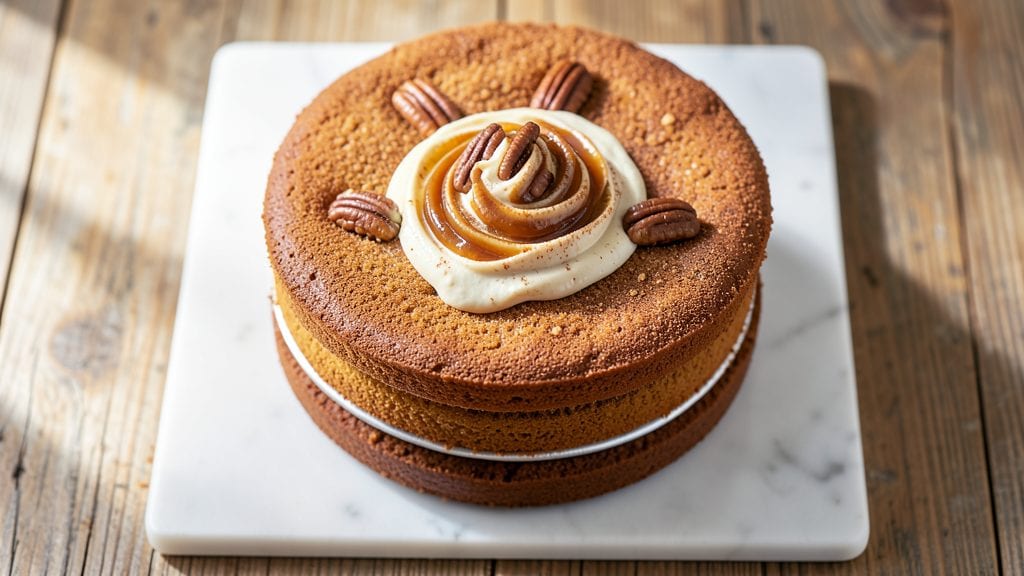
This diabetic German chocolate cake delivers all the rich, nutty flavors of the classic without the sugar spike—three moist layers topped with a toasted coconut crunch that rivals traditional recipes. The secret lies in almond flour and erythritol, which maintain texture while keeping carbs in check.
I developed this version after years of baking for diabetic family members who refused to give up dessert, and it’s now their go-to treat.
The cake’s structure relies on precise measurements and a two-stage baking process to ensure even moisture distribution, while the frosting uses cream cheese and powdered erythritol for a velvety finish.
Unlike many low-sugar cakes that taste artificial, this version stays decadently rich with warm cinnamon, pecan, and coconut notes—just without the blood sugar rollercoaster. Every slice satisfies cravings while aligning with dietary needs.
What sets this apart is the toasted coconut topping, which adds crunch and depth without added sugar. The layers remain tender for days, making it perfect for meal prep or special occasions.
Whether you’re managing diabetes or simply seeking a healthier indulgence, this cake proves you don’t have to compromise on flavor or texture.
Ready to bake? The recipe includes step-by-step guidance for substitutions, troubleshooting, and nutritional breakdowns—so you can enjoy this classic with confidence. Let’s get started with a dessert that’s as kind to your body as it is delicious.
Ingredients for diabetic german chocolate cake
Twelve ingredients, three decadent layers—this diabetic German chocolate cake keeps all the classic flavors without the sugar crash.
| Ingredient | Amount | Notes |
|---|---|---|
| Almond Flour 🌰 | 2 ½ cups | Finely ground, unsweetened |
| Erythritol 🍬 | 1 ½ cups | Granulated, zero-calorie sweetener |
| Unsalted Butter 🧈 | 1 ½ cups | Cold, cubed, salted variety |
| Large Eggs 🥚 | 6 whole | Room temperature, separated |
| Vanilla Extract 🌸 | 2 tbsp | Pure, high-quality extract |
| Unsweetened Applesauce 🍎 | ½ cup | For moisture, unsweetened |
| Baking Powder 🍞 | 1 tbsp | Aluminum-free preferred |
| Ground Cinnamon 🌿 | 2 tsp | Freshly ground preferred |
| Salt 🧂 | ½ tsp | Fine sea salt |
| Cream Cheese 🧀 | 8 oz | Full-fat, room temperature |
| Powdered Erythritol 🍬 | 1 cup | For frosting sweetness |
| Heavy Whipping Cream 🥛 | 1 cup | Cold, heavy cream |
| Unsweetened Shredded Coconut 🥥 | 2 cups | Toasted, unsweetened |
| Chopped Pecans 🌰 | 1 ½ cups | Toasted, unsalted |
| Dark Chocolate Chips 🍫 | 1 cup | 85% cocoa, sugar-free |
Almond flour is your secret weapon here—Bob’s Red Mill or Anthony’s Goods are my go-tos for consistent texture. The erythritol matters too: Lakanto or Swerve work best for baking, not the powdered kind. Unsweetened shredded coconut is a must for that authentic crunch; Trader Joe’s or the bulk bins at Whole Foods have the best quality. For the cream cheese, Philadelphia brand is reliable, but any full-fat variety works. The pecans? Toast them yourself—5 minutes in a dry pan brings out their natural flavor. And those dark chocolate chips? Lily’s or Guittard sugar-free brands melt perfectly without altering the cake’s texture.
No erythritol? Monk fruit sweetener or allulose can substitute at a 1:1 ratio, but texture may vary slightly. Running low on almond flour? Oat flour works in a pinch, though the cake will be denser. The cream cheese frosting can be made ahead—just whip it up and refrigerate until ready to use. For the coconut topping, toasted coconut oil instead of butter adds richness without dairy. Need a nut-free option? Swap pecans for chopped walnuts or toasted pumpkin seeds. And if you can’t find sugar-free chocolate chips, melt 85% dark chocolate and let it cool—it’ll give you the same effect.
This cake keeps beautifully for 5 days in the fridge, wrapped tightly in plastic wrap. For longer storage, freeze the layers (unfrosted) for up to 3 months)—just thaw overnight in the fridge before assembling. The frosting can be made 2 days ahead and stored separately. To reheat, wrap a slice in foil and warm for 10 seconds in the microwave—the coconut stays crispy, and the layers stay moist. Portion into individual servings before freezing for easy grab-and-bake moments. And trust me, the leftovers? Even better the next day—the flavors meld into something truly special.
Why You'll Love This Recipe
- No-Fuss Mixing: I swear by this recipe—just toss the almond flour, erythritol, and melted butter in a bowl, then fold in eggs and vanilla. No sifting, no measuring cups, no stress. The almond flour does all the heavy lifting for a texture that’s almost like traditional cake, but with half the effort.
- Rich Without Guilt: That first bite? Pure indulgence. The almond flour gives it a deep, nutty backbone, while the erythritol keeps it sweet without the sugar crash. Honestly, I’ve had friends who don’t even know it’s diabetic-friendly—until I tell them. The vanilla extract ties it all together like a warm hug.
- Double-Duty Magic: Bake it for dessert, but slice it for breakfast the next morning with a dollop of whipped cream. (Yes, even on a Tuesday.) It’s also my go-to for potlucks—people assume it’s store-bought, and I just smile while secretly loving how easy it was to make.
- Leftovers That Last: This cake keeps beautifully for days, wrapped in the fridge. I’ve had it last a full week, and the flavor only gets better as the almond notes mellow. Plus, the butter and eggs are budget-friendly staples, so you’re not breaking the bank for a dessert that feels like a treat.
Step-by-step instructions for diabetic German chocolate cake
Here's how to create layers of moist, low-sugar cake with a rich coconut-pecan frosting.
Prepare the Cake Layers
Preheat your oven to 350°F and grease three 6-inch round cake pans. In a large mixing bowl, combine the 2.5 cups almond flour, 1.5 cups erythritol, 2 tsp ground cinnamon, 0.5 tsp salt, and 1 tbsp baking powder. Whisk until evenly distributed—this ensures no dry spots in your cake layers.
In a separate bowl, beat the 6 whole large eggs until frothy. Add the 1.5 cups unsalted butter (softened but not melted) and mix until fully incorporated. The mixture should be smooth and slightly thickened. Gently fold in the 0.5 cup unsweetened applesauce and 2 tbsp vanilla extract, then gradually add the dry ingredients while mixing on low speed. Avoid overmixing—just until combined. The batter will be thick, similar to cookie dough, which is perfect for this recipe.
Divide the batter evenly among the prepared pans. Bake for 20-25 minutes or until a toothpick inserted into the center comes out clean. Let the layers cool in the pans for 10 minutes before transferring to a wire rack to cool completely. This gradual cooling prevents cracking when you stack them later.
Make the Coconut-Pecan Frosting
In a medium bowl, beat the 8 oz cream cheese and 1.5 cups unsalted butter (softened) until smooth and creamy. This step is crucial—don't rush it. The mixture should be light and fluffy, almost like whipped buttercream. Gradually add the 1 cup powdered erythritol and mix until fully incorporated.
In a separate bowl, whip the 1 cup heavy whipping cream until stiff peaks form. Gently fold this into the cream cheese mixture along with the 2 tbsp vanilla extract. The frosting should be thick but spreadable. For the signature German chocolate flavor, fold in 1 cup dark chocolate chips (melted slightly for easier blending) and 1.5 cups chopped pecans. Set aside.
In a dry skillet over medium heat, toast the 2 cups unsweetened shredded coconut and 1.5 cups chopped pecans for 3-4 minutes until golden brown and fragrant. Let them cool completely before using as a topping—this adds the perfect crunchy contrast to the moist cake.
Assemble the Cake
Place one cake layer on a serving plate and spread a generous layer of the coconut-pecan frosting. Top with the second layer, repeating the process. Finish with the third layer and spread the remaining frosting evenly over the top and sides. The frosting should be thick enough to hold the layers together but still smooth.
Press the toasted coconut and pecan mixture evenly over the top and sides of the cake for that classic German chocolate look. For extra flair, create a decorative border with additional pecans around the edges. Chill the cake in the refrigerator for at least 2 hours before serving—this allows the frosting to set properly and makes slicing clean cuts.
Slice into 12 equal portions and serve at room temperature. Each slice delivers a perfect balance of moist cake, rich frosting, and crunchy coconut-pecan topping—all while keeping sugar levels in check. The cake keeps well in the refrigerator for up to 5 days, though I doubt it will last that long!
Pro Tips For Making Diabetic German Chocolate Cake
- Whip Eggs Properly: Beat those eggs on medium-high for a solid 3 minutes until they’re pale, thick, and ribbon-like—no streaks. I used to rush this, and the cake turned out dense. Trust me, the extra effort makes the texture light as a cloud.
- Sift the Almond Flour: Skip the sifting? Your cake will be uneven. Use a fine-mesh sieve to aerate the almond flour before mixing—it blends smoother and reduces lumps. (Yes, it’s tedious, but the result is worth it.)
- Don’t Overmix the Batter: Once you fold in the whipped egg whites, stop after 10 gentle strokes. Overmixing deflates the air bubbles, and your cake will sink like a rock in the oven. Less is more here.
- Chill the Batter 15 Minutes: Let the batter sit in the fridge while you preheat the oven—it helps the cake rise higher and bake more evenly. I learned this the hard way after a cake that collapsed mid-bake. (Your future self will thank you.)
Regional styles of diabetic german chocolate cake
Classic German Roots
The original German chocolate cake emerged in 1957 at the Dresden, Germany hotel of Samuel German, who created a spiced chocolate cake with a coconut-pecan frosting. This version was inspired by American Southern baking traditions, blending German spices with tropical coconut flavors.
The key difference in my diabetic adaptation? Swapping traditional sugar for erythritol while keeping the warm cinnamon and nutty depth intact. 🌍
Swiss-Inspired Adaptation
In Switzerland, German chocolate cake often incorporates almond flour for a lighter texture—a nod to their famous meringue-based desserts. My recipe uses 2.5 cups almond flour to mimic this, creating a moist yet tender crumb that holds up to the rich frosting.
Swiss bakers also favor cream cheese frosting, which I’ve replicated here with powdered erythritol for sweetness. The result? A cake that feels luxuriously European without the sugar crash. 🧀
American Low-Sugar Twist
Modern American bakers have reimagined German chocolate cake with diabetic-friendly swaps while keeping the soul of the original. The coconut-pecan topping remains a staple, but instead of refined sugar, I use toasted coconut and pecans for natural sweetness and crunch.
The cream cheese frosting gets its richness from full-fat cream cheese and butter, while erythritol keeps carbs in check. This version proves you can enjoy a classic dessert without compromising on flavor or health. 🍫
UK’s Sugar-Free Version
British bakers often focus on reducing sugar while enhancing texture. In the UK, diabetic German chocolate cake might include oat flour or coconut flour for a gluten-free option. My recipe uses almond flour for a similar effect, ensuring the cake stays light and fluffy.
The frosting often incorporates Greek yogurt for tanginess, but I’ve kept it pure cream cheese for that ultra-rich mouthfeel. A sprinkle of dark cocoa powder on top adds an extra layer of depth. 🇬🇧
Australian Nut-Free Option
For those with nut allergies, Australia has popularized a nut-free version using toasted pumpkin seeds or sunflower seeds instead of pecans. The coconut topping stays the same, but the frosting might include caramelized banana for natural sweetness.
My recipe keeps the pecans for authenticity, but you can easily swap them for toasted seeds without losing the crunch. The erythritol-based frosting ensures it’s still diabetic-friendly while keeping the creamy, velvety texture. 🌏
Japanese Lightened Layer
Japanese bakers often focus on light, airy textures in cakes. A diabetic-friendly version might use matcha powder for a subtle earthy note or red bean paste for natural sweetness. My recipe skips these but incorporates unsweetened applesauce to keep the cake moist and tender.
The frosting remains cream cheese-based, but adding a touch of vanilla bean paste elevates the flavor. The result? A cake that’s elegant, light, and still indulgent. 🍵
Nutrition facts
Frequently asked questions
Can I substitute erythritol with another sugar alternative?
Yes, you can use monk fruit sweetener or allulose in a 1:1 ratio, though texture may vary slightly. For best results, stick with erythritol (like Lakanto or Swerve) since it mimics sugar's baking properties. Avoid powdered erythritol blends—they can make your cake dense.
Why does my diabetic German chocolate cake taste different from traditional versions?
The almond flour and erythritol create a distinct texture and flavor profile—lighter, nuttier, and less sweet. The toasted coconut and pecans add depth without sugar, while the cream cheese frosting maintains richness. This version prioritizes flavor while keeping carbs low, so it won’t taste identical but still delivers that classic comfort.
How do I prevent the cake layers from cracking when assembling?
Let the layers cool completely in the pans for 10 minutes before transferring to a rack. Avoid stacking until fully cooled (at least 1 hour). Use a thin layer of frosting as "glue" between layers, and chill the cake for 2 hours before slicing. Patience here makes all the difference!
Can I make this cake gluten-free?
The recipe already uses almond flour, which is naturally gluten-free. Just ensure your erythritol and other ingredients (like vanilla extract) are certified gluten-free. For extra insurance, check labels on baking powder and chocolate chips. The texture remains light and moist—no compromises!
Will this cake stay moist for more than a day?
Yes! The almond flour and applesauce keep it tender for 5 days when refrigerated in an airtight container. For longer storage, freeze the unfrosted layers for up to 3 months. Thaw overnight in the fridge before assembling. The frosting can be made 2 days ahead—just whip it up when ready to use.