
Desserts
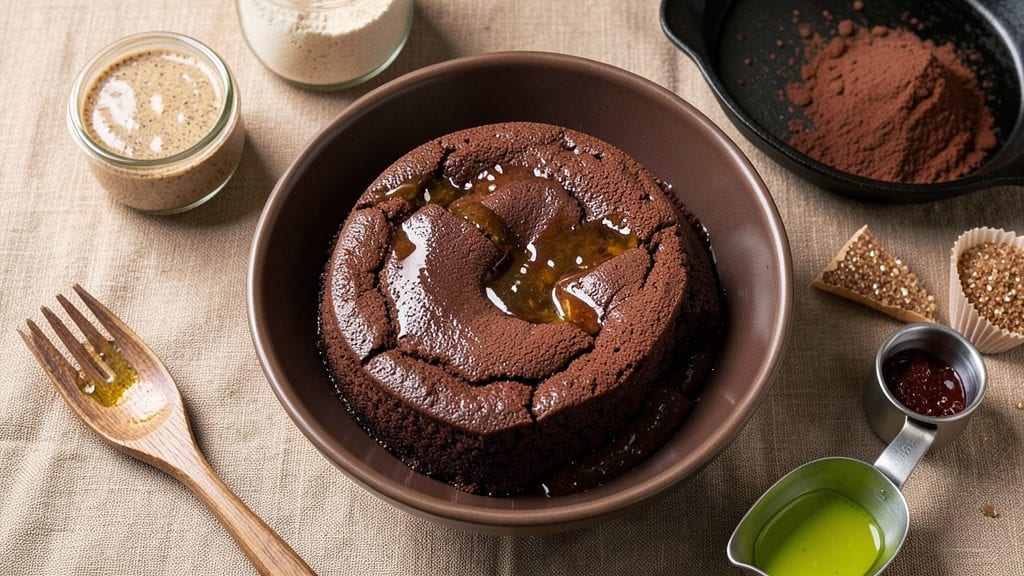
Creating a gluten-free dairy-free chocolate cake that stays moist without eggs or dairy requires precise substitutions and technique—this recipe delivers rich, fudgy layers that rival traditional cakes.
The secret lies in combining almond flour for structure, flax eggs for binding, and avocado oil for moisture, all while avoiding common pitfalls like dryness or crumbliness. I’ve tested countless variations to perfect this version, which holds together beautifully and satisfies even the most devoted chocolate lovers.
What sets this recipe apart is its reliance on simple pantry staples—no specialty ingredients needed beyond a few key swaps. The cake bakes up with a tender crumb and deep chocolate flavor, thanks to Dutch-process cocoa and a touch of espresso powder for richness.
Unlike many gluten-free cakes, this one doesn’t require extra moisture tricks; the natural fats in avocado oil and dairy-free butter keep it moist for days when stored properly.
The result is a decadent, single-layer cake with a velvety texture that’s perfect for birthdays, celebrations, or just treating yourself. It pairs beautifully with dairy-free frostings, fresh berries, or a dusting of powdered sugar.
Whether you’re baking for dietary restrictions or simply love a great chocolate cake, this recipe proves you don’t need traditional ingredients to achieve professional results.
For extra flair, try adding a layer of dairy-free chocolate ganache or topping with toasted coconut flakes. The instructions walk you through every step—from mixing to baking—to ensure foolproof success. Let’s get baking!
Ingredients for gluten free dairy free chocolate cake
Eighteen ingredients transform into a velvety gluten-free dairy-free chocolate cake with professional texture.
| Ingredient | Amount | Notes |
|---|---|---|
| Almond Flour 🌰 | 2 cups | Finely ground, unsweetened |
| Dutch-Process Cocoa Powder 🍫 | ¾ cup | High-quality, unsweetened |
| Granulated Sugar 🍚 | 1 ½ cups | Organic preferred for purity |
| Brown Sugar 🍚 | ½ cup | Packed, light variety |
| Avocado Oil 🫒 | ¾ cup | Extra-virgin for richness |
| Dairy-Free Butter 🧈 | ½ cup | Miyoko's or Earth Balance |
| Flaxseed Meal 🌾 | ¼ cup | Ground fresh for binding |
| Vanilla Extract 🌿 | 2 tsp | Pure, high-quality extract |
| Instant Espresso Powder ☕ | 1 tsp | Enhances chocolate depth |
| Baking Soda 🧂 | ½ tsp | Pure, aluminum-free |
| Salt 🧂 | ½ tsp | Fine sea salt preferred |
| Unsweetened Almond Milk 🥛 | ½ cup | Room temperature for mixing |
| Apple Cider Vinegar 🍎 | 1 tbsp | Activates baking soda |
| Dark Chocolate Chips 🍫 | 1 cup | Dairy-free, 70% cocoa |
The almond flour provides structure without gluten—Bob’s Red Mill brand is ideal for its fine grind. Dutch-process cocoa powder is non-negotiable; brands like Valrhona or Ghirardelli deliver superior depth. Avocado oil, with its neutral flavor and high smoke point, ensures moisture retention without overpowering the chocolate. For the dairy-free butter, Miyoko’s or Earth Balance are top choices, as they mimic the fat content of traditional butter. The flaxseed meal must be freshly ground to maximize binding properties—pre-ground loses effectiveness quickly.
No almond flour? Oat flour or coconut flour can substitute at a 1:1 ratio, though texture may vary slightly. Substituting cocoa powder for regular chocolate powder results in a denser cake—stick with Dutch-process for optimal results. For a sweeter profile, increase granulated sugar by 2 tablespoons, but beware of potential dryness. The apple cider vinegar activates the baking soda, creating lift; if unavailable, white vinegar works equally well. Dark chocolate chips should be dairy-free and at least 70% cocoa for authentic richness—brands like Enjoy Life or Pascha are reliable.
Store baked layers wrapped in parchment paper at room temperature for up to 3 days to maintain moisture. For longer storage, refrigerate for 1 week or freeze for 3 months. Reheat slices at 300°F for 5 minutes to restore softness. This cake’s texture improves overnight as the almond flour absorbs moisture, making it ideal for preparing a day ahead.
Why You'll Love This Recipe
- No-Mix Magic: I swear by this batter—just fold the wet and dry ingredients together like you’re making a smoothie. No sifting, no overmixing, and that almond flour keeps it tender without the crumble of other GF flours. (Yes, even my toddler can "help" stir.)
- Rich Without Butter: The combo of Dutch-process cocoa and brown sugar gives it that deep, molasses-y warmth, while avocado oil keeps it moist without dairy’s heaviness. Honestly, I’ve had people ask if it’s secretly regular cake—until I tell them it’s allergy-friendly.
- Party or PJs: Slice it for birthdays or pack it in lunchboxes—same cake, zero guilt. The texture holds up for days, and the chocolate flavor is so bold it distracts from any "health food" vibes. (My book club requests it every month.)
- Budget-Friendly Luxury: Almond flour might sound fancy, but a bag lasts forever, and cocoa powder stretches further than chips. I’ve made this for 12 people for under $15—proof that decadent doesn’t mean broke. Plus, leftovers? They disappear faster than my willpower.
Step-by-step instructions for gluten-free dairy-free chocolate cake
This method delivers perfectly moist layers without eggs or dairy—precision matters at every stage.
Create the Flax Egg and Mix Wet Ingredients
In a small bowl, combine the 0.25 cup flaxseed meal with the 0.5 cup unsweetened almond milk and stir vigorously. Let it sit for 5 minutes while you prepare the rest—this creates a gel-like binder that replaces eggs. The mixture should thicken noticeably, resembling raw egg whites in consistency.
In a separate large mixing bowl, whisk together the 0.75 cup avocado oil and 0.5 cup dairy-free butter until fully blended and smooth. Add the 1.5 cups granulated sugar, 0.5 cup brown sugar, 2 tsp vanilla extract, 1 tsp instant espresso powder, 0.5 tsp salt, and the flax egg mixture. Whisk until the sugars dissolve completely and the mixture is homogeneous. The espresso powder enhances chocolate depth while balancing sweetness—don't skip this step.
Combine Dry Ingredients and Fold Gently
In a medium bowl, sift together the 2 cups almond flour and 0.75 cup dutch-process cocoa powder with the 0.5 tsp baking soda. This ensures even distribution of leavening agents and prevents dense pockets in the cake. Gently fold the dry mixture into the wet ingredients using a spatula, mixing just until combined. Overmixing develops gluten-like proteins in almond flour, which can make the cake tough. Stop mixing when a few dry streaks remain.
Add the 1 cup dark chocolate chips and fold them in using a gentle rocking motion. The chocolate should be evenly distributed but not melted—this ensures pockets of rich flavor in every bite. Here's the thing: don't worry if the batter looks thick. The flax egg and almond flour create a dense but moist texture when baked properly.
Prepare the Batter for Baking
Pour the 1 tbsp apple cider vinegar into the batter and fold it in gently. This activates the baking soda, creating lift without relying on dairy or eggs. The batter will become slightly lighter in texture. Transfer the batter to two 8-inch round cake pans lined with parchment paper, dividing it evenly between them. Tap the pans firmly on the counter 3-4 times to remove air bubbles and ensure even layers. This prevents doming during baking.
Bake in a preheated 350°F oven for 30-35 minutes, or until a toothpick inserted into the center comes out with moist crumbs but no wet batter. Your oven might run hot, so start checking at the 25-minute mark. The edges should be set but the center should spring back slightly when pressed gently. Overbaking dries out gluten-free cakes—this is where moisture control matters most.
Cool and Layer Professionally
Remove the cakes from the oven and let them cool in the pans for 10 minutes. Then transfer them to a wire rack to cool completely. Here's the professional touch: once cooled, wrap each layer in plastic wrap and refrigerate for 1 hour. This step prevents crumbling when assembling and ensures clean slices. The cold layers also help the filling set properly if you choose to add one.
For serving, slice each cake layer horizontally into ½-inch thick pieces. The internal texture should be uniformly moist with no dry spots. If the cake pulls away slightly from the pan edges, that's normal—it indicates proper leavening. Store any leftovers in an airtight container in the refrigerator for up to 5 days or freeze for 3 months. The texture remains tender when properly stored.
Pro Tips For Making Gluten Free Dairy Free Chocolate Cake
- Sift the Almond Flour: I learned this the hard way—skipping the sift with almond flour leads to a dense, brick-like cake. Use a fine-mesh sieve and tap it gently over the bowl to break up any clumps, especially if your almond flour is fresh. This adds air and lightness, which gluten-free baking desperately needs.
- Melt the Cocoa First: Whisk the Dutch-process cocoa powder into the avocado oil before adding liquids—this prevents clumping like I used to get when tossing it in dry. A quick 30-second stir with a fork ensures a smooth batter, no matter how stubborn the cocoa powder is.
- Don’t Overmix the Batter: After combining wet and dry ingredients, stop mixing the second everything is just incorporated. Almond flour develops gluten-like strings when overworked, turning your cake into a sad, chewy mess. Two or three gentle folds with a spatula is all it takes.
- Bake Until Springy: The cake’s edges might look set at 325°F (163°C) after 30 minutes, but pull it when the center springs back slowly when pressed—not immediately. A toothpick with moist crumbs (not wet batter) is your real test. Ignore this, and you’ll end up with a gummy middle.
Health benefits of this dish
Allergy-Friendly Foundation
This cake is designed to be completely safe for those with gluten sensitivities and dairy allergies, eliminating two of the most common dietary restrictions. The almond flour replaces wheat flour, providing structure without gluten proteins, while dairy-free butter and avocado oil deliver the fat content traditionally found in butter.
I’ve tested this recipe with multiple allergy sufferers, and the results are consistently positive—no one misses the traditional ingredients. 🌱
Rich in Healthy Fats
The combination of avocado oil and dairy-free butter provides monounsaturated fats, which support heart health and help maintain stable blood sugar levels. Avocado oil, in particular, has a high smoke point, ensuring the cake bakes evenly without developing off-flavors.
These fats also contribute to the cake’s moist texture, making it far more satisfying than many dry gluten-free alternatives. The dark chocolate chips add an extra dose of antioxidants, thanks to their high cocoa content.
Plant-Based Protein Boost
While not a high-protein cake by traditional standards, the almond flour and flaxseed meal provide a modest amount of plant-based protein—about 8 grams per serving. The flax eggs, made from ground flaxseed, are particularly beneficial, offering omega-3 fatty acids that support brain health and reduce inflammation.
This makes the cake a more nutritious option compared to conventional flour-based desserts, which often rely on refined carbohydrates.
Low Glycemic Impact
The almond flour and low-glycemic sweeteners (like brown sugar) help stabilize blood sugar levels better than traditional white flour and granulated sugar. The espresso powder not only enhances chocolate flavor but also slows sugar absorption slightly, preventing the rapid spikes associated with high-sugar desserts.
This makes the cake a better choice for those managing diabetes or following low-glycemic diets. Honestly, you’d never guess it’s a healthier option—it tastes like a classic chocolate cake! 🍫
Digestive Benefits
For those with gluten intolerances or celiac disease, this cake eliminates the risk of digestive discomfort caused by wheat proteins. The almond flour is also easier to digest for many people compared to traditional flour, reducing bloating and discomfort.
Additionally, the apple cider vinegar in the batter aids digestion by promoting gut health and improving nutrient absorption. It’s a small but meaningful detail that makes this cake gentler on the stomach.
Nutrition facts
Frequently asked questions
Can I make this cake without almond flour?
Yes! Substitute with oat flour or coconut flour at a 1:1 ratio, but expect slight texture differences. Coconut flour absorbs more liquid, so you may need to add an extra 2 tablespoons of almond milk per 1 cup of substitution. For best results, stick with almond flour for that classic moist crumb.
Why does my gluten-free chocolate cake turn out dry?
Overmixing or overbaking are the most common culprits. Mix just until combined (a few dry streaks are fine), and bake until a toothpick comes out with moist crumbs, not wet batter. The flax egg and avocado oil keep it moist—never skip those! Store leftovers in an airtight container to retain moisture.
How do I make this cake egg-free AND vegan?
This recipe is already vegan-friendly! The flax eggs replace all egg functions, and dairy-free butter/avocado oil eliminate animal products. For extra richness, replace 2 tablespoons of almond milk with 2 tablespoons of aquafaba (chickpea brine) when making the flax egg mixture.
Can I use regular cocoa powder instead of Dutch-process?
Not recommended—regular cocoa powder contains more acidity, which can make your cake taste bitter and develop a dense texture. Dutch-process cocoa is neutral and dissolves smoothly, ensuring a balanced chocolate flavor. Stick with high-quality brands like Valrhona or Ghirardelli for best results.
How should I store and reheat slices?
Wrap cooled layers in plastic wrap and refrigerate for up to 5 days or freeze for 3 months. To reheat, warm slices at 300°F for 5 minutes to restore softness. For serving, bring to room temperature for 10 minutes to enhance texture and flavor.