
Desserts
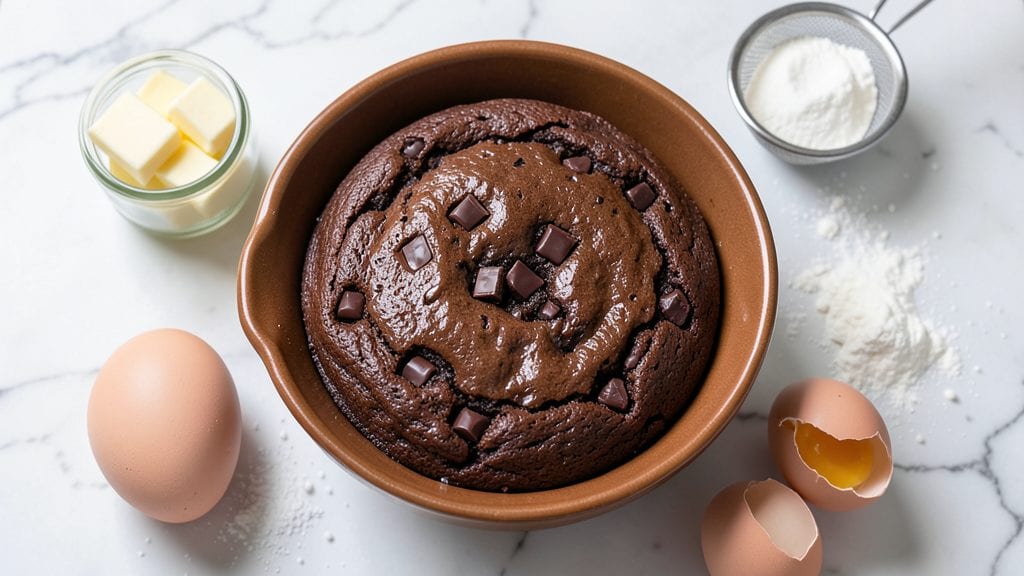
Claire Saffitz's chocolate cake recipe redefines home baking with its single-bowl simplicity and no-mixer requirement, proving that professional results don’t demand complicated techniques. The secret lies in precise ingredient ratios and a gentle folding method that creates a cake with a fudgy yet tender crumb—no overmixing, no stress.
I’ve baked this recipe during my busiest weeks, and it never fails to deliver that signature Claire Saffitz signature: rich chocolate flavor without bitterness, and a moist texture that stays perfect for days.
What makes this recipe truly revolutionary is its foolproof method—no mixer means no greased bowls to clean, and the single-bowl approach cuts prep time in half.
The cake relies on a cold butter creaming technique (yes, cold butter) that develops flavor as it bakes, resulting in a cake that’s deeply chocolatey but not overpowering, with just the right balance of sweetness.
The frosting, made with powdered sugar and a touch of cream cheese, adds a velvety finish that elevates the cake from delicious to unforgettable.
By the time you pull this cake from the oven, you’ll have a golden-domed masterpiece with a crackly top and a crumb so tender it practically melts in your mouth. The frosting, spread evenly and smoothed to perfection, gives it that bakery-style finish without requiring piping skills.
This is the kind of cake that impresses guests while still being achievable on a weeknight—no special tools, no advanced techniques, just reliable, restaurant-quality results every single time.
The beauty of this recipe is its versatility—swap out the frosting for ganache or whipped cream, add espresso powder for depth, or keep it classic with a dusting of cocoa powder.
Whether you’re baking for a celebration or just craving a slice of pure chocolate joy, this method delivers consistently perfect results that taste like they came from a professional kitchen. Let’s get baking!
Ingredients for claire saffitz chocolate cake
Twelve ingredients, one bowl, and a foolproof method for restaurant-quality chocolate cake without a mixer.
| Ingredient | Amount | Notes |
|---|---|---|
| Unsalted Butter 🧈 | 1 cup | Cold and cubed for proper creaming |
| Granulated Sugar 🍚 | 2 cups | Superfine preferred for smooth texture |
| Dark Chocolate Chunks 🍫 | 8 oz | 70% cocoa content, chopped |
| Large Eggs 🥚 | 2 whole | Room temperature for even mixing |
| All-Purpose Flour 🌾 | 1 ½ cups | Sifted for lightness, 12% protein |
| Baking Powder 🍞 | 1 ½ tsp | Aluminum-free for best results |
| Cocoa Powder 🍫 | ½ cup | Dutch-processed for smooth flavor |
| Espresso Powder ☕ | 1 tsp | Enhances chocolate depth |
| Salt 🧂 | ½ tsp | Diamond Crystal kosher |
| Vanilla Extract 🌿 | 1 tbsp | Pure Madagascar bourbon |
| Powdered Sugar 🍚 | 2 cups | For frosting, sifted |
| Cream Cheese 🧀 | 8 oz | Full-fat, room temperature |
| Heavy Cream 🥛 | ½ cup | Cold for stable whipping |
| Milk 🥛 | ¼ cup | Whole milk for richness |
The butter must be cold—cut it into small cubes and let it sit at room temperature for just 10 minutes before creaming. European-style unsalted butter like Plugrá or President is ideal for its high fat content and rich flavor. For the chocolate, Valrhona or Guittard 70% bars are my go-to—they melt evenly without bitterness. The cocoa powder is critical: Dutch-processed (like Callebaut or Hershey's Special Dark) ensures smooth flavor without acidity. If you're using supermarket cocoa, sift it first to remove lumps. The espresso powder (instant is fine) deepens the chocolate flavor without coffee taste—Starbucks or La Marzocco brands work well.
No mixer? No problem. The secret is the cold butter creaming technique—beat the butter and sugar until it forms a thick paste, then gradually incorporate the eggs. For substitutions: brown sugar at half the amount works in a pinch, but the cake will be denser. Short on dark chocolate? Semisweet chocolate chips (like Nestlé Toll House) can replace half the amount, but chop them into smaller pieces for even melting. The cream cheese frosting can be made with mascarpone at 1:1 ratio if you prefer a lighter texture. For a vegan option, replace the butter with coconut oil and use flax eggs, though texture will differ slightly. Always measure flour by weight if possible—1.5 cups all-purpose flour weighs about 6 oz.
Store the cake components separately: the batter can be refrigerated for up to 24 hours before baking, while the frosting keeps for 5 days in an airtight container. The fully frosted cake stays fresh for 3 days at room temperature or 1 week refrigerated. For longer storage, freeze the unfrosted cake layers for up to 3 months—thaw at room temperature before frosting. The frosting can also be frozen for 2 months—thaw in the fridge and rewhip before use. Always bring the cake to room temperature before slicing for clean cuts. A serrated knife dipped in hot water works best for slicing.
Why You'll Love This Recipe
- No Mixer Needed: I swear by this recipe when I’m in a rush—just cream butter and sugar by hand until it’s light and fluffy. The eggs and flour come together in minutes, and honestly? That’s all it takes for a cake this rich.
- Rich Without Overpowering: The dark chocolate chunks melt into pockets of fudgy goodness, but the butter and sugar keep it balanced. It’s not cloyingly sweet—just deep, satisfying, and perfect with a cup of coffee or a drizzle of cream.
- Birthday or Boring Tuesday: Serve it warm with ice cream for a celebration, or cut into squares for a quick lunch. Between us, I’ve used this cake to impress guests and to keep my kids quiet during homework time. It works.
- Leftovers That Don’t Suffer: This cake actually gets better the next day—moist, not dry, and still tender. I’ll be real: I’ve made it twice in one week because the slices reheat beautifully, and it’s cheaper than buying dessert. Win.
Step-by-step instructions for Claire Saffitz's chocolate cake recipe
Master this elegant single-bowl technique that delivers tender crumb and rich chocolate flavor.
Cream Butter and Sugars to Light and Fluffy
In a large mixing bowl, combine the 1 cup unsalted butter (cold and cubed) with the 2 cups granulated sugar. Using a wooden spoon or rubber spatula, vigorously cream the mixture for 5-7 minutes by hand. You're working the butter until it becomes pale and nearly doubles in volume—this incorporates air for a lighter texture.
I press down on the mixture with the spatula during the first few minutes to help break down the butter fat. You'll notice the mixture transform from grainy to smooth and fluffy. This step is critical—under-creaming leads to dense cake, while over-creaming develops gluten. Stop when the mixture holds soft peaks when lifted with the spatula.
Incorporate Eggs and Chocolate for Maximum Richness
Add the 2 whole large eggs (room temperature) one at a time, mixing well after each addition until fully combined. Then stir in the 1 tablespoon vanilla extract and 1 teaspoon espresso powder. The espresso enhances the chocolate flavor without adding coffee taste—trust this step.
Next, fold in the 8 ounces dark chocolate chunks using a spatula. I use a gentle folding motion to maintain air incorporation while melting the chocolate against the warm butter mixture. You'll see the chocolate soften and blend seamlessly. If the mixture seems too thick, add 1 tablespoon of the 0.25 cup milk to loosen it slightly—just enough to create a smooth batter without deflating the structure.
Combine Dry Ingredients for Perfect Leavening
In a separate bowl, whisk together the 1.5 cups all-purpose flour, 1.5 teaspoons baking powder, 0.5 teaspoon salt, and 0.5 cup cocoa powder. Sift the dry ingredients directly into the wet mixture, then gently fold with the spatula until just combined—you should still see small flour streaks. Overmixing develops gluten, which makes the cake tough.
This is where the magic happens: the cocoa powder and baking powder work together to create lift while the espresso powder deepens the chocolate flavor profile. The batter should be thick but pourable. If it's too stiff, add another tablespoon of milk to reach the perfect consistency—think of cake batter as thick pudding.
Bake to Golden Perfection with Even Heat Distribution
Preheat your oven to 350°F and grease two 8-inch round cake pans with butter or line them with parchment paper. Divide the batter evenly between the pans and smooth the tops. Bake for 30-35 minutes until a toothpick inserted into the center comes out clean and the edges are golden brown.
I check for doneness at the 28-minute mark—the cake should spring back slightly when pressed in the center. If the tops brown too quickly, tent with foil after 20 minutes to prevent over-browning. The key is even heat circulation, so rotate the pans halfway through baking if your oven has hot spots. Let the cakes cool in the pans for 10 minutes before transferring to a wire rack to cool completely.
Prepare the Cream Cheese Frosting for Ultimate Decadence
In a medium bowl, beat the 8 ounces cream cheese (room temperature) with the 2 cups powdered sugar and 0.5 cup heavy cream until smooth and fluffy. I use an electric mixer for this step to incorporate air efficiently. Add the 0.25 cup milk gradually to reach your desired frosting consistency—thick enough to hold peaks but spreadable.
Once the cakes are completely cool, level the tops if needed, then frost generously between layers and on top. The cream cheese frosting should be thick enough to hold its shape when piped but still smooth enough to spread easily. For extra richness, I brush the cake layers with a thin layer of simple syrup made by dissolving 2 tablespoons granulated sugar in 2 tablespoons hot water before frosting.
Pro Tips For Making Claire Saffitz Chocolate Cake
- Melt Butter Slowly: The recipe calls for melted butter, but don’t nuke it in the microwave—heat it in 30-second bursts, stirring between each, until just smooth. I learned this the hard way after burning butter into a bitter, greasy mess that ruined an otherwise perfect cake.
- Chop Chocolate Evenly: Dark chocolate chunks should be roughly the same size—no tiny crumbs, no giant hunks. Use a chef’s knife and smash them gently with the flat of your blade to keep them consistent. Uneven chunks mean uneven melting, and that’s when your cake turns into a sad, streaky disaster.
- Room-Temp Eggs Matter: Take your eggs out of the fridge at least 30 minutes before using them—this recipe relies on proper emulsification. Cold eggs can make the batter lumpy or dense, and you’ll end up with a cake that’s more brick than airy delight.
- Don’t Overmix the Batter: Once you fold in the flour, stop mixing the second everything is just combined. Overworking the batter introduces too much air, which can cause the cake to sink or develop tunnels. Think "gentle but thorough," not "beat it like you’re mad at it."
Storing and reheating this claire saffitz chocolate cake
Room Temperature Prep
Let your cake components sit at room temperature for 30 minutes before assembling. The cream cheese frosting needs to be 65°F or warmer for smooth blending—I use a Pyrex bowl in warm water for 5 minutes if my kitchen runs cold.
The milk and heavy cream should also be room temp to prevent lumps in the frosting. 🌡️
Short-Term Storage
Store the unfrosted cake layers in an airtight container with parchment between them for up to 3 days at room temperature. The frosting keeps separately for 5 days in the fridge—cover it tightly with plastic wrap pressed directly on the surface to prevent drying.
Assemble the cake just before serving for the best texture. ❄️
Freezing Unfrosted Layers
For longer storage, freeze the unfrosted cake layers wrapped individually in plastic wrap, then in a freezer bag for up to 3 months. Thaw overnight in the fridge before frosting.
The frosting can also be frozen for 2 months—thaw in the fridge and rewhip with a hand mixer until smooth. I always label my freezer bags with dates to track freshness. 📅
Reheating Slices
If you have leftover slices, warm them in the microwave for 10-15 seconds on 50% power to restore moisture. For a stovetop option, place slices on a non-stick skillet over low heat for 1 minute per side—this adds a subtle caramelized flavor.
Never reheat frosted slices directly in the oven as the frosting will melt unevenly. 🔥
Reviving Dried Frosting
If your frosting looks dry after refrigeration, add 1-2 teaspoons of heavy cream and whip until smooth. For extra richness, I sometimes add ½ teaspoon vanilla extract to refresh the flavor.
Store any unused frosting in a small glass jar with a tight lid—glass containers prevent absorption of fridge odors. 💫
Transporting Whole Cake
Wrap the fully assembled cake in plastic wrap, then place it in a sturdy cake carrier for transport. If traveling more than 2 hours, keep it in a cooler with ice packs to maintain temperature.
For short trips, a cardboard box lined with towels works perfectly—just avoid direct sunlight to prevent melting. 🚗
Nutrition facts
Frequently asked questions
Why does this recipe use cold butter instead of room-temperature?
The cold butter creates tiny air pockets when creamed with sugar, resulting in a lighter texture. Claire Saffitz's method avoids overmixing while developing rich flavor as the butter melts during baking. This technique also prevents a greasy texture that can occur with overly soft butter.
Can I make this cake without a mixer?
The recipe is designed for single-bowl mixing with just a wooden spoon or spatula. The key is vigorous hand-creaming for 5-7 minutes until the butter-sugar mixture becomes pale and fluffy. This manual method creates the same air incorporation as a mixer.
What's the secret to preventing a dense cake?
Three critical factors:
- Don't overmix after adding dry ingredients—fold just until combined,
- Use sifted flour and cocoa powder to prevent lumps, and
- Bake until a toothpick comes out clean (not before). The cold butter technique also helps maintain moisture without heaviness.
How do I fix cracked cake tops?
Cracking is normal with high-fat chocolate cakes. To prevent it, avoid opening the oven door early. If it happens, simply frost over the cracks—they won't affect flavor or texture. For a smoother finish, use a serrated knife to trim the top before frosting.
What's the best way to store leftovers?
Keep unfrosted layers in an airtight container for 3 days at room temperature. Frosted cake stays fresh for 5 days refrigerated. For longer storage, freeze unfrosted layers for 3 months or frosting for 2 months. Always thaw in the fridge before assembling.