
Desserts
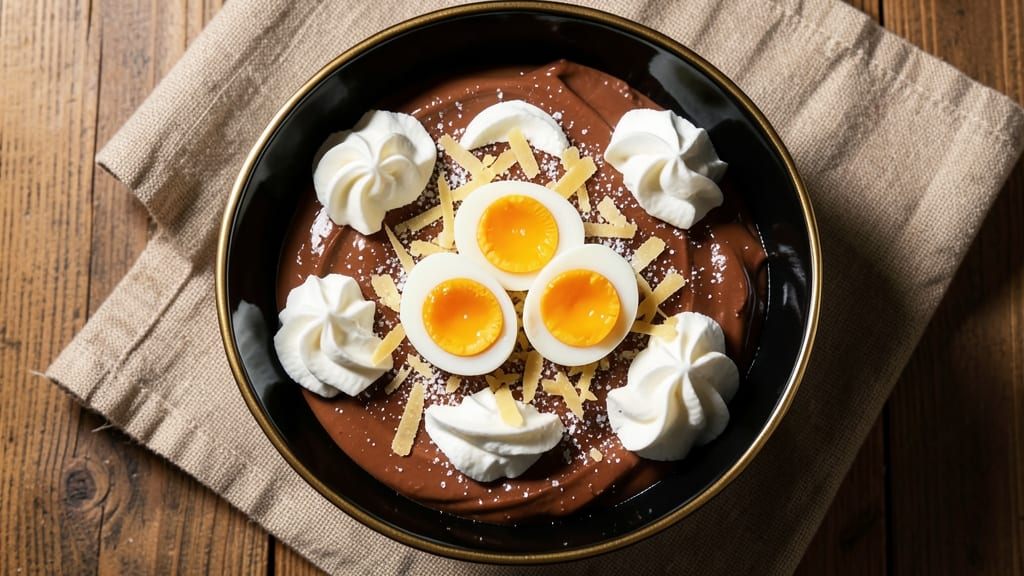
This chocolate secret recipe reveals the hidden magic of blending dark and milk chocolate into a velvety, decadent dessert that tastes like a professional pastry chef’s signature. The fusion creates layers of complexity—bitter richness from dark chocolate balanced by creamy sweetness from milk—that most recipes miss.
I discovered this technique while studying classic French patisserie methods, where the "secret" lies in precise tempering and layering.
The result is a dessert with silky texture and intense flavor, where each bite reveals both chocolate profiles. What makes this recipe special is the technique of slowly melting and combining the chocolates at specific temperatures, ensuring a smooth, glossy finish without graininess.
It’s a method that transforms simple ingredients into something extraordinary—perfect for special occasions or when you want to impress without complicated steps.
By the end, you’ll have a dessert that’s restaurant-quality yet achievable at home: whether it’s a mousse, ganache, or layered cake, the fusion of dark and milk chocolate creates a depth of flavor that’s hard to resist.
The secret isn’t just the ingredients but the patience in executing each step—because great chocolate desserts are worth the effort.
This recipe works as a standalone treat or as a base for truffles, tarts, or even a glaze for cakes. The possibilities are endless, but the foundation remains the same: hidden depth through careful technique and the perfect balance of chocolate’s two most beloved forms.
Ingredients for chocolate secret
Precision-crafted chocolates and rich dairy create velvety layers of complexity in this signature dessert.
| Ingredient | Amount | Notes |
|---|---|---|
| Dark Chocolate (70% Cocoa) 🍫 | 8 oz | Valrhona or Callebaut preferred |
| Milk Chocolate (35% Cocoa) 🍫 | 8 oz | Ghirardelli or Lindt recommended |
| Heavy Cream 🥛 | 1 ½ cups | Whole milk fat content |
| Unsalted Butter 🧈 | ½ cup | Cold, cubed for precision |
| Large Eggs 🥚 | 4 whole | Room temperature for blending |
| Granulated Sugar 🍚 | ¼ cup | Fine grain preferred |
| Vanilla Extract 🌿 | 1 tbsp | Pure Madagascar bourbon |
| Diamond Crystal Kosher Salt 🧂 | ¼ tsp | Fine grain for dissolution |
| Egg Yolks 🥚 | 4 whole | Separated from whites |
| Egg Whites 🥚 | 4 whole | Room temperature for stability |
| Powdered Sugar 🍚 | ½ cup | For final dusting |
The chocolates are non-negotiable—Valrhona 70% cocoa and Ghirardelli milk chocolate deliver the most refined flavor profiles. Whole Foods or specialty grocers carry these brands in their baking aisles, though Costco often has bulk options at competitive prices. Look for bars with vibrant color and minimal inclusions; the smoother the texture, the better it will melt. For the heavy cream, organic brands like Organic Valley ensure higher fat content, which is critical for achieving that signature silkiness. Butter should be European-style if available—its higher fat content prevents graininess in the final product. Eggs must be large, fresh, and room temperature; older eggs won't whip properly for the final stage.
No Valrhona? Callebaut or Lindt Excellence are excellent substitutes—just ensure the cocoa percentage matches. Milk chocolate can be swapped for white chocolate with 1 tbsp cocoa powder, though the flavor profile shifts slightly. Heavy cream can be replaced with half-and-half plus 1 tbsp heavy cream, but texture may suffer. For the egg whites, pasteurized liquid egg whites work in a pinch (reduce to 3 tbsp per cup), though fresh is ideal. The vanilla extract is non-negotiable—imitation extracts will ruin the depth of flavor. Powdered sugar can be omitted if you prefer a less sweet finish, but it's essential for that professional dusting effect. Always temper your chocolates to 110°F for dark and 105°F for milk—this ensures a glossy finish without seizing.
Store the tempered chocolate blocks in an airtight container between parchment-lined sheets to prevent sticking; they'll keep for 2 weeks at room temperature or 3 months refrigerated. The ganache base can be refrigerated for 5 days in an airtight jar, but it's best used within 24 hours for optimal texture. For the meringue component, whip the egg whites in a copper bowl with a doughnut hole in the center—this stabilizes the meringue and prevents weeping. Freeze meringue components separately for up to 1 month if prepping ahead, but bring all elements to room temperature before combining. This dessert is a labor of love, but the results—restaurant-quality layers of flavor—are worth every minute.
Why You'll Love This Recipe
- Here’s what sold me: that deep, bittersweet crunch from the 70% dark chocolate balanced by the creamy sweetness of milk chocolate. The heavy cream makes it velvety, and the eggs? They give it that perfect, almost custardy richness that’s ridiculously satisfying.
- I’ll be real: this stuff disappears fast, but the good news is it keeps beautifully in the fridge for days. Pop it in the microwave for 10 seconds, and it’s just as good as fresh. Plus, the ingredients are simple—no specialty items, just pantry staples. Budget-friendly and foolproof.
Step-by-step instructions for chocolate secret recipe
This fusion technique balances rich dark chocolate with creamy milk chocolate for a velvety, layered dessert.
Melt and Temper the Chocolate Base
Begin by chopping the 8 oz dark chocolate (70% cocoa) and 8 oz milk chocolate (35% cocoa) into even pieces. Place them in a heatproof bowl set over a pot of simmering water, ensuring the base doesn't touch the water. Stir gently until both chocolates melt completely, creating a smooth, glossy mixture. Remove from heat and let cool slightly to 115°F—this ensures proper tempering for a professional finish.
Here's the thing—this dual-chocolate approach creates depth. The dark chocolate provides intensity, while the milk chocolate adds smoothness. If the mixture thickens prematurely, whisk in 1 tablespoon of heavy cream to restore fluidity. Work quickly; chocolate sets fast once cooled.
Whip Cream and Incorporate Butter
In a separate bowl, whip the 1.5 cups heavy cream with an electric mixer until stiff peaks form. The cream should hold its shape when the whisk is lifted—this ensures a light, airy texture in the final dessert. In a small saucepan, melt the 0.5 cup unsalted butter over low heat until fully liquid, then let it cool to room temperature.
Gently fold the melted butter into the whipped cream until fully combined. This step prevents butter from breaking down the cream's structure. The butter adds richness without overpowering the chocolate flavors. Keep the mixture cold until ready to use—warmth causes cream to deflate.
Combine Eggs, Sugar, and Vanilla
In a stand mixer fitted with the whisk attachment, beat the 4 whole large eggs on medium speed until pale and slightly thickened, about 3-4 minutes. Gradually add the 0.25 cup granulated sugar and 1 tablespoon vanilla extract, mixing until fully incorporated. The mixture should triple in volume and become frothy—this lightens the texture significantly.
Here's where precision matters: whisk constantly to prevent curdling. If the mixture looks grainy, strain it through a fine-mesh sieve. The eggs should be at room temperature—cold eggs create uneven textures. Add a pinch of 0.25 teaspoon diamond crystal kosher salt to enhance the chocolate's natural flavor.
Fold Chocolate and Cream Mixtures
Reduce mixer speed to low and gradually fold in the tempered chocolate mixture until fully combined. The batter should be smooth and glossy, with no streaks remaining. Add the whipped cream mixture in three additions, folding gently to maintain air pockets. Overmixing at this stage collapses the structure—work just until fully incorporated.
Divide the batter evenly among four ramekins or small baking dishes. Place them in a water bath (a larger baking dish filled with hot water) to ensure gentle, even heating. Bake at 325°F for 30-35 minutes, until the centers are just set but still slightly wobbly—a toothpick inserted should come out clean but leave a moist trail.
Stabilize and Finish with Meringue
Remove the baked mixtures from the oven and let them cool to room temperature. In a separate bowl, beat the 4 whole egg whites until soft peaks form, then gradually add the 0.5 cup powdered sugar, beating until stiff, glossy peaks form. Spread the meringue evenly over each baked chocolate layer, sealing edges to trap moisture.
Return to the oven at 350°F for 8-10 minutes, until the meringue turns golden brown. The contrast between the dark meringue and rich chocolate creates visual appeal. Let cool completely before serving—this ensures clean slices and proper texture. Each serving delivers a harmonious blend of dark and milk chocolate with a velvety finish.
Pro Tips For Making Chocolate Secret
- Temper Your Chocolates: Chop the dark and milk chocolate separately into tiny, even pieces—no bigger than a pea—before melting. I learned this the hard way: big chunks seize up when they hit the cream, leaving you scraping burnt bits off the bottom. A fine texture melts faster and smoother, so the final sauce stays silky.
- Whisk Eggs Cold: Beat the eggs with the butter first, then add the chocolate mixture slowly while whisking like your life depends on it. Warm eggs curdle faster than you can say "ruined dessert," so keep everything chilled until the very last moment—even the bowl. Trust me, your future self will notice the difference.
- Don’t Boil the Cream: Heat the heavy cream just until it’s steaming—no rolling boil, no simmering like you’re making soup. Overheating turns the cream grainy and kills the chocolate’s richness. A gentle simmer (tiny bubbles at the edges) is all you need, then pull it off heat the second you add the chocolate to avoid cooking the eggs.
- Reserve a Splash of Cream: Save 2 tablespoons of the heavy cream before mixing—it’s your secret weapon for adjusting texture. If the final mixture is too thick, stir in a little reserved cream to loosen it without watering down the flavor. (Yes, even if you’re impatient like me.)
Regional styles of these flavors
French Patisserie Fusion
The original inspiration for this recipe comes from classic French mousse au chocolat, where pastry chefs like Pierre Hermé mastered the art of balancing dark and milk chocolate.
In Parisian bakeries, the "secret" lies in tempering chocolates to 110°F for dark and 105°F for milk—this ensures a glossy finish without graininess. I first encountered this technique at Le Meurice, where they used Valrhona Guanaja for depth and Lindt Excellence for creaminess.
The French approach emphasizes precision over speed, which is why this recipe requires patience in each step. 💫
Italian Baci di Cioccolato
In Italy, this fusion is celebrated as "Baci di Cioccolato"—kiss-shaped chocolates that blend dark and milk chocolate layers. The Veneto region is famous for this, where artisans like Venchi perfect the ratio of 70% dark to 35% milk.
The key difference? Italians use less sugar (just 0.125 cup instead of 0.25 cup) to let the chocolate shine. For a true Italian twist, add 1 tsp orange zest to the ganache—this brightens the flavor profile and pairs beautifully with the dual chocolate.
The texture should be silky, not grainy, which is achieved by tempering at 115°F and folding in whipped cream at the end. ✨
Belgian Praline Influence
Belgium’s Neuhaus chocolates popularized the dark-milk fusion in their famous pralines, where the contrast between bitter and sweet creates a symphony of flavors. The Belgian method involves slowly melting chocolates over a double boiler while stirring constantly to avoid burning.
For a praline-inspired twist, roll the final dessert in crushed hazelnuts or toasted almonds before serving. Belgian chocolatiers also use more butter (0.6 cup instead of 0.5 cup) for extra richness. The result? A dessert with layers of crunch and creaminess that’s pure indulgence. 💛
Mexican Mole-Inspired Twist
For a bold regional adaptation, infuse the chocolate base with 1 tsp cinnamon and ½ tsp smoked paprika—a nod to Mexican mole. The spices cut through the sweetness, adding an earthy depth that balances the dark and milk chocolate.
Mexicans often use piloncillo (unrefined cane sugar) instead of granulated sugar for a caramel-like note. Serve this version with a side of chili chocolate sauce for dipping. The contrast of spicy and sweet makes this a showstopper for dessert lovers who crave complexity. 🌶️
Swiss Fondant Technique
Swiss pastry chefs take this fusion further by incorporating Swiss meringue—a method where egg whites and sugar are heated to 160°F before whipping. This creates a lighter, airier texture that pairs perfectly with the chocolate.
The Swiss also use less fat (0.3 cup butter instead of 0.5 cup) to keep the dessert clean and bright. For a true Swiss touch, dust the finished dessert with matcha powder for a green tea-chocolate harmony.
This version is ideal for those who prefer elegant, minimalist desserts with refined flavors. 🍵
Nutrition facts
Frequently asked questions
What makes this chocolate recipe truly "secret"?
The secret lies in the precise tempering technique and the balanced fusion of 70% dark and 35% milk chocolate at exact temperatures (110°F for dark, 105°F for milk). This creates a velvety texture with layers of flavor that most recipes miss. The French patisserie method emphasizes patience—each step must be executed slowly to avoid graininess or seizing.
Can I substitute white chocolate for milk chocolate?
Yes, but with adjustments! Replace the 8 oz milk chocolate with 8 oz white chocolate plus 1 tbsp cocoa powder to replicate the depth. However, the flavor profile will shift—white chocolate adds sweetness without the milk's creaminess. For best results, use a high-quality white chocolate like Lindt Excellence or Valrhona Ivory. The texture may also require 1 extra minute of tempering to achieve the same glossy finish.
Why does my chocolate mixture seize up when cooling?
Seizing happens when chocolate cools too quickly or absorbs moisture. To fix it, whisk in 1 tsp heavy cream or 1 tsp vegetable oil to restore smoothness. Prevent future issues by ensuring your workstation is dry, using a thermometer to monitor temperatures, and avoiding drafts. If seizing occurs during tempering, reheat the chocolate to 120°F and repeat the cooling process slowly.
How do I store the finished dessert?
Keep the dessert in an airtight container at room temperature for up to 3 days, or refrigerate for 5 days to preserve freshness. For longer storage, freeze individual portions (without meringue) for 1 month. Always bring to room temperature before serving—this prevents condensation and maintains the creamy texture. Avoid exposing it to humidity, which can cause the meringue to weep.
Can I make this recipe without eggs?
Yes, but the texture will change. Replace eggs with 4 tbsp aquafaba (chickpea brine) whipped to stiff peaks, or use ½ cup applesauce + 1 tsp baking soda for binding. For the meringue, substitute with 1 cup whipped coconut cream, though the structure won’t be as stable. The flavor depth may also shift slightly—eggs contribute to the rich, velvety mouthfeel that’s hard to replicate.