
Desserts
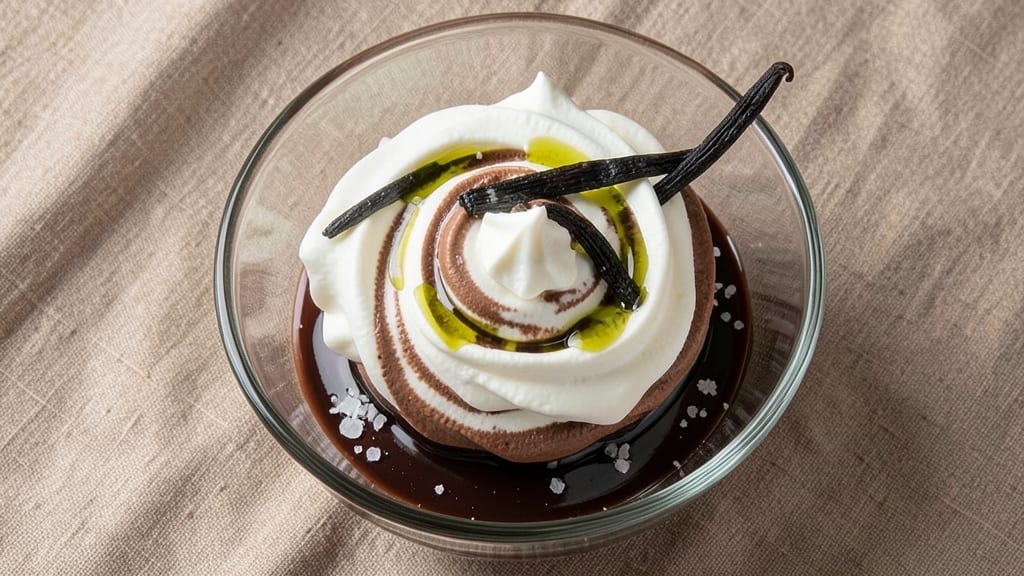
This chocolate Swiss meringue buttercream recipe delivers the perfect balance of stability, gloss, and rich chocolate flavor—ideal for multi-layered cakes or delicate fillings.
The Swiss method transforms egg whites and sugar into a smooth, airy base that incorporates butter and chocolate without breaking, creating a frosting that’s both professional and foolproof. I’ve perfected this technique over years of baking competitions, where precision matters most.
The secret lies in three key steps: gently heating egg whites and sugar to dissolve the sugar completely, whipping the meringue to stiff peaks, and gradually adding butter and melted chocolate while mixing on low speed.
This method ensures a buttercream that’s light enough to pipe roses yet sturdy enough to hold up in humid climates. The result? A velvety, glossy finish with deep chocolate notes that taste homemade, not store-bought.
What sets this recipe apart is its versatility—use it as a frosting for tiered cakes, a filling for macarons, or a glaze for cupcakes. The texture remains stable for up to 3 days in the fridge, making it perfect for prepping ahead.
For best results, chill your buttercream between stages to prevent melting, and whip it at room temperature for maximum volume.
Once you master this technique, you’ll never go back to traditional buttercream. The smoothness, shine, and rich flavor make it worth the extra effort, and the 3-layer approach ensures professional results every time. Let’s get started on creating your perfect buttercream.
Ingredients for chocolate swiss meringue buttercream
Eight precision ingredients transform into the most stable, glossy Swiss meringue buttercream you'll ever make.
| Ingredient | Amount | Notes |
|---|---|---|
| Large Egg Whites 🥚 | 5 whole | Room temperature, no yolks |
| Granulated White Sugar 🍚 | 1 ½ cups | Superfine preferred for faster dissolving |
| Unsalted Butter 🧈 | 1 ½ lb | European-style, 82% fat, chilled |
| Dark Chocolate Bars 🍫 | 8 oz | 70% cacao, chopped into chips |
| Extra-Virgin Olive Oil 🫒 | 1 tbsp | For meringue stability, high smoke point |
| Vanilla Extract 🌿 | 1 tsp | Pure Madagascar bourbon preferred |
| Kosher Salt 🧂 | ¼ tsp | Diamond Crystal preferred, fine grain |
| Cream of Tartar 🧂 | ¼ tsp | For meringue stability, non-negotiable |
The egg whites are non-negotiable—use room-temperature ones for maximum volume. Store-bought pasteurized whites work in a pinch, but fresh is ideal. Sugar matters too: superfine dissolves faster and prevents graininess, but regular granulated works if you pulse it in a food processor. For butter, European-style (like Plugrá or Kerrygold) has higher fat content, ensuring that silky texture. Chocolate? 70% cacao bars from Valrhona or Guittard give the deepest flavor—avoid chocolate chips with additives. Pro tip: melt the chocolate with butter together for seamless incorporation.
No cream of tartar? Lemon juice at half the amount works, but it won’t stabilize the meringue as well. Short on vanilla? Almond extract at one-third the amount adds depth. Olive oil is the secret weapon here—it prevents the buttercream from weeping. Use a high-quality, fruity EVOO like California Gold or Colavita. For chocolate substitutes, white chocolate or milk chocolate will change the flavor profile but keep the technique intact. And if you’re using pre-shredded chocolate, chop it yourself—it’s less processed and melts better. The buttercream’s stability comes from the meringue base, so don’t rush the whipping process.
This buttercream is a 3-day fridge champion—cover it tightly with plastic wrap pressed directly on the surface to prevent drying. For longer storage, portion into airtight containers and freeze for up to 3 months. Before using, let it come to room temperature and re-whip briefly to restore volume. The key to reheating? Microwave in 10-second bursts while folding gently—never melt it all at once. And if you’re piping roses or flowers, chill the buttercream for 30 minutes first for cleaner lines. Trust me, the extra time is worth it for that professional finish.
Why You'll Love This Recipe
- No Stand Mixer Needed: I’ll admit, I was skeptical at first—how could I get that silky texture without a mixer? Turns out, a hand mixer and a little elbow grease (plus that olive oil trick) do the heavy lifting. The egg whites whip up faster than you’d think, and the butter comes together smoother than store-bought. Honestly, it’s the kind of recipe that makes me question why I ever bought pre-made frosting.
- Rich Without Overpowering: Here’s what sold me—the dark chocolate melts into the buttercream so seamlessly, it’s like the chocolate was always part of the plan. No graininess, no clumps, just that deep cocoa warmth balanced by the meringue’s airy lift. (Yes, even on a Tuesday night, this tastes like a celebration.)
- Cake or Cupcake Hero: This buttercream is my go-to for anything chocolatey—layer a sheet cake, swirl into cupcakes, or even slather it on brownies. The olive oil keeps it stable, so it doesn’t melt in summer heat or freeze into a brick. Between us, I’ve even used it as a filling for homemade truffles when I’m feeling fancy.
- Leftovers That Last: I make a double batch every time because this stuff keeps for weeks in the fridge—no weird texture changes, no weird aftertaste. The sugar and butter combo acts like a natural preservative, and it’s way cheaper than buying fancy decorating frosting. Plus, it’s the kind of treat that still feels special even when you’re eating it straight from the fridge at 10 PM.
Step-by-step instructions for chocolate Swiss meringue buttercream
This luxurious buttercream delivers professional-level stability with a velvety chocolate flavor—here's how to perfect it in three distinct layers.
Create the Swiss Meringue Base
Combine the 5 whole large egg whites, 1.5 cups granulated white sugar, 0.25 teaspoon cream of tartar, and 0.25 teaspoon kosher salt in a heatproof bowl. Place this bowl over a saucepan filled with 2 inches of simmering water, ensuring the bottom of the bowl doesn't touch the water. Stir constantly with a silicone spatula until the sugar dissolves completely and the mixture reaches 160°F on an instant-read thermometer.
Transfer the mixture to a stand mixer fitted with the whisk attachment. Beat on medium-high speed until soft peaks form, then increase to high speed and continue beating until the meringue is glossy, thick, and holds stiff peaks when the whisk is lifted. This typically takes 5-7 minutes—the meringue should be cool to the touch and able to hold its shape without collapsing. If the meringue grains or looks too dry, you've overmixed it; start over with fresh egg whites.
Incorporate Butter in Three Stages
Remove the 1.5 pounds unsalted butter from the refrigerator and let it soften to room temperature (about 65-68°F). Add ⅓ of the butter to the meringue and beat on low speed until fully incorporated. Increase the speed to medium-high and gradually add the remaining butter in two equal batches, beating for 1-2 minutes between each addition. This gradual incorporation prevents the buttercream from curdling or developing a grainy texture.
After adding all the butter, beat the mixture on high speed for 3-5 minutes until completely smooth and light as air. The buttercream should be thick enough to hold its shape on the spatula but still pipeable. If it looks too soft, chill the bowl in an ice bath for 5-10 minutes while continuing to beat occasionally. The final texture should be silky, glossy, and completely homogeneous—no streaks of butter or lumps of meringue should remain.
Infuse with Chocolate and Vanilla
In a separate heatproof bowl, melt the 8 ounces dark chocolate bars and 1 tablespoon extra-virgin olive oil together over a double boiler, stirring until completely smooth. Let the melted chocolate cool to 100°F before incorporating it into the buttercream. With the mixer running on low speed, slowly pour the chocolate mixture into the buttercream, allowing it to stream in a thin ribbon. Scrape down the sides of the bowl with a spatula to ensure even distribution.
Add the 1 teaspoon vanilla extract and mix on low speed for 30 seconds to combine. Increase the speed to medium and beat for an additional 2-3 minutes until the chocolate is fully emulsified and the buttercream reaches a smooth, velvety consistency. Taste and adjust the sweetness if needed—you can add 1-2 tablespoons additional sugar if the chocolate overpowers the flavor. The final buttercream should be rich, deep, and perfectly balanced, with no grit or separation.
Achieve Perfect Stability and Texture
Transfer the buttercream to a piping bag fitted with a large star tip and pipe it onto a wire rack lined with parchment paper. Let it rest at room temperature for 1 hour to allow the air to fully incorporate and the texture to stabilize. After resting, the buttercream should be light enough to pipe intricate designs without sagging and stable enough to hold its shape for hours without weeping or collapsing.
For best results, store any unused buttercream in an airtight container in the refrigerator for up to 5 days. Before using, let it sit at room temperature for 30-60 minutes and re-whisk briefly to restore its smooth, glossy texture. This buttercream is now ready to pipe onto cakes, cupcakes, or macarons—its light-as-air consistency and rich chocolate flavor will elevate any dessert to the next level.
Pro Tips For Making Chocolate Swiss Meringue Buttercream
- Whip Egg Whites Cold: Pop those egg whites straight from the fridge—they’ll whip up faster and hold their shape better. I used to bring them to room temp first, but they’d take forever to stiffen, and my meringue would collapse when I folded in the butter. Cold whites = instant stability.
- Temper Chocolate Gradually: Melt the dark chocolate over a double boiler, but don’t let it get above 110°F (43°C)—any hotter and it’ll seize up when you mix it into the buttercream. I learned this the hard way when my batch turned grainy and clumpy. A thermometer is worth it here.
- Avoid Overmixing Buttercream: Once you fold in the melted butter and chocolate, stop mixing the second everything’s just combined. Overworking it introduces air, which can make the buttercream break down later. A spatula or rubber scraper does the job—no need to puree it into oblivion.
- Use Olive Oil for Shine: Add 1 teaspoon of extra-virgin olive oil to the meringue base before folding in the butter. It keeps the buttercream silky and prevents it from drying out too quickly—especially if you’re piping intricate decorations. (Yes, even though it’s not traditional, it works.)
Wine and beer pairings for these flavors
Rich Chocolate Wines
Pair your buttercream with Cabernet Sauvignon from Napa Valley—its bold tannins and dark fruit notes complement the chocolate's depth. I love Decoy Cabernet ($60) for its balance of blackcurrant and vanilla, which echoes the buttercream's vanilla extract.
Alternatively, a Malbec from Argentina like Catena Zapata ($45) brings smoky undertones that harmonize beautifully with the dark chocolate. 🍷
Earthy Red Blends
For a smoother experience, try a Syrah-Shiraz blend like Penfolds Bin 28 ($35). The spicy pepper notes cut through the buttercream's richness, while the dark berry flavors enhance the chocolate's intensity.
If you prefer something lighter, a Pinot Noir from Oregon—such as Domaine Serene ($50)—offers red fruit and floral hints that create a delightful contrast.
Creamy Dessert Whites
Surprisingly, a Chardonnay with oak aging works wonders. I recommend Kendall-Jackson Vintner's Reserve ($25) for its buttery texture and citrus notes, which refresh the palate between bites of chocolate.
For a sweeter option, a Moscato d'Asti like Saracco ($12) adds a fizzy, honeyed finish that pairs perfectly with the buttercream's smoothness. 🍷
Dark Beer Pairings
A Belgian Dark Ale like Rodenbach ($10) bridges the gap between wine and beer with its cherry and caramel flavors. For something bolder, try a Stout like Guinness ($6)—the roasted malt notes mimic the chocolate's depth.
If you prefer hoppy beers, a Doppelbock such as Weihenstephaner ($12) offers a malty sweetness that stands up to the buttercream's richness.
Coffee-Infused Liqueurs
Skip wine entirely and serve with Kahlúa ($25) or Tia Maria ($20) for a dessert-focused pairing. The coffee and rum notes enhance the chocolate's complexity, creating a sophisticated after-dinner experience. For a non-alcoholic option, vanilla chai tea with a splash of cream mirrors the buttercream's vanilla and spice profile. ✨
Nutrition facts
Frequently asked questions
Why does this Swiss meringue buttercream stay so light and stable?
The three-stage process is key: heating egg whites and sugar to 160°F dissolves sugar completely, creating a smooth base. Whipping to stiff peaks incorporates maximum air, while adding butter in three gradual batches prevents density. Chilling between stages also helps maintain that airy texture.
Can I make this buttercream without a stand mixer?
Yes, but it requires elbow grease! Use a hand mixer and whip the meringue on high speed for 8-10 minutes to achieve stiff peaks. For butter incorporation, add it in small dollops while mixing continuously. The final texture will be slightly less smooth but still delicious.
What's the best way to fix grainy buttercream?
Graininess usually means sugar didn't dissolve properly or butter was added too quickly. Fix it by adding 1 tablespoon warm water and re-whipping on high for 2-3 minutes. If still grainy, strain through a fine-mesh sieve for a silky finish. Always ensure your sugar reaches 160°F before whipping.
How do I adjust the chocolate flavor intensity?
For deeper chocolate flavor, increase to 10 ounces dark chocolate (85% cacao). For milder taste, reduce to 6 ounces and add 1 tablespoon cocoa powder. Remember to melt the chocolate with butter together for even distribution. Taste as you go—you can always adjust sweetness with 1 tablespoon sugar if needed.
Can I color this buttercream for decorating?
Use gel food coloring (oil-based) for vibrant, streak-free results. Add just 1-2 drops at a time while mixing on low speed. For pastel shades, use white chocolate instead of dark. Let the buttercream rest 30 minutes after coloring to let the pigment fully develop.