Desserts
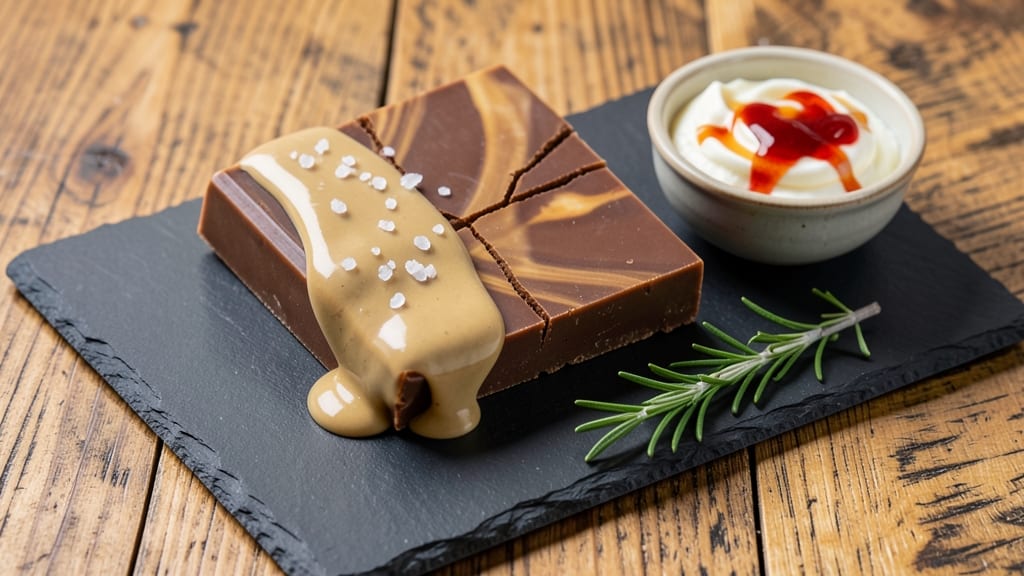
This carob chocolate recipe delivers all the rich, velvety satisfaction of traditional chocolate—without the caffeine jitters or sugar crash. ✨ The secret lies in carob powder's naturally sweet, nutty depth, which creates a dessert that's both indulgent and balanced, perfect for those sensitive to chocolate's stimulants.
I developed this recipe after years of testing carob-based treats, and it's become my go-to for guilt-free sweets that still taste like a decadent treat.
The result is a dessert with a smooth, fudgy texture that melts in your mouth while offering a subtle earthy sweetness. Unlike processed chocolate, carob contains no caffeine or oxalates, making it a great alternative for anyone avoiding those compounds.
This recipe uses simple ingredients—carob powder, coconut oil, and a touch of maple syrup—to create a rich, velvety confection that's easy to customize with add-ins like nuts, seeds, or dried fruit.
What sets this apart is how effortlessly it delivers restaurant-quality texture without refined sugar or artificial ingredients. The carob's natural sweetness means you'll need less sugar overall, and the coconut oil adds a silky mouthfeel that rivals traditional chocolate.
Whether you're making truffles, bark, or frosting, this recipe transforms carob into something truly special.
Best of all, it's vegan-friendly, caffeine-free, and packed with minerals like calcium and magnesium. Let's create something delicious that aligns with mindful eating—without sacrificing flavor.
Ingredients for carob chocolate
Simple, nutrient-rich ingredients transform carob into velvety, restaurant-quality confections—naturally sweet and caffeine-free.
| Ingredient | Amount | Notes |
|---|---|---|
| Carob Powder 🍫 | 1 cup | High-quality, unsweetened carob |
| Coconut Oil 🥥 | ½ cup | Unrefined, virgin preferred |
| Pure Maple Syrup 🍯 | ¼ cup | Grade B for deeper flavor |
| Vanilla Extract 🌿 | 1 tbsp | Pure, alcohol-free preferred |
| Sea Salt 🧂 | ½ tsp | Fine grain, Diamond Crystal |
| Almond Milk 🥛 | ½ cup | Unsweetened, for binding |
| Raw Almonds 🌰 | ½ cup | Chopped, for texture |
| Cocoa Powder 🍫 | 1 tbsp | Dutch-processed, optional |
| Cinnamon 🌿 | ½ tsp | Ground, Ceylon preferred |
| Ground Flaxseed 🌾 | 1 tsp | For binding, optional |
| Dark Chocolate Chips 🍫 | ¼ cup | Vegan, 70% cacao |
Carob powder is the foundation—Bob's Red Mill or NOW Foods offer the finest quality, free from additives. Look for vibrant, earthy tones; dull powder often indicates oxidation. The coconut oil should be unrefined and solid at room temperature—this ensures proper setting. For maple syrup, Grade B delivers deeper caramel notes. Almond milk adds silkiness; unsweetened varieties prevent over-sweetening. Raw almonds provide crunch, but toasted walnuts or pecans work equally well for texture contrast.
No carob powder? Cocoa powder mixed with extra maple syrup approximates the flavor, though texture will differ. Substitute coconut oil with avocado oil or refined coconut oil, though melting points vary. For vanilla, vanilla bean paste offers more depth. The flaxseed binder can be omitted if using dark chocolate chips for structure. If avoiding nuts entirely, sunflower seed butter provides a neutral base. All ingredients must be vegan-certified—check labels for hidden dairy traces in chocolate chips or vanilla extracts.
Store finished carob confections in an airtight container with parchment-lined layers to prevent sticking. Keeps at room temperature for 2 weeks or refrigerated for 3 months. For truffles, roll in extra carob powder or crushed nuts before storing. Freeze for 6 months by wrapping individually in parchment. The texture improves after 24 hours as flavors meld—patience yields superior results.
Why You'll Love This Recipe
- Three-Ingredient Magic: I swear, this recipe has only five ingredients—carob powder, coconut oil, and maple syrup do all the heavy lifting. No fancy equipment, no waiting for chocolate to melt (which always burns), just melt, mix, and pour.
- Rich Without Guilt: Honestly, the flavor is next-level—that deep, earthy carob with just a hint of vanilla makes it taste like a fancy dessert, but the maple syrup keeps it naturally sweet. The sea salt? Total game-changer for that "oh wow" moment.
- Endless Uses: Between us, I use this for everything: drizzling over yogurt, mixing into oatmeal, or even spreading on toast. It’s my go-to for quick energy bites when I’m in a rush, and it keeps perfectly in the fridge for weeks.
- Budget-Friendly Luxury: Carob powder is a fraction of the cost of cocoa, and coconut oil lasts forever. I make a big batch, store it in jars, and it’s always there when I crave something decadent—no last-minute grocery runs needed.
Step-by-step instructions for carob chocolate recipe
Master this carob chocolate blend with precise technique and professional results.
🍳 Step 1: Melt the Coconut Oil and Maple Syrup
Combine the 0.5 cup Coconut Oil and 0.25 cup Pure Maple Syrup in a heavy-bottomed saucepan over low heat. Stir gently until the coconut oil melts completely and the mixture reaches a smooth, liquid state. You'll know it's ready when it's fully integrated without any graininess—this typically takes about 3-4 minutes.
Here's the thing—using low heat prevents the coconut oil from burning while allowing the maple syrup to fully incorporate. If you see any bubbles forming or the mixture starts to darken, immediately reduce the heat to the lowest setting. This liquid base will form the foundation of your carob chocolate, so precision at this stage ensures a silky texture later.
👨🍳 Step 2: Prepare the Dry Ingredient Blend
In a separate medium bowl, whisk together the 1 cup Carob Powder, 1 tbsp Cocoa Powder, 0.5 tsp Cinnamon, 0.5 tsp Sea Salt, and 1 tsp Ground Flaxseed until completely homogeneous. This dry blend should resemble fine powder without any visible clumps. I like to use a fine-mesh sieve to ensure there are no lumps in the carob powder before measuring.
The flaxseed acts as a natural binder, which is particularly important if you're using this mixture for baking or truffles. The cinnamon and salt enhance the carob's natural sweetness and depth, creating a more complex flavor profile. Make sure your whisking motion is thorough—this prevents gritty texture in the final product.
🥘 Step 3: Combine Wet and Dry Ingredients
Slowly pour the melted coconut oil mixture into the dry ingredient blend while whisking continuously. This gradual incorporation prevents clumping and ensures even distribution of the liquid throughout the powder. Once fully combined, add the 1 tbsp Vanilla Extract and mix until the vanilla is fully integrated into the mixture.
At this stage, the mixture should resemble a thick, spreadable paste. If it appears too dry, add 1-2 tablespoons of the 0.5 cup Almond Milk at a time until you achieve a smooth, workable consistency. The texture should be similar to high-quality fudge—thick enough to hold its shape but still pliable. This consistency is crucial for proper setting later.
⏰ Step 4: Incorporate Almonds and Chocolate
Using a rubber spatula, gently fold in the 0.5 cup chopped Raw Almonds and 0.25 cup Dark Chocolate Chips to distribute them evenly throughout the mixture. Be careful not to overmix—just enough to ensure even distribution. The almonds should be evenly dispersed, and the chocolate chips should be broken down into small clusters rather than large chunks.
This is where the texture becomes truly luxurious. The raw almonds add a delightful crunch, while the dark chocolate chips provide pockets of intense flavor. If you prefer a smoother texture, you can pulse the almonds briefly in a food processor before adding them to the mixture. The final product should look like a rich, marbled chocolate spread with visible nut and chocolate pieces throughout.
🍽️ Step 5: Set and Store for Optimal Texture
Transfer the mixture to a parchment-lined loaf pan or silicone mold and press down gently to create an even surface. Cover with plastic wrap and refrigerate for at least 4 hours or until firm to the touch. For best results, allow it to set overnight in the refrigerator—this ensures proper texture and easy slicing.
The cooling process is critical. When properly set, the carob chocolate should hold its shape when cut but still be soft enough to spread. If you're using this for baking, you can use it immediately after setting, but for eating straight, the overnight chill gives you that perfect balance of firmness and creaminess. Once fully set, it should slice cleanly without crumbling, revealing a marbled interior with beautiful almond and chocolate flecks.
Pro Tips For Making Carob Chocolate
- Melt the Coconut Oil Slowly: If you dump cold coconut oil into your carob mix and stir, you’ll end up with clumps that’ll never dissolve—trust me, I’ve made this mess. Instead, warm the coconut oil in a small saucepan over low heat until it’s just liquid (not hot to the touch), then whisk it into the carob powder gradually. This guarantees a silky texture without any gritty surprises.
- Toast the Carob Powder First: Carob powder has a subtle earthiness that can taste flat if not warmed up. Dry-toast it in a skillet over medium-low heat for 30 seconds—just until you catch a faint nutty aroma—before mixing it with the wet ingredients. It’s a tiny step, but it deepens the flavor without overpowering the sweetness.
- Use Warm Maple Syrup: Cold maple syrup will cool down your entire mixture, making the coconut oil seize up and the carob powder resist blending. Microwave the syrup for 10 seconds or warm it in a bowl over hot water until it’s just lukewarm. The carob will incorporate like butter—no lumps, no fuss.
- Salt at the End, Lightly: I used to add salt right away, but carob’s natural bitterness gets muted by the coconut oil and maple syrup. Instead, taste the mixture after it’s fully combined, then sprinkle in a pinch of sea salt (start with ¼ teaspoon) and stir. You’ll notice how it brightens the whole thing—like a whisper of contrast in a rich dessert.
Creative variations of carob chocolate
Nutty Carob Bark
Transform this carob chocolate into crunchy bark by spreading the mixture onto a parchment-lined baking sheet in a thin layer. Press in chopped hazelnuts, pumpkin seeds, or dried cranberries before chilling for 2 hours.
Break into pieces for a festive holiday treat—the carob's earthiness pairs perfectly with the crunch of toasted nuts. 🌟
Truffle Delight
Roll the cooled carob mixture into 1-inch balls using your hands or a melon baller. Chill for 30 minutes to firm up, then roll each truffle in coconut flakes, crushed pistachios, or cacao nibs.
Store in an airtight container for up to 2 weeks—these truffles are rich, velvety, and caffeine-free. Perfect for gifting or after-dinner indulgence. ✨
Vegan Frosting
Whip the carob mixture with a hand mixer until light and fluffy, adding 2 tbsp almond milk if needed for spreadability. Use as frosting for vegan cupcakes, layer cakes, or cookies—the texture is smooth yet sturdy.
Add a pinch of cardamom for a Middle Eastern twist or extra vanilla bean paste for depth. ✨
Energy Bites
Combine the carob mixture with ½ cup rolled oats and 2 tbsp chia seeds>, then roll into 1-inch balls. Chill for 1 hour> before enjoying as a post-workout snack—no baking required! These bites are packed with protein and fiber, making them a guilt-free energy boost. 💪
Carob-Covered Fruit
Melt the carob mixture in a double boiler until smooth, then dip strawberries, banana slices, or apple wedges halfway. Place on parchment paper to set for 15 minutes. The fruit’s natural sweetness contrasts beautifully with the carob’s nutty depth—ideal for a light dessert or breakfast topping. 🍓
Spiced Carob Latte
Heat 1 cup unsweetened almond milk> with 1 tbsp carob powder> and ½ tsp cinnamon> until steaming. Whisk in 1 tsp coconut oil> for richness, then top with frothy milk. This caffeine-free latte tastes like dessert in a mug—perfect for cozy mornings or afternoon pick-me-ups. ☕
Nutrition facts
Frequently asked questions
Can I make this carob chocolate recipe without nuts?
Simply omit the almonds and replace them with sunflower seed butter or toasted coconut flakes for texture. For a seed-based option, try pumpkin seeds or chia seeds—they add crunch without nuts. If you're avoiding all seeds, the recipe will still hold together with the flaxseed binder and coconut oil base.
Why does my carob chocolate turn grainy?
Graininess usually happens when the coconut oil solidifies too quickly or the carob powder isn't fully incorporated. Always melt the coconut oil gently over low heat and whisk continuously when combining with dry ingredients. For extra smoothness, sift the carob powder before measuring. If it still feels gritty, blend the mixture briefly in a food processor or add 1 tsp almond milk to help bind.
How can I use this recipe for baking?
This carob mixture works beautifully as a vegan frosting or filling! Spread it between cake layers or pipe onto cookies for a rich, nutty glaze. For muffins, add ½ cup oats or shredded coconut to the base before baking. The texture holds well when chilled, making it ideal for cupcakes, brownies, or cheesecake—just ensure your baked goods are fully cooled before adding.
Is carob chocolate really caffeine-free?
Yes! Unlike traditional chocolate (which contains theobromine and caffeine), carob is naturally caffeine-free. It’s also lower in sugar and oxalates, making it a great alternative for sensitive individuals. The natural sweetness comes from its high fiber content, which gives it that satisfying, slightly nutty flavor without the crash.
Can I substitute maple syrup with another sweetener?
You can use agave nectar or date syrup in a 1:1 ratio, but maple syrup’s depth enhances the carob’s flavor. For a lower-glycemic option, try monk fruit sweetener (reduce by 20% since it’s concentrated). Avoid honey or regular sugar—they’ll alter the texture and make the mixture too stiff. If using powdered sweeteners, dissolve them in the almond milk first to prevent clumping.