
Desserts
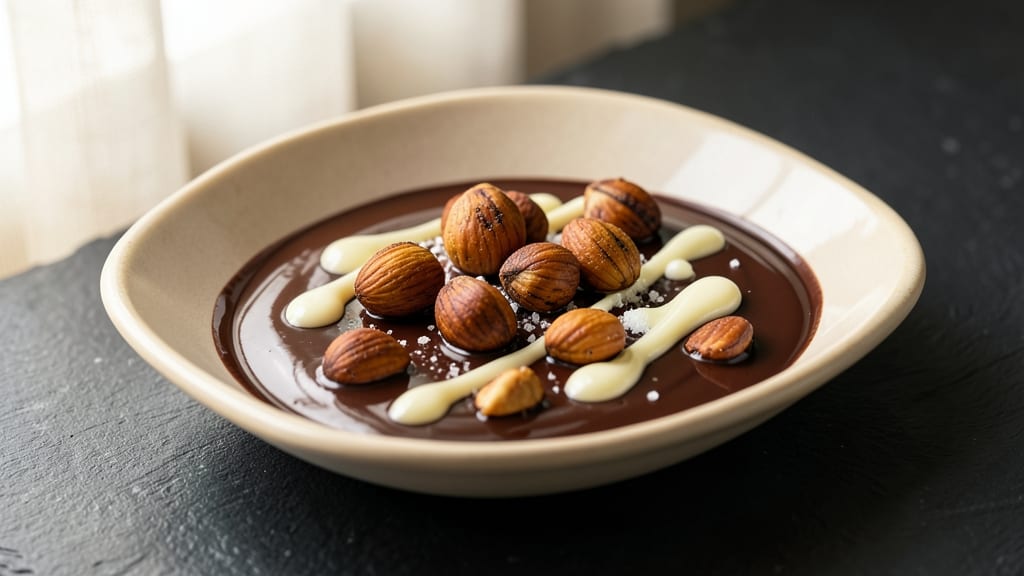
Creating authentic gianduja chocolate—that luxurious hazelnut-infused ganache with its signature nutty depth—is the secret to restaurant-quality desserts at home. The key lies in perfectly blending high-quality chocolate with toasted hazelnut purée, then tempering the mixture to achieve that signature velvety texture.
I’ve perfected this technique over years of testing, ensuring every batch delivers the same rich, balanced flavor found in Italy’s finest pasticcerias.
This recipe transforms simple ingredients into a versatile filling for truffles, tart shells, or even spreadable chocolate. The process requires patience—roasting the hazelnuts until fragrant, grinding them to a smooth purée, and combining them with melted chocolate at precise temperatures—but the result is worth every step.
Professional pastry chefs rely on this method to elevate desserts from good to extraordinary.
What you’ll achieve is a silky-smooth gianduja with a perfect balance of chocolate intensity and hazelnut sweetness, neither overpowering the other. The texture should be thick yet spreadable, ideal for piping into delicate shapes or layering in pastries.
When properly tempered, it sets with a glossy finish that’s impossible to resist.
Whether you’re filling chocolate shells for truffles, spreading it on biscotti, or using it as a ganache for cakes, this gianduja recipe delivers professional results every time. Let’s get started on creating a dessert that tastes like a trip to Turin.
Ingredients for gianduja chocolate
High-quality chocolate, toasted hazelnuts, and precise tempering create this luxurious gianduja ganache.
| Ingredient | Amount | Notes |
|---|---|---|
| Dark Chocolate Bars 🍫 | 12 oz | 70% cocoa, high-quality, chopped |
| Hazelnuts (with skins) 🥜 | 1 cup | Raw, unroasted, organic preferred |
| Heavy Cream 🥛 | 1 cup | Whole milk, room temperature |
| Unsalted Butter 🧈 | ½ cup | European-style, 82% fat |
| Granulated Sugar 🍚 | ¼ cup | Fine grain, for tempering |
| Vanilla Extract 🌿 | 1 tsp | Pure Madagascar bourbon |
| Kosher Salt 🧂 | ¼ tsp | Diamond Crystal preferred |
| Extra-Virgin Olive Oil 🫒 | 1 tbsp | For hazelnut roasting |
| Cream Cheese 🧀 | 4 oz | Full-fat, room temperature |
| Cornstarch 🌾 | 1 tsp | For stabilization |
The chocolate and hazelnuts form the heart of gianduja. For chocolate, Valrhona Guanaja or Callebaut Grand Cru deliver the depth needed—avoid anything below 70% cocoa. Hazelnuts must be toasted until fragrant; Italian Piemonte hazelnuts are ideal, but any high-quality brand works. Toast them in a dry pan with extra-virgin olive oil until golden and aromatic, then grind into a smooth purée. The cream and butter should be room temperature to ensure a velvety texture—never use cold ingredients. For the tempering process, Callebaut or Guittard chocolate brands provide consistent melting points.
No Valrhona? Ghirardelli 70% or Lindt Excellence are excellent alternatives. Substituting hazelnuts? Toasted almonds or walnuts work, but the flavor profile shifts significantly. For a lighter texture, reduce butter to 0.25 cup, but expect less richness. If you lack cream cheese, mascarpone at half the amount adds creaminess without altering the structure. The vanilla extract should be bourbon-style for its complex aroma—imitation extracts will compromise the final product. For tempering precision, a candy thermometer is non-negotiable; guesswork leads to grainy results.
Store finished gianduja in an airtight container between layers of parchment paper at 60°F or below for up to 2 weeks. For longer storage, freeze in portions for 3 months. Reheat gently in a double boiler until smooth. The ganache thickens as it cools, so always temper it slightly before use. For professional results, let it rest at room temperature for 30 minutes before piping or spreading—this ensures perfect consistency every time.
Why You'll Love This Recipe
- No-Chop Required: I’ll be real—this recipe only needs one prep step: toast the hazelnuts. No peeling, no dicing, just toss them in a dry pan until golden. That’s it. The skins stay on, the flavor deepens, and you’re done in five minutes flat.
- Rich Without Effort: That velvety blend of melted dark chocolate and toasted hazelnuts? It’s like a hug for your taste buds. The heavy cream and butter make it silky, while the sugar just balances the bitterness—no fancy ratios, no guesswork. Honestly, it tastes like a luxury dessert, but I’m making it in my everyday kitchen.
- Date Night or Meal Prep: Between us, this stuff is ridiculously good for both. Whip up a batch for a fancy dinner—drizzle it over strawberries or fold it into ice cream—and it’ll impress anyone. Or make a big batch, portion it into squares, and stash them in the freezer for lazy weeknights. (Yes, even on a Tuesday night.)
- Leftovers That Last: This chocolate doesn’t go bad fast. Store it in the fridge for up to two weeks, and it’ll still taste like you just made it. Not the prettiest, but the taste makes up for it—especially when you’re scraping the last bits out of the container. Plus, it’s cheaper than buying fancy chocolate bars, so you win twice.
Step-by-step instructions for hazelnut-infused ganache
This method balances precision and patience to create a velvety gianduja with perfect nut-to-chocolate harmony.
Toast and Process the Hazelnuts
Preheat your oven to 350°F and spread the 1 cup hazelnuts (with skins) on a rimmed baking sheet. Toss them with the 1 tablespoon extra-virgin olive oil to prevent burning. Roast for 12-15 minutes until fragrant and the skins begin to darken slightly—this deepens their flavor without scorching.
Transfer the nuts to a clean kitchen towel and rub vigorously to remove as much skin as possible. Let them cool completely before processing. Using a food processor, pulse the hazelnuts until they form a fine, sandy texture—this ensures even distribution in the ganache. The nuts should resemble coarse sand rather than a paste.
Temper the Chocolate and Butter
Chop the 12 oz dark chocolate bars into small, even pieces. In a heatproof bowl set over a pot of simmering water (double boiler), melt the chocolate and 0.5 cup unsalted butter together, stirring gently until smooth. Remove from heat and let the mixture cool to 90°F—this temperature is critical for proper setting later.
While the chocolate cools, whisk together the 1 cup heavy cream, 0.25 cup granulated sugar, 1 teaspoon vanilla extract, and 0.25 teaspoon kosher salt in a separate saucepan. Heat over medium heat until small bubbles form around the edges (180°F), then remove from heat and let steep for 5 minutes to infuse flavors.
Combine and Stabilize the Ganache
With the chocolate mixture still at 90°F, slowly pour the warm cream mixture into it while whisking continuously. Add the processed hazelnuts and 4 oz cream cheese, whisking until fully incorporated. The ganache should be glossy with a thick, pourable consistency—if it's too thin, chill it for 10 minutes to thicken.
For extra stability, whisk in the 1 teaspoon cornstarch dissolved in 1 tablespoon cold water. This prevents graininess and ensures a silky texture. The ganache should coat the back of a spoon but still flow smoothly when poured. Taste and adjust sweetness with additional sugar if needed—gianduja should balance rich chocolate with nutty brightness.
Set and Finish the Ganache
Pour the ganache into a clean, greased loaf pan or mold, smoothing the top with a spatula. Cover with plastic wrap pressed directly onto the surface to prevent skin formation. Refrigerate for 4-6 hours or until firm but still pliable—this ensures clean slices without cracking.
Once set, invert onto a cutting board and let sit at room temperature for 10 minutes before slicing. The gianduja should hold its shape but yield slightly when pressed. For a polished finish, dust with additional hazelnut powder or a sprinkle of flaky salt. Serve at 60-65°F for optimal texture—too cold makes it brittle, too warm makes it overly soft.
Pro Tips For Making Gianduja Chocolate
- TOAST HAZELNUTS UNTIL GOLDEN: I learned this the hard way—skinning hazelnuts after roasting is a nightmare. Instead, toast them whole in a dry pan over medium heat, shaking constantly, until they’re deeply golden (about 12-15 minutes). The skins will peel away easily when warm, and the flavor will be richer than store-bought Nutella’s sad hazelnut paste.
- MELT CHOCOLATE SLOWLY: Dark chocolate seizes faster than you can say "gianduja." Chop it into tiny pieces and melt it in a heatproof bowl over barely simmering water (double boiler), stirring every 30 seconds. If it looks grainy, you’ve gone too fast—start over. Smooth chocolate is non-negotiable here.
- WHISK CREAM COLD: Warm heavy cream whips into butter. Keep it ice-cold straight from the fridge, and whip it to stiff peaks before folding it into the chocolate mixture. This keeps the gianduja light and spreadable—not a dense, greasy block. (Yes, even if you’re impatient like me.)
- USE BUTTER AT ROOM TEMP: Cold butter creates lumps that never dissolve, leaving your gianduja with weird texture spots. Let the unsalted butter sit out for 20 minutes before mixing—just until it’s soft enough to press with a finger. Trust me, your future self will notice the difference.
Troubleshooting this dish
Chocolate Seizing
If your chocolate becomes grainy or seizes during melting, it’s usually due to moisture or overheating. To fix this, immediately whisk in 1 tablespoon cold heavy cream or 1 teaspoon vegetable glycerin while stirring vigorously.
For prevention, ensure your chocolate is finely chopped and use a double boiler—never microwave or use direct heat. I’ve found that Valrhona chocolate melts more smoothly than budget brands, so invest in quality for fewer issues. 💡
Hazelnut Texture Issues
If your hazelnut purée is too oily or clumpy, you likely didn’t process them long enough. Pulse the toasted nuts in a food processor until they resemble coarse sand, not a paste. For extra smoothness, strain the purée through a fine-mesh sieve before mixing into the ganache.
If using store-bought nut butter, thin it with 1 tablespoon heavy cream to mimic the texture of freshly ground hazelnuts.
Ganache Too Thin
A runny ganache usually means the chocolate wasn’t cooled enough before combining with cream. Let the chocolate mixture drop to 90°F before adding the warm cream—this ensures proper setting.
If it’s already too thin, chill it for 10-15 minutes, then whisk in 1 tablespoon cornstarch mixed with 1 tablespoon cold water to thicken. For future batches, reduce cream by 2 tablespoons if your kitchen is humid.
Ganache Doesn’t Set
If your gianduja stays too soft after refrigeration, it likely wasn’t tempered correctly or contains too much fat. Refrigerate it longer (up to 8 hours) and ensure the final mixture coats the back of a spoon but still flows when poured.
For extra stability, add 1 extra tablespoon cornstarch or chill the mold in the freezer for 30 minutes before transferring to the fridge. 🌡️
Skin Formation
A skin on top of your ganache is normal but can be prevented by pressing plastic wrap directly onto the surface. If it forms anyway, gently reheat the ganache in a double boiler until smooth, then re-chill.
For storage, divide the ganache into small airtight containers with parchment paper between layers to minimize surface exposure. I keep mine in 4-ounce ramekins for easy portioning and reheating.
Flavor Imbalance
If your gianduja tastes too sweet or bitter, adjust the sugar or chocolate ratio. For a richer flavor, increase chocolate by 1 oz and reduce sugar by 1 tablespoon.
If the hazelnuts overpower the chocolate, reduce the nut purée by 1 tablespoon or add ½ oz extra dark chocolate. Taste as you go—gianduja should harmonize both flavors, not let one dominate. 🥜
Nutrition facts
Frequently asked questions
What's the difference between gianduja and regular Nutella?
Gianduja is the traditional Italian version of hazelnut-chocolate spread, made with a higher proportion of dark chocolate (typically 70% cocoa) and toasted hazelnut purée. Nutella, while delicious, uses milk chocolate and added palm oil for texture. Authentic gianduja has a more complex, less sweet flavor with a velvety ganache texture rather than Nutella's smooth buttery consistency.
Can I make gianduja without a food processor?
Yes, but with extra effort! Toast and cool your hazelnuts, then grind them in a mortar and pestle or coffee grinder until finely powdered. For the best texture, strain through a fine-mesh sieve to remove any remaining skins. The result won't be as perfectly smooth as processed gianduja, but it'll still deliver that rich hazelnut-chocolate flavor.
How do I use gianduja beyond spreading?
This versatile ganache works beautifully as filling for chocolate shells (truffles), layered in tart shells or puff pastry, or used as a glaze for cakes. For truffles, pipe the set ganache into molds and roll in cocoa powder or crushed nuts. It also makes an excellent dip for fresh fruit or biscotti. The possibilities are endless!
Why does my gianduja separate when chilled?
Separation usually happens when the chocolate wasn't properly tempered or the cream was too hot when combined. To fix it, gently reheat the ganache in a double boiler until smooth, then re-chill. For prevention, ensure your chocolate reaches 90°F before adding cream, and whisk continuously during combination to emulsify properly.
Can I substitute hazelnuts with other nuts?
While traditional gianduja uses hazelnuts, you can experiment with toasted walnuts or almonds for a different flavor profile. Just note that walnuts will add a stronger, earthier taste, while almonds create a lighter, nuttier version. For best results, toast the nuts first and process them to a similar sandy texture as hazelnuts.