
Desserts
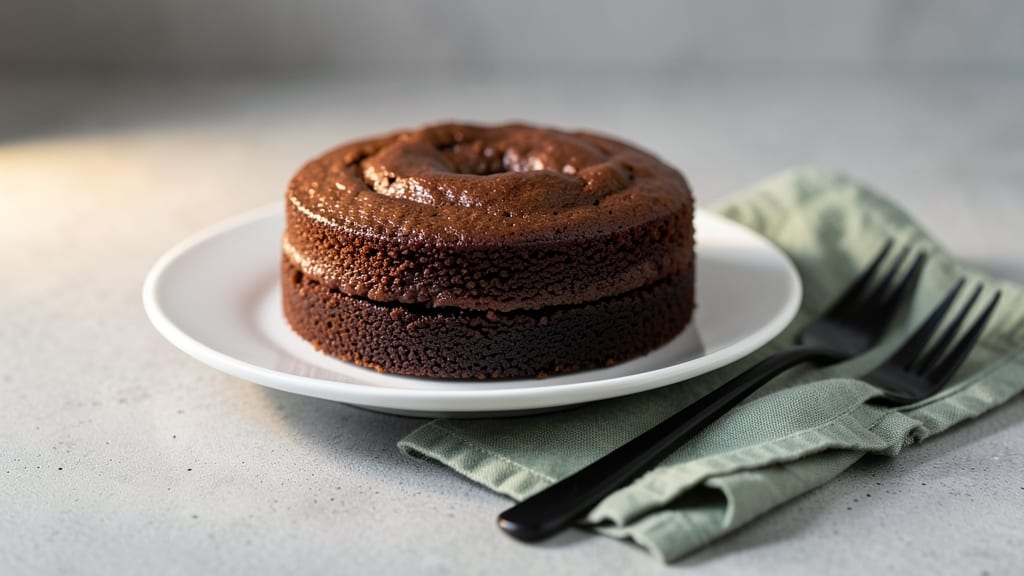
Baker's German chocolate cake recipe from scratch delivers the kind of triple-layered decadence that makes every slice feel like a celebration. The secret lies in perfectly baked layers, a rich German-style chocolate filling, and a velvety frosting studded with crunchy pecan-praline bites that add texture and flavor.
I've refined this recipe over years of baking, ensuring each element comes together flawlessly for restaurant-quality results at home.
This cake requires precise technique—baking times that yield tender yet sturdy layers, a cooling process that prevents crumbling, and careful assembly to maintain structure. The German chocolate filling, made with cocoa, butter, and a touch of coffee for depth, binds the layers together while keeping them moist.
Every step matters, from measuring ingredients accurately to folding the frosting just enough to maintain its airiness.
What you'll end up with is a showstopping cake that's rich, moist, and perfectly balanced between sweet and nutty flavors. The pecan-praline bites add a satisfying crunch that contrasts beautifully with the soft cake and smooth frosting.
This isn't just dessert—it's a centerpiece worthy of any special occasion, whether it's a birthday, holiday gathering, or simply a reason to indulge.
The beauty of this recipe is its versatility—you can bake it ahead, layer it with confidence, and serve it with pride. Each slice reveals layers of texture and flavor that make it worth every effort. Let's get started on creating your own masterpiece.
Ingredients for baker's german chocolate cake recipe from scratch
Precision-baked layers, rich German chocolate filling, and velvety frosting with crunchy pecan-praline bites await.
| Ingredient | Amount | Notes |
|---|---|---|
| All-Purpose Flour 🌾 | 3 ½ cups | Sifted for optimal aeration |
| Unsalted Butter 🧈 | 2 cups | Cold, cut into cubes |
| Granulated Sugar 🍚 | 2 ½ cups | Superfine preferred for smoothness |
| Dark Brown Sugar 🍚 | ½ cup | Packed, for moisture |
| Natural Cocoa Powder 🍫 | ½ cup | Dutch-processed for richness |
| Baking Powder 🍞 | 2 tsp | Aluminum-free for stability |
| Salt 🧂 | ½ tsp | Fine sea salt preferred |
| Instant Espresso Powder ☕ | 1 tsp | Enhances chocolate depth |
| Vanilla Extract 🌸 | 2 tsp | Pure Madagascar preferred |
| Large Eggs 🥚 | 4 whole | Room temperature for blending |
| Whole Milk 🥛 | 1 cup | Full-fat for moisture |
| Pecans 🥜 | 2 cups | Chopped, toasted for flavor |
| Praline Bits 🍬 | 1 ½ cups | Store-bought or homemade |
| Semisweet Chocolate Chips 🍫 | 1 ½ cups | High-quality for filling |
| Heavy Whipping Cream 🥛 | 1 ½ cups | Cold for frosting |
| Powdered Sugar 🍚 | 4 cups | Sifted for smooth frosting |
The cocoa and espresso powder are non-negotiable for authentic German chocolate flavor. Valrhona or Guittard cocoa powders deliver the deepest chocolate notes, while Starbucks instant espresso ensures that subtle coffee undertone. For pecans, Kirkland Signature or Blue Diamond brands offer consistent quality—avoid pre-chopped nuts, as they oxidize faster. The praline bits can be store-bought (like Ghirardelli) or homemade for a more personalized touch. Butter quality matters too: Plugrá or Land O'Lakes Creamery provide the right fat content for tender layers. Measure your flour by weight if possible—140g per cup—to ensure consistency, though sifting by volume works in a pinch.
No Dutch-processed cocoa? Natural cocoa plus 1/4 tsp baking soda mimics the alkalinity, though the flavor won't be identical. Running short on pecans? Walnuts or macadamias add a different but complementary crunch. For the frosting, European-style butter (like Miyoko's) creates a smoother texture, but standard unsalted butter works fine. The chocolate chips in the filling should be at least 60% cacao—Ghirardelli or Lindt are reliable choices. If you're making this ahead, the cake layers can be baked 2 days in advance and stored at room temperature, wrapped tightly in plastic.
The cake layers must cool completely before assembly to prevent sogginess—at least 2 hours at room temperature, then refrigerated overnight for best results. The German chocolate filling can be made 3 days ahead and stored in the fridge, while the frosting holds for 2 days if kept airtight. For serving, use a serrated knife and dip it in hot water between slices to ensure clean cuts. The pecan-praline bites add texture contrast, so don't skip them—even if you're short, a handful of chopped toasted almonds can stand in. The cake freezes beautifully for up to 3 months if wrapped tightly in plastic wrap and foil.
Why You'll Love This Recipe
- Here’s what sold me: I already had every single ingredient. No specialty items, no last-minute grocery runs. The flour, butter, and sugars are all things I use weekly, and the cocoa powder? That’s the same one I reach for for brownies. It’s the kind of recipe that doesn’t break the bank or the fridge.
- No Mixer Needed: I swear by this recipe because it’s one of those rare cakes that doesn’t demand a stand mixer—just a bowl and a whisk. Creaming butter, brown sugar, and eggs by hand gives that rich, velvety texture, and the cocoa powder dissolves smoothly without clumping. Honestly, it’s the kind of recipe that makes baking feel effortless, even when I’m in a hurry.
- Rich Without Tasting Heavy: Between the dark brown sugar’s caramel depth and that natural cocoa powder, this cake delivers serious German chocolate flavor—moist but not dense, with just enough butter to keep it luscious. The contrast of the sugar’s sweetness and the cocoa’s bitterness? It’s like a hug in dessert form, but without the guilt.
- Weeknight Leftovers Win: I make this on Sundays and it’s still the star of my breakfast or snack by Wednesday. The layers stay tender (no dry crumbs here), and the frosting—when you add it—keeps beautifully. Between us, it’s my go-to for when I need something impressive but don’t want to bake twice.
Step-by-step instructions for baker's German chocolate cake
Precision and patience yield a triple-layered masterpiece with rich chocolate depth and nutty crunch.
Prepare the Cake Layers and Pecan-Praline Filling
Preheat oven to 350°F. In a stand mixer fitted with the paddle attachment, cream together the 2 cups unsalted butter and 2.5 cups granulated sugar on medium speed for 5-7 minutes until light and fluffy, scraping down the bowl as needed. This step ensures proper aeration for tender layers.
In a separate bowl, whisk together the 3.5 cups all-purpose flour, 0.5 cup natural cocoa powder, 2 tsp baking powder, 0.5 tsp salt, 1 tsp instant espresso powder, and 2 tsp vanilla extract. With the mixer on low speed, gradually add the dry ingredients to the butter mixture, alternating with the 1 cup whole milk in 3 additions, beginning and ending with flour. Mix until just combined.
Divide the batter evenly among three 9-inch round cake pans lined with parchment paper. For the filling, combine 2 cups chopped pecans, 1.5 cups praline bits, and 1.5 cups semisweet chocolate chips in a bowl and set aside. Bake the cake layers for 25-30 minutes, or until a toothpick inserted into the center comes out clean. Allow layers to cool in pans for 10 minutes before transferring to a wire rack to cool completely.
Assemble the Cake with Pecan-Praline Filling
Once the cake layers are completely cool, level the tops if necessary using a serrated knife. Place the first layer on a serving plate and spread a generous layer of the pecan-praline mixture evenly over the top. Repeat with the remaining two layers, ensuring each layer is fully covered with filling.
Here's the thing—don't rush this step. The filling should be thick enough to hold the layers together but not so thick that it oozes out the sides. If the mixture seems too dry, you can lightly toast the pecans and praline bits in a dry skillet for 2-3 minutes to enhance their flavor and moisture content before assembling.
Prepare and Apply the Chocolate Frosting
In a medium saucepan, combine 1.5 cups heavy whipping cream and 0.5 cup dark brown sugar. Bring to a gentle simmer over medium heat, stirring occasionally, until the sugar dissolves completely. Remove from heat and let the mixture cool to room temperature.
In a separate bowl, beat the 4 whole large eggs until they are well combined. Gradually pour the warm cream mixture into the eggs while whisking constantly to temper them. Return the mixture to the saucepan and cook over low heat, stirring constantly with a wooden spoon, until it thickens enough to coat the back of the spoon—this should take about 5-7 minutes. Remove from heat and stir in the 4 cups powdered sugar until smooth and fully incorporated. Allow the frosting to cool to room temperature before using.
Frost the Cake and Garnish
Spread a thin layer of the chocolate frosting over the top and sides of the cake to create a smooth base. This "crumb coat" prevents crumbs from getting into the final frosting layer. Chill the cake in the refrigerator for 15 minutes to set the crumb coat.
Once set, apply the remaining frosting evenly over the cake, creating smooth sides and a slightly domed top. Use a spatula to create decorative swirls or a simple smooth finish, depending on your preference. Garnish the top with additional pecans, praline bits, and chocolate chips for a festive touch. Serve at room temperature for the best texture and flavor.
Pro Tips For Making Baker'S German Chocolate Cake Recipe From Scratch
- Whisk Butter & Sugars First: I learned this the hard way—skipping this step leaves you with a cake that’s dense and gritty. Beat the butter, granulated sugar, and dark brown sugar together until light and fluffy (about 3-5 minutes) before adding anything else. That’s when the butter actually emulsifies with the sugars, not just sits in clumps.
- Sift That Cocoa: Natural cocoa powder is finicky—it clumps like a stubborn teenager. Sift it with the flour and baking powder before mixing, or you’ll end up with pockets of dry cocoa in your batter. (Yes, even if you’re impatient like me.)
- Don’t Overmix the Batter: The second you add the eggs and buttermilk, stop folding after just 15-20 strokes. Overmixing turns German chocolate cake into a tough, chewy brick. The batter should look slightly streaky—uneven is better than overworked.
- Test for Doneness at 150°F: This cake’s magic happens at a lower internal temp—pull it when the center hits 150°F, not 160°F like most cakes. If you wait too long, it’ll dry out before the filling sets. (Your future self will thank you.)
Storing and reheating this recipe
Room-Temp Storage
This cake shines when served at room temperature—the frosting softens slightly, and the flavors meld beautifully. I recommend bringing it out of the fridge 1-2 hours before serving to let the layers warm gently. The pecan-praline filling stays moist without becoming soggy, while the frosting maintains its velvety texture.
For short-term storage, keep it covered at 68°F or below for up to 2 days—just avoid temperature fluctuations that can cause condensation. 🌡️
Fridge Preservation
If you're prepping ahead, refrigerate the fully assembled cake in an airtight container (I use a Rubbermaid Simply Stored container) for up to 5 days. The cold helps preserve moisture in the cake layers, though the frosting may firm up slightly.
Let it sit at room temperature for 30-45 minutes before slicing to restore the ideal texture. For extra protection, wrap the cake tightly in plastic wrap before placing it in the container to prevent drying.
Freezer-Friendly Method
This cake freezes beautifully for up to 3 months—perfect for holiday prep! Wrap each layer individually in plastic wrap, then place the assembled cake in a freezer bag with all air removed. Label with the date and freeze.
When ready to serve, thaw overnight in the fridge before bringing to room temperature. The frosting may develop a slight graininess after freezing, but rewhipping it briefly with a hand mixer restores its smoothness. 🧊
Reheating Slices
Individual slices can be gently warmed in the microwave for 10-15 seconds on 50% power to soften the frosting slightly. For a more even heat, place slices on a microwave-safe plate and cover loosely with a damp paper towel.
Alternatively, warm in a 200°F oven for 5-7 minutes to gently reheat without drying the cake. The pecan-praline filling stays intact with either method, preserving that perfect crunch.
Layered Storage Hack
For maximum freshness, store the cake layers and filling separately before final assembly. Keep the baked layers wrapped in plastic in the fridge, and prepare the filling fresh when ready to assemble. This method prevents sogginess and lets you customize the filling with additional nuts or chocolate if desired.
The frosting can also be made 2 days ahead and stored in the fridge—just rewhip it briefly before using to restore its airiness. This approach gives you flexibility for last-minute celebrations. ✨
Nutrition facts
Frequently asked questions
Why does this German chocolate cake need three layers?
The triple-layered structure creates the signature height and elegance of a showstopping cake. Each layer is thin enough to stay tender but sturdy enough to support the filling and frosting without collapsing. The pecan-praline filling between layers adds moisture and texture contrast, while the frosting on top and sides creates a seamless, professional finish.
Can I substitute pecans with another nut?
Yes, but expect a different flavor profile. Walnuts or macadamias work best for a similar crunch, though they lack the buttery sweetness of pecans. For a chocolateier taste, try toasted almonds or hazelnuts. Just toast them first to enhance their flavor—this step is crucial for any nut substitution.
How do I fix cracked cake layers?
Cracks typically form when the cake bakes too long or the oven temperature fluctuates. If you notice cracks while baking, rotate the pans immediately. For minor cracks, simply fill them with extra frosting during assembly. For severe cracks, level the tops more aggressively with a serrated knife before adding filling. The frosting will help disguise any imperfections.
Is the espresso powder really necessary?
The 1 tsp instant espresso powder deepens the chocolate flavor and adds a subtle coffee note that's traditional in German chocolate cakes. If you're sensitive to caffeine, use decaf espresso powder. For a caffeine-free alternative, try 1/2 tsp instant coffee granules—it won't be identical but still improves the chocolate depth.
Can I make this cake without a stand mixer?
Yes, but you'll need to be extra diligent. Cream the butter and sugar by hand for 8-10 minutes using a sturdy wooden spoon or whisk, scraping the bowl frequently. For the frosting, use a hand mixer to beat the eggs and whip the cream mixture. The key is patience—just mix longer than usual to achieve the same level of aeration.