
Desserts
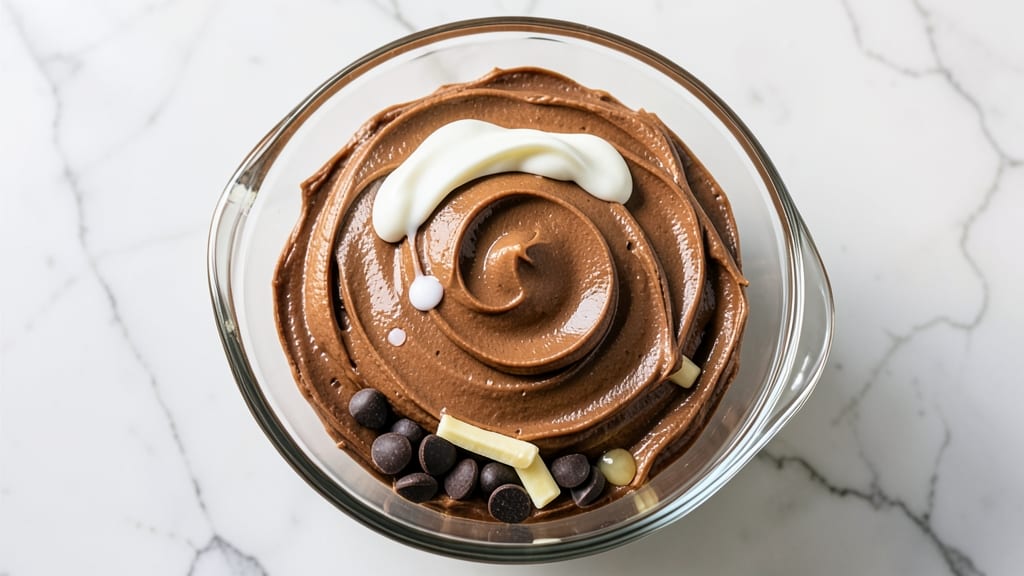
This Wilton chocolate buttercream recipe is your secret to velvety smoothness, pipeable perfection, and zero separation—no small feat for home bakers. This recipe delivers a foolproof method using the Swiss technique, where melted chocolate and butter create a stable base that resists graininess while maintaining that signature rich, chocolatey flavor.
The key lies in precise temperatures and gradual incorporation of powdered sugar.
What sets this buttercream apart is its velvety texture that stays smooth for hours, thanks to the Swiss method's emulsification process. You'll need just six ingredients—high-quality chocolate, butter, powdered sugar, vanilla extract, and a touch of alcohol (like rum or vanilla extract) to enhance flavor and prevent sugar crystallization.
The result is a frosting that's both sturdy enough to pipe decorative borders and light enough to spread effortlessly over cakes.
This buttercream holds its shape beautifully for piping rosettes or writing messages, yet remains tender enough to create smooth, professional finishes. The secret to its longevity is proper storage—keeping it sealed at room temperature for up to 3 days or refrigerated for a week.
For best results, bring it to room temperature before use, and avoid exposure to humidity.
Perfect for layering between cake tiers, filling cupcakes, or decorating cookies, this recipe transforms any dessert into a showstopper. The rich chocolate flavor pairs beautifully with vanilla cakes, carrot cake, or even fruit-based desserts. Let's get started on creating your showpiece frosting.
Ingredients for wilton chocolate buttercream
Six ingredients transform into the ultimate Wilton-style buttercream—smooth, pipeable, and separation-free.
| Ingredient | Amount | Notes |
|---|---|---|
| High-Quality Semi-Sweet Chocolate Chips 🍫 | 12 oz | Wilton brand or Valrhona for premium |
| Unsalted Butter 🧈 | 1 cup | European-style, 82% fat content |
| Powdered Sugar 🍚 | 3 cups | Confectioners' sugar, sifted |
| Pure Vanilla Extract 🌿 | 1 tbsp | Bourbon or Madagascar preferred |
| Light Rum or Vanilla Extract 🍹 | 1 tbsp | Alcohol prevents sugar crystallization |
| Heavy Cream 🥛 | ¼ cup | 35% fat for stability |
The chocolate and butter form the foundation of this buttercream, so quality matters. For chocolate, Wilton brand chips or Valrhona guillet ensure a rich, stable base without bitterness. The butter should be European-style (82% fat content) for optimal emulsification—Plugrá or President brands excel here. Store chocolate in a cool, dry place (not the fridge) to prevent blooming, and keep butter wrapped at room temperature. The powdered sugar should be sifted to avoid graininess, and Domino brand is consistently reliable for baking applications.
No rum? Additional vanilla extract or brandy works equally well to prevent sugar crystallization. Short on butter? Substitute with equal parts shortening, though texture will differ slightly. For a lighter consistency, replace up to half the heavy cream with whipped cream, but be prepared for slightly less stability when piping. The vanilla extract should be pure, not imitation—McCormick or Nielsen-Massey are trusted brands. If you prefer a darker chocolate flavor, swap semi-sweet for dark chocolate (60% cocoa), but reduce the amount to 10 oz to maintain balance.
This buttercream maintains its velvety texture for 3 days at room temperature when sealed in an airtight container. For longer storage, refrigerate for up to 1 week, but bring to room temperature before use to achieve optimal pipeability. To refresh, simply whip with a hand mixer for 1-2 minutes. Avoid exposure to humidity, which can cause the powdered sugar to clump. Portion into small containers for easy access—perfect for layering between cake tiers or filling cupcakes without mess.
Why You'll Love This Recipe
- No Stand Mixer Needed: I’ve made this buttercream with just a hand mixer—no fancy tools, just a bowl and elbow grease. The chocolate melts into the butter so smoothly, you’ll wonder why you ever feared making frosting from scratch.
- Rich Without Overpowering: That first bite of velvety chocolate? It’s there, but the vanilla and rum (or extra extract) keep it balanced. Honestly, it’s the kind of frosting that tastes like a hug—deep but never cloying.
- Birthday Cake Hero: Slather it on cupcakes for a crowd, pipe it into a sheet cake for a celebration, or even dollop it over brownies for a lazy Sunday. The texture stays perfect whether you’re decorating or just eating straight from the bowl.
- Budget-Friendly Luxury: High-quality chocolate chips and butter make it taste like a bakery, but you’re not breaking the bank. A batch feeds a dozen cupcakes, and leftovers? They keep for days in the fridge—no waste, all flavor.
Step-by-step instructions for Wilton chocolate buttercream
A professional method for silky, pipeable buttercream that stays stable and doesn't separate.
Melt the Chocolate and Butter Together
In a medium heatproof bowl set over a saucepan of simmering water, combine the 12 oz high-quality semi-sweet chocolate chips and 1 cup unsalted butter. Stir gently with a silicone spatula until both are completely melted and smooth, creating a glossy chocolate mixture. Remove from heat immediately to prevent overheating, which can cause the butter to separate later.
Here's the thing—this double-melting technique ensures even distribution of fat throughout the buttercream. If you melt them separately, you risk uneven texture. Let the mixture cool slightly until it reaches 110°F (about 5 minutes), then proceed to the next step. You'll know it's ready when you can touch the bowl without burning your fingers but it's still warm to the touch.
Whisk in Powdered Sugar Gradually
Add the 3 cups powdered sugar to the chocolate mixture in three equal portions, whisking vigorously between each addition. This gradual approach prevents sugar clumping and creates a smooth, lump-free base. Use a stand mixer fitted with the whisk attachment for 3-4 minutes on medium speed until the mixture is completely incorporated and lightened in color.
I've found that sifting the powdered sugar beforehand eliminates any potential clumps, but even without sifting, whisking thoroughly at this stage guarantees a velvety texture. The buttercream should now have a thick, spreadable consistency—similar to toothpaste in thickness. If it's too stiff, we'll adjust it in the next step.
Incorporate the Heavy Cream and Flavoring
With the mixer running on low speed, slowly pour in the 0.25 cup heavy cream while simultaneously adding the 1 tbsp pure vanilla extract and 1 tbsp light rum or vanilla extract. This combination of alcohol and cream prevents sugar crystallization and adds depth of flavor. Mix for an additional 2-3 minutes until fully combined and completely smooth.
At this stage, the buttercream should be perfectly pipeable—thick enough to hold its shape when piped but still light enough to spread smoothly. If it's too thick, add 1 tablespoon of heavy cream at a time until it reaches the ideal consistency. For testing, pipe a small rosette onto parchment paper—it should hold its shape without collapsing.
Chill and Final Adjustments
Transfer the buttercream to a clean mixing bowl and cover it with plastic wrap, pressing the wrap directly onto the surface to eliminate any air bubbles. Refrigerate for 30-60 minutes to allow the flavors to meld and the texture to stabilize. This chilling step is crucial—it prevents the buttercream from becoming too soft in warm temperatures.
After chilling, give the buttercream one final whisk with the stand mixer for 1-2 minutes to restore its smooth consistency. If it's too thick after chilling, add 1 teaspoon of heavy cream at a time until it reaches the perfect pipeable texture. The final product should be glossy, velvety, and hold its shape when piped onto cakes or cupcakes, without any signs of separation or graininess.
Pipe and Use Immediately
Use the buttercream immediately after final adjustments while it's still at room temperature for the best results. Pipe it onto cakes, cupcakes, or cookies using a piping bag fitted with your desired tip. The buttercream should come out smoothly without breaking or clogging the tip, creating clean, professional-looking decorations.
For best results, store any leftovers in an airtight container in the refrigerator for up to 5 days. To reuse, let it sit at room temperature for 10-15 minutes before re-whisking to restore its smooth consistency. This buttercream holds its shape beautifully, making it ideal for intricate piping designs that will impress even the most discerning bakers.
Pro Tips For Making Wilton Chocolate Buttercream
- Melt Chocolate Slowly: Dump those chocolate chips straight into simmering milk or cream, and you’ll end up with grainy buttercream. Instead, melt them gently—either in a double boiler or microwave in 20-second bursts—until smooth. Stir constantly, and you’ll avoid seizing chocolate that turns your frosting into a textured mess.
- Soften Butter Properly: Cold butter from the fridge? Skip the microwave—it burns. Instead, let it sit at room temperature for 2-3 hours (or overnight in the fridge) until it’s soft but still holds its shape. This keeps your buttercream light and fluffy, not greasy or separated.
- Sift That Powdered Sugar: Lumps in powdered sugar mean lumps in your buttercream. Sift it through a fine-mesh sieve before mixing, and you’ll avoid that gritty texture that ruins the smoothness. Trust me, your piping bags will thank you.
- Add Rum Last: Mixing rum into the warm chocolate? It’ll cook off before you finish. Wait until the buttercream is fully cooled and smooth, then stir in just 1 teaspoon—enough to taste without overpowering. (Yes, even if the recipe says more.)
Regional styles of these flavors
Classic American Style
This buttercream became iconic in American baking thanks to its simplicity and versatility. It's the go-to for classic red velvet cakes and chocolate layer cakes, where its rich chocolate flavor pairs perfectly with tangy fillings.
I often use this version for birthday cakes because it's sturdy enough to pipe rosettes and borders that stay crisp for hours. The key is using high-quality American chocolate chips like Wilton brand—they melt smoothly and provide that signature velvety texture. 🍰
British Royal Touch
British bakers elevate this buttercream by adding a touch of orange zest (about 1 teaspoon) and replacing half the vanilla with Grand Marnier (1 tablespoon). This variation is perfect for Victoria sponge cakes or elegant tiered desserts.
The alcohol helps stabilize the frosting while adding a sophisticated citrus note. I've found that British buttercream holds its shape exceptionally well when piped, making it ideal for intricate floral designs on wedding cakes. 👑
French Éclair Twist
For French-inspired desserts like éclairs or macarons, French bakers often replace the vanilla with almond extract (½ teaspoon) and add a splash of orange flower water (½ teaspoon). This lighter, more aromatic version pairs beautifully with delicate pastries.
The texture remains pipeable but has a slightly lighter body, perfect for filling choux pastry. I recommend using Valrhona chocolate for a more refined flavor profile that complements French patisserie traditions. 🥐
German Schokoladenkuchen Adaptation
In Germany, this buttercream is often used for Schokoladenkuchen, where it's enriched with peanut butter (¼ cup) and a hint of cinnamon (½ teaspoon). The peanut butter adds a nutty depth that balances the chocolate perfectly.
German bakers also tend to use slightly less powdered sugar (2½ cups) for a denser frosting that's ideal for spreading thickly on layer cakes. The result is a rich, almost fudge-like texture that's perfect for hearty German desserts. 🍫
Australian Summer Version
Australian bakers love this buttercream for its ability to stay stable in warm climates. They often add condensed milk (2 tablespoons) to enhance sweetness and improve moisture retention. This variation is perfect for fairy bread or lamington cakes, where the frosting needs to hold up in humid conditions.
I've found that Australian buttercream has a slightly softer texture, making it ideal for spreading rather than piping in extreme heat. 🌞
Japanese Matcha Fusion
For a modern twist, Japanese bakers sometimes replace half the chocolate with matcha powder (2 tablespoons) and add white chocolate for contrast. This fusion creates a vibrant green buttercream perfect for matcha cakes or macarons.
The matcha adds an earthy depth that pairs beautifully with the chocolate's richness. Japanese versions often use less powdered sugar (2½ cups) for a smoother, more spreadable consistency that's popular in contemporary Japanese patisserie. 🍵
Nutrition facts
Frequently asked questions
Why does my chocolate buttercream separate?
Separation usually happens when buttercream gets too warm or ingredients aren't properly emulsified. The Swiss method in this recipe prevents this by melting chocolate and butter together first, then gradually incorporating powdered sugar. Always chill the buttercream for 30-60 minutes before using to maintain stability. If separation occurs, simply re-whisk with a hand mixer until smooth again.
Can I make this buttercream without a stand mixer?
While a stand mixer makes it easier, you can achieve great results with a hand mixer or even a whisk. Just be prepared to put in extra elbow grease when incorporating the powdered sugar. Work in small batches and whisk vigorously for 5-7 minutes until fully combined and smooth. The key is patience—don't rush the process.
How do I adjust the consistency for piping vs. spreading?
For piping decorative borders or rosettes, aim for a thick, toothpaste-like consistency. If too stiff, add 1 teaspoon of heavy cream at a time. For spreading between cake layers, make it slightly thinner by adding 1-2 tablespoons of heavy cream until it flows smoothly. Test by piping a small rosette—if it holds shape, it's ready!
What's the best way to store leftover buttercream?
Store in an airtight container in the refrigerator for up to 5 days. For longer storage, freeze for 1 month (wrap tightly to prevent freezer burn). To use, let it sit at room temperature for 10-15 minutes before re-whipping. The alcohol in the recipe helps preserve freshness, but avoid exposing it to humidity, which can cause clumping.
Can I use white chocolate instead of semi-sweet?
Yes, but reduce the amount to 10 oz to maintain balance. White chocolate has less cocoa solids, so it won't be as rich. For best results, use high-quality white chocolate (like Wilton brand) and add ½ teaspoon vanilla bean paste for extra flavor depth. The texture will remain smooth, but the color and taste will be noticeably different.