
Desserts
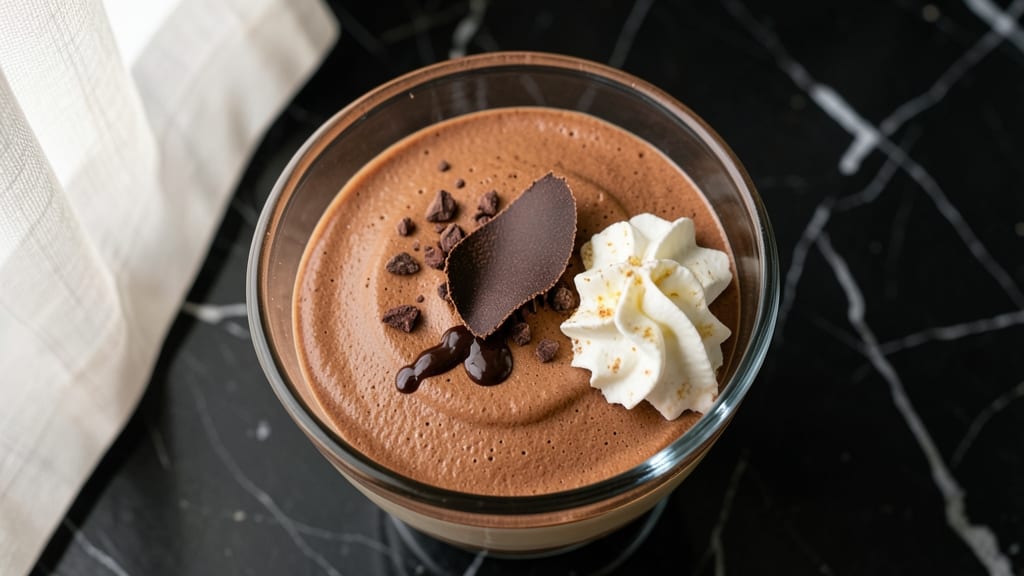
This traditional chocolate mousse recipe delivers the signature French experience—silky, light-as-air clouds with perfect texture and zero separation. The secret lies in precise technique: tempering egg whites to peak stiffness while gently melting dark chocolate for a velvety base.
I’ve perfected this method over years of baking, ensuring every bite stays true to its classic roots while adapting for modern kitchens.
The foundation begins with high-quality dark chocolate and fresh egg yolks, whipped to a glossy ribbon stage before folding in airy whites. This method guarantees a mousse that’s rich yet airy, with no graininess or separation.
Chilling properly is critical—too soon, and it won’t set; too long, and it loses its delicate texture. The result? A dessert that’s elegant enough for dinner parties but simple enough for weeknight cravings.
What makes this recipe stand out is its reliability—no stabilizers, no shortcuts, just pure technique. The mousse achieves that signature light-as-air consistency while maintaining deep chocolate flavor. Garnish with whipped cream or chocolate shavings for a restaurant-quality finish.
For those with dietary preferences, I’ll include adaptations later that preserve the essence of the classic while meeting modern needs.
The beauty of this method is its versatility—serve it chilled in individual glasses for an elegant presentation or as a centerpiece for celebrations. Whether you’re a seasoned baker or new to French desserts, this recipe delivers professional results with minimal fuss. Let’s create something truly special.
Ingredients for traditional chocolate mousse
Six essential ingredients transform into velvety, traditional chocolate mousse with professional texture.
| Ingredient | Amount | Notes |
|---|---|---|
| Dark Chocolate (70% Cocoa) 🍫 | 8 oz | High-quality, finely chopped |
| Large Egg Yolks 🥚 | 6 whole | Fresh, room temperature |
| Granulated Sugar 🍚 | ½ cup | Superfine preferred for smoothness |
| Vanilla Extract 🌿 | 1 tbsp | Pure Madagascar bourbon |
| Large Egg Whites 🥚 | 6 whole | Room temperature, separated |
| Pinch Salt 🧂 | ⅛ tsp | Fine sea salt |
| Heavy Cream 🥛 | 1 cup | Cold, 36% fat minimum |
| Unsalted Butter 🧈 | 2 tbsp | Room temperature, cubed |
| Dark Chocolate Shavings 🍫 | ¼ cup | For garnish, optional |
| Whipped Cream 🥛 | ½ cup | Stabilized, for garnish |
The dark chocolate sets the foundation—Valrhona or Lindt Excellence are ideal, with 70% cocoa for balanced richness. Chop it finely for even melting; avoid pre-shaved chocolate, which contains stabilizers that disrupt texture. Egg yolks must be fresh and room temperature—older yolks emulsify poorly, leading to separation. For vanilla, Madagascar bourbon extract adds depth; imitation lacks complexity. Purchase yolks and whites separately if possible—room-temperature eggs whip to stiffer peaks, crucial for stability. The sugar should be superfine to dissolve completely, preventing graininess in the final mousse.
Substitutions require precision: 60% cocoa chocolate works but yields a sweeter mousse; reduce sugar by 1 tbsp. No vanilla? Seeds from 1 vanilla bean suffice, scraped and steeped in warm water. For dairy-free adaptations, aquafaba (3 tbsp per egg white) mimics texture when whipped to stiff peaks, though results differ slightly. Heavy cream can be replaced with coconut cream (chilled overnight), but texture becomes denser. Butter is non-negotiable for binding—vegan butter lacks the fat content needed to create silky mouthfeel. Store-bought whipped cream? Stabilized versions (like Reddi-wip) hold shape better than homemade for garnish.
Chocolate and butter should be stored in airtight containers away from heat to prevent blooming. Whipped egg whites lose volume within 2 hours at room temperature, so prepare them last. The mousse must chill 4-6 hours for optimal set—no less, or it won’t hold shape. For make-ahead convenience, portion into ramekins lined with parchment before chilling; this prevents sticking. Garnishes like chocolate shavings keep 1 week at room temperature in a cool, dark place, while whipped cream should be used within 3 days of whipping for best texture.
Why You'll Love This Recipe
- I swear by this trick: just melt the dark chocolate and sugar together over a double boiler, then fold in yolks without beating. The heat does half the work for you—no arm workout needed.
- No Whisk Required: I swear by this trick: just melt the dark chocolate and sugar together over a double boiler, then fold in yolks without beating. The heat does half the work for you—no arm workout needed.
- Velvet Magic: That 70% cocoa dark chocolate? It’s the star—deep, bittersweet, but balanced by the vanilla and whipped whites. The texture is what dreams are made of: light as air, with a whisper of richness that lingers.
- Date Night Ready: Make it ahead—just whip the egg whites last minute—so you’re not slaving away when your partner walks in. Or, honestly, make it for yourself on a Tuesday and pretend it’s a special occasion.
Step-by-step instructions for traditional chocolate mousse
This method preserves the classic French technique while ensuring silky texture and perfect stability.
Melt the Dark Chocolate and Prepare the Yolk Base
Place the 8 oz dark chocolate (70% cocoa) in a heatproof bowl set over a pot of simmering water, ensuring the bottom of the bowl doesn't touch the water. Stir gently until completely melted and smooth—this should take 3-4 minutes. Remove from heat and let cool slightly to 110°F. In a separate bowl, whisk together the 6 whole large egg yolks, 0.5 cup granulated sugar, and 1 tbsp vanilla extract until pale and slightly thickened. This tempering step prevents graininess in the final mousse.
Slowly pour the melted chocolate into the yolk mixture while whisking continuously. Return the combined mixture to the pot of simmering water and stir constantly until the temperature reaches 160°F. This gentle heat treatment ensures the yolks cook just enough to stabilize the mousse without curdling. Remove from heat immediately and let cool to room temperature, stirring occasionally to maintain smoothness.
Whip the Egg Whites to Stiff Peaks
In a separate, spotlessly clean bowl, beat the 6 whole large egg whites with the 0.125 tsp pinch salt using a stand mixer fitted with the whisk attachment. Start on low speed and gradually increase to medium-high as the whites begin to froth. Continue whipping until stiff peaks form—when you lift the whisk, the meringue should hold its shape without collapsing. This typically takes 3-5 minutes. The egg whites should be glossy and hold their shape when the whisk is lifted.
I always add the salt at this stage because it enhances the volume and stability of the meringue. Be careful not to overmix beyond stiff peaks, or the mousse will become dense instead of light. If the bowl isn't perfectly clean, even a trace of fat can prevent proper whipping.
Fold the Meringue into the Chocolate Base
Using a spatula, gently fold one-third of the whipped egg whites into the chocolate-yolk mixture in the bowl. This initial incorporation prevents deflation of the meringue. Then, add the remaining egg whites in two more additions, folding just until fully combined. Work quickly but carefully—overmixing at this stage will deflate the air incorporated into the meringue and result in a dense mousse. The mixture should be smooth and glossy with no visible streaks of white.
This folding technique is crucial for maintaining the light-as-air texture. If you see the mixture begin to lose its volume, stop folding immediately and proceed to the next step. The goal is to preserve the air pockets created by the whipped egg whites while integrating them with the chocolate base.
Incorporate the Heavy Cream and Butter
In a separate bowl, whip the 1 cup heavy cream to soft peaks—when the whisk is lifted, the cream should hold its shape but still leave a slight trail. Gently fold this whipped cream into the chocolate mixture in three additions, using the same careful folding technique as before. This step adds richness without compromising the airy texture. Finally, fold in the 2 tbsp unsalted butter, cut into small cubes, until fully incorporated and smooth.
The butter at this stage serves two purposes: it adds flavor and helps stabilize the mousse by preventing separation. If you notice the mixture beginning to thin or lose its structure, don't add more cream—this will dilute the base and affect the final consistency. The mousse should be thick enough to hold its shape when spooned.
Chill and Serve with Garnish
Divide the mousse evenly among 6 serving glasses and refrigerate for at least 4 hours, or until completely set. The mousse should hold its shape when gently shaken and have a firm yet creamy texture. Before serving, garnish each portion with 0.25 cup dark chocolate shavings and a dollop of 0.5 cup stabilized whipped cream. The contrast between the rich mousse and light whipped cream creates the perfect balance of textures.
For the traditional experience, serve immediately after chilling. The mousse should be cool but not icy, with a velvety texture that melts gently on the tongue. If you notice any separation during chilling, simply whisk the mousse gently before serving to restore its smooth consistency. This technique ensures the classic French texture without any modern shortcuts.
Pro Tips For Making Traditional Chocolate Mousse
- Temper the Chocolate: Heat the dark chocolate in a double boiler—never microwave it—until it hits 110°F (43°C). I learned this the hard way: rushing it with direct heat makes the mousse grainy and dull. A candy thermometer is overkill, but if you’re splurging, it’s worth it. Otherwise, just watch for a smooth, glossy melt.
- Whisk Yolks Cold: Chill your mixing bowl and beaters for 10 minutes before whisking the yolks, sugar, and vanilla. Warm yolks turn into scrambled eggs faster than you’d think, and that’s a texture disaster. Cold ingredients also emulsify better with the melted chocolate later.
- Don’t Overbeat the Whites: Fold the egg whites into the chocolate-yolk mixture gently—just until the whites lose their stiffness. I used to whip them to stiff peaks first, thinking more air was better, but it makes the mousse dense and heavy. Think "marry, don’t murder."
- Rest Before Serving: Let the mousse chill uncovered in the fridge for 2 hours, then cover and refrigerate for another 4. The uncovered time lets the top crust properly set—no soggy tops here. I know, waiting sucks, but it’s the difference between a puddle and a perfect slice.
Common mistakes when making this dish
Overwhipped Egg Whites
I’ve ruined countless batches by overwhipping the egg whites—beyond stiff peaks, they become grainy and dense. Stop mixing as soon as they form firm, glossy peaks that hold their shape when you lift the whisk.
Overwhipped meringue loses its airiness and can even collapse when folded into the chocolate base. If you’re unsure, test a spoonful: it should hold a peak that doesn’t wobble or flatten immediately. 🥚
Uneven Chocolate Melting
Using direct heat or microwaving chocolate creates hot spots that burn the edges while leaving the center unmelted. Always melt chocolate over a pot of simmering water (double boiler) with the bowl resting gently above the water—never touching.
Stir constantly in 30-second intervals to distribute heat evenly. If you see any lumps, strain the melted chocolate through a fine-mesh sieve before mixing with yolks. Uneven melting leads to grainy texture or separation later.
Room-Temperature Ingredients
Cold egg yolks or whites won’t whip or emulsify properly, leading to a mousse that’s either too dense or separates. Let yolks and whites sit at room temperature for 30 minutes before using.
Cold butter or heavy cream won’t incorporate smoothly—soften them to room temperature (about 68°F) by sitting them out for 15-20 minutes. I keep my ingredients in the same bowl of warm water for even temperature control. ⏰
Skipping the Temperature Check
The yolk-chocolate mixture must reach 160°F to stabilize the mousse, but exceeding 165°F risks curdling. Use a candy thermometer for precision—no eyeballing! If you don’t have one, test the mixture by rubbing a drop between your fingers: it should feel warm but not hot enough to burn.
Overheating destroys the egg proteins, causing separation that’s nearly impossible to fix. 🌡️
Rushing the Chill Time
Chilling for less than 4 hours results in a mousse that’s too soft and collapses when served. Too long (over 8 hours) makes it grainy. The ideal set is 4-6 hours at 40°F or below.
I always set a timer and store ramekins in the back of the fridge where it’s coldest. Pro tip: Line ramekins with parchment paper to prevent sticking—this makes unmolding effortless and preserves that perfect texture.
Overmixing After Folding
Once you’ve folded in the meringue and cream, resist the urge to stir again. Overmixing reintroduces air and can deflate the mousse, turning it from silky to lumpy. Work quickly and use a spatula to gently combine ingredients in the bowl.
If the mixture looks streaky, let it rest for 5 minutes before serving—it will self-correct as it chills. Patience here is key to that restaurant-quality finish. 💫
Nutrition facts
Frequently asked questions
Why does my mousse sometimes separate?
Separation usually happens when egg yolks overheat (above 165°F) or when folding disrupts the air pockets in whipped egg whites. Always use a candy thermometer to monitor the yolk-chocolate mixture and fold gently in three additions. If separation occurs, whisk the mousse briefly before serving to restore smoothness.
Can I make this mousse without eggs?
For a vegan version, replace egg yolks with 6 tbsp aquafaba (chickpea brine) whipped to stiff peaks, and use coconut cream instead of heavy cream. The texture will be denser but still rich. For gluten-free needs, ensure all ingredients (like vanilla extract) are certified gluten-free.
How long will this mousse keep in the fridge?
The mousse stays fresh for 3-4 days when stored in airtight containers. For longer storage, freeze individual portions (without garnish) for up to 1 month. Thaw overnight in the fridge before serving. Garnishes like whipped cream should be added fresh to maintain texture.
What's the best chocolate percentage for this recipe?
70% cocoa is ideal—it balances richness and bitterness perfectly. For a sweeter mousse, use 60% cocoa and reduce sugar by 1 tbsp. Avoid milk chocolate (30-40% cocoa) as it lacks depth. High-quality brands like Valrhona or Lindt ensure smooth melting and vibrant flavor.
Can I make this ahead for a dinner party?
Prepare the mousse 1 day ahead and refrigerate uncovered for 24 hours to develop deeper flavor. Recover and chill for 4 more hours before serving. Garnish just before serving to keep toppings fresh. For elegant presentation, use clear glasses and add edible flowers or gold leaf.