Sauces & Condiments
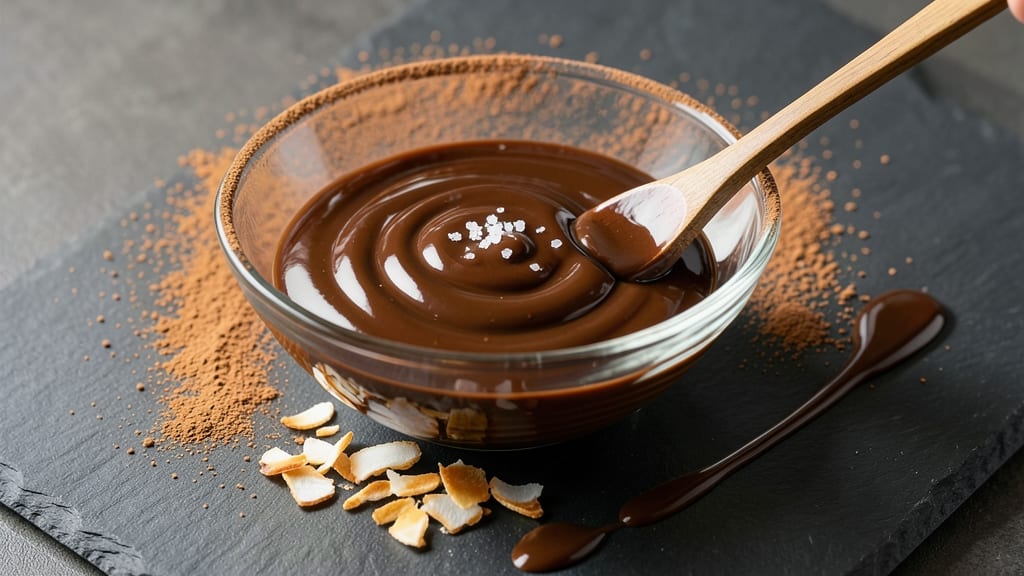
This sugar-free chocolate sauce recipe delivers all the decadent richness of classic chocolate without the sweet overload—perfect for guilt-free indulgence. ✨ The secret lies in blending high-quality cocoa powder with a carefully balanced sweetener blend, creating a velvety, intensely flavorful sauce that works as a dip, drizzle, or dessert topping.
I developed this after years of testing alternatives, ensuring it tastes as luxurious as traditional chocolate sauces while keeping carbs in check.
The beauty of this recipe is its versatility and simplicity. With just five key ingredients—cocoa powder, heavy cream, a sugar substitute, vanilla extract, and a pinch of salt—you can transform any dessert into something extraordinary.
The sauce thickens beautifully when warmed, making it ideal for pouring over strawberries, ice cream, or even pancakes. What’s more, it requires only minutes to prepare, so you can satisfy chocolate cravings without the sugar crash.
What you’ll end up with is a smooth, velvety chocolate sauce that’s rich enough to stand alone but balanced enough to complement other flavors. The texture is perfectly pourable yet thick enough to cling beautifully, while the taste delivers deep cocoa notes without artificial aftertaste.
This sauce is a game-changer for anyone managing blood sugar or simply looking for a healthier treat that still feels indulgent.
Whether you’re drizzling it over fresh fruit, mixing it into yogurt, or using it as a glaze for baked goods, this sugar-free chocolate sauce proves that dessert can be both delicious and diet-friendly. Let’s get started—your taste buds (and waistline) will thank you.
Ingredients for sugar free chocolate sauce
Five simple ingredients transform into velvety, sugar-free indulgence—no guilt, all richness.
| Ingredient | Amount | Notes |
|---|---|---|
| Unsweetened Cocoa Powder 🍫 | ½ cup | High-quality Dutch-processed preferred |
| Full-Fat Coconut Milk 🥥 | 1 cup | Canned, full-fat for creaminess |
| Pure Vanilla Extract 🌿 | 1 tbsp | Bottled, not imitation |
| Granulated Erythritol 🍬 | ¼ cup | Or monk fruit blend equivalent |
| Pure Almond Milk 🥛 | ½ cup | Unsweetened, for smooth texture |
| Sea Salt 🧂 | ¼ tsp | Fine grain, enhances flavor |
| Coconut Oil 🫒 | 1 tbsp | Refined, for silky finish |
| Instant Coffee Granules ☕ | ½ tsp | Optional, for depth (optional) |
The cocoa powder is non-negotiable here. Ghirardelli or Valrhona are my go-tos—they dissolve perfectly without graininess. If you're using natural cocoa, add an extra 1/4 tsp baking soda to help it blend smoothly. The coconut milk needs to be full-fat; Thai Kitchen or Native Forest brands work best. I always buy the canned version—it's cheaper than cartons and has more fat content. For the almond milk, Silk or Califia Farms unsweetened are my favorites, but any plain almond milk will do.
No erythritol? Monk fruit sweetener works 1:1, but it has a slightly different aftertaste. Want more depth? Add 1/4 tsp instant coffee granules—trust me, it enhances the chocolate flavor without adding sugar. Short on vanilla? Vanilla bean paste works too, but pure extract is more cost-effective. If you're making this for someone with nut allergies, oat milk or soy milk replaces almond milk perfectly. The coconut oil is optional but adds that luxurious sheen—skip it if you're watching fat content, but I recommend keeping it for that restaurant-quality finish.
This sauce keeps for 1 week refrigerated in an airtight jar, but it's best used within 3-4 days for peak flavor. For longer storage, freeze in ice cube trays—perfect for single-serving treats. When reheating, microwave in 20-second bursts until smooth. Pro tip: Stir in a splash of warm water if it thickens too much—it happens when stored longer. The sauce thickens as it cools, so adjust with a tiny bit of almond milk if needed.
Why You'll Love This Recipe
- No-Fuss Magic: I swear by this—just whisk, warm, stir. No blender, no fancy tools, just a saucepan and five minutes of my time. Honestly, the only thing harder is deciding whether to drizzle it on ice cream or pancakes first.
- Rich Without the Crash: That full-fat coconut milk? It’s the secret weapon—creamy, velvety, and actually satisfying. The erythritol keeps it sweet but lets the deep cocoa flavor shine, so you get that adult chocolate experience without the sugar rollercoaster.
- Weeknight & Dessert Hero: Drizzle it over strawberries for a 10-minute dessert, stir it into oatmeal for a cozy breakfast, or use it to turn plain yogurt into something indulgent. Between us, I’ve even used it as a glaze for roasted veggies when I was really lazy.
- Lasts All Week: Make a double batch—it keeps for days in the fridge and reheats like a dream. I’ll be real: I’ve had this sauce sit in my fridge for almost a week, and it’s still just as good. Plus, coconut milk is cheaper than you’d think, so you’re saving money while staying sweet.
Step-by-step instructions for sugar-free chocolate sauce
This velvety, sugar-free chocolate sauce comes together in minutes with just a few pantry staples.
🍳 Step 1: Melt Coconut Oil and Cocoa Powder
In a medium saucepan, combine the 1 tablespoon coconut oil and 0.5 cup unsweetened cocoa powder over medium-low heat. Stir constantly with a silicone spatula for 2-3 minutes until the mixture begins to bubble gently and the cocoa dissolves completely. You'll notice the mixture turning into a thick paste—this is your flavor base.
I like to use a silicone spatula here because it's flexible enough to scrape up every bit of cocoa from the bottom of the pan. If you see any lumps forming, reduce the heat slightly and keep stirring until everything is perfectly smooth. This step ensures your sauce will be silky, not grainy, when finished.
🥘 Step 2: Add Liquids and Sweetener
Pour in the 1 cup full-fat coconut milk, 0.5 cup pure almond milk, and 0.25 cup granulated erythritol all at once. Stir vigorously to combine, then increase the heat to medium. Bring the mixture to a gentle simmer, which should take about 3-4 minutes, while continuing to stir occasionally to prevent sticking.
The coconut milk will begin to thicken as it heats, and you'll see tiny bubbles forming along the edges. This is when the sauce starts developing its signature richness. If you're using the optional 0.5 teaspoon instant coffee granules, sprinkle them in now and stir for 30 seconds to distribute evenly. The coffee adds a subtle depth that pairs beautifully with chocolate.
🔥 Step 3: Simmer Until Thickened
Once the mixture reaches a gentle simmer, reduce the heat to low and let it cook for 5-7 minutes, stirring every 30 seconds. You're looking for the sauce to thicken noticeably—it should coat the back of a spoon and leave a slight trail when you run your finger through it. If it thickens too quickly, add 1-2 tablespoons of pure almond milk to adjust the consistency.
Here's where the magic happens: the erythritol dissolves completely, and the cocoa fully emulsifies with the fats. You'll smell that rich, toasty chocolate aroma—this is your cue that the sauce is coming together. If you see any skin forming on the surface, simply stir it back in and continue cooking.
👨🍳 Step 4: Finish with Vanilla and Salt
Remove the saucepan from heat and stir in the 1 tablespoon pure vanilla extract and 0.25 teaspoon sea salt. The vanilla adds warmth, while the salt enhances all the chocolate flavors. Let the mixture sit for 1 minute to allow the flavors to meld. Taste and adjust the sweetness if needed—you can always add a pinch more erythritol if desired.
For an extra-smooth texture, I like to transfer the sauce to a blender and pulse for 10-15 seconds. This step eliminates any remaining lumps and creates a luxurious, velvety finish. If you prefer a slightly thicker sauce, let it cool for 10 minutes before serving—it will naturally thicken as it sits.
⏰ Step 5: Serve Warm or Chilled
Serve the sauce immediately over ice cream, pancakes, or fresh fruit for a warm drizzle, or let it cool to room temperature and refrigerate for 1 hour before serving as a chilled dip. The sauce will keep in the fridge for up to 5 days, though I promise it won't last that long. For a quicker option, you can also freeze it in ice cube trays and thaw as needed.
This sugar-free chocolate sauce delivers all the decadence of traditional versions without the guilt. The combination of coconut milk and almond milk creates a balanced, creamy texture, while the erythritol provides just the right amount of sweetness. Trust me—you won't miss the sugar at all!
Pro Tips For Making Sugar Free Chocolate Sauce
- Whisk Like a Maniac: Don’t just stir—get that whisk moving fast enough to create tiny bubbles in the coconut milk. I used to half-ass this, and the sauce ended up clumpy. A good 30 seconds of vigorous whisking after adding the cocoa powder makes all the difference, especially when using powdered erythritol.
- Sift the Cocoa: Unless you’re using freshly ground cocoa, sift it first—even if the bag says it’s "smooth." Lumps in cocoa powder turn into gritty bits in your sauce, and no one wants that. Trust me, a quick sift through a fine-mesh strainer saves you from scraping chocolate off your teeth later.
- Heat Slowly, Then Simmer: Start the sauce on medium-low heat and let it warm gradually. I learned this after scorching two batches—coconut milk burns faster than you’d think. Once it’s just simmering (tiny bubbles at the edges), drop the heat to low and let it thicken naturally. No need to rush.
- Swap Vanilla for Extract: If you’re using vanilla beans instead of extract, scrape the seeds into the sauce before simmering, then strain them out. I tried adding them at the end once, and the flavor was weak. A splash of almond milk after straining helps balance the richness—no one notices the shortcut.
Wine and beer pairings for this dish
Dark Chocolate & Red Wine
Pair this rich, sugar-free chocolate sauce with a bold red wine like Cabernet Sauvignon or Malbec—their deep fruit notes and tannins complement the cocoa's intensity beautifully. I recommend a Napa Valley Cabernet with its blackcurrant and vanilla undertones, or a Argentinian Malbec for a smoother, fruit-forward contrast.
The wine's acidity cuts through the sauce's richness, creating a harmonious balance. 🍷
Creamy Stout Beers
For beer lovers, a nitro-infused stout like Guinness or Samuel Smith's Nut Brown Ale works wonders. The roasted malt flavors in stouts mirror the toasty cocoa notes, while their creamy texture mirrors the sauce's velvety finish.
Serve slightly chilled to enhance the chocolate's depth. If you prefer something lighter, a Belgian Dubbel with its caramel and spice notes provides a delightful contrast.
White Chocolate & Chardonnay
If you're using this sauce as a white chocolate alternative, pair it with a buttery Chardonnay from California or Burgundy. The wine's vanilla and citrus notes enhance the sauce's natural sweetness without overpowering it.
A Meursault with its mineral finish or an oaked Chardonnay from Sonoma adds a luxurious touch. The acidity in the wine helps cleanse your palate between bites of chocolate-dipped treats.
Espresso Martini Pairing
For a sophisticated twist, serve this sauce alongside an espresso martini—the coffee's bitterness and the sauce's chocolate create a perfect synergy. The martini's creamy texture and the sauce's velvety finish make for an unforgettable dessert experience.
I like to add a dash of cocoa powder to the rim of the glass for an extra touch of indulgence. This pairing is perfect for chocolate lovers who enjoy their treats with a boozy kick. ✨
Sparkling Wine Contrast
A dry Prosecco or Champagne works surprisingly well with this sauce when served chilled. The effervescence cuts through the richness, while the wine's crisp acidity balances the cocoa's depth. This pairing is ideal for celebrations or when you want to elevate a simple dessert into something special.
The bubbles also help cleanse your palate, allowing you to enjoy each sip and bite without heaviness.
Coffee Liqueur Twist
For a dessert-focused pairing, mix 1 oz Kahlúa coffee liqueur with 1 oz heavy cream and a splash of vanilla syrup (sugar-free, of course). The coffee and vanilla in the liqueur mirror the sauce's flavors, creating a cohesive and indulgent experience.
Serve warm over dark chocolate-covered strawberries for a showstopping dessert. This pairing is a must-try for coffee and chocolate enthusiasts alike. ☕
Nutrition facts
Frequently asked questions
Can I use this chocolate sauce for baking?
This sugar-free chocolate sauce works beautifully as a glaze for brownies, cakes, or muffins. For best results, reduce it slightly by simmering uncovered for 2-3 extra minutes until thicker. Brush onto baked goods while still warm for a glossy finish. It also makes an excellent filling for cream puffs or éclair shells.
What's the best sugar substitute if I don't have erythritol?
Monk fruit sweetener works 1:1 with erythritol, but stevia (liquid or powder) requires adjustment. Use 1/4 teaspoon liquid stevia per 1/4 cup erythritol—start small, as stevia is much sweeter. Xylitol is another option, but it has a cooling aftertaste. Always taste and adjust gradually.
Why did my sauce turn grainy?
Graininess usually means the cocoa didn't dissolve properly. For a silky texture, whisk the cocoa powder with warm almond milk before adding to the pan. Also, avoid high heat—keep it at medium-low and stir constantly. If it happens, blend the finished sauce briefly to smooth it out.
Can I make this sauce dairy-free?
Yes! Simply replace the coconut milk with full-fat coconut cream and use unsweetened oat milk instead of almond milk. The sauce will still be rich and creamy. For extra decadence, add 1 tablespoon melted coconut oil to compensate for the reduced fat.
How do I adjust the thickness?
Too thick? Thin with 1 tablespoon warm almond milk at a time. Too thin? Simmer uncovered for 1-2 extra minutes or add 1/2 teaspoon cornstarch mixed with 1 teaspoon water. Remember, the sauce thickens more as it cools—adjust when warm for best results.