
Desserts
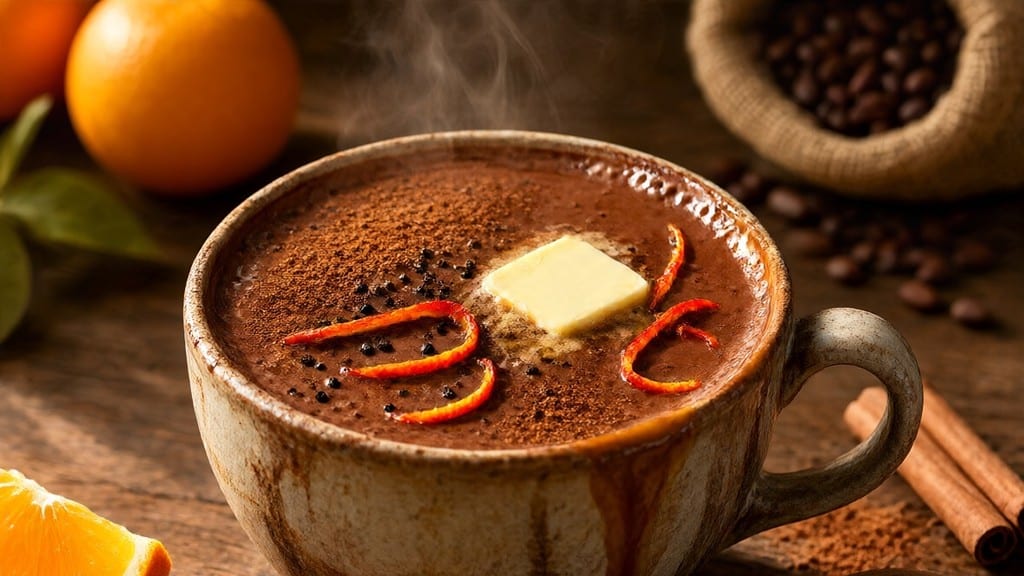
This Spanish drinking chocolate recipe delivers the rich, velvety texture and warm spices that make it a beloved tradition in Spain. The key lies in tempering high-quality chocolate with cinnamon and orange zest, creating a thickened base that's both aromatic and deeply satisfying.
I first discovered this version during a trip to Granada, where it was served in a traditional chocolatera—a clay pot that keeps the chocolate perfectly warm and thick.
The process begins with carefully tempering the chocolate to achieve that signature Spanish thickness, then slowly heating milk or water to create a luxurious, frothy drink. Unlike commercial versions, this recipe uses real chocolate and authentic spices, resulting in a flavor profile that's complex and deeply comforting.
The cinnamon adds warmth, while orange zest brightens the richness, creating a balance that's both familiar and sophisticated.
What sets this recipe apart is the attention to tradition—using a molinillo to froth the chocolate by hand, if you prefer, or a modern whisk for convenience. The result is a drink that's thick enough to be sipped slowly, with a velvety texture that coats the palate.
Serve it in a chocolatera with churros for an authentic experience, or enjoy it as a cozy dessert with whipped cream and extra cinnamon.
This recipe is perfect for special occasions or as a comforting treat after dinner, offering a taste of Spain without the need for a trip. The method is straightforward yet precise, ensuring professional results every time.
Whether you're making it for family or guests, the rich aroma and velvety consistency will make it a memorable experience.
Ingredients for spanish drinking chocolate
High-quality chocolate and aromatic spices create this luxurious Spanish drinking chocolate experience.
| Ingredient | Amount | Notes |
|---|---|---|
| Valrhona Guanaja 70% Dark Chocolate 🍫 | 8 oz | High-quality, finely chopped |
| Ground Cinnamon 🌿 | 2 tbsp | Ceylon cinnamon preferred |
| Orange Zest 🍊 | 1 tbsp | From organic Valencia orange |
| Whole Milk 🥛 | 2 cups | Cold, full-fat preferred |
| Granulated Sugar 🍚 | ¼ cup | Fine grain recommended |
| Unsalted Butter 🧈 | 2 tbsp | European-style preferred |
| Vanilla Extract 🌸 | 1 tsp | Pure Madagascar bourbon |
| Diamond Crystal Kosher Salt 🧂 | ¼ tsp | Fine grain for delicate seasoning |
| Heavy Whipping Cream 🥛 | ½ cup | Cold, for frothing |
| Pinch of Cayenne Pepper 🌶️ | ⅛ tsp | For subtle heat |
| Churros 🍩 | 8 pieces | Store-bought or homemade |
The chocolate selection is non-negotiable. Valrhona Guanaja 70% dark chocolate delivers the perfect balance of bitterness and richness, but Callebaut or Lindt 70% work well too. Avoid chocolate with additives or milk chocolate—this recipe demands pure cocoa. For cinnamon, Ceylon over cassia ensures a sweeter, more authentic flavor profile. Penzeys or local specialty stores carry the best quality. Orange zest should be freshly grated—Valencia oranges have the most vibrant flavor. Store your chocolate in a cool, dark place to preserve its aroma, and grind it yourself for the finest texture. The butter should be European-style—it has a higher fat content that enhances the chocolate's velvety texture.
No Ceylon cinnamon? Substitute with equal parts ground cassia, but reduce to 1.5 tablespoons to avoid bitterness. Running out of orange zest? Orange extract at half the amount works in a pinch, though fresh zest is ideal. For a dairy-free version, replace milk with full-fat coconut milk and omit the butter. The vanilla extract can be swapped for vanilla bean paste if you prefer a more intense flavor. If you're using pre-made churros, opt for homemade-style with a crisp exterior—they absorb the chocolate beautifully. For extra richness, add a splash of heavy cream when serving, but traditionalists might prefer it straight from the chocolatera.
This chocolate thickens as it cools, so reheat gently on low heat—never microwave. Store leftovers in an airtight container in the refrigerator for up to 5 days, though the flavor peaks within the first 24 hours. For a restaurant-quality presentation, serve in a chocolatera or deep ceramic bowl with churros arranged around the edges. The chocolate can be reheated twice, but the third time may lose some of its velvety texture. Freeze any extra chocolate mixture in ice cube trays for quick individual servings—just thaw gently before reheating.
Why You'll Love This Recipe
- Here’s what sold me: Valrhona’s chocolate feels special, but a little goes a long way, so you’re not breaking the bank for that restaurant-quality depth. The rest of the ingredients? Pantry staples. It’s the kind of treat that makes you feel like you’re splurging without actually splurging—until you realize you’ve just spent $20 on chocolate. Worth it.
- Five-Ingredient Magic: I swear, this is the kind of recipe where you look at the list and think, "That’s it?"—and then it actually works. No tempering, no fussing, just melt the chocolate, simmer the milk, and let the Valrhona’s deep cocoa sing with that bright orange zest. The cinnamon ties it all together without overpowering, so it’s effortless but never basic.
- Velvet Richness: Between us, the Guanaja’s 70% richness paired with just a whisper of sugar is chef’s kiss—smooth but not cloying, with that orange zest cutting through like a citrusy hug. It’s the kind of drink that makes you pause mid-sip, like, "Wait, is this actually real?" (Spoiler: Yes. It’s that good.)
- Cozy Anywhere: Honestly, this isn’t just for chilly nights—it’s my go-to after a long day, my "I deserve this" moment, or even a fancy-ish treat when guests drop by. Serve it in mugs for a crowd, or pour it into a single fancy cup for a solo indulgence. The leftovers? Just reheat with a splash of milk, and it’s just as good the second time.
Step-by-step instructions for Spanish drinking chocolate
Create a velvety, aromatic Spanish drinking chocolate thickened with cinnamon and brightened by orange zest.
Melt the Chocolate and Infuse the Milk
In a heavy-bottomed saucepan, combine the 8 oz Valrhona Guanaja 70% Dark Chocolate, 2 tbsp Ground Cinnamon, 1 tbsp Orange Zest, 2 cups Whole Milk, and 0.25 cup Granulated Sugar. Place the saucepan over medium-low heat and stir gently with a silicone spatula until the chocolate begins to soften—this should take about 3 minutes. The mixture will look thick and pasty at first, but don’t rush this stage.
Once the chocolate melts completely, increase the heat to medium and continue stirring until the mixture reaches a gentle simmer. This typically takes 5-7 minutes. You’ll notice the chocolate fully incorporate into the milk, creating a rich, glossy base. The cinnamon and orange zest will infuse the liquid with warm, citrusy notes. Keep the heat at a steady simmer—do not boil, as this can cause the chocolate to seize or develop a bitter flavor.
Add Butter and Vanilla for Depth of Flavor
Reduce the heat to low and whisk in the 2 tbsp Unsalted Butter and 1 tsp Vanilla Extract. The butter will help emulsify the mixture, creating a silkier texture, while the vanilla adds a subtle floral complexity. Stir continuously for 2 minutes to ensure the butter melts completely and the vanilla disperses evenly. The chocolate should now be thick and smooth, with a deep, aromatic fragrance.
Season with the 0.25 tsp Diamond Crystal Kosher Salt and the 0.125 tsp Pinch of Cayenne Pepper, stirring to distribute evenly. The cayenne adds a faint, smoky heat that balances the sweetness and richness of the chocolate. Taste the mixture and adjust the sugar or salt if needed—Spanish drinking chocolate should be rich but not cloying, with a harmonious blend of sweet, spicy, and citrusy flavors.
Thicken with Heavy Whipping Cream
Remove the saucepan from heat and let the chocolate cool slightly for 1-2 minutes. Then, gently whisk in the 0.5 cup Heavy Whipping Cream, which will further thicken the mixture and add a luxurious mouthfeel. Return the saucepan to low heat and stir for an additional 2-3 minutes to ensure the cream is fully incorporated and the chocolate reaches a velvety consistency. The texture should be thick enough to coat the back of a spoon but still pourable.
If the chocolate is too thick, thin it with a splash of hot milk (not boiling) until it reaches your desired consistency. Conversely, if it’s too thin, simmer it gently for another 1-2 minutes to reduce slightly. The final texture should be rich and luxurious, with a glossy sheen that indicates proper emulsification.
Serve with Churros for the Ultimate Experience
Once the chocolate reaches the perfect consistency, transfer it to a heatproof serving pitcher or mugs. Let it sit for 1-2 minutes to cool slightly before serving. The contrast of the warm, thickened chocolate with the crisp, fried texture of 8 pieces Churros is what makes this dish truly special. Serve each portion with 2 churros per mug, allowing guests to dip and enjoy the combination of textures and flavors.
For an authentic touch, sprinkle an additional pinch of ground cinnamon or a few threads of orange zest on top of each serving. The churros should be served immediately while still crisp, as their texture softens quickly. This Spanish drinking chocolate is best enjoyed fresh, with the chocolate warm and the churros at their peak crunch.
Pro Tips For Making Spanish Drinking Chocolate
- Temper the Milk: Heat the whole milk to just under a simmer—around 180°F (82°C)—before adding the chocolate. I learned this the hard way: boiling milk burns the sugar and turns the chocolate grainy. A thermometer saves guesswork, but even a gentle rolling boil that barely bubbles does the trick.
- Whisk Like Your Life Depends: Don’t just dump the chocolate in. Melt it first in a heatproof bowl over simmering water (double boiler), then whisk it into the warm milk in thin streams while stirring constantly. This prevents clumps and ensures that 70% Guanaja melts smoothly—no one wants to taste gritty chocolate in their drink.
- Zest Fresh, Use Fast: Grate the orange zest right before serving, not when you start heating the milk. The oils in the zest evaporate quickly, and pre-grated zest loses its bright, floral punch. A microplane works best—no need to zest the whole orange, just a strip of peel.
- Sugar in Stages: Add half the sugar with the milk, then taste before adding the rest. The Guanaja’s bitterness needs balancing, but too much sugar kills the chocolate’s depth. Start with 2 tablespoons, let it steep, then adjust—this is where the drink’s soul lives.
Serving suggestions for this dish
Churros Pairing
Serve your Spanish drinking chocolate with homemade churros for the ultimate textural contrast—the crispy, golden exterior gives way to a soft, pillowy interior when dipped. I recommend using a pipa (churro iron) for authentic results, but store-bought churros from La Tienda or H-E-B work in a pinch.
For extra decadence, dust them with cinnamon sugar before serving. 🍩
Traditional Chocolatera
For an authentic experience, transfer the warm chocolate to a chocolatera—a traditional clay or ceramic pot designed to keep the drink thick and warm. These vessels are often found in Spanish markets or online at Amazon or Sur La Table.
If you don’t have one, a cast-iron skillet or heavy ceramic mug works beautifully. Keep the chocolate at a gentle simmer on the stove to maintain its velvety consistency.
Whipped Cream Topping
Add a dollop of whipped cream to each serving for a lighter, airy contrast to the rich chocolate. I like to whip ½ cup heavy whipping cream with a pinch of cinnamon and a drizzle of orange syrup for extra flavor.
Use a hand mixer for quick results or a whisk for a more rustic touch. Garnish with a sprinkle of ground cinnamon or orange zest for a pop of color and aroma.
Fruit Complements
Brighten the deep flavors of the chocolate with fresh fruit. Sliced strawberries, mandarin orange segments, or sliced bananas add a refreshing contrast. I often serve a small plate of tangerines on the side—their natural sweetness pairs perfectly with the spiced chocolate.
For a more elegant presentation, arrange the fruit around the edge of the serving dish.
Coffee Pairing
Offer a small cup of Spanish cortado or espresso alongside the chocolate for a classic pairing. The bold, bitter notes of coffee cut through the richness of the chocolate, creating a balanced flavor experience.
Brew a double espresso with hot milk and serve it in a demitasse cup for a sophisticated touch. This combination is a staple in Spanish cafés and elevates the chocolate-drinking experience.
Seasonal Variations
Adjust your toppings based on the season. In winter, add a sprinkle of star anise or cinnamon sticks for warmth. In spring, swap the cinnamon for fresh mint leaves or edible flowers like violets.
For a holiday twist, stir in a pinch of cardamom or top with crushed peppermint. These seasonal touches keep the experience fresh and exciting year-round. ✨
Nutrition facts
Frequently asked questions
Why does Spanish drinking chocolate taste different from regular hot chocolate?
Spanish drinking chocolate is thicker, richer, and more aromatic thanks to its unique preparation method. The chocolate is tempered with spices like cinnamon and orange zest, creating a velvety texture that coats the mouth. Traditional recipes also use less sugar and incorporate ingredients like butter and vanilla for depth. Unlike commercial hot chocolate, it's never sweetened to the point of being cloying—just rich and complex.
Can I make this recipe without a molinillo (traditional frother)?
A molinillo is traditional, but a modern whisk or even an immersion blender works perfectly. For the best results, whisk vigorously for 2-3 minutes to create air bubbles that give the chocolate its signature froth. If you don't have any of these tools, a simple whisk will still create a delicious, though slightly less airy, texture.
How do I fix chocolate that's too thin or too thick?
For chocolate that's too thin, simmer it gently for 1-2 extra minutes to reduce the liquid. If it's too thick, thin it with a splash of hot milk (not boiling) while stirring constantly. The ideal consistency should coat the back of a spoon but still be pourable. Never add cold liquid directly, as it can cause the chocolate to seize.
What's the best way to reheat leftover Spanish drinking chocolate?
Reheat gently on low heat in a saucepan with a splash of milk to restore its creamy texture. Never microwave, as it can make the chocolate grainy. Store leftovers in an airtight container in the refrigerator for up to 5 days. For individual servings, freeze the chocolate in ice cube trays and thaw gently before reheating. Each reheat will slightly reduce the thickness, so plan accordingly.
Can I substitute the dark chocolate for milk chocolate?
While it's possible, it won't taste authentic. Dark chocolate (70% cocoa) provides the proper balance of bitterness and richness that Spanish drinking chocolate relies on. Milk chocolate will make the drink overly sweet and lack the depth of flavor. If you must use it, reduce the sugar to 1 tablespoon and add an extra pinch of cayenne for balance.