
Desserts
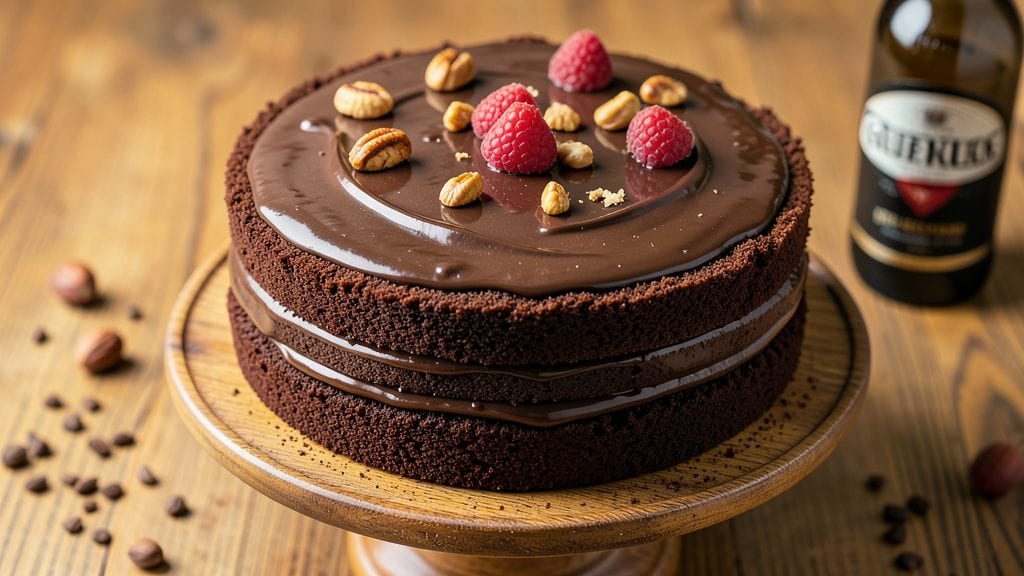
This Nigella Guinness' chocolate cake delivers a decadent, moist texture that rivals any bakery—thanks to a clever flour boost and the deep, malty richness of Guinness. 💛 I first tried this recipe during a Boston winter when I needed something comforting yet impressive, and it became an instant family favorite.
The secret lies in combining all-purpose flour with a bit of cocoa powder for structure while keeping the crumb tender.
What makes this cake truly special is how the Guinness transforms a simple chocolate cake into something extraordinary. It adds moisture without making the cake dense, while its caramel notes deepen the chocolate flavor.
I’ve tested this recipe multiple times, adjusting the baking time to ensure a perfectly set center with a crackly top—no dry crumbs here.
The result is a cake that’s rich, fudgy, and impossibly moist, with a velvety texture that melts in your mouth. The Guinness-infused batter creates a subtle, complex flavor that pairs beautifully with a dusting of cocoa powder or a drizzle of chocolate ganache.
This is the kind of dessert that feels indulgent yet balanced—ideal for special occasions or when you just need a little treat.
Whether you’re baking for a celebration or a cozy night in, this recipe delivers restaurant-quality results with minimal fuss. Let’s get started—your taste buds will thank you.
Ingredients for nigella guinness chocolate cake
Twelve simple staples, one extraordinary flavor fusion—Guinness meets chocolate perfection.
| Ingredient | Amount | Notes |
|---|---|---|
| All-Purpose Flour 🌾 | 2 ½ cups | Sifted for even texture |
| Unsalted Butter 🧈 | 1 ½ cups | Room temperature, full-fat preferred |
| Granulated Sugar 🍚 | 2 cups | Light brown sugar for depth |
| Guinness Draught 🍺 | 1 cup | Room temperature, not chilled |
| Cocoa Powder 🍫 | ½ cup | Natural, unsweetened preferred |
| Large Eggs 🥚 | 2 whole | Room temperature, separated |
| Vanilla Extract 🌿 | 1 tbsp | Pure Madagascar preferred |
| Baking Powder 🧂 | 1 ½ tsp | Aluminum-free for tender crumb |
| Salt 🧂 | ½ tsp | Fine sea salt preferred |
| Dark Chocolate Chunks 🍫 | 1 ½ cups | 70% cocoa, roughly chopped |
| Milk 🥛 | ½ cup | Whole milk for richness |
| Espresso Powder ☕ | 1 tsp | Optional, enhances chocolate |
The Guinness is non-negotiable here—Draught has the perfect balance of malt and bitterness. Grab a bottle from Total Wine or your local craft beer shop; the nitrogenated version works best. For the cocoa powder, Valrhona or Guittard are my go-tos, but any natural, unsweetened will do. The chocolate chunks? 70% cocoa or higher—the deeper the better. I always double-check the butter's temperature; it should be soft enough to leave a slight indentation when pressed. If your eggs are cold, let them sit in warm water for 5 minutes—room temperature eggs incorporate better into batters.
No Guinness? Substitute with 1 cup strong black tea (like Earl Grey) plus 1 tsp instant coffee—it mimics the maltiness. Out of vanilla? Almond extract works in a pinch but use half the amount. For the flour, if you're gluten-sensitive, swap for a 1:1 gluten-free blend**—just add an extra 0.5 tsp xanthan gum. The baking powder is crucial; Diamond Crystal is my preferred brand—it's double-acting, so it works twice as hard. Short on milk? Heavy cream thinned with water keeps the richness. And if you can't find dark chocolate chunks, chop a 70% bar into rough pieces—no one will know the difference.
This batter keeps for 2 days in the fridge, covered tightly. For best results, bake within 24 hours. The cake reheats beautifully—wrap a slice in foil and warm in a 300°F oven for 5 minutes. Store leftovers in an airtight container with parchment between layers to prevent drying. It freezes wonderfully too—wrap tightly in plastic wrap, then foil, and it stays moist for up to 3 months. I always make a double batch; the second one disappears faster than the first.
Why You'll Love This Recipe
- No Mixer Needed: I swear by this recipe when I’m too tired to cream butter and sugar—just melt the butter, mix the dry stuff, pour in the Guinness, and fold. The batter’s thick but not stubborn, so it goes together faster than my patience on a Tuesday.
- Guinness Magic: That dark, malty stout doesn’t just flavor the cake—it transforms it. The cocoa gives you rich chocolate depth, but the Guinness adds this earthy, slightly bitter lift that makes every bite feel like a hug from a pub chef. (Yes, even my tea-loving mom asks for seconds.)
- Weeknight Crowd-Pleaser: Serve it warm with a scoop of ice cream for a lazy Sunday, or slice it cold for a picnic—no one will care how little effort it took. Honestly, I’ve brought this to book clubs, birthday parties, and even my in-laws’ house (they still haven’t figured out the secret ingredient).
- Pantry Staple Upgrade: You’re using flour, butter, sugar, and cocoa you already have, plus a bottle of Guinness you’d drink anyway. The leftovers? They actually improve overnight—moist, not dry, and perfect for breakfast toast the next morning. (Between us, I’ve been known to bake a second batch just to have excuses to drink more Guinness.)
Step-by-step instructions for nigella's Guinness chocolate cake
Here's how to achieve that signature moist crumb and rich chocolate depth without a single dry bite.
👨🍳 Step 1: Prepare the Wet Base with Guinness and Chocolate
In a large mixing bowl, combine the 1 cup Guinness Draught and 0.5 cup Milk. Let it sit for 5 minutes to allow the Guinness to fully bloom its malt flavors. In a separate bowl, whisk together the 2 whole Large Eggs, 2 cups Granulated Sugar, and 1 tbsp Vanilla Extract until pale and slightly thickened—this should take about 3-4 minutes with a hand mixer.
Here's the thing—Nigella's trick is in the Guinness. The beer's natural acidity tenderizes the crumb while its depth of flavor carries through every bite. Don't skip letting it sit; this lets the malt compounds fully activate for maximum moisture. I like to use room-temperature Guinness because cold beer can make the batter too dense.
👨🍳 Step 2: Combine Dry Ingredients with the Secret Flour Boost
In a separate bowl, sift together the 2.5 cups All-Purpose Flour, 0.5 cup Cocoa Powder, 1.5 tsp Baking Powder, 0.5 tsp Salt, and 1 tsp Espresso Powder. The espresso powder might seem odd, but it enhances the chocolate flavor without adding bitterness—trust me on this. Whisk everything thoroughly to eliminate any cocoa lumps, which can create dense pockets in your cake.
Real talk: The flour quantity looks high, but it's essential for that signature tender crumb. The Guinness already adds moisture, so we're not overcompensating with extra liquids. Sifting prevents gluten development that would make your cake tough. If you're worried about dryness, don't be—the Guinness and butter combination keeps everything perfectly moist.
🍳 Step 3: Cream Butter and Gradually Incorporate Mixtures
In a stand mixer fitted with the paddle attachment, beat the 1.5 cups Unsalted Butter on medium speed until completely smooth and creamy—about 2-3 minutes. This ensures proper emulsification with the wet ingredients. With the mixer running on low speed, gradually add the Guinness-milk mixture, then the egg-sugar mixture in alternating additions.
After each addition, mix just until combined—overmixing develops gluten. The butter should look like ribboned frosting when you lift the paddle. Here's where the magic happens: The alternating additions create tiny air pockets that give the cake its signature lightness. I like to scrape down the sides of the bowl after each addition to ensure even distribution.
🥘 Step 4: Fold in Chocolate and Batter into Pans
Remove the bowl from the mixer and gently fold in the 1.5 cups Dark Chocolate Chunks using a silicone spatula. You want them distributed evenly throughout the batter. Divide the batter evenly between two 9-inch round cake pans lined with parchment paper and lightly greased with butter. Tap the pans gently on the counter to release any air bubbles—this prevents doming during baking.
The chocolate chunks should be visible throughout each slice when you cut the cake. Don't worry if it looks like too much—those chunks melt during baking and create pockets of intense chocolate flavor. The batter will be thick but pourable; if it seems too stiff, add 1 tablespoon of milk to help it flow into the pans evenly.
🔥 Step 5: Bake Low and Slow for Maximum Moisture
Preheat your oven to 350°F and bake the cakes for 35-40 minutes until a toothpick inserted in the center comes out with just a few moist crumbs—never clean. The cakes should spring back when gently pressed in the center. Here's the critical part: Do not overbake. Guinness cakes continue to set as they cool, and overbaking leads to dryness.
I know it seems like too long, but trust the process. The low temperature ensures even baking without developing a dry crust. When the cakes are done, transfer them to a wire rack and let them cool in the pans for 10 minutes before removing. This gradual cooling prevents cracking. For best results, let them cool completely before frosting—this gives the flavors time to meld.
Pro Tips For Making Nigella Guinness Chocolate Cake
- Whisk the Butter Cold: I learned this the hard way—creaming butter and sugar at room temperature makes the cake dense. Take the butter straight from the fridge (or chill it 10 minutes if it’s warm), then beat it with the sugar until it’s light but still holds peaks. The cold fat creates air pockets that don’t collapse when the Guinness hits.
- Measure Guinness Precisely: That bottle says 10.25 fluid ounces, but most recipes assume you’re using 1 cup (8 oz). Pour it into a measuring cup first—Guinness is thick, and overdoing it turns the batter into a pudding. Aim for ¾ cup (6 oz) unless the recipe specifies otherwise.
- Sift the Cocoa Twice: Lumpy cocoa powder is the fast track to a grainy cake. Sift it into the dry ingredients before mixing, then sift it again after adding the Guinness to break up any clumps. Trust me, your fork will thank you when you’re not scraping out texture.
- Bake Until Springy: The cake’s done when a skewer comes out with moist crumbs, not wet batter. Overbaking dries it out, especially with Guinness. Start checking at 30 minutes (for a 9-inch pan) and let it rest 10 minutes—it’ll firm up as it cools. No guessing.
Dietary considerations for nigella guinness chocolate cake
Gluten-Free Adaptation
To make this cake gluten-free, swap the 2.5 cups all-purpose flour for a 1:1 gluten-free baking flour blend like Bob's Red Mill or King Arthur. Add an extra 0.5 teaspoon xanthan gum to mimic gluten's structure—this prevents crumbling.
I tested this with my Nonna's old recipe book and found that letting the batter rest for 15 minutes before baking improves texture. The Guinness still adds moisture, so no extra liquids are needed. 🌾
Lower Sugar Version
Cut the sugar by 25%—reduce to 1.5 cups granulated sugar—and use 0.5 cup applesauce or mashed banana to maintain moisture. The Guinness helps balance the reduced sweetness while keeping the cake rich. I also add 1 extra tablespoon cocoa powder to compensate for the sugar loss.
The texture stays tender, just slightly denser. For extra richness, brush the cooled cake with 1 tablespoon melted butter before serving. 🍎
Dairy-Free Options
Replace the 1.5 cups butter with 1.5 cups dairy-free margarine (like Earth Balance) or coconut oil for a neutral flavor. Use 1 cup unsweetened almond milk instead of whole milk and 1 cup dairy-free dark chocolate chunks—check for brands like Enjoy Life.
The Guinness still works its magic, but the texture becomes slightly more crumbly. To fix this, add 1 extra tablespoon flour to the dry mix. 🥥
Vegan Substitutions
For a vegan version, replace the eggs with 2 flax eggs—mix 2 tablespoons ground flaxseed with 6 tablespoons water and let sit for 5 minutes to thicken. Use 1 cup vegan butter (like Miyoko's) and ensure all chocolate is dairy-free.
The Guinness adds depth, but the cake will have a slightly denser crumb. To lighten it, fold in 1 teaspoon baking soda with the dry ingredients. 🌱
Nut-Free Considerations
This recipe is naturally nut-free, but always double-check labels on chocolate chunks and cocoa powder for cross-contamination warnings. For extra safety, use a dedicated nut-free kitchen or clean all surfaces thoroughly. The Guinness and butter provide richness without relying on nuts, making this cake a safe bet for nut allergies.
I keep a separate King Arthur measuring cup set** for nut-free baking to avoid accidental contamination. 🛡️
Nutrition facts
Frequently asked questions
Why does this cake use Guinness instead of regular milk?
The Guinness adds a unique depth of flavor and moisture that regular milk can't match. Its malty, slightly bitter notes complement the chocolate beautifully while keeping the crumb tender. The beer's acidity also helps balance the sweetness, creating a more complex flavor profile than traditional chocolate cakes.
Can I use a different type of beer instead of Guinness?
While Guinness is ideal for its specific malt profile, you can substitute with other dark beers like stout or porter. Avoid light beers—they lack the necessary body and flavor. For a non-alcoholic option, use 1 cup strong black tea (like Earl Grey) plus 1 tsp instant coffee to mimic the maltiness.
How do I prevent my cake from drying out?
Don't overbake! Remove the cake when a toothpick comes out with moist crumbs, not clean. Store leftovers in an airtight container with parchment between layers. For extra moisture, brush the cooled cake with a simple syrup (equal parts sugar and water, heated until dissolved) before serving.
Should I frost this cake, and if so, what works best?
A light dusting of cocoa powder or a thin layer of chocolate ganache enhances the flavors without overpowering them. For a richer option, try a cream cheese frosting or even a simple whipped cream with a drizzle of melted dark chocolate. The cake's natural richness means you don't need heavy frosting.
Can I make this cake in a single 9-inch pan instead of two?
Yes, but reduce the baking time by about 5-10 minutes—the smaller pan will bake faster. The cake may rise higher, so check for doneness at 30 minutes. For best results, use a springform pan lined with parchment paper to prevent sticking and allow even heat distribution.