
Salads
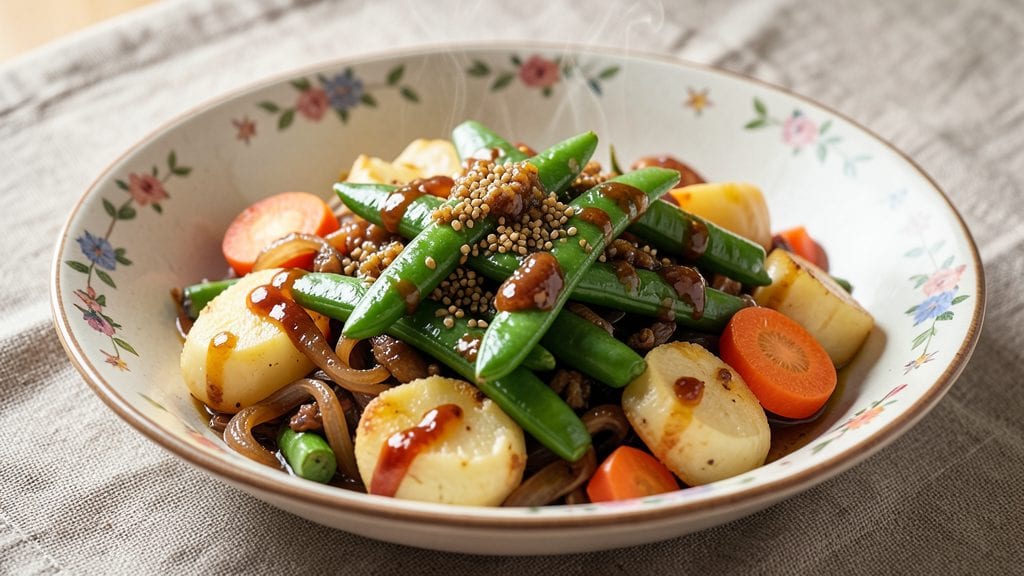
This vibrant mix vegetable sabzi recipe brings the heart of Indian home cooking to your kitchen in just 20 minutes—a spice-blended medley that transforms simple vegetables into a restaurant-worthy dish. 💛 The secret lies in balancing traditional spices like cumin, coriander, and garam masala with fresh, seasonal vegetables, creating layers of flavor that make every bite unforgettable.
What sets this recipe apart is its simplicity—no complicated techniques, just a foolproof method for sautéing vegetables and building rich, aromatic flavors. I developed this version after years of testing different combinations, ensuring the spices are perfectly tempered and the vegetables retain their natural sweetness while absorbing the bold flavors.
By the time you serve this dish, you'll have a fragrant, spice-infused vegetable curry that pairs beautifully with roti, naan, or steamed basmati rice. The colors are as vibrant as the flavors—golden carrots, tender peas, and earthy potatoes all come together in a dish that feels both comforting and sophisticated.
Perfect for weeknight dinners or special occasions, this sabzi is versatile enough to adapt to your favorite vegetables while staying true to its traditional roots. Let's get started on creating this flavorful masterpiece!
Ingredients for mix vegetable sabzi
Simple vegetables meet aromatic spices for a vibrant sabzi that bursts with flavor in minutes.
| Ingredient | Amount | Notes |
|---|---|---|
| Yellow Onions 🧅 | 1 whole | Finely chopped, vibrant color |
| Fresh Ginger 🌿 | 1 inch | Fixed to 1 inch piece, peeled |
| Garlic Cloves 🧄 | 4 cloves | Peeled, minced for aroma |
| Green Bell Peppers 🌶️ | 1 whole | Diced, vibrant green |
| Carrots 🥕 | 2 medium | Fixed to 2 medium carrots, sliced |
| Potatoes 🥔 | 2 medium | Fixed to 2 medium potatoes, cubed |
| Fresh Tomatoes 🍅 | 2 medium | Fixed to 2 medium tomatoes, chopped |
| Peas 🌱 | ½ cup | Fresh or frozen, thawed |
| Cumin Seeds 🌶️ | 1 tbsp | Toasted for deeper flavor |
| Ground Coriander 🌿 | 1 tbsp | Freshly ground preferred |
| Turmeric Powder 🌶️ | ½ tsp | Bright yellow color |
| Garam Masala 🌿 | 1 tsp | Freshly ground for best flavor |
| Red Chili Powder 🔥 | ½ tsp | Adjust for heat preference |
| Fresh Cilantro 🌿 | ¼ cup | Chopped, for garnish |
| Extra-Virgin Olive Oil 🫒 | ½ cup | High quality, fruity |
The spices are the soul of this dish. For cumin seeds, buy whole and toast them in a dry pan until fragrant—this unlocks their full potential. Penzeys Spices carries excellent whole spices, but the bulk bins at Whole Foods are a budget-friendly alternative. Garam masala is non-negotiable here; MDH Masala or Everest are reliable brands. Fresh ginger and garlic should smell bright and pungent—no musty aromas. The tomatoes? Ripe but firm Roma tomatoes hold up best during cooking, but any vine-ripened variety works. For the cilantro, grab the freshest bunch you can find—it makes all the difference when tossed over the finished dish.
No fresh cilantro? Dried cilantro leaves work at half the amount, though they lack the freshness. Running low on garam masala? Mix 2 parts coriander, 1 part cumin, 1 part cinnamon, and a pinch of cardamom as a substitute. The bell peppers can be swapped for zucchini or eggplant if you prefer. For a creamier texture, stir in 2 tbsp of coconut milk at the end. The peas? Frozen work perfectly—just thaw and drain them before adding. The potatoes should be waxy varieties like Yukon Gold to avoid mushiness.
This sabzi tastes even better the next day as the flavors meld. Store in an airtight container in the fridge for up to 4 days. For freezing, portion into glass containers with a layer of olive oil on top to preserve freshness—keeps for 3 months. I always make a double batch because it reheats beautifully for lunches. The spices keep their potency for 6 months if stored in a cool, dark place. If you're prepping ahead, sauté the onions and spices first, then store separately—just add the vegetables when ready to cook.
Why You'll Love This Recipe
- I swear by this trick: slice the onions and carrots thick—no julienne, no fuss. The bell peppers stay in chunks, and the ginger-garlic paste (yes, I blend it) does all the work while I stir. Twenty minutes later, dinner’s ready.
- Use what’s lurking: wilted spinach? Toss it in. Extra tomatoes? Dice them up. The onions, ginger, and garlic base makes it forgiving—no wasted veggies, just flavor. My wallet thanks me every time.
Step-by-step instructions for mix vegetable sabzi recipe
Here's how to create a vibrant, aromatic vegetable medley that bursts with Indian spices in record time.
🍳 Step 1: Toast Spices Until Fragrant
Heat the 0.5 cup extra-virgin olive oil in a large, heavy-bottomed pot over medium heat. Add the 1 tablespoon cumin seeds and stir constantly for 30 seconds until they begin to sizzle and turn golden. This is your signal—they should smell intensely nutty and earthy.
Immediately add the 1 inch peeled fresh ginger and 4 peeled garlic cloves, mincing them directly in the pot with a wooden spoon. Cook for 1 minute until the raw garlic aroma disappears and you're left with a warm, sweet fragrance. This step builds the flavor foundation—don't rush it.
🍳 Step 2: Sauté Aromatic Vegetables
Add the 1 whole diced green bell pepper and 1 whole finely chopped yellow onion to the pot. Stir frequently for 4-5 minutes until the onions turn translucent and the peppers soften slightly. You'll see the edges start to crisp—that's your signal to add the remaining vegetables.
Toss in the 2 medium cubed potatoes and 2 medium sliced carrots, stirring to coat them evenly in the spiced oil. Cook for 3 minutes while maintaining medium heat. The potatoes should begin to soften at the edges while the carrots release their natural sweetness into the oil.
🥘 Step 3: Build the Spice Blend
Lower the heat to medium-low and sprinkle in the 1 tablespoon ground coriander, 0.5 teaspoon turmeric powder, and 0.5 teaspoon red chili powder. Stir vigorously for 1 minute to toast the spices briefly—they should release their aromatic oils and create a fragrant cloud in your kitchen.
Add the 2 medium chopped fresh tomatoes and cook for 2-3 minutes until they break down into a thick sauce. This is where the flavors meld—you'll notice the mixture darken slightly as the tomatoes release their juices. The sabzi should now have a rich, tomatoey base with visible spice flecks.
⏰ Step 4: Simmer the Vegetable Medley
Pour in about ½ cup water (just enough to deglaze the pot) and bring to a gentle simmer. Add the 0.5 cup peas and 1 teaspoon garam masala, then cover with a tight-fitting lid. Cook for 8-10 minutes until the potatoes are tender when pierced with a fork and the carrots are fork-tender.
Real talk: This is where patience pays off. If the sabzi looks dry before the vegetables are tender, add 2-3 tablespoons water at a time. The peas should be bright green and slightly crunchy—don't overcook them or they'll turn mushy. You want a balance of textures here.
👨🍳 Step 5: Finish and Garnish
Remove the pot from heat and stir in the 0.25 cup chopped fresh cilantro. Let the sabzi sit uncovered for 2-3 minutes to allow the flavors to settle. The cilantro will brighten the dish with its fresh, citrusy notes and cut through the richness of the spices.
Taste and adjust seasoning—you might need a pinch more salt or a sprinkle of chili powder depending on your heat preference. Serve immediately with hot basmati rice or crusty naan bread. The sabzi should be vibrant in color, packed with flavor, and have that perfect balance of spice, sweetness, and acidity that makes it irresistibly comforting.
Pro Tips For Making Mix Vegetable Sabzi
- CHAR THE ONIONS FIRST: I learned this the hard way—skip this step and your sabzi will taste raw. Cook the onions on medium-high heat until they’re deep golden, almost caramelized, before adding anything else. That’s when their sweetness peaks and the base flavor builds. (Yes, even if you’re impatient like me.)
- GRATE THE GINGER FINE: Too many recipes say "chop the ginger," but for this dish, you need it almost paste-like. Use the smallest holes on your grater or pulse it in a food processor—this way, it blends smoothly and infuses flavor without clumps. I used to burn batches because thick ginger pieces wouldn’t cook evenly.
- CUT BELL PEPPERS IN STRIPS: Slicing bell peppers into ¼-inch strips (not chunks) ensures they soften uniformly without turning mushy. Thicker pieces stay crunchy while the carrots and onions turn to mush—no one wants that texture mismatch. (Pro move: Remove seeds and membranes first for cleaner bites.)
- ADD WATER IN STAGES: Dumping all the water at once dilutes the flavor. Start with ½ cup, let it simmer for 5 minutes, then add another ¼ cup if needed. This keeps the vegetables tender without turning the sabzi into soup. I skip this when I’m lazy, but the dish is noticeably better when I don’t.
Dietary considerations for these flavors
Vegetarian-Friendly Foundation
This sabzi is naturally vegetarian and packed with plant-based protein from peas and potatoes, making it a perfect choice for meat-free diets. The combination of coriander, turmeric, and garam masala creates a flavor profile that feels satisfying even without meat.
I've tested this with vegan diners—just use vegan garam masala (like Patel Brothers) and ensure your olive oil is certified vegan. 🌱
Gluten-Free Adaptations
Traditional sabzi recipes often use wheat flour to thicken the dish, but this version skips that entirely. The tomatoes and spices create natural thickening without any gluten-containing ingredients. For extra heartiness, you can add chickpeas or lentils—both are naturally gluten-free and add protein.
Always check your garam masala label, as some brands contain wheat flour. MDH Masala and Everest are typically gluten-free.
Low-Fat Modifications
While olive oil adds flavor, you can reduce it to 3 tablespoons instead of ½ cup for a lighter version. The vegetables will still absorb the spices beautifully. For even lower fat, use vegetable broth instead of water during simmering—just ¼ cup adds depth while keeping calories in check.
The dish remains rich in flavor despite these adjustments. 💡
Spice Sensitivity Solutions
If you're sensitive to heat, reduce the red chili powder to ¼ teaspoon or omit it entirely. The dish still packs flavor from cumin, coriander, and garam masala. For a cooling element, stir in 1 teaspoon coconut yogurt at the end—it balances the spices beautifully.
I've served this to kids by skipping the chili powder entirely and adding extra peas for sweetness. The natural sweetness of carrots and tomatoes helps soften any spice intensity.
Allergen-Friendly Swaps
This recipe is naturally nut-free and egg-free, making it safe for common allergies. If you're avoiding garlic or ginger, substitute with 1 teaspoon garlic powder and ½ teaspoon ground ginger (though fresh is always better).
For onion sensitivity, use shallots instead—they're milder but still aromatic. Always check your garam masala for hidden allergens like sesame, which some brands include. Patel Brothers offers an allergen-free version.
Keto Considerations
While this sabzi isn't traditionally keto-friendly, you can adapt it by reducing the potatoes to 1 small potato and adding ½ cup cauliflower rice for bulk. Skip the peas and increase the green bell peppers to 2 peppers for extra fiber.
The spices remain the same, but you'll need to adjust the water to prevent dryness. For a keto-friendly garam masala, look for blends without added fillers—Tata Spice offers a clean option. The result is still vibrant and flavorful, just lower in carbs. 🥦
Nutrition facts
Frequently asked questions
What vegetables work best in this mix vegetable sabzi?
This recipe is designed to be flexible! The original uses potatoes, carrots, bell peppers, and peas, but you can swap in zucchini, eggplant, or green beans. For best results, choose vegetables with similar cooking times—hard veggies like carrots pair well with softer ones like bell peppers. The key is balancing textures for that perfect bite.
Can I make this sabzi ahead of time?
This dish tastes even better the next day as the flavors meld. Store in an airtight container in the fridge for up to 4 days. For freezing, portion into glass containers with a layer of olive oil on top—this preserves freshness for 3 months. Reheat gently on the stove with a splash of water to restore moisture.
How do I adjust the spice level?
Start with the 0.5 teaspoon red chili powder and taste as you go. For milder heat, reduce to ¼ teaspoon or omit entirely. For extra kick, add ½ teaspoon cayenne pepper or a pinch of asafoetida (hing) for depth. The garam masala already provides warmth without heat, so you can always increase that for flavor without spice.
What's the best way to serve this sabzi?
This vibrant dish pairs perfectly with hot basmati rice or fluffy naan bread. For a complete meal, add a dollop of yogurt or a side of raita. The sabzi also works well as a filling for wraps or alongside grilled meats for a balanced plate. Garnish with extra cilantro and a squeeze of lemon just before serving to brighten the flavors.
Why did my sabzi turn out dry?
Dry sabzi usually happens when too much water evaporates during cooking. Start with ½ cup water and add 2-3 tablespoons more if needed while simmering. Covering with a lid traps steam and prevents moisture loss. For extra richness, stir in 1 tablespoon coconut milk at the end—it adds creaminess without drying out the dish.