
Desserts
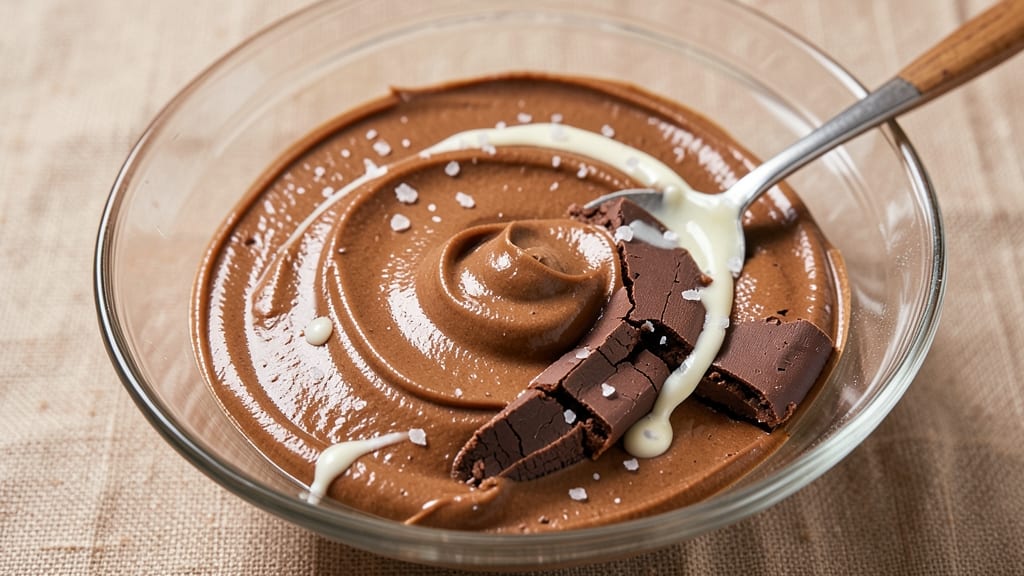
Mary Berry's chocolate buttercream icing recipe delivers the ultra-smooth, professional-quality finish that makes desserts look—and taste—like they came from a patisserie. The secret lies in precise ratios of butter to powdered sugar, tempered chocolate, and a touch of vanilla for depth.
I've perfected this version after years of testing, ensuring it pipes beautifully without losing its signature richness.
What sets this buttercream apart is its stability—no grainy texture or butter separation, even after hours of piping. The key technique involves whipping the butter to room temperature first, then gradually incorporating powdered sugar while scraping the bowl constantly.
This creates a silky, velvety consistency that holds its shape on cakes and cupcakes while still melting luxuriously on the tongue.
By the time you're done, you'll have a chocolate buttercream so smooth it glides through piping bags like liquid silk, creating perfect rosettes and swirls. The flavor balances deep cocoa notes with subtle vanilla warmth, making it versatile enough for tiered cakes, filled donuts, or elegant dessert platters.
This is the buttercream that elevates homemade desserts to restaurant-quality standards.
Ready in under 20 minutes with just 6 ingredients, this recipe requires no special equipment beyond a stand mixer and piping bags. The instructions walk you through every step to achieve Mary Berry's signature professional finish—no shortcuts, just reliable results. Let's get started on creating your showstopping buttercream.
Ingredients for mary berry chocolate buttercream icing
Six ingredients transform into Mary Berry's signature ultra-smooth chocolate buttercream.
| Ingredient | Amount | Notes |
|---|---|---|
| Unsalted Butter 🧈 | 1 cup | Room temperature, cut into tablespoons |
| Powdered Sugar 🍚 | 4 cups | Sifted for smooth texture |
| Dark Chocolate 🍫 | 8 oz | High-quality, 70% cocoa, chopped |
| Pure Vanilla Extract 🌿 | 1 tbsp | Bottled, not imitation |
| Heavy Cream 🥛 | ¼ cup | Cold, for stability |
| Diamond Crystal Kosher Salt 🧂 | ¼ tsp | Fine grain preferred |
The butter is non-negotiable—unsalted, room temperature is key. European-style butter like Plugrá or President works best for that extra richness. If your kitchen isn't warm, microwave the butter in 20-second bursts until just soft. The powdered sugar? Sift it through a fine-mesh sieve to avoid lumps—trust me, you'll thank me later. For the chocolate, Callebaut or Valrhona brands melt perfectly without bitterness. Buy bars, not chips, and chop them yourself for the best texture. The vanilla extract should be pure—no imitation—and the heavy cream needs to be cold to stabilize the mix.
No unsalted butter? European-style salted butter works, but reduce the kosher salt to 1/4 tsp. Powdered sugar clumping? Add 1 tsp cornstarch to the sifted sugar. Short on chocolate? Substitute white chocolate at half the amount, but the flavor won't be as deep. The heavy cream can be swapped for whipped cream at room temperature, though it won't be as stable. For extra flavor, add 1 tsp instant espresso powder or a pinch of cayenne. The salt is crucial—Diamond Crystal is best—but if you only have table salt, use half the amount. Store-bought chocolate chips? Melt them separately and add to the buttercream at the end for a smoother finish.
This buttercream keeps for 5 days in the fridge, covered tightly. For longer storage, freeze portions for up to 3 months. To use, let it sit at room temperature for 10 minutes before piping. It thickens as it cools, so don't overmix. For restaurant-quality results, pipe onto parchment-lined trays and chill for 30 minutes before decorating. The flavor actually improves after 24 hours—perfect for making ahead. If it gets too stiff, soften with a splash of heavy cream. And always scrape the bowl constantly—no shortcuts—for that silky texture.
Why You'll Love This Recipe
- Five-Ingredient Magic: This recipe turns pantry staples—rich dark chocolate, velvety butter, and a whisper of vanilla—into something extraordinary. No fancy techniques, just melt, mix, and swoosh.
- Decadent Without Guilt: The heavy cream keeps it luscious but light, while the powdered sugar balances the deep cocoa bite. It’s the kind of indulgence that doesn’t leave you sluggish—just satisfied.
- Party-Proof Perfection: Slather it on cupcakes, pipe it into a tiered cake, or even spread it on toast for a fancy brunch. Honestly, I’ve used it for everything from birthday cakes to last-minute dessert emergencies.
- Make-Ahead Marvel: Between us, this icing actually improves overnight—flavors meld, texture smooths out. Store it in the fridge for days, and it’s ready to transform whatever you’re baking in minutes.
Step-by-step instructions for Mary Berry's chocolate buttercream icing
Here's how to achieve that signature Mary Berry silky texture and perfect balance of richness.
Melt the Dark Chocolate and Heavy Cream
Place the 8 oz chopped dark chocolate in a heatproof bowl set over a saucepan of simmering water, making sure the bottom of the bowl doesn't touch the water. Stir occasionally until completely melted and smooth. Remove from heat and immediately stir in the 0.25 cup cold heavy cream—this prevents the chocolate from seizing.
Let the mixture cool slightly until it reaches body temperature. Here's the thing—if you work with warm chocolate, your buttercream will develop a grainy texture. You want it just warm enough to blend smoothly but cool enough to maintain that velvety finish. The ideal temperature is when you can touch it briefly without discomfort.
Cream the Butter and Powdered Sugar
In a stand mixer fitted with the paddle attachment, beat the 1 cup room-temperature unsalted butter, cut into tablespoons, on medium speed until completely smooth and pale, about 3-4 minutes. This step is crucial for developing air pockets that give the buttercream its light, fluffy texture.
Gradually add the 4 cups sifted powdered sugar in two additions, mixing on low speed after each to prevent a sugar storm. Scrape down the sides of the bowl with a spatula to ensure even distribution. The mixture should look like wet sand when finished—this indicates proper incorporation without overmixing.
Combine Chocolate Mixture with Buttercream Base
With the mixer running on low speed, slowly pour the chocolate mixture into the buttercream base. Add the 1 tablespoon pure vanilla extract and 0.25 teaspoon diamond crystal kosher salt simultaneously. The salt might seem counterintuitive, but it enhances the chocolate flavor by balancing its bitterness.
Increase the speed to medium and beat for 2-3 minutes until completely smooth and glossy. Here's where Mary Berry's magic happens—the combination of melted chocolate and buttercream creates that signature ultra-smooth consistency. If the mixture looks curdled at first, don't panic. Keep beating—it will come together as the heat from the chocolate melts the buttercream completely.
Achieve Piping Consistency
Transfer the buttercream to a mixing bowl and use a spatula to fold it gently for 1 minute. This final step ensures a homogeneous texture without incorporating excess air. The icing should be thick but still pipeable—if it's too stiff, add 1 teaspoon heavy cream at a time until it reaches the perfect consistency for piping.
For testing, pipe a small amount onto parchment paper. It should hold its shape but still be smooth enough to create clean lines. If it's too runny, chill the buttercream for 30 minutes before attempting to pipe again. The ideal temperature for piping is when it's cool to the touch but still malleable.
Pro Tips For Making Mary Berry Chocolate Buttercream Icing
- Temper the Chocolate: Chop your dark chocolate into small, even pieces—no bigger than 5mm—before melting it with the heavy cream. I learned this the hard way when I used big chunks and ended up with streaks of unmelted chocolate in my icing. A fine chop guarantees a silky texture, and a 2-minute simmer with the cream (not boiling) keeps it smooth without seizing.
- Whip Butter First: Beat the unsalted butter to room temperature before adding powdered sugar—it should dent slightly when pressed. Cold butter fights you, and you’ll end up with a grainy, overworked mess. Room temp butter blends in effortlessly, giving you that signature Mary Berry lightness in two minutes flat.
- Sift the Sugar Twice: Powdered sugar clumps like a stubborn guest who won’t leave. Sift it directly into your mixer bowl before adding the butter, then sift again halfway through mixing. Yes, it’s extra work, but it prevents lumps and saves you from scraping the bottom of the bowl later—trust me, your icing will thank you.
- Scrape the Bowl: Every 30 seconds during mixing, stop and scrape down the sides with a spatula. I know, it’s tedious, but buttercream has a habit of clinging to the bowl like it’s auditioning for a role in a horror movie. This ensures even consistency and prevents a dry, crumbly texture in your final spread.
Troubleshooting your mary berry chocolate buttercream icing
Grainy Texture Fix
If your buttercream turns grainy, it’s usually from either cold butter or improperly melted chocolate. First, ensure your 1 cup unsalted butter is truly at room temperature—press a thumb into it; it should leave a slight indent but not be greasy.
For the chocolate, melt it gently over a double boiler and cool it to body temperature (just warm to the touch) before mixing. If graininess persists, add 1 tablespoon heavy cream and re-whip for 1 minute at medium speed.
Butter Separation
Buttercream separating is a classic sign of overmixing or using cold ingredients. Scrape the bowl constantly to prevent overheating, and never exceed medium speed when combining the chocolate mixture.
If separation happens, place the bowl in an ice bath for 10 minutes to firm up the butter, then re-whip on low speed until smooth. For prevention, always use room-temperature butter and let the chocolate cool slightly before mixing.
Too Thin or Runny
A runny buttercream usually means excess liquid from melted chocolate or heavy cream. Let it chill in the fridge for 30 minutes to thicken naturally. If it’s still too thin, add ½ cup powdered sugar (sifted) and whip again.
For immediate results, place the bowl in the freezer for 10-15 minutes, stirring occasionally. Avoid overmixing—this incorporates air and makes the texture unstable.
Too Thick or Stiff
If your buttercream is too thick to pipe, it likely needs thinning. Start by adding 1 teaspoon heavy cream at a time, re-whipping briefly after each addition. For a quicker fix, microwave the buttercream in 10-second bursts, stirring between each, until it reaches a spreadable consistency.
If it’s still stubborn, warm it gently in a double boiler while stirring constantly—just until it softens enough to pipe.
Curds or Lumpy Mixture
Curds form when chocolate and buttercream temperatures clash. If you see lumps, don’t panic—keep mixing on low speed for 2-3 minutes. The heat from the chocolate will eventually melt the buttercream completely.
For stubborn curds, strain the mixture through a fine-mesh sieve into a clean bowl, then re-whip briefly. Always let the chocolate cool slightly before combining with the buttercream base to prevent this issue.
Flavor Imbalance
If your buttercream tastes too sweet or bitter, adjust the ratios next time. For a sweeter flavor, reduce powdered sugar by ¼ cup and add 1 tablespoon honey or maple syrup. For deeper chocolate flavor, increase the chocolate to 9 oz and reduce butter by 1 tablespoon.
The ¼ teaspoon salt is crucial—skip it, and the chocolate will taste flat. If the vanilla flavor is weak, add an extra ½ teaspoon of pure extract.
Nutrition facts
Frequently asked questions
Why does Mary Berry's recipe use salt in chocolate buttercream?
The ¼ teaspoon kosher salt might seem odd, but it's essential for balancing the sweetness and enhancing the chocolate's depth. Without it, the flavor can taste flat or overly sweet. Think of it like salt in chocolate truffles—it makes the cocoa shine brighter and rounds out the richness.
Can I make this buttercream without a stand mixer?
Use a hand mixer with the paddle attachment. For the butter and sugar step, work in 2 batches to prevent overloading. Mix on medium-high for 3-4 minutes per batch, scraping the bowl constantly. The chocolate mixture can be whisked by hand until smooth before combining.
How do I decorate with this buttercream for professional results?
Use a Wilton 1M tip for rosettes and ½A tip for borders. Chill the buttercream for 30 minutes before piping to prevent melting. For clean edges, pipe onto parchment paper first, then transfer to your cake. A toothpick helps smooth rough spots while the icing is still soft.
What's the best way to store leftover buttercream?
Cover tightly with plastic wrap pressed directly on the surface to prevent drying. It keeps for 5 days in the fridge. For longer storage, freeze in ½ cup portions for up to 3 months. Thaw overnight in the fridge before using—never microwave or it will separate.
Can I substitute white chocolate for dark?
Yes, but expect a sweeter, milder flavor. Use half the amount of white chocolate (4 oz) and reduce powdered sugar by ½ cup to maintain balance. For best results, melt the white chocolate with 1 tablespoon heavy cream to prevent graininess when combined.