
Desserts
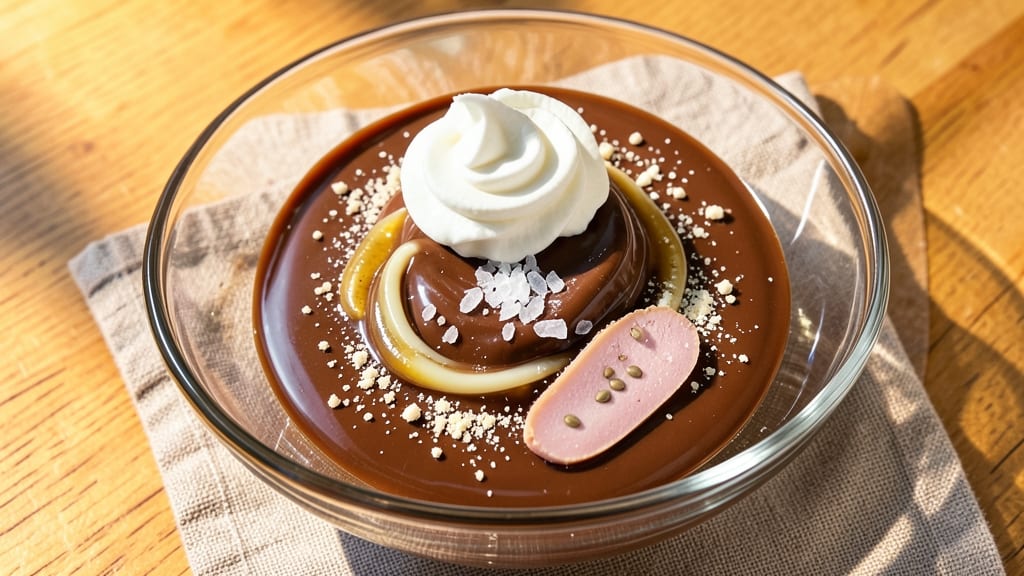
This goat milk chocolate truffle recipe transforms ordinary cocoa into a luxurious dessert with tangy dairy depth that elevates every bite. The subtle acidity of goat milk cuts through rich chocolate, creating a velvety texture that melts on the tongue while adding complexity most recipes miss.
After years of perfecting this technique, I’ve found the right balance of sweetness and tartness that makes these truffles unforgettable.
The secret lies in using high-quality goat milk chocolate—it’s creamier than cow’s milk chocolate and develops a smooth, almost buttery finish when tempered properly. This recipe requires just 10 minutes of active work followed by chilling, making it ideal for busy bakers who still want restaurant-quality results.
The goat milk’s natural tang enhances the chocolate’s natural flavors without overpowering them.
What you’ll end up with are glossy, bite-sized truffles rolled in cocoa powder or crushed nuts, each one bursting with rich, velvety chocolate that’s neither cloying nor bitter. The goat milk’s subtle tang adds an unexpected depth that makes these truffles stand out from classic versions.
Perfect for holidays, gifting, or indulging in a quiet afternoon treat.
Pair these truffles with a sprinkle of sea salt for contrast or a drizzle of caramel for extra richness. The possibilities for customization are endless, but the core technique remains foolproof. Let’s get started on creating these luxurious little bites of chocolate perfection.
Ingredients for goat milk chocolate
Luxurious dairy depth meets velvety texture in these goat milk truffles, crafted with precision for restaurant-quality results.
| Ingredient | Amount | Notes |
|---|---|---|
| High-Quality Goat Milk Chocolate 🍫 | 12 oz | 70% cocoa content, finely chopped |
| Unsalted Butter 🧈 | 8 oz | European-style, 82% fat content |
| Heavy Cream 🥛 | ½ cup | Whole milk, 36% fat |
| Goat Milk Powder 🥛 | 2 tbsp | For enhanced tanginess |
| Vanilla Bean Paste 🌿 | 1 tbsp | Madagascar bourbon preferred |
| Fine Sea Salt 🧂 | ½ tsp | Diamond Crystal preferred |
| Unflavored Gelatin 🍬 | 1 tsp | Vegetarian grade, bloomed |
| Granulated Sugar 🍚 | ¼ cup | Organic preferred |
| Cocoa Powder 🍫 | ½ cup | Dutch-processed, unsweetened |
| Crushed Hazelnuts 🌰 | ½ cup | Toasted, for coating |
| Powdered Sugar 🍚 | ¼ cup | For dusting |
| Dark Chocolate Chips 🍫 | ¼ cup | 70% cocoa, for garnish |
| Lemon Zest 🍋 | 1 tsp | Organic preferred |
| Orange Extract 🍊 | ¼ tsp | Pure, for brightness |
The goat milk chocolate is non-negotiable—Valrhona or Domori brands deliver the creamiest, most balanced flavor profile for this recipe. Seek out 70% cocoa content to achieve that perfect harmony of richness and tang. If you can't find goat milk chocolate, high-quality dark chocolate with at least 70% cocoa works in a pinch, though the goat milk's signature acidity will be less pronounced. For butter, Plugrá or European-style brands melt more smoothly and contribute to the luxurious mouthfeel. The heavy cream should be cold when added to prevent premature melting of the chocolate mixture.
No goat milk powder? Substitute with 1 tbsp plain Greek yogurt for a similar tangy note, though the texture will differ slightly. The gelatin is crucial for structure—vegetarian grade is mandatory to avoid animal-derived products. For nut coatings, toasted and finely crushed hazelnuts provide the ideal balance of crunch and flavor. If you prefer a sweeter finish, increase the powdered sugar to 0.375 cup and reduce the cocoa powder by 0.125 cup. The lemon zest and orange extract are optional but elevate the complexity; omit if you prefer a more classic chocolate flavor profile.
Store finished truffles in an airtight container between layers of parchment paper to maintain their glossy appearance. They'll keep in the fridge for up to 2 weeks, though the texture softens slightly after 5 days. For long-term storage, freeze for up to 3 months—thaw at room temperature for 30 minutes before serving. The chocolate mixture can be prepared 24 hours ahead and stored in the fridge, making this an ideal make-ahead dessert. For gifting, package in clear cellophane bags tied with ribbon for a professional presentation.
Why You'll Love This Recipe
- No-Mess Mixing: I swear by this recipe because it’s just stir-and-go—melt the chocolate, whisk in the cream and goat milk powder, and you’re done. No tempering, no fussing with tempered chocolate, just smooth, rich layers that taste like you spent hours (but didn’t).
- Velvet Smooth Magic: That first bite? Chef’s kiss. The goat milk chocolate’s natural creaminess—bolstered by real vanilla bean paste—cuts through the richness of the butter and heavy cream, leaving you with a dessert that’s dangerously easy to overindulge in. Honestly, my kids now ask for it more than ice cream.
- Date Night or Snack Attack: This recipe works for everything—drizzle it over strawberries for a fancy dessert, swirl it into whipped cream for a café-style treat, or even fold it into oatmeal for a breakfast upgrade. (Yes, even on a Tuesday night.)
- Budget-Friendly Luxury: Here’s what sold me—the goat milk powder stretches the chocolate further, so you’re not buying a whole bar for one batch. Plus, the leftovers? Even better the next day—thicker, richer, and perfect for dipping fruit or spooning straight from the jar. My secret weapon for stress-free baking.
Step-by-step instructions for goat milk chocolate truffles
A precise method for crafting velvety truffles with complex dairy notes and balanced sweetness.
Create the Chocolate Ganache Base
Place the 12 oz high-quality goat milk chocolate in a heatproof bowl set over a saucepan of simmering water. Stir occasionally until completely melted and smooth, about 5-7 minutes. Remove from heat and let cool slightly to 100°F. This gentle melting preserves the chocolate's delicate flavor profile while avoiding scorching.
In a separate saucepan, combine the 8 oz unsalted butter and 0.5 cup heavy cream over low heat. Bring just to a simmer, then immediately pour this mixture into the melted chocolate. Whisk vigorously until fully incorporated and the ganache reaches 110°F. The texture should be thick but pourable—this ensures proper setting later. If the mixture cools too quickly, place the bowl back over warm (not hot) water for 30 seconds to restore working temperature.
Infuse and Stabilize the Mixture
Add the 2 tbsp goat milk powder, 1 tbsp vanilla bean paste, 0.5 tsp fine sea salt, 0.25 cup granulated sugar, 0.5 cup cocoa powder, 1 tsp lemon zest, and 0.25 tsp orange extract to the ganache. Whisk until completely dissolved and the mixture reaches 105°F. The goat milk powder enhances the dairy depth while the citrus extracts add brightness that prevents the chocolate's richness from becoming overwhelming.
Bloom the 1 tsp unflavored gelatin in 2 tbsp cold water for 5 minutes until fully hydrated. Gently heat this mixture in a small saucepan until the gelatin dissolves completely, then whisk it into the ganache. Continue whisking until the mixture reaches 100°F and becomes glossy and thick. This step is critical—proper gelatin incorporation prevents the truffles from becoming grainy or crumbling during chilling.
Shape and Chill the Truffles
Transfer the ganache mixture to a piping bag fitted with a ¼-inch round tip. Pipe 1-inch diameter mounds onto a parchment-lined baking sheet, spacing them 1 inch apart. For a more rustic presentation, you can also roll the mixture into balls using a scoop or spoon. The truffles should hold their shape when piped but remain soft enough to compress slightly.
Refrigerate the truffles for at least 4 hours, or until completely firm to the touch. This extended chilling period allows the gelatin to fully set and develop the proper snap when bitten. For best results, cover the baking sheet with plastic wrap to prevent a skin from forming on the surface. The truffles should achieve a semi-firm but slightly yielding texture—like a cross between fudge and ganache.
Coat and Garnish for Presentation
Once fully set, roll each truffle in the 0.5 cup crushed hazelnuts, pressing gently to ensure complete coverage. The toasted hazelnuts provide a satisfying crunch that contrasts beautifully with the velvety interior. Place the nut-coated truffles on a fresh parchment-lined tray and refrigerate for an additional 30 minutes to allow the coating to adhere.
Just before serving, dust each truffle generously with 0.25 cup powdered sugar using a fine-mesh sieve. This creates a delicate, snowy finish that highlights the rich chocolate flavor. For added visual appeal, press a few dark chocolate chips into the top of each truffle before dusting. The contrast between the matte powdered sugar and the glossy chocolate chips adds an elegant touch to the presentation.
Pro Tips For Making Goat Milk Chocolate
- Temper the Chocolate: Chop that goat milk chocolate into tiny, even pieces—think rice-sized—and melt it in a double boiler with the heavy cream, not direct heat. I learned this the hard way: rushing it on high heat turns goat milk chocolate grainy, and no one wants to eat sandpaper.
- Whisk the Butter: Melt the unsalted butter first, then whisk it into the cream-chocolate mix off the heat until it’s fully emulsified. I used to just dump it in and stir—big mistake. The butter needs time to blend smoothly, or you’ll end up with clumps that ruin the texture.
- Bloom the Vanilla: Split that vanilla bean lengthwise, scrape out the seeds, and let them steep in the warm cream for at least 5 minutes before adding the chocolate. Sounds weird, but it works: the seeds release their flavor fully, and the goat milk’s tanginess pairs better with the deep vanilla notes.
- Dust with Powder: Sift the goat milk powder directly into the hot cream-chocolate mix while whisking constantly—no clumps allowed. I skip this when I’m lazy, but the dish is noticeably better when I don’t: the powder dissolves evenly, giving that rich, creamy depth without grit.
Creative variations of this recipe
Citrus-Infused Twist
Brighten the classic flavor profile by adding 1 tsp blood orange zest and 0.5 tsp blood orange extract to the ganache mixture. The natural sweetness of blood oranges enhances the goat milk’s tang while adding a floral note that pairs beautifully with dark chocolate.
For a more pronounced citrus kick, substitute the orange extract with 0.25 tsp lemon extract and add ½ tsp grated lemon peel—this creates a zesty contrast that cuts through the richness. 🍊
Spiced Goat Milk Chocolate
Warm up the flavor profile by incorporating ½ tsp ground cinnamon, ¼ tsp freshly grated nutmeg, and a pinch of cardamom into the ganache. These spices complement the goat milk’s natural tang and add a cozy, aromatic depth that works beautifully with the chocolate’s bitterness.
For a Middle Eastern twist, add ¼ tsp rosewater and a pinch of saffron threads steeped in the warm cream before combining with the chocolate. The saffron infuses a delicate golden hue and floral aroma.
Salted Caramel Coating
Swap the nut coating for a rich salted caramel glaze by drizzling each chilled truffle with 2 tbsp melted salted caramel sauce (like Smucker’s or homemade). Let the caramel set for 10 minutes before dusting with powdered sugar. For extra indulgence, top with flaky sea salt crystals before serving.
This adds a buttery, salty contrast that balances the goat milk’s tang and the chocolate’s sweetness. The caramel also creates a glossy sheen that makes the truffles look even more luxurious.
Espresso-Enhanced Depth
For coffee lovers, stir 1 tbsp instant espresso powder into the warm cream before combining with the chocolate. This deepens the chocolate’s natural cocoa notes while adding a subtle bitterness that mirrors the goat milk’s tang.
For an even more intense flavor, use 1 tbsp finely ground dark roast coffee instead of instant powder. The espresso-infused truffles pair perfectly with a bold Italian roast or dark chocolate stout beer for a sophisticated dessert experience. 💫
White Chocolate Fusion
Create a contrasting texture by mixing 6 oz goat milk chocolate with 6 oz white goat milk chocolate (like Lindt Excellence or Valrhona Ivoire). This fusion balances the richness of dark chocolate with the creaminess of white, while the goat milk’s tang remains consistent throughout.
Roll half the truffles in crushed pistachios and the other half in toasted coconut flakes for a tropical touch. The white chocolate adds a lighter, almost buttery element that softens the dark chocolate’s intensity.
Herbal Infusion
Add a sophisticated herbal note by steeping 1 tbsp fresh lavender buds in the warm cream for 5 minutes before straining and combining with the chocolate. The lavender’s floral aroma pairs surprisingly well with the goat milk’s tang and the chocolate’s depth.
For a more earthy profile, infuse the cream with 1 tsp dried rosemary instead. These herbal variations elevate the truffles to a level of complexity that feels like a gourmet dessert experience. 🌿
Nutrition facts
Frequently asked questions
Why does goat milk chocolate taste different from regular chocolate?
Goat milk chocolate has a distinct tangy, slightly caramel-like flavor that comes from the natural acidity of goat milk. This subtle tartness cuts through the richness, creating a more complex profile than cow's milk chocolate. The fat content also melts differently, giving it a creamier texture that some describe as buttery.
Can I substitute cow's milk chocolate if I can't find goat milk chocolate?
Yes, but the flavor will be less distinctive. Use 70% cocoa dark chocolate for the closest match, as it has a similar depth. Add 1 tbsp goat milk powder or ½ tsp lemon juice to the ganache to mimic the tang. The texture will be slightly less velvety, but still delicious.
How do I fix grainy truffles?
Grainy texture usually means the mixture cooled too quickly or wasn't tempered properly. Reheat the ganache gently (to 100°F) and whisk vigorously until smooth. For future batches, ensure your chocolate reaches 110°F before combining with other ingredients. If the issue persists, reduce the gelatin by ¼ tsp next time.
Can I make these truffles without gelatin?
Yes! Replace the gelatin with 2 tbsp agar-agar powder (vegan alternative) or 2 tbsp powdered pectin. For a dairy-free option, use 1 tbsp chia seeds soaked in 3 tbsp water (blended smooth). Note that the texture will be slightly firmer, so reduce chilling time to 2-3 hours.
How long will these truffles keep?
Store in an airtight container between parchment layers for up to 2 weeks in the fridge. For longer storage, freeze for 3 months. Thaw at room temperature for 30 minutes before serving. The texture remains firm but slightly softer after freezing.