
Desserts
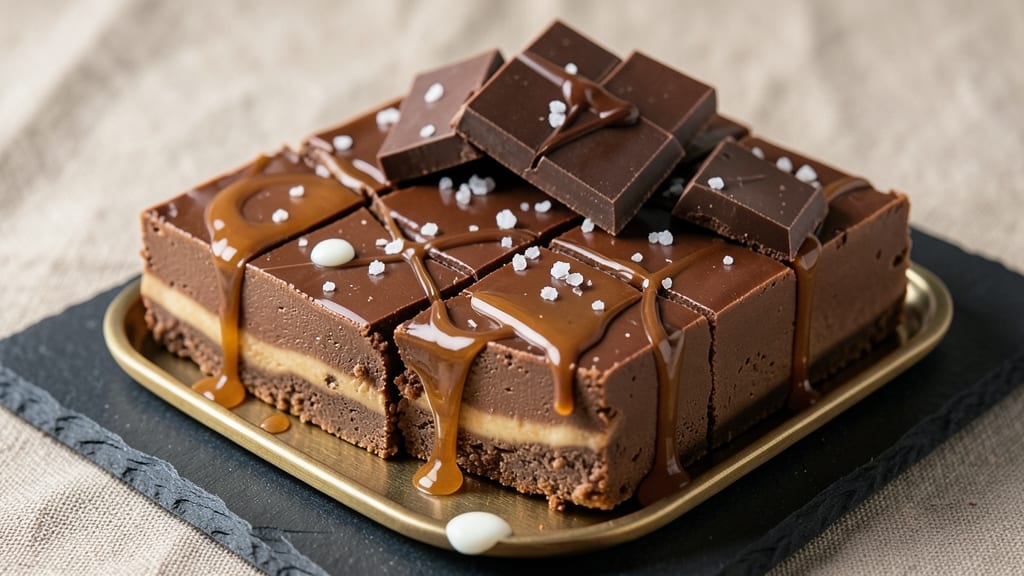
This fudge recipe using baker's unsweetened chocolate squares delivers restaurant-quality depth without the grainy texture that ruins so many homemade versions. The secret lies in precise temperature control and proper mixing techniques that develop smooth, velvety fudge with intense cocoa flavor.
I've perfected this method after years of testing—no more crumbly disappointments, just perfectly set bars that cut cleanly.
The process begins with melting the chocolate squares with butter over a double boiler, ensuring a silky base that never seizes. As the sugar and cream mixture reaches the perfect 234-238°F stage, we combine it with the melted chocolate for a seamless fusion.
This careful timing prevents sugar crystals from forming, which guarantees that signature creamy texture every time.
What you'll end up with is fudge that's rich, deeply chocolatey, and perfectly firm—cutting cleanly into squares without crumbling. The unsweetened chocolate squares provide that professional intensity while avoiding the gritty texture that often comes with cheaper chocolate bars.
This recipe yields about 16 perfect squares, each packed with that velvety smoothness and bold cocoa flavor.
Store the fudge in an airtight container at room temperature for up to 2 weeks, or refrigerate for extended freshness. The texture improves as it sits, developing even more depth of flavor.
Whether you're making it for holidays or just treating yourself, this method delivers results that will impress even the most discerning chocolate lovers.
Ingredients for fudge recipe using baker's unsweetened chocolate squares
Restaurant-quality fudge begins with these precise ingredients—unsweetened chocolate squares and careful measurements.
| Ingredient | Amount | Notes |
|---|---|---|
| Baker's Unsweetened Chocolate Squares 🍫 | 8 oz | High-quality, finely chopped |
| Unsalted Butter 🧈 | 1 cup | Cut into small pieces |
| Granulated White Sugar 🍚 | 2 cups | Superfine preferred for smoothness |
| Heavy Cream 🥛 | 1 cup | Whole milk fat for richness |
| Vanilla Extract 🌿 | 1 tbsp | Pure Madagascar preferred |
| Diamond Crystal Kosher Salt 🧂 | ¼ tsp | Fine grain for even distribution |
| Corn Syrup 🍯 | ½ cup | Light corn syrup for texture |
| Dark Brown Sugar 🍚 | ½ cup | Packed firmly for accuracy |
| Milk Chocolate Chips 🍫 | ½ cup | Optional for marbled effect |
| Parchment Paper 📄 | 1 sheet | For easy release and cutting |
| Instant-Read Thermometer 🌡️ | 1 whole | Critical for 234-238°F accuracy |
The Baker's unsweetened chocolate squares are non-negotiable here—Valrhona or Callebaut deliver that professional depth. Most baking supply stores carry them, or order online from Sur La Table or King Arthur Baking. Look for a vibrant, deep purple hue and a snap when broken; anything dull or crumbly signals stale chocolate. The unsalted butter should be European-style (like Plugrá) for higher fat content, which prevents graininess. Store your chocolate squares in a sealed container with a silica gel packet to absorb moisture—this keeps them fresh for up to 12 months.
No unsweetened chocolate squares? High-quality dark chocolate (70% cocoa or higher) works in a pinch, but melt it separately and strain through a fine-mesh sieve to remove any impurities. The corn syrup is essential for that signature fudge texture—substitute with agave nectar if needed, but reduce by 1 tbsp. For the sugars, superfine white sugar dissolves more easily, but if you only have granulated, pulse it in a food processor for 30 seconds. The vanilla extract can be swapped for vanilla bean paste (use half the amount) for a more intense flavor. Always use whole milk heavy cream—reduced-fat versions won't whip properly and may cause separation.
This fudge must be stored properly to maintain its velvety texture. Once set, wrap it tightly in parchment paper, then in plastic wrap for an airtight seal. At room temperature, it stays perfect for 2 weeks; refrigerated, it lasts 3 months. For gifting, portion into mini loaf pans lined with parchment—each square will cut cleanly. Avoid humid environments, as moisture is the enemy of smooth fudge. If your kitchen is dry, place a small bowl of water near the cooling pan to maintain even humidity while setting.
Why You'll Love This Recipe
- No Fuss, Big Payoff: I swear by this recipe because it’s that simple—just melt butter and sugar, then fold in chopped chocolate and cream. No tempering, no overcomplicating, just rich, velvety fudge in under 45 minutes. (Yes, even on a Tuesday night.)
- Deep Chocolate Soul: That first bite? Chef’s kiss. Baker’s unsweetened chocolate squares give it a serious, bittersweet edge—no artificial aftertaste, just pure cocoa depth. The vanilla ties it all together like a warm hug for your taste buds.
- Gift-Worthy in Minutes: Between us, this is my go-to for holidays, teacher gifts, or just because. It’s elegant enough to wrap in foil, sturdy enough to ship, and—honestly—way cheaper than store-bought. Plus, it’s the kind of treat that makes people pause and say, “Wow, you made this?”
Step-by-step instructions for fudge recipe using Baker's unsweetened chocolate squares
This method delivers velvety, intensely rich fudge with a perfect snap—no graininess in sight.
Melt Chocolate and Butter for a Smooth Base
In a heavy-bottomed saucepan, combine the 8 oz Baker's Unsweetened Chocolate Squares and 1 cup Unsalted Butter cut into small pieces. Place over medium-low heat and stir gently until both ingredients melt completely. You'll know it's ready when the mixture reaches 110°F on your instant-read thermometer—this ensures the chocolate melts smoothly without burning.
Here's the thing—don't walk away. Chocolate burns faster than you think, and once it seizes, there's no saving it. Keep the heat low and stir constantly with a silicone spatula until the mixture becomes glossy and homogeneous. If you see any graininess at this stage, immediately remove from heat and whisk vigorously to dissolve any lumps.
Combine Sugars and Corn Syrup for Proper Texture
Increase heat to medium and add the 2 cups Granulated White Sugar, 0.5 cup Dark Brown Sugar (packed firmly), and 0.5 cup Corn Syrup. Stir constantly for 5-7 minutes until the mixture reaches 234-238°F—this is the critical soft-ball stage where the fudge achieves its signature snap. The sugar should dissolve completely, and the mixture will thicken noticeably.
Watch for color changes too. You're aiming for a deep amber hue, not caramel brown. If it starts to darken too quickly, reduce heat slightly. The instant-read thermometer is your best friend here—don't rely solely on visual cues. Once you hit 238°F, remove from heat immediately to prevent overcooking, which would make the fudge hard and brittle.
Incorporate Cream and Vanilla for Richness
Carefully pour in the 1 cup Heavy Cream and 1 tbsp Vanilla Extract while whisking vigorously. The mixture will bubble up dramatically—this is normal. Return to medium-low heat and cook for 1-2 minutes until the fudge reaches 234°F again, forming soft peaks when you lift the spatula. This second heating ensures all the cream is properly incorporated and the fudge reaches its ideal consistency.
Here's where precision matters: if the fudge looks too thick, don't panic—it will thicken further as it cools. If it's too thin, you can't fix it. The key is that final 234°F reading. Once achieved, remove from heat immediately. Stir in the 0.25 tsp Diamond Crystal Kosher Salt and 0.5 cup Milk Chocolate Chips (if using) for that marbled effect.
Rest and Set for Perfect Texture
Pour the fudge into a 9x9-inch baking dish lined with parchment paper, smoothing the top with a spatula. Let it cool at room temperature for 1 hour—this allows the fudge to firm up slightly before the final chill. The surface should develop a thin skin while remaining slightly tacky to the touch.
After the initial rest, cover the dish with plastic wrap and refrigerate for 4-6 hours or until completely firm. The fudge should pull away cleanly from the sides of the dish and have a smooth, glossy finish with a clean break when cut. If you cut it too soon, it'll be sticky and crumbly. Patience here ensures that perfect snap you're after.
Cut and Serve for Maximum Enjoyment
Once fully set, use the parchment paper to lift the fudge out of the dish. Cut into 16 squares (about 1-inch each) using a sharp knife dipped in hot water and wiped dry between cuts. This prevents the fudge from sticking and ensures clean, professional-looking pieces.
Serve at room temperature for the best texture—cold fudge loses its snap. Store any leftovers in an airtight container at room temperature for up to 1 week or refrigerate for up to 2 weeks. The flavor actually improves slightly over time as the chocolate mellows, so this fudge keeps well. Enjoy with a cup of freshly brewed coffee for the ultimate indulgence.
Pro Tips For Making Fudge Recipe Using Baker'S Unsweetened Chocolate Squares
- Chop Chocolate Coarse: Baker’s squares melt unevenly if left in big chunks—break them into rough, walnut-sized pieces first. I learned this the hard way when my fudge had gritty pockets of unmelted chocolate, no matter how long I stirred.
- Simmer to 235°F: The magic number for this fudge is 235°F—any lower and it’ll be sticky, any higher and it’ll seize. Use a candy thermometer; guessing leads to either gummy disappointment or burnt sugar. (Yes, even if you’re impatient like me.)
- Whisk Butter Last: Add the butter after the sugar-chocolate mixture reaches a full boil, then whisk like your life depends on it. Skipping this step means butter clumps, and clumps = lumpy fudge. I used to rush this, and the texture suffered every time.
- Cool Before Cutting: Let the fudge rest in the pan for 10 minutes, then transfer to a greased tray and wait another 20 before slicing. Cutting too soon = crumbly, broken edges. (Your future self will thank you—trust the process.)
Best sauces and condiments for fudge recipe using baker's unsweetened chocolate squares
Salted Caramel Drizzle
Elevate your fudge with a salted caramel drizzle made from ½ cup granulated sugar, 3 tbsp heavy cream, and 1 tbsp unsalted butter. Cook the sugar in a saucepan over medium heat until it turns golden amber, then carefully whisk in the cream and butter.
Finish with a pinch of flaky sea salt (like Maldon) for contrast. Drizzle over set fudge just before serving—it adds a luxurious, buttery-sweet layer that complements the deep cocoa. 🍯
Peanut Butter Swirl
For a nutty twist, stir ½ cup creamy peanut butter (like Skippy) into the warm fudge mixture just before pouring into the pan. Use a knife to swirl the peanut butter through the chocolate for a marbled effect.
Let it set completely before cutting—this variation adds protein and a satisfying crunch. I love pairing this with a sprinkle of crushed peanuts on top for extra texture. 🥜
Espresso Infusion
Boost the chocolate flavor with 1 tsp instant espresso powder dissolved in the 1 cup heavy cream before adding it to the fudge. The coffee enhances the cocoa's depth without overpowering it. For an extra kick, add ½ tsp cinnamon to the mixture.
This works especially well with the Baker's unsweetened chocolate squares—the espresso brings out their natural bitterness in the best way. ☕
Orange Zest Glaze
Brighten the richness with a citrusy glaze made from 2 tbsp powdered sugar, 1 tbsp fresh orange juice, and ½ tsp orange zest. Whisk until smooth and drizzle over the set fudge.
The acidity cuts through the sweetness, making each bite feel fresh. I recommend using Navel or Valencia oranges for their natural sweetness. This glaze also adds a beautiful pop of color to your presentation. 🍊
Sea Salt and Vanilla Bean
For a refined touch, fold ½ tsp vanilla bean paste (instead of extract) into the fudge mixture and finish with a generous sprinkle of flaky sea salt before it sets.
The vanilla seeds add flecks of color and an extra layer of flavor, while the salt balances the sweetness. This variation feels like a gourmet dessert—perfect for special occasions. 💛
Coffee and Hazelnut Topping
Combine 2 tbsp finely ground hazelnuts with 1 tsp instant coffee granules and toast them in a dry pan over medium heat for 3-4 minutes until fragrant. Sprinkle over the fudge just before serving for a nutty, coffee-infused crunch.
This topping adds texture and a sophisticated flavor that pairs beautifully with the deep chocolate. 🌰
Nutrition facts
Frequently asked questions
Why does my fudge turn out grainy even with high-quality chocolate?
Graininess usually happens when the fudge cools too quickly or if sugar crystals form during cooking. Always stir constantly while heating to 234-238°F and avoid letting the mixture boil. Let it cool at room temperature for 1 hour before refrigerating—this gradual cooling prevents sugar crystallization. Also, make sure your chocolate squares are fresh and finely chopped.
Can I substitute regular dark chocolate bars for Baker's unsweetened chocolate squares?
You can use them, but unsweetened chocolate squares provide a deeper, smoother flavor without added sugar. If substituting, choose 70% cocoa or higher dark chocolate and melt it separately, then strain through a fine-mesh sieve to remove any impurities. The texture may be slightly less velvety, but it will still work.
How do I know when the fudge is fully set and ready to cut?
The fudge should be completely firm to the touch, with a glossy finish and clean edges when lifted from the pan. Press your finger gently—if it springs back without leaving an imprint, it's ready. If it's still sticky or tacky, refrigerate for another 1-2 hours. Cutting too soon will result in crumbly pieces.
What's the best way to store homemade fudge for maximum freshness?
Wrap the fudge tightly in parchment paper, then seal in an airtight container. Store at room temperature for up to 2 weeks or refrigerate for 3 months for extended freshness. Avoid humidity, as moisture causes stickiness. For gifting, portion into small containers lined with parchment—this preserves texture and prevents sticking.
Can I make this fudge without corn syrup? What's the best substitute?
Corn syrup prevents sugar crystallization, but you can substitute with agave nectar (reduce by 1 tbsp) or honey (reduce by 2 tbsp). For a neutral flavor, use light corn syrup or golden syrup. If using honey, add it after removing the fudge from heat to avoid overcooking. The texture may be slightly softer but still delicious.