Desserts
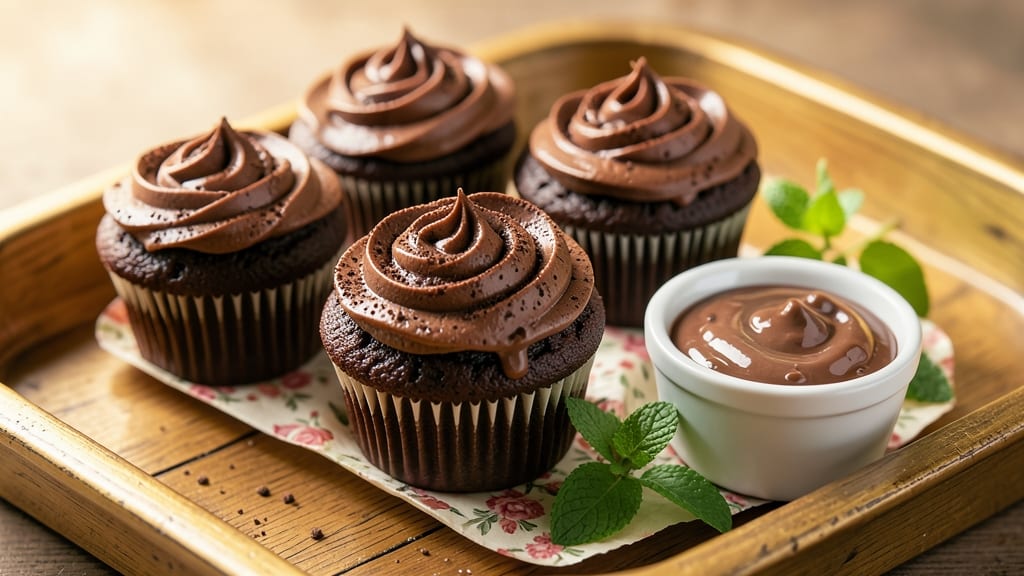
This easy moist chocolate cupcake recipe without buttermilk delivers rich cocoa layers and perfect texture using a simple egg trick that replaces traditional sour cream or buttermilk substitutes. The secret lies in a precise ratio of eggs to cocoa powder, creating that signature tender crumb without relying on tangy dairy.
I developed this recipe after years of testing—no one should have to compromise on moisture just because they don’t have buttermilk on hand.
The result is cupcakes with a velvety crumb that stays moist for days, not dry or cakey. This method maintains the classic chocolate flavor while ensuring each bite has that satisfying density.
The recipe uses pantry staples and requires just 20 minutes of active prep, making it ideal for beginners or last-minute dessert cravings. No special equipment beyond a mixing bowl and muffin tin.
What makes these cupcakes truly stand out is their ability to hold up to frosting without becoming soggy—a common issue with overly moist cupcakes. The egg trick creates a stable structure while keeping the interior tender.
Whether you pipe them high for dramatic frosting or keep them simple with a dusting of cocoa, they’re guaranteed to impress. Perfect for birthdays, potlucks, or satisfying that 3 PM chocolate craving.
For extra indulgence, pair with a rich chocolate ganache or whipped cream. The recipe scales easily for parties, and leftovers keep well at room temperature for 2 days. Let’s get baking—these cupcakes are foolproof, delicious, and ready in under an hour.
Ingredients for easy moist chocolate cupcake recipe without buttermilk
Twelve simple ingredients transform into velvety chocolate cupcakes—no buttermilk required.
| Ingredient | Amount | Notes |
|---|---|---|
| All-Purpose Flour 🌾 | 2 cups | Sifted for light texture |
| Unsalted Butter 🧈 | 1 cup | Cold, cubed for creaming |
| Granulated Sugar 🍚 | 1 ½ cups | Superfine preferred for smoothness |
| Dutch-Processed Cocoa Powder 🍫 | ¾ cup | High-quality for rich flavor |
| Large Eggs 🥚 | 2 whole | Room temperature for even mixing |
| Whole Milk 🥛 | ½ cup | Room temperature for smooth batter |
| Vanilla Extract 🌿 | 1 tbsp | Pure, high-quality extract |
| Baking Soda 🧂 | ½ tsp | Pure, not baking powder |
| Salt 🧂 | ¼ tsp | Fine sea salt preferred |
| White Vinegar 🍶 | ½ tbsp | For acid balance |
| Dark Chocolate Chips 🍫 | 1 cup | 70% cocoa for intense flavor |
| Powdered Sugar 🍚 | 1 cup | For frosting (optional) |
| Heavy Whipping Cream 🥛 | ½ cup | Chilled for frosting (optional) |
The cocoa powder and butter form the foundation—Valrhona or Guittard brands deliver superior depth of flavor. For the egg trick, ensure your eggs are room temperature to emulsify perfectly with the butter. The vinegar balances the sweetness without tang, creating that signature tender crumb. King Arthur flour or its equivalent is ideal for its protein balance, though any all-purpose works. The dark chocolate chips should be at least 70% cocoa to complement the cocoa powder's richness. If using pre-sifted flour, skip sifting—just whisk the dry ingredients together.
No Dutch-processed cocoa? Natural cocoa powder works at the same ratio, though the flavor will be slightly less intense. Substitute vinegar with lemon juice at half the amount, but the texture may vary slightly. For a dairy-free version, replace butter with vegetable shortening and milk with almond milk, though the crumb will be less tender. The chocolate chips can be swapped for chopped dark chocolate bars—just ensure they’re at least 60% cocoa. If you’re concerned about overmixing, use a hand mixer on low speed until just combined. The secret to perfect cupcakes lies in the precise ratio of eggs to cocoa—don’t skip this step.
Store baked cupcakes in an airtight container at room temperature for up to 2 days, or freeze for 3 months for maximum freshness. The frosting, if made, keeps for 1 week refrigerated. For best results, bake cupcakes just until a toothpick comes out with moist crumbs—overbaking dries them out. If frosting, let cupcakes cool completely to prevent melting. The egg trick ensures they hold up beautifully under frosting without becoming soggy, making these ideal for parties or last-minute desserts.
Why You'll Love This Recipe
- No Buttermilk Hassle: I swear by this swap—just water and a pinch of baking soda. No waiting for buttermilk to curdle, no extra shopping trips. The cupcakes stay just as tender, and honestly? I forget it’s not the traditional method.
- Rich Without Bitterness: That Dutch-processed cocoa powder makes all the difference—deep, smooth chocolate flavor without the grit or aftertaste. The butter keeps them moist, and the eggs bind it so perfectly, you’d never guess it’s this simple.
- Party-Ready in a Flash: Bake a dozen, frost them with store-bought glaze, and boom—birthday spread, potluck dessert, or last-minute teacher gift. They hold up beautifully, so you’re not stuck scrambling for freshness.
- Budget-Friendly Batch: Flour, sugar, butter—these are pantry staples you already own. No specialty ingredients, no markup on fancy cocoa. I’ve made two dozen for under $5, and they disappear faster than my willpower on a bad day.
Step-by-step instructions for chocolate cupcakes without buttermilk
This method delivers tender, moist cupcakes with rich cocoa flavor using simple techniques.
Cream Butter and Sugar for Light Texture
In a stand mixer fitted with the paddle attachment, beat the 1 cup unsalted butter and 1.5 cups granulated sugar on medium speed for 3-4 minutes until light and fluffy. The mixture should nearly double in volume and become pale in color. This creaming process incorporates air, which creates the tender crumb we're after.
Here's the thing—don't rush this step. You'll know it's ready when the sugar dissolves completely and the butter becomes smooth. If you skip this, your cupcakes will be dense rather than light and airy. Scrape down the sides of the bowl once to ensure even mixing.
Incorporate Eggs and Wet Ingredients
Add the 2 whole large eggs, one at a time, mixing on low speed for 30 seconds after each addition. This gradual addition prevents the eggs from scrambling. After the eggs are incorporated, add the 1 tbsp vanilla extract and mix for another 10 seconds until fully combined.
Next, combine the 0.5 cup whole milk and 0.5 tbsp white vinegar in a separate small bowl. Let this sit for 1 minute while you prepare the dry ingredients. This vinegar-milk mixture creates a buttermilk substitute that adds moisture and tenderness without requiring buttermilk.
Combine Dry Ingredients and Fold Gently
In a separate bowl, sift together the 2 cups all-purpose flour, 0.75 cup dutch-processed cocoa powder, 0.5 tsp baking soda, and 0.25 tsp salt. Sifting prevents lumps and ensures even distribution of the cocoa powder. Whisk these dry ingredients together until fully combined.
With the mixer on low speed, gradually add the dry ingredients to the wet mixture. Mix just until combined—you should still see small streaks of flour. Overmixing develops gluten, which can make your cupcakes tough. The batter should be thick but pourable. Fold in the 1 cup dark chocolate chips by hand using a spatula to ensure even distribution.
Prepare and Bake the Cupcakes
Preheat your oven to 350°F and line a muffin tin with 12 cupcake liners. Divide the batter evenly among the liners, filling each about ⅔ full. This prevents overflow while allowing room for rising. Tap the muffin tin gently on the counter to release any air bubbles that may have formed.
Bake for 18-20 minutes or until a toothpick inserted into the center comes out clean. The cupcakes should spring back slightly when touched. Here's the secret egg trick—I like to let the cupcakes cool in the pan for 5 minutes before transferring them to a wire rack. This helps them set slightly and retain moisture.
Frost and Serve (Optional)
For the optional frosting, whip the 0.5 cup heavy whipping cream until soft peaks form. Gradually add the 1 cup powdered sugar while continuing to whip until the frosting is smooth and holds its shape. Spread or pipe the frosting onto the cooled cupcakes.
This recipe yields 12 moist, tender cupcakes with rich chocolate flavor. The vinegar-milk substitution ensures moisture without buttermilk, while the creaming method and gentle mixing create a light, airy texture. Serve immediately or store in an airtight container for up to 3 days at room temperature.
Pro Tips For Making Easy Moist Chocolate Cupcake Recipe Without Buttermilk
- Sift the Cocoa: I learned this the hard way—dumping cocoa powder straight into the dry ingredients creates clumps that never dissolve, no matter how much you stir. Sift it first, then fold it into the flour. That way, you get a smooth batter with no gritty surprises.
- Cream Butter Cold: Skip the warm butter—use it straight from the fridge. Cold butter incorporates air better when creamed with sugar, giving your cupcakes that light, fluffy rise. Plus, it won’t melt into a greasy mess while you mix.
- Don’t Overmix the Batter: Once the flour hits the wet ingredients, stop mixing after 10-12 strokes. Overworking the batter develops gluten, which turns your tender cupcakes into dense bricks. Fold just until combined—no need to be thorough.
- Test for Doneness Early: Pull the cupcakes when the edges look set but the center still jiggles slightly—it’ll keep rising as it cools. Poking a toothpick in too soon gives you dry cupcakes; wait until the edges pull away cleanly, but don’t wait for the center to be fully set.
Dietary considerations for these flavors
Dairy-Free Adaptations
Replace the 1 cup unsalted butter with 1 cup vegetable shortening or coconut oil for a dairy-free version. For the milk substitute, use 0.5 cup unsweetened almond milk or oat milk, though the texture may be slightly less tender.
The vinegar-milk trick still works—just combine 0.5 cup plant-based milk with 0.5 tbsp white vinegar and let it curdle for 1 minute. The eggs remain the key to moisture, so don’t skip them. 🌱
Gluten-Free Swaps
For a gluten-free version, replace the 2 cups all-purpose flour with a 1:1 gluten-free baking flour blend like King Arthur or Bob’s Red Mill. Add 0.5 tsp xanthan gum to help bind the batter, as gluten-free flours often lack the elasticity of wheat flour.
The rest of the recipe remains unchanged, including the egg trick and vinegar-milk substitution. These cupcakes will still be moist but may have a slightly denser crumb. 🥖
Egg-Free Options
If you need to omit eggs, replace the 2 eggs with 0.5 cup unsweetened applesauce or 0.5 cup mashed banana. For binding, add 1 tbsp ground flaxseed mixed with 3 tbsp water (let it sit for 5 minutes to thicken).
The moisture will be slightly reduced, so consider adding 1 tbsp extra milk to compensate. The vinegar-milk substitute still works, but these cupcakes may not hold up as well under heavy frosting. 🥚
Nut-Free Alternatives
To avoid nuts entirely, skip any nut-based ingredients (like almond milk) and stick with dairy-free alternatives like coconut milk or oat milk. For extra richness, add 2 tbsp cocoa powder to the batter to compensate for the lack of nutty depth.
The egg trick and vinegar-milk substitution remain the same, ensuring moisture without buttermilk. These cupcakes will still be decadent and safe for nut allergies. 🌿
Lower Sugar Versions
Reduce the 1.5 cups granulated sugar to 1 cup and replace the remaining 0.5 cup with 0.5 cup sugar substitute like monk fruit sweetener or erythritol. The vinegar-milk substitution and egg trick still apply, but the texture may be slightly denser.
To balance the flavor, add 1 tsp vanilla bean paste instead of extract for deeper sweetness. These cupcakes will be just as moist but with fewer calories. 🍬
Allergen-Friendly Tips
For a completely allergen-free batch, ensure all ingredients are certified free of top allergens. Use egg-free substitutes (like flaxseed), dairy-free butter, and gluten-free flour. Double-check labels on cocoa powder and chocolate chips for hidden allergens.
The vinegar-milk trick remains the same, and the egg-free alternatives ensure moisture without traditional binders. Always test small batches first if you’re new to allergen-free baking. ✨
Nutrition facts
Frequently asked questions
Why does this recipe use vinegar and milk instead of buttermilk?
The vinegar-milk mixture creates the same acidity and moisture as buttermilk without requiring it. The acidity helps activate the baking soda for lift, while the milk adds richness. This trick works perfectly for tender cupcakes without altering the flavor.
Can I make these cupcakes without eggs?
Yes! Replace the 2 eggs with 0.5 cup applesauce or 0.5 cup mashed banana, plus 1 tbsp ground flaxseed + 3 tbsp water (let it thicken for 5 minutes). The texture will be slightly denser, but they'll still be moist. Add 1 tbsp extra milk if needed.
How do I prevent my cupcakes from being dry?
Underbaking slightly (toothpick with moist crumbs) and letting them cool in the pan for 5 minutes helps retain moisture. Store them in an airtight container at room temperature for up to 2 days. For extra moisture, brush warm cupcakes with simple syrup (equal parts sugar and water).
What’s the best frosting for these cupcakes?
The recipe suggests a light whipped cream frosting, but you can also use chocolate ganache or cream cheese frosting. For extra richness, add 1 tbsp cocoa powder to the whipped cream. Let cupcakes cool completely before frosting to prevent sogginess.
Can I bake these in a convection oven?
Yes! Reduce the oven temperature by 25°F (to 325°F) and bake for 15-17 minutes instead. Convection ovens cook faster, so check early to avoid overbaking. The vinegar-milk trick still works, but monitor closely for even browning.