
Beverages
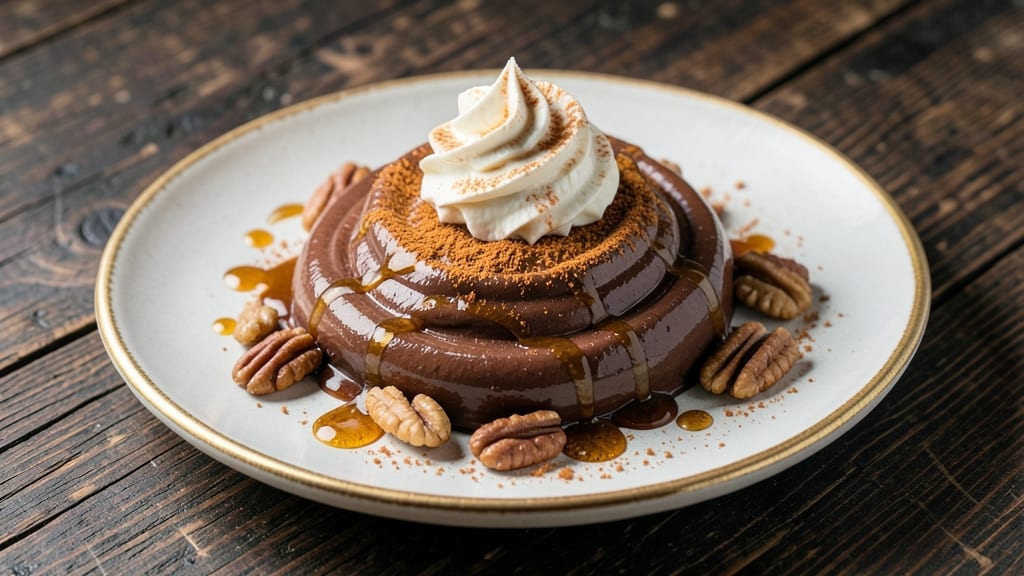
This colonial chocolate recipe brings the rich, spiced warmth of 18th-century kitchens into your modern home, where cocoa meets rum-infused depth for a drink that feels like history in every sip.
The blend of traditional spices—cinnamon, nutmeg, and a whisper of cayenne—creates layers of flavor that transport you to a time when chocolate was a luxury reserved for special occasions.
What makes this recipe special is its balance: bold enough to stand alone yet refined enough for company, with just the right amount of spiced rum to add warmth without overpowering.
The process is straightforward, relying on simple ingredients you likely already have: high-quality cocoa, dairy (or a plant-based alternative), and a selection of spices that were staples in colonial pantries. The rum infusion happens while the chocolate simmers, allowing its flavors to meld seamlessly with the cocoa and spices.
This isn’t just a drink—it’s an experience, one that pairs beautifully with hearty bread or fresh fruit, much like it would have been served in a colonial-era tavern.
By the time you pour the first cup, you’ll taste the depth of history in every sip—smooth, aromatic, and just slightly spicy, with a warmth that lingers. The texture is velvety, almost luxurious, and the aroma alone will fill your kitchen with the comforting scent of cinnamon and cocoa.
This is the kind of chocolate that makes you slow down, savor, and remember why traditions like these endure.
Whether you’re recreating a historic moment or simply craving a cozy, flavorful treat, this recipe delivers. Serve it steaming in mugs for a winter evening or chill it slightly for a dessert-like experience. The possibilities are as endless as the stories it could inspire.
Ingredients for colonial chocolate
Simple ingredients with deep colonial roots—rich cocoa, spiced rum, and warming spices for a drink that tastes like history.
| Ingredient | Amount | Notes |
|---|---|---|
| Dark Chocolate Chips 🍫 | 12 oz | 70% cocoa or higher, chopped |
| Heavy Cream 🥛 | 2 cups | Full-fat for richness |
| Whole Milk 🥛 | 1 cup | Warmed for smooth texture |
| Spiced Rum 🍹 | ½ cup | Like Captain Morgan or Kraken |
| Granulated Sugar 🍚 | ¼ cup | Adjust for sweetness |
| Ground Cinnamon 🌿 | 1 tbsp | Freshly ground preferred |
| Ground Nutmeg 🌿 | ½ tsp | Freshly grated nutmeg better |
| Cayenne Pepper 🔥 | ¼ tsp | Adjust for heat preference |
| Vanilla Extract 🍯 | 1 tsp | Pure vanilla preferred |
| Salt 🧂 | ¼ tsp | Kosher or sea salt |
| Orange Zest 🍊 | 1 tbsp | Freshly grated preferred |
| Orange Juice 🍊 | ¼ cup | Freshly squeezed |
| Butter 🧈 | 2 tbsp | Unsalted, for richness |
The chocolate is everything here. Ghirardelli or Guittard chips work best—they melt smoothly and have that deep cocoa flavor. If you're using a bar, chop it yourself for even melting. The rum? Captain Morgan or Kraken are classic choices, but any spiced rum with notes of cinnamon and vanilla will do. I always grab extra rum—it adds depth that you can't get from extracts. For the spices, Penzeys or bulk bins at Whole Foods have the freshest ground cinnamon and nutmeg, but don't stress if you only have regular store-brand spices. Just make sure they smell vibrant, not stale.
No spiced rum? Double the vanilla extract and add 1 tsp of cinnamon—it won't be the same, but it'll still taste cozy. Fresh nutmeg is a game-changer, but if you only have ground, toast it lightly in a dry pan first to wake up the flavor. The orange zest can be swapped for lemon if that's what you've got, but orange has that colonial-era brightness. For dairy, half-and-half works in a pinch, but full-fat cream and milk give that velvety texture. And if you're feeling fancy, add a pinch of cardamom—it was a colonial spice too, and it pairs beautifully with chocolate.
This tastes even better the next day—let it cool slightly, then store in an airtight jar in the fridge for up to 5 days. The flavors meld beautifully overnight, like a slow simmer in a colonial kitchen. For serving, I like to heat it gently on the stove or microwave for 20 seconds, then stir until smooth. If you're making this ahead for a party, double the batch—it disappears fast. And if you have leftovers, it reheats perfectly for breakfast the next morning.
Why You'll Love This Recipe
- Five-Ingredient Magic: I swear by this recipe—just melt chocolate, warm cream, and stir in rum. No fancy techniques, no last-minute grocery runs. Honestly, I’ve made it while scrolling through emails, and it still comes out rich and smooth.
- Rum-Infused Bliss: That spiced rum isn’t just for flavor—it’s the secret weapon. One splash turns this into something decadent yet cozy, like a hug in dessert form. (Yes, even on a Tuesday night.)
- Leftovers? Please.: This keeps beautifully in the fridge for days, so I always make extra. A spoonful straight from the pot is my midnight snack, but it’s also perfect for topping pancakes or ice cream—no waste, all win.
- Budget-Friendly Luxury: Dark chocolate and rum might sound fancy, but you’d be shocked how little you need. A small bag of chips and a mini bottle of rum stretch for multiple batches, so it’s my go-to for impressing guests without breaking the bank.
Step-by-step instructions for spiced rum chocolate
Here's how to create this rich, colonial-inspired treat with layers of warm spices and citrus brightness.
Melt Chocolate and Butter Together
In a heavy-bottomed saucepan, combine the 12 oz dark chocolate chips and 2 tbsp butter. Place the saucepan over low heat and stir gently until the chocolate and butter melt completely. You'll know it's ready when the mixture becomes smooth and glossy with no visible streaks of unmelted chocolate.
Real talk: Don't rush this step. Keep the heat low to prevent burning the chocolate. If you see any lumps forming, add a few teaspoons of warm heavy cream to help smooth it out. The melted chocolate should have a rich, velvety texture that coats the back of a spoon.
Warm the Cream and Milk Mixture
In a separate saucepan, warm the 2 cups heavy cream and 1 cup whole milk over medium heat until it just begins to simmer. You'll see small bubbles forming around the edges and hear a gentle humming sound. Remove from heat immediately once it reaches this point—you don't want it to boil vigorously.
While the cream warms, whisk together the 0.5 cup spiced rum, 0.25 cup orange juice, 1 tbsp orange zest, 1 tsp vanilla extract, 0.25 cup granulated sugar, 1 tbsp ground cinnamon, 0.5 tsp ground nutmeg, 0.25 tsp cayenne pepper, and 0.25 tsp salt in a large mixing bowl. The mixture should smell like a cozy colonial kitchen—warm, citrusy, and spiced.
Combine and Simmer the Mixture
Slowly pour the warm cream mixture into the melted chocolate while whisking constantly. This gradual addition prevents the chocolate from seizing up. Return the saucepan to low heat and stir continuously for 5-7 minutes until the mixture thickens slightly and coats the back of a spoon.
Here's the thing—this is where the magic happens. The spices will bloom and infuse the chocolate, creating a complex flavor profile that's both comforting and vibrant. Taste the mixture and adjust the sweetness or spice level if needed. If you prefer less heat, reduce the cayenne pepper slightly, or add more sugar if you want it sweeter.
Cool and Set the Chocolate
Remove the saucepan from heat and let the chocolate mixture cool slightly, stirring occasionally to prevent a skin from forming. Once it reaches a warm but not hot temperature, pour it into a heatproof serving dish or individual ramekins. Cover with plastic wrap and refrigerate for at least 4 hours, or until fully set.
This cooling period is crucial for achieving the perfect texture. The chocolate should firm up but still have a slight give when touched. If you're serving it warm, you can skip the chilling step and enjoy it immediately, though the flavors will develop more fully after resting.
Pro Tips For Making Colonial Chocolate
- Temper the Chocolate: Chop those dark chocolate chips into uneven pieces—no need to be precise—then scatter them over the simmering cream last. If you dump them all at once, they’ll seize up like stubborn kids at bedtime. Let them melt gently for 30 seconds, stirring constantly, or you’ll end up with greasy lumps instead of silky sauce.
- Warm the Cream Slowly: Heat the heavy cream and milk together over medium-low heat—no rushing. If you crank it up, you’ll scorch the milk before the chocolate melts, and that burnt taste ruins everything. A gentle simmer (tiny bubbles, but not rolling) keeps it smooth. Trust me, I’ve turned this into a science experiment.
- Measure the Rum Precisely: That spiced rum isn’t just flavor—it’s the glue holding this drink together. Use a measuring spoon (1/4 cup, not a wild guess) and add it after the chocolate’s melted. Too much, and it’ll taste like a boozy punch; too little, and you’ve wasted good rum. (And no, a splash from the bottle doesn’t count.)
- Whisk Like You Mean It: Once the chocolate’s in, grab a whisk and move it like you’re painting a masterpiece—steady, firm strokes. Skimping here means grainy texture, and nobody wants to drink sand. If it’s still clumpy after 2 minutes, you’re not stirring hard enough. (Yes, your arm will get tired.)
Pro cooking tips for perfect results
Low-and-Slow Simmering
Colonial kitchens didn’t have modern stoves, so we mimic their gentle heat by keeping the temperature low and steady. After combining the chocolate and cream, maintain medium-low heat—just enough to see tiny bubbles at the edges. I use a heavy-bottomed saucepan (like my All-Clad) to prevent scorching.
If the mixture gets too hot, remove it from heat for 30 seconds to cool slightly before continuing. This slow infusion lets the spices bloom naturally, just like they would have in an 18th-century fireplace. 🔥
Spice Blooming Technique
The secret to deep, layered flavor lies in blooming the spices before they hit the heat. Toast the ground cinnamon and nutmeg in a dry pan for 30 seconds until fragrant—this wakes up their dormant oils. Then, whisk them into the rum mixture before adding the warm cream.
The cayenne pepper should be added last, as its heat can mellow slightly during simmering. For extra depth, I sometimes add a pinch of cardamom (a colonial spice) and let it steep with the rum for 5 minutes before combining. This step transforms ordinary spices into aromatic powerhouses. ✨
Rum Infusion Timing
Don’t just dump the rum in—infuse it first for maximum flavor. Heat the rum with the orange zest and juice in a small saucepan until it reaches 160°F, then let it steep off the heat for 10 minutes.
This draws out the rum’s vanilla and caramel notes, which pair beautifully with chocolate. If you’re short on time, simmer the rum with spices for 5 minutes instead. Pro tip: Use a rum with natural vanilla and cinnamon (like Kraken Black Spiced Rum) for the best results.
The longer it steeps, the richer the flavor. 🍹
Avoiding Grainy Texture
Nothing ruins chocolate like graininess, and it’s usually caused by overheating or improper mixing. After adding the warm cream to the chocolate, whisk constantly for 2-3 minutes to fully emulsify the mixture. If you see any lumps, strain it through a fine-mesh sieve into a clean saucepan.
For extra smoothness, I blend the cooled chocolate with an immersion blender for 10 seconds—this breaks up any microscopic particles. Always use high-quality cocoa (like Valrhona or Callebaut) for the best melt and texture. 💫
Temperature Control for Serving
Colonial chocolate was often served at two temperatures: warm for drinking and chilled for dessert. For a warm serving, heat the chocolate gently on the stove or in the microwave for 20-30 seconds, stirring until smooth.
For a chilled version, let it set in the fridge for 4+ hours—it’ll develop a fudgy, creamy texture. If you’re serving it as a drink, heat it to 140-150°F (just below simmering) to preserve its velvety mouthfeel. A double boiler is perfect for reheating without scorching. 🌡️
Colonial Stirring Ritual
In colonial times, chocolate was often stirred by hand—a labor of love that aerated the drink and created foam. For a modern twist, use a handheld frother (like my Nespresso Aeroccino) to whip the warm chocolate into a light, airy texture before serving.
If you’re feeling traditional, stir vigorously with a wooden spoon for 2 minutes—this adds body and mimics the colonial method. For extra drama, top with a dusting of cocoa powder or a cinnamon stick to evoke a tavern setting. 💛
Nutrition facts
Frequently asked questions
Can I make this colonial chocolate without alcohol?
The rum adds depth, but you can substitute it with 1 tsp vanilla extract + 1 tsp cinnamon for a non-alcoholic version. For extra richness, add 1 tbsp orange liqueur (like Cointreau) instead. The flavors will be slightly different but still delicious.
How do I know when the chocolate is done simmering?
The mixture is ready when it thickens to a pudding-like consistency and coats the back of a spoon. This usually takes 5-7 minutes of gentle simmering. If it gets too thick too fast, whisk in 1-2 tbsp warm milk to smooth it out.
Can I use dairy-free milk and cream?
Yes! Replace the heavy cream with full-fat coconut cream and the milk with unsweetened almond or oat milk. For best results, warm the dairy-free alternatives to 160°F before combining with chocolate. The texture will be slightly lighter but still rich.
What’s the best way to store leftover colonial chocolate?
Store in an airtight container in the fridge for up to 5 days. For longer storage, freeze for 1 month. Thaw overnight in the fridge before reheating. The flavors actually improve after resting!
Why does my chocolate taste bitter or grainy?
Graininess usually means overheating—keep heat low and steady. Bitterness can come from using low-quality cocoa or too much cayenne. For smoothness, strain through a fine-mesh sieve after simmering. Always use high-cocoa chocolate (70%+) for best results.