
Desserts
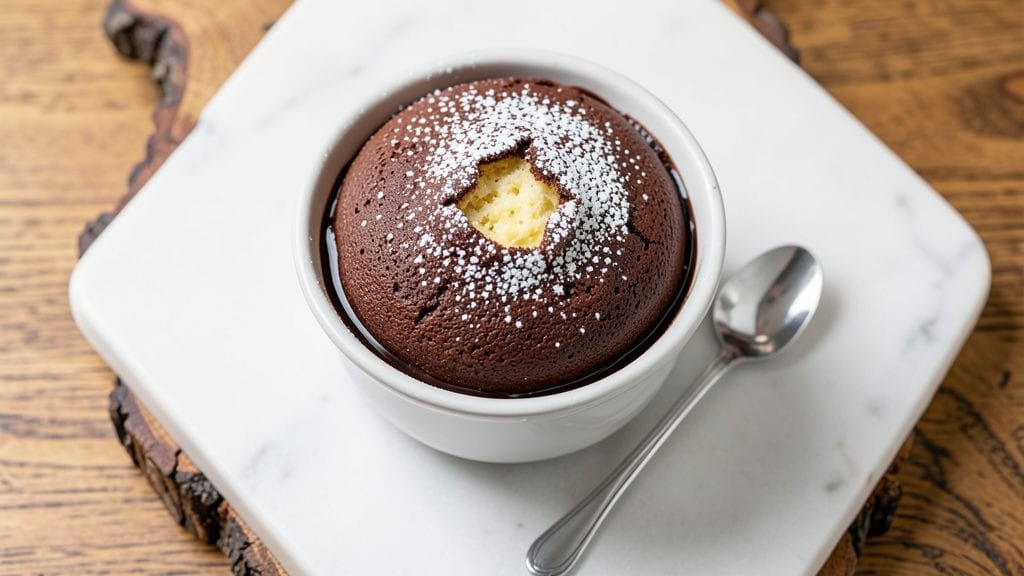
A classic chocolate souffle delivers that perfect balance of rich cocoa depth and airy, melt-in-your-mouth texture that feels impossibly light. The secret lies in tempering the chocolate properly and folding egg whites to cloud-like perfection—techniques that transform simple ingredients into a dessert that looks like it belongs in a patisserie.
I’ve perfected this recipe over years of trial and error, ensuring the souffle rises dramatically in the oven and stays tender at the center.
What makes this recipe truly special is the water bath method, which creates gentle, even heat for that signature dome shape. You’ll need just six core ingredients—high-quality chocolate, eggs, sugar, and a touch of vanilla—but precision in technique is everything.
The key steps include whipping egg whites to stiff peaks and folding them into the chocolate batter with care to maintain that signature airiness.
By the time it emerges from the oven, your souffle will have a golden-brown crust and a center that’s still slightly jiggly—proof of its light-as-air structure. The aroma alone will fill your kitchen with warmth, while the first bite delivers a harmonious blend of cocoa richness and delicate sweetness.
This is the kind of dessert that feels indulgent yet effortless, perfect for impressing guests or treating yourself.
Serve it immediately with a dusting of powdered sugar or a dollop of whipped cream to complement the velvety texture. The beauty of this recipe is its versatility—it works as a showstopping centerpiece for dinner parties or a decadent after-dinner treat. Let’s get started on creating your perfect souffle.
Ingredients for classic chocolate souffle
Six ingredients transform into a dessert so ethereal it feels like magic—rich chocolate meets airy clouds.
| Ingredient | Amount | Notes |
|---|---|---|
| Dark Chocolate Bars 🍫 | 6 oz | High-quality, 70% cocoa minimum |
| Large Eggs 🥚 | 6 whole | Room temperature for best whipping |
| Granulated Sugar 🍚 | ½ cup | Fine, white sugar preferred |
| Unsalted Butter 🧈 | 2 tbsp | Full-fat for richness |
| Pure Vanilla Extract 🍯 | 1 tsp | Bottled vanilla preferred |
| Powdered Sugar 🍚 | 2 tbsp | For dusting, optional |
| Heavy Whipping Cream 🥛 | ¼ cup | Cold, for whipped cream |
The chocolate is non-negotiable—Valrhona or Ghirardelli make all the difference here. Look for bars with at least 70% cocoa for that deep, complex flavor without bitterness. If you're using baking chocolate, chop it finely so it melts smoothly into the butter. The eggs? Room temperature is critical—cold eggs won't whip properly, and you'll end up with dense soufflés instead of cloud-like perfection. I always pull them out of the fridge 30 minutes before starting. The sugar should be fine granulated—no lumps, and definitely no powdered sugar here unless you're dusting the finished soufflés.
No vanilla extract? Seeds from one vanilla bean work beautifully—just scrape them into the chocolate mixture. Running short on butter? Coconut oil at the same weight will keep the soufflés moist, though it lacks the richness. For the whipped cream, if you're feeling fancy, add a pinch of vanilla bean powder or a splash of orange liqueur—trust me, it elevates everything. The powdered sugar is just for dusting, but if you're making mini soufflés, toss a little into the batter for extra stability. And if you're worried about the soufflés collapsing? Don't open the oven door for the first 15 minutes—patience is key here.
Chocolate and butter can be pre-melted and chilled for up to 2 days in the fridge, but work with it at room temperature. Whipped egg whites? Use immediately—they lose volume fast. Assembled soufflés keep in the fridge for 2 hours max before baking, so plan ahead. Once baked, they're best served immediately, but you can reheat them gently in a 200°F oven for 5-10 minutes if needed. For a crowd, make them in ramekins or soufflé dishes—they're easier to serve and look stunning on a platter.
Why You'll Love This Recipe
- No Separate Bowls: I swear by this recipe because it only needs three bowls—no whisking chaos. Melt the chocolate and butter together, beat the eggs and sugar separately, then fold. That’s it. No egg-white juggling or tempering stress.
- Rich Without Effort: The moment that melted dark chocolate and butter blend? Chef’s kiss. It’s deep, velvety, and the vanilla extract ties it all together so smoothly. Honestly, it tastes like you slaved over it—even though you didn’t.
- Date-Night Ready: This souffle is the dessert for when you want to impress but can’t spend hours. Serve it warm with a dusting of cocoa powder, and suddenly you’re the host who “always makes things from scratch.” (Between us, it’s my go-to for first dates.)
- Budget-Friendly Luxury: You only need five ingredients, and most are pantry staples. A few chocolate bars, a handful of eggs, and a stick of butter stretch far—especially if you make mini soufflés. Fancy dessert, zero guilt.
Step-by-step instructions for classic chocolate soufflé
Master this legendary dessert with my foolproof technique—where science meets art for a perfect rise every time.
Melt Chocolate and Infuse with Butter
Begin by chopping the 6 oz dark chocolate bars into small, even pieces. Place them in a heatproof bowl set over a saucepan of simmering water—this double boiler method ensures gentle, even melting without scorching. Stir occasionally until completely smooth, then remove from heat and immediately whisk in the 2 tbsp unsalted butter and 1 tsp pure vanilla extract. The chocolate should now be glossy and silky, with no graininess remaining. Let it cool slightly while you prepare the egg whites.
Here's the thing—if the chocolate cools too much before combining with eggs, you'll risk grainy texture. Aim for a temperature just warm enough to feel slightly cool on your wrist, but not set. This balance is crucial for the soufflé's signature lightness.
Whip Egg Whites to Stiff Peaks
In a separate, spotlessly clean bowl, combine the 6 whole large eggs and separate them carefully. Discard the yolks for now—we'll use them later. Using an electric mixer on high speed, whip the egg whites until soft peaks form, then gradually add the 0.5 cup granulated sugar while continuing to whip. Increase speed to high and beat until the meringue forms stiff, glossy peaks that hold their shape when the whisk is lifted.
This is where precision matters most. The meringue should be thick enough to hold its form but still light enough to fold seamlessly with the chocolate mixture. If you see any sugar granules, strain the meringue through a fine-mesh sieve to ensure absolute smoothness. The bowl and beaters should be completely free of any grease—even a trace can prevent proper whipping.
Fold Chocolate into Egg Yolks
In another clean bowl, gently fold the cooled chocolate mixture into the egg yolks using a spatula, being careful not to deflate the meringue. The chocolate should incorporate smoothly, creating a velvety ganache. This step requires patience—fold just until combined, then stop. Overmixing here will introduce air and make the soufflé dense rather than airy.
Once fully combined, transfer this mixture to the bowl with the meringue. Using the same folding motion from the bottom up, gently incorporate the meringue into the chocolate-yolk mixture until no streaks remain. The batter should be thick but still pourable, with a ribbon-like consistency that holds its shape briefly before melting back into the batter.
Prepare and Bake the Soufflés
Preheat your oven to 375°F and position a rack in the center. Generously butter four 6-ounce ramekins, then dust them with cocoa powder or flour to prevent sticking. Divide the batter evenly among the ramekins, filling each about two-thirds full. Tap the ramekins gently on the counter to release any air bubbles.
Bake immediately for 12-15 minutes—this is critical. The soufflés are done when they've risen dramatically, the edges are set, and the centers still appear slightly underbaked. They'll continue rising slightly after removal. Open the oven carefully—hot air rushing out can cause them to collapse. Serve immediately, straight from the oven, while still puffed and warm.
Whip Cream and Dust with Powdered Sugar
While the soufflés bake, chill the 0.25 cup heavy whipping cream in the refrigerator. Just before serving, whip it to soft peaks using an electric mixer. Fold in the 2 tbsp powdered sugar until smooth. Spoon the whipped cream alongside each soufflé, creating an elegant presentation.
For that final touch of sophistication, dust each serving generously with powdered sugar using a fine-mesh sieve. Serve immediately—the soufflé's structure is delicate and will begin to deflate as it cools. Each bite should deliver a perfect balance of rich chocolate, airy texture, and subtle vanilla notes, with the whipped cream adding a cool contrast.
Pro Tips For Making Classic Chocolate Souffle
- Temper the Chocolate: Chop your dark chocolate into tiny, even pieces—no bigger than a pea—and melt it gently over a double boiler (or microwave in 20-second bursts) until smooth. I learned this the hard way: lumpy chocolate in a souffle is a crime, and aggressive heating burns it before the eggs are ready.
- Whisk Egg Whites Cold: Start whipping your egg whites in a completely grease-free bowl when they’re ice-cold straight from the fridge. Room temperature whites? You’ll fight for volume. I was skeptical until I tried it—now my soufflés rise like they’re defying gravity.
- Skip the Overmixing: Fold the melted chocolate into the yolks just until combined, then gently merge the egg whites in three quick, broad strokes. Overmixing collapses the air—your souffle will sink like a lead balloon. (Yes, even if you’re impatient like me.)
- Preheat Oven to 400°F: Your oven needs to hit 400°F before the souffle goes in—no exceptions. I used to eyeball it, and my soufflés would wobble instead of set. A thermometer is your friend here; trust the number, not the guess.
Common mistakes when making this dish
Overwhipped Egg Whites
I’ve seen too many soufflés turn out dense and rubbery because the egg whites were overwhipped. Once they reach stiff peaks, stop immediately—any extra beating introduces too much air, which can cause the soufflé to collapse during baking.
Look for peaks that stand straight up when you lift the whisk, but resist the urge to keep going. If you accidentally overwhip, gently fold in 1 tbsp extra sugar to stabilize the structure before combining with the chocolate mixture. 💡
Room-Temp Eggs Matter
Cold eggs won’t whip properly, leading to weak structure and potential collapse. Always let your eggs sit at room temperature for at least 30 minutes before whipping. I test this by pressing a yolk gently—if it springs back, it’s ready.
Pro tip: Place them in a bowl of warm water for 10 minutes if you’re short on time. Cold eggs also cause uneven melting in the chocolate mixture, which can create grainy textures.
Chocolate Too Cool
The chocolate mixture must be warm but not hot when folded with eggs—typically around 110-115°F. If it cools too much before combining, you’ll get a grainy texture that ruins the soufflé’s silky smoothness.
To fix this, gently reheat the chocolate in 10-second bursts in the microwave (stirring between each) until just warm. Never let it reach boiling—this can curdle the eggs and create a scrambled texture. 🍫
Opening the Oven Too Soon
The first 15 minutes of baking are the most critical. Opening the oven door releases hot air, causing the soufflés to deflate before they’ve fully set. If you must check, do it quickly and minimize exposure.
I set a timer and resist the urge to peek—trust the recipe! The soufflés will continue rising slightly after removal, so pull them when the edges are set but the centers still jiggle slightly.
Uneven Baking
Placing ramekins on a preheated baking sheet ensures even heat distribution, but some ovens have hot spots. Rotate the sheet halfway through baking for consistent results. If your oven runs hot, reduce the temperature to 350°F and increase baking time by 2-3 minutes.
Always use 6-ounce ramekins—oversized or undersized dishes bake unevenly. A water bath (placing the baking sheet in a larger pan with 1 inch of hot water) also helps create that signature dome shape.
Overfilling Ramekins
Filling ramekins more than two-thirds full increases the risk of overflow during baking. The soufflé needs room to rise dramatically—think of it like a balloon needing space to inflate. If you accidentally overfill, gently press down on the batter with a spoon to create a slight depression in the center.
This helps channel the rise upward rather than outward. For extra insurance, chill the ramekins in the fridge for 10 minutes before baking to slow the initial expansion.
Nutrition facts
Frequently asked questions
Why does my chocolate soufflé collapse after baking?
The most common causes are overwhipping egg whites or opening the oven too soon. Egg whites should reach stiff peaks but stop immediately—any extra beating adds too much air. Also, resist opening the oven door for the first 15 minutes of baking. The soufflé needs time to set before the heat escapes.
Can I make this recipe without a water bath?
Technically yes, but you'll lose that signature dome shape and risk uneven baking. A water bath creates gentle, even heat that allows the soufflé to rise dramatically. For best results, place your baking sheet in a larger pan with 1 inch of hot water before adding the ramekins. If you skip it, reduce oven temp to 350°F and bake for 18-20 minutes instead.
How do I fix grainy chocolate in my soufflé?
Graininess usually means the chocolate cooled too much before mixing with eggs. To fix it, gently reheat the chocolate in 10-second microwave bursts (stirring between each) until just warm (110-115°F). Never let it boil—this can curdle the eggs. For future batches, keep the chocolate warm over a double boiler while you whip the egg whites.
Can I make mini chocolate soufflés?
Use the same recipe but divide it among 12-16 mini ramekins (about 3-ounce size). Reduce baking time to 8-10 minutes—they'll rise faster due to their smaller size. For extra stability, fold 1 tbsp powdered sugar into the batter before baking. These make perfect party appetizers or dessert toppers!
What's the best way to serve leftover soufflés?
Soufflés are best served immediately, but if you have leftovers, reheat them gently in a 200°F oven for 5-10 minutes until warmed through. For a make-ahead option, bake the soufflés 10 minutes less than directed, then refrigerate. When ready to serve, bake at 375°F for 5-7 minutes to revive the structure. Dust with powdered sugar or serve with whipped cream to mask any texture changes.