
Desserts
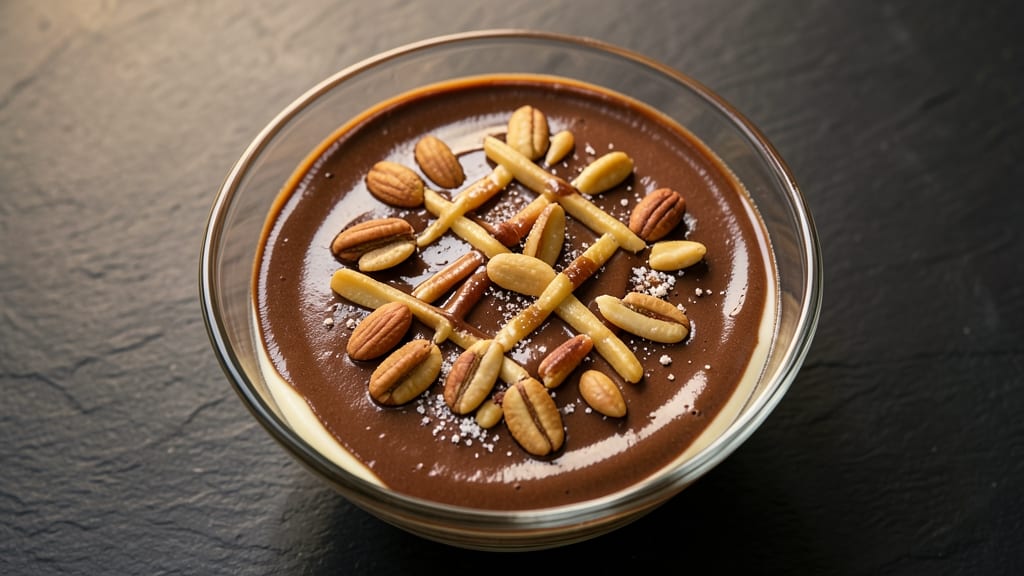
A chocolate terrine transforms a simple dessert into an elegant masterpiece with its silky ganache layers and toasted hazelnut crunch. This recipe balances precision with approachability, delivering a restaurant-quality result at home.
The key lies in tempering chocolate perfectly and layering it with care—each step builds toward a dessert that looks impressive yet requires only a few essential ingredients.
What sets this terrine apart is the contrast between velvety chocolate and nutty crunch, achieved through toasted hazelnuts folded into the ganache. The process involves melting chocolate to the right temperature, mixing in butter for stability, and carefully assembling layers in a mold.
Patience is rewarded when the terrine sets firm enough to slice into clean, elegant portions that reveal its rich interior.
By the time you unmold this dessert, you’ll have a showstopping centerpiece with deep cocoa flavor and satisfying texture. The ganache layers remain smooth and glossy, while the toasted hazelnuts add a subtle crunch that elevates every bite.
This recipe is perfect for special occasions or when you want to impress without spending hours in the kitchen.
The beauty of this terrine lies in its versatility—adjust the chocolate percentage for intensity, add orange zest for brightness, or substitute hazelnuts with almonds. Once mastered, it becomes a go-to dessert for holidays, dinner parties, or simply treating yourself. Let’s create something extraordinary together.
Ingredients for chocolate terrine
Twelve essential ingredients transform into a luxurious chocolate terrine with perfect ganache layers and nutty crunch.
| Ingredient | Amount | Notes |
|---|---|---|
| High-Quality Dark Chocolate (70% Cocoa) 🍫 | 12 oz | Valrhona or Callebaut preferred |
| Unsalted Butter 🧈 | 1 cup | Cold, cut into small cubes |
| Heavy Cream 🥛 | 1 cup | Whole milk, cold |
| Toasted Hazelnuts 🥜 | 1 cup | Skin removed, finely chopped |
| Granulated Sugar 🍚 | ¼ cup | Fine, for dusting |
| Vanilla Extract 🍃 | 1 tsp | Pure Madagascar preferred |
| Kosher Salt 🧂 | ¼ tsp | Diamond Crystal preferred |
| Orange Zest 🍊 | 1 tbsp | Fresh, finely grated |
| Rum (optional) 🍹 | 1 tbsp | Dark, aged 3+ years |
| Powdered Sugar 🍚 | ½ cup | For dusting between layers |
| Dark Chocolate Chips (70% Cocoa) 🍫 | ½ cup | For garnish |
| Hazelnut Oil (optional) 🌿 | 1 tsp | For brushing between layers |
The chocolate is non-negotiable—Valrhona or Callebaut 70% cocoa provides the ideal balance of richness and depth. Gourmet grocery stores like Whole Foods or Williams Sonoma carry these brands, or order online for consistency. The butter must be cold to stabilize the ganache, so pull it from the fridge 30 minutes before using. For hazelnuts, toast them in a dry pan until fragrant, then rub between towels to remove skins—a process that takes about 10 minutes. Fresh orange zest brightens the terrine, so use a fine grater and avoid the bitter white pith. If you're feeling indulgent, hazelnut oil adds an extra layer of sophistication between ganache layers.
No dark chocolate? Semisweet chocolate chips (60% cocoa) work in a pinch, though the flavor will be slightly sweeter. Substitute hazelnuts with toasted almonds or pecans, but adjust the toast time—almonds burn faster. Heavy cream can be replaced with half-and-half for a lighter texture, though the ganache will set slightly faster. For a boozy twist, espresso liqueur or amaretto can replace rum. If you're short on powdered sugar, dust with finely ground cocoa powder instead. The key to success is maintaining precise temperatures—room-temperature ingredients ensure smooth ganache without seizing.
Store the terrine in an airtight container in the refrigerator for up to 5 days, though it's best enjoyed within 3 days for optimal texture. To unmold cleanly, run a thin knife around the edges and dip the base in warm water for 10 seconds. For a showstopping presentation, dust with powdered sugar and garnish with chocolate chips. The terrine keeps well for 2 weeks when frozen—wrap tightly in plastic wrap and foil. Refrigerate for 30 minutes before slicing to achieve clean, elegant portions. Each slice reveals the layered beauty of this dessert, making it perfect for special occasions.
Why You'll Love This Recipe
- Here’s what sold me: that 70% dark chocolate isn’t overpowering, thanks to the sweet cream and crunchy hazelnuts cutting through. It’s deep, luxurious, but still approachable—no bitterness to scare off casual chocolate lovers.
- No-Fuss Layers: I swear by this recipe because it’s basically hands-off after the initial melt. Just fold the cream into the chocolate, toss in those toasted hazelnuts, and let it set—no fussing, no stressing. The butter and cream create this silky texture that’s chef’s kiss without requiring any special skills.
- Rich Yet Balanced: Here’s what sold me: that 70% dark chocolate isn’t overpowering, thanks to the sweet cream and crunchy hazelnuts cutting through. It’s deep, luxurious, but still approachable—no bitterness to scare off casual chocolate lovers.
- Party-Ready in Minutes: Between us, this is my go-to for last-minute gatherings. Slice it, wrap it in parchment, and boom—elegant dessert with zero effort. Guests think I slaved over it, but honestly? It’s just a 10-minute prep followed by patience (which, let’s be real, is the hardest part).
Step-by-step instructions for chocolate terrine with ganache layers
Mastering this delicate dessert requires precision timing and temperature control.
Create the Dark Chocolate Ganache Base
In a heatproof bowl, combine the 12 oz high-quality dark chocolate (70% cocoa) and 1 cup unsalted butter. Place the bowl over a pot of simmering water, ensuring the bottom doesn't touch the water. Stir gently until both ingredients melt completely and the mixture reaches 110°F. Remove from heat immediately and whisk in 1 cup heavy cream until smooth. The ganache should be glossy and silky—if it looks grainy, strain it through a fine-mesh sieve for a flawless texture.
Add 1 tsp vanilla extract, 0.25 tsp kosher salt, and 1 tbsp orange zest, mixing well. For an optional depth of flavor, incorporate 1 tbsp rum at this stage. Let the ganache cool to 90°F before proceeding—this temperature ensures proper layering without melting your hazelnut mixture.
Prepare the Toasted Hazelnut Layer
In a food processor, pulse 1 cup toasted hazelnuts (skins removed) until finely chopped but not pasty. Transfer to a mixing bowl and combine with 0.25 cup granulated sugar and 1 tsp hazelnut oil (if using). Mix thoroughly until the sugar dissolves completely. The texture should resemble wet sand—this prevents the layer from becoming too dense when assembled.
For extra richness, warm 2 tbsp of the cooled ganache in a small saucepan until it reaches 100°F, then stir into the hazelnut mixture. This creates a cohesive binding agent that holds the terrine together while adding subtle chocolate flavor. Spread this mixture evenly into a 9x5-inch loaf pan lined with parchment paper, pressing down gently to compact the layer.
Assemble the Ganache Layers with Precision
Pour half of the cooled ganache over the hazelnut layer, spreading it evenly with an offset spatula. Dust the surface with 0.25 cup powdered sugar, then add the remaining ganache, again spreading smoothly. The powdered sugar creates a delicate barrier that prevents the layers from sticking during chilling. Tap the pan gently on the counter to remove any air bubbles that may have formed.
Cover the terrine with plastic wrap and refrigerate for at least 6 hours, preferably overnight. This extended chilling time allows the ganache to set completely while developing its signature silky texture. The terrine is ready when a knife inserted in the center comes out clean with no resistance—this indicates proper firmness without being overly dense.
Garnish and Serve for Maximum Impact
Once fully set, invert the terrine onto a serving platter lined with parchment paper. Peel away the loaf pan liner carefully. Use a sharp knife to trim the edges for a clean presentation, then dust the top generously with remaining 0.25 cup powdered sugar. For visual contrast, arrange 0.5 cup dark chocolate chips (70% cocoa) in an artistic pattern across the surface.
Slice the terrine into 6 even portions using a long serrated knife dipped in hot water and wiped dry between cuts. The chocolate should hold its shape beautifully, revealing the contrasting hazelnut layer within. Serve immediately at room temperature for the best texture contrast—each bite should deliver the velvety ganache followed by the nutty crunch.
Pro Tips For Making Chocolate Terrine
- Temper the Chocolate: Chop that 70% dark chocolate into small, even pieces—no bigger than a dime—before melting it with butter. I learned this the hard way: big chunks seize up when they hit the cream, and you’re left with a grainy mess instead of silky ganache. Use a double boiler or microwave in 20-second bursts, stirring like you’re mixing paint, until it’s smooth and glossy.
- Toast Nuts Properly: Spread those hazelnuts in a single layer on a dry skillet and toast them over medium heat until they’re fragrant and just starting to brown—about 8-10 minutes. Skip the oven unless you’re patient; stovetop gives them that crisp, nutty edge. Once toasted, rub them in a clean kitchen towel to remove the skins—yes, it’s tedious, but it makes all the difference in texture.
- Whip Cream Cold: Chill your heavy cream and mixing bowl in the fridge for at least 15 minutes before whipping it. Room-temperature cream folds into the chocolate too easily, and you’ll end up with a dense, cakey terrine instead of something light and airy. Cold cream whips faster and holds its shape better—trust me, your future self will notice.
- Chill the Mold: Pop your terrine mold in the freezer for 10 minutes before pouring in the chocolate mixture. The cold surface helps the ganache set faster and prevents it from sliding around or sinking in the middle. I used to skip this, and half the time, the center stayed too soft—now it’s always firm and sliceable.
Common mistakes when making this recipe
Temperature Control
One of the biggest mistakes is not maintaining precise temperatures when melting chocolate and cream. If your ganache exceeds 110°F, the butter will separate, creating a grainy texture. I’ve seen this happen when using high heat or not monitoring the temperature closely.
Always use a candy thermometer and remove the bowl from heat immediately once the desired temperature is reached. 🌡️
Similarly, cooling the ganache too quickly can cause it to seize. Let it cool gradually to 90°F before adding the hazelnut layer—this prevents the nuts from losing their crunch or the ganache from becoming too thick. I recommend using an instant-read thermometer to check temperatures at each stage.
Uneven Layering
Skipping the powdered sugar between ganache layers is a common error that leads to messy unmolding. The sugar acts as a barrier, preventing the layers from sticking together during chilling.
Without it, you’ll end up with a dense, rubbery terrine that’s difficult to slice cleanly. Always dust generously with 0.25 cup powdered sugar between each layer.
Another issue is not pressing the hazelnut layer firmly enough. If it’s too loose, the terrine may collapse when unmolded. Use the back of a spoon to compact the mixture evenly in the pan.
I also recommend tapping the pan gently on the counter after each layer to eliminate air bubbles.
Insufficient Chilling Time
Rushing the chilling process is a surefire way to end up with a soupy terrine. The ganache needs at least 6 hours in the refrigerator to set properly—overnight is ideal.
I’ve learned this the hard way when I tried unmolding it after just 4 hours, only to have it crumble apart. Patience is key here; the longer it chills, the cleaner the slices will be.
Also, avoid placing the terrine in the freezer to speed up the process. Freezing can cause the ganache to become grainy or develop ice crystals, ruining the silky texture. Stick to the fridge for best results.
Improper Unmolding
Forcing the terrine out of the pan without proper preparation often leads to broken layers or a misshapen dessert. Always run a thin knife around the edges of the pan before unmolding to release any suction.
I also recommend dipping the base of the pan in warm water for 10 seconds to loosen the terrine gently.
Another mistake is unmolding the terrine too soon after removing it from the fridge. Let it sit at room temperature for 10-15 minutes first—this helps it hold its shape better. If the terrine still feels too soft, return it to the fridge for another 30 minutes before attempting to unmold.
Nutrition facts
Frequently asked questions
Can I make this terrine without hazelnuts?
Swap the toasted hazelnuts for 1 cup of finely chopped toasted almonds or pecans instead. For extra flavor, add ½ tsp of almond extract to the ganache. The texture will still provide that satisfying crunch, just with a different nutty profile.
How do I know when the ganache is ready to layer?
The ganache should reach 90°F before layering—use an instant-read thermometer for accuracy. It should be thick enough to hold its shape when spooned but still pourable. If it's too cool, warm it gently over a double boiler until it reaches the right temperature. The key is smooth, glossy consistency without being runny.
Can I use white chocolate instead of dark?
White chocolate works, but it will change the flavor profile significantly—expect a sweeter, creamier terrine without the deep cocoa richness. If using white chocolate, reduce the butter to ½ cup and add 1 tbsp of cocoa powder to the ganache for balance. The texture will still be silky, but the taste will be milder.
Why did my terrine crack when unmolding?
Cracking usually happens from temperature shock or insufficient chilling. Let the terrine sit at room temperature for 10-15 minutes before unmolding to prevent this. Also, ensure it's fully set (6+ hours) and avoid placing it in the freezer—gradual cooling is key. If cracks appear, cover them with extra chocolate chips or powdered sugar for a polished look.
How long can I store leftovers?
Store the terrine in an airtight container in the fridge for up to 5 days, though it's best enjoyed within 3 days for optimal texture. For longer storage, wrap tightly in plastic and foil, then freeze for up to 2 weeks. Thaw overnight in the fridge before serving. Each slice should still reveal the perfect ganache-hazelnut contrast!