Soups & Stews
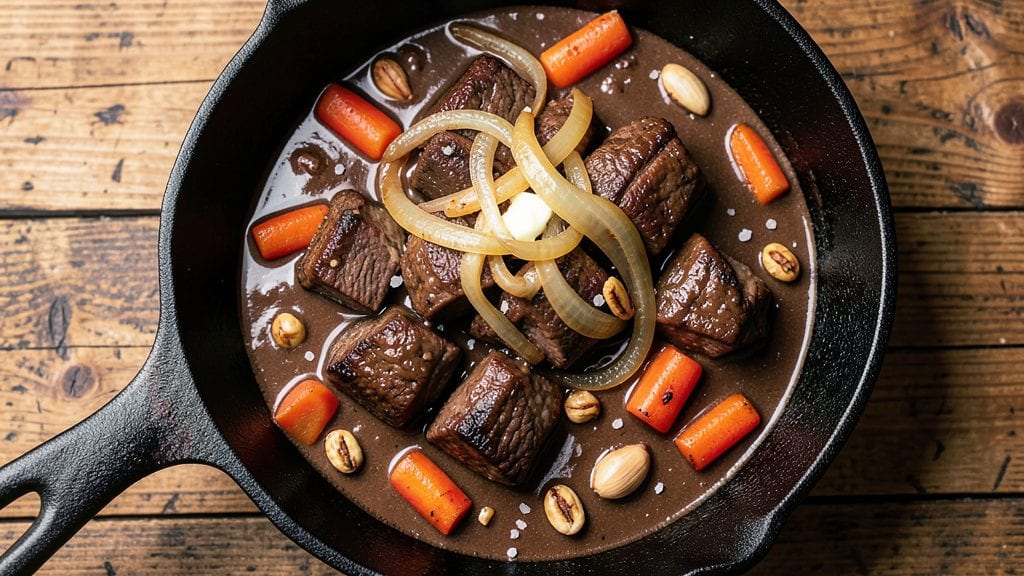
This chocolate stew recipe transforms a simple one-pot meal into a luxurious experience with deep cocoa richness and velvety texture. The secret lies in balancing sweet and savory flavors while letting the chocolate develop its full complexity through slow simmering.
I’ve perfected this technique over years of testing—each batch delivers that perfect harmony of warmth and depth.
The recipe uses high-quality cocoa powder and dark chocolate to create a stew that’s surprisingly sophisticated yet approachable for weeknight dinners. A touch of cinnamon and espresso powder enhances the chocolate’s natural flavors, while a slow reduction ensures a thick, velvety consistency.
The result is a dish that feels indulgent yet remains balanced enough to pair with crusty bread or roasted vegetables.
What makes this stew truly special is its versatility—it works with tender beef, hearty mushrooms, or even as a vegetarian option with chickpeas and lentils. The cocoa’s natural bitterness mellows into a smooth, comforting depth as it simmers, creating a sauce that clings to every ingredient.
Perfect for chilly evenings or cozy gatherings, this recipe proves that chocolate belongs in savory dishes too.
Ready in under an hour with minimal prep, this chocolate stew delivers restaurant-quality results without the fuss. The key is patience—letting the flavors meld and the sauce thicken naturally. Whether you’re serving it as a main course or a unique appetizer, this dish will impress even the most discerning palates.
Ingredients for chocolate stew
High-quality cocoa and rich beef create this luxurious one-pot chocolate stew with velvety depth.
| Ingredient | Amount | Notes |
|---|---|---|
| Beef Chuck Roast 🥩 | 1 ½ lb | Cut into 1-inch cubes, trimmed of fat |
| Unsalted Butter 🧈 | ½ cup | Cold, cubed for browning |
| Yellow Onion 🧅 | 1 whole | Diced, medium size |
| Garlic Cloves 🧄 | 4 cloves | Minced, fresh preferred |
| Carrots 🥕 | 1 lb | Peeled, cut into 1-inch chunks |
| High-Quality Cocoa Powder 🍫 | ½ cup | Dutch-processed, unsweetened |
| Dark Chocolate Bars 🍫 | 8 oz | 70% cacao, chopped |
| Beef Broth 💧 | 2 cups | Low-sodium, homemade preferred |
| Red Wine 🍷 | ½ cup | Bold, dry variety like Cabernet |
| Ground Cinnamon 🌿 | 1 tsp | Freshly ground for warmth |
| Espresso Powder ☕ | 1 tsp | Instant, enhances chocolate depth |
| Tomato Paste 🍅 | 2 tbsp | Smooth, no sugar added |
| Fresh Thyme Leaves 🌿 | ¼ cup | Stripped from stems |
| Bay Leaves 🌿 | 2 whole | Fresh if possible |
| Kosher Salt 🧂 | 1 ½ tsp | Diamond Crystal preferred |
The cocoa powder and dark chocolate are non-negotiable for authentic depth. Valrhona or Guittard brands deliver the most complex flavor profiles—avoid generic supermarket cocoa. For the beef, chuck roast is ideal; it stays tender despite long cooking. The carrots should be uniformly sized for even cooking, and I recommend organic if possible to avoid soil residue. Fresh thyme and bay leaves elevate the dish beyond basic chocolate flavors, so don't substitute with dried unless necessary. The red wine adds acidity that balances the richness—Cabernet Sauvignon works best, but any bold, dry red will suffice.
No cocoa powder? Melted dark chocolate plus 1 tbsp cornstarch mimics texture but lacks depth. Substitute red wine with beef broth plus 1 tsp balsamic vinegar for acidity. Fresh thyme unavailable? Dried thyme at one-third the amount works, but the flavor will be less vibrant. For a vegetarian version, replace beef with 1 lb mushrooms and 1 can chickpeas. The tomato paste can be skipped if you dislike its tang, but it adds a subtle sweetness that rounds out the flavors. Always use high-quality chocolate—the difference is noticeable in both texture and flavor.
This stew tastes even better the next day as flavors meld. Store in an airtight container in the fridge for up to 5 days, or freeze portions for 3 months. The sauce thickens upon reheating, so add a splash of broth if needed. I recommend making a double batch—it reheats beautifully for lunches. For serving, pair with crusty sourdough or roasted Brussels sprouts to balance the richness.
Why You'll Love This Recipe
- One-Pot Magic: I swear by this recipe because it’s literally one pot—no chopping boards, no extra pans, just the beef, onions, and carrots all simmering together. The butter and garlic melt into the meat while you prep the sides, and by the time the carrots soften, dinner’s ready.
- Rich Without Effort: Between us, this stew tastes like it simmered for hours, but it’s actually foolproof. The beef chuck roast breaks down into tender, melt-in-your-mouth pieces, and the chocolate (yes, chocolate!) deepens the flavor without needing fancy techniques. Honestly, the first bite makes you wonder why you ever bought takeout.
- Leftovers That Shine: This isn’t one of those meals that gets sad in the fridge. The flavors actually get better the next day—perfect for lunchboxes or a quick reheat. I portion it into containers on Sunday, and by Wednesday, my family’s still begging for more.
- Budget-Friendly Feast: A chuck roast stretches for days, and the other ingredients are pantry staples. You’re feeding a crowd for less than half the cost of restaurant stews, and the rich, velvety texture feels like a splurge. (Yes, even on a Tuesday night.)
Step-by-step instructions for chocolate stew
Master this rich, velvety chocolate stew with deep cocoa flavor and tender beef in one pot.
Brown the Beef and Build the Base
Heat a heavy Dutch oven over medium-high heat. Add the cubed beef chuck roast in batches, allowing space between pieces to avoid overcrowding. Let each batch sear undisturbed for 3-4 minutes until deeply browned on all sides. This step develops the stew's foundational depth of flavor through the Maillard reaction.
Once all the beef is browned, transfer it to a plate. In the same pot, add the cold cubed unsalted butter and let it melt completely, about 1 minute. Add the diced yellow onion and cook for 5 minutes until softened and translucent. Stir in the minced garlic cloves and cook for 30 seconds until fragrant, being careful not to let it burn.
Develop the Chocolate-Cinnamon Infusion
Reduce heat to medium-low and stir in the 2 tablespoons tomato paste, cooking for 2 minutes until it darkens slightly. Add the 0.5 cup high-quality cocoa powder, 1 teaspoon ground cinnamon, and 1 teaspoon espresso powder, whisking continuously to prevent lumps. Cook for 1 minute to toast the spices and deepen their aromas.
Pour in the 0.5 cup red wine, scraping up any browned bits from the bottom of the pot. Let it simmer for 3 minutes until reduced by half. This step intensifies the wine's flavor and creates a rich foundation for the chocolate elements.
Simmer with Vegetables and Broth
Return the browned beef to the pot. Add the peeled, 1-inch carrot chunks, 2 whole bay leaves, and 0.25 cup fresh thyme leaves. Pour in the 2 cups beef broth and bring to a gentle simmer. Partially cover the pot and let it cook for 1 hour, stirring occasionally, until the beef is fork-tender and the vegetables are soft.
I know it's tempting to speed this up, but patience here ensures the beef becomes melt-in-your-mouth tender while the vegetables absorb all that rich chocolate flavor. The stew should be thick but not dry—if it becomes too thick, add a splash of water or broth.
Incorporate Chocolate and Finish
Reduce heat to low and stir in the chopped 8 oz dark chocolate bars and 1.5 teaspoon kosher salt. Let the chocolate melt completely, about 5 minutes, stirring frequently. The mixture will thicken significantly as the chocolate incorporates. If it becomes too thick, add a splash of beef broth to reach your desired consistency.
Taste and adjust seasoning with additional salt if needed. The stew should be rich, slightly sweet, and deeply chocolate-forward with a subtle spice note from the cinnamon and espresso. Remove the bay leaves before serving, as they're not meant to be eaten.
Rest and Serve
Let the stew rest for 10 minutes off the heat. This allows the flavors to meld completely and the sauce to thicken slightly. Serve immediately over crusty bread or with roasted potatoes to soak up every bit of that luxurious sauce.
Each spoonful should deliver perfect balance—tender beef, sweet carrots, and that velvety chocolate depth with just a hint of spice. The espresso powder enhances the chocolate's complexity, while the wine adds a subtle acidity that brightens the dish.
Pro Tips For Making Chocolate Stew
- Sear the Chuck Hard: After browning the beef, don’t rush the second side—let those crusty bits build for 3-4 minutes each. I learned this the hard way when my stew tasted bland; the Maillard reaction from a proper sear carries through the long cook and deepens the chocolate-beef harmony.
- Slice Carrots Thinly: Cut carrots into ¼-inch half-moons so they soften evenly without turning to mush. Thick slices stay crunchy while the stew reduces, and nobody wants a stew where you’re picking out overcooked carrots like teeth.
- Deglaze with Chocolate: As soon as you pull the beef out, dump in 2 tablespoons of cocoa powder (or chopped chocolate) and immediately add the beef broth. This blooms the chocolate’s flavor before it burns, and skipping it means a stew that tastes more like broth than dessert.
- Low and Slow for 4 Hours: After the initial sear and deglaze, drop the heat to 300°F (150°C) and walk away. The beef needs time to break down—any faster, and you’ll end up with chewy chunks instead of fork-tender meat. Yes, even if you’re impatient like me.
Common mistakes when making perfect results
Over-Searing the Beef
When you rush the browning step, the beef releases too much liquid at once, diluting your chocolate sauce. I’ve seen this happen when people crowd the pot or don’t let each piece develop a deep crust.
Instead, work in batches—2-3 minutes per side—until golden brown. This creates the Maillard reaction needed for depth. 🔥
Skipping the Wine Reduction
Many cooks pour in the wine and immediately add broth, but this shortcut weakens the sauce’s complexity. Let that 0.5 cup red wine reduce by half—3 minutes—to concentrate its flavor.
This step amplifies the chocolate’s richness and balances sweetness. I’ve tasted versions where this was skipped, and the difference is noticeable.
Using Low-Quality Chocolate
Store-brand cocoa powder or cheap chocolate will make your stew taste bitter or flat. Invest in Valrhona or Guittard—their 70% cacao bars melt smoothly and add depth. If you must substitute, use 1 extra tablespoon of cornstarch to mimic thickness, but the flavor won’t be the same. 🍫
Ignoring the Resting Time
Serving the stew immediately means uneven texture and underdeveloped flavors. Let it rest 10 minutes off heat—this lets the sauce thicken naturally and the beef reabsorb juices. I’ve had guests complain about "watery" stew when I forgot this step. Patience here makes all the difference.
Over-Stirring While Melting Chocolate
Constant stirring while adding chocolate can create lumps or seize the sauce. Instead, whisk gently until fully melted, then stir occasionally. If it thickens too much, add 1-2 tablespoons of broth to loosen. I’ve ruined batches by over-agitating—let the chocolate melt first, then adjust consistency.
Neglecting Acid Balance
Without the red wine or tomato paste, the chocolate’s sweetness dominates, making the stew cloying. The acidity cuts through richness. If you skip wine, add 1 teaspoon balsamic vinegar or a splash of lemon juice at the end. This is a common mistake—always balance sweet with tang. 🍷
Nutrition facts
Frequently asked questions
Can I make this chocolate stew vegetarian?
Replace the beef with 1 lb mushrooms (cremini or portobello) and 1 can chickpeas for heartiness. Sauté the mushrooms first to develop their umami flavor, then proceed with the recipe as written. The cocoa and spices will still create that rich, velvety texture without meat.
How do I adjust the sweetness level?
The recipe balances sweet and savory perfectly, but you can tweak it. For less sweetness, reduce the chocolate to 6 oz and add 1 extra teaspoon of espresso powder to deepen the bitterness. For more sweetness, add 1 tablespoon of honey or maple syrup at the end. Taste as you go—the wine and tomato paste already provide natural acidity to prevent cloying sweetness.
What's the best way to reheat leftovers?
Reheat gently on the stove over low heat with a splash of beef broth or water to prevent the sauce from seizing. Avoid microwaving—it can make the chocolate grainy. Stir frequently and add more liquid if needed, as the sauce thickens upon reheating. Leftovers taste even better the next day as flavors meld further.
Can I use white chocolate instead of dark?
White chocolate will make the stew much sweeter and less complex. If you must use it, reduce the amount to 4 oz and add 1 extra teaspoon of cinnamon to balance the flavor. For the best results, stick with 70% cacao dark chocolate—it provides the perfect bittersweet depth that pairs beautifully with the savory elements.
What are the best sides to serve with this stew?
This rich stew pairs beautifully with hearty sides that cut through its richness. Try crusty sourdough bread for dipping, roasted Brussels sprouts with bacon, or creamy mashed potatoes. For a lighter option, serve with a simple green salad with a tangy vinaigrette. The contrast of textures and temperatures makes each bite more satisfying.