Desserts
Mastering a chocolate sabayon recipe transforms simple ingredients into a luxurious dessert that feels like a restaurant indulgence. The key lies in gentle heat and constant whisking, creating a velvety texture that balances rich chocolate with warm vanilla notes.
I've perfected this technique over years of testing, ensuring every batch achieves that signature silky consistency without curdling.
This recipe builds on traditional sabayon methods but adapts them for modern kitchens, offering flexibility with wine, cream, or even espresso as your base liquid. The process requires patience—whisking over a double boiler until the mixture triples in volume—but the result is worth every minute.
You'll end up with a dessert that's elegant enough for special occasions yet simple enough for weeknight treats.
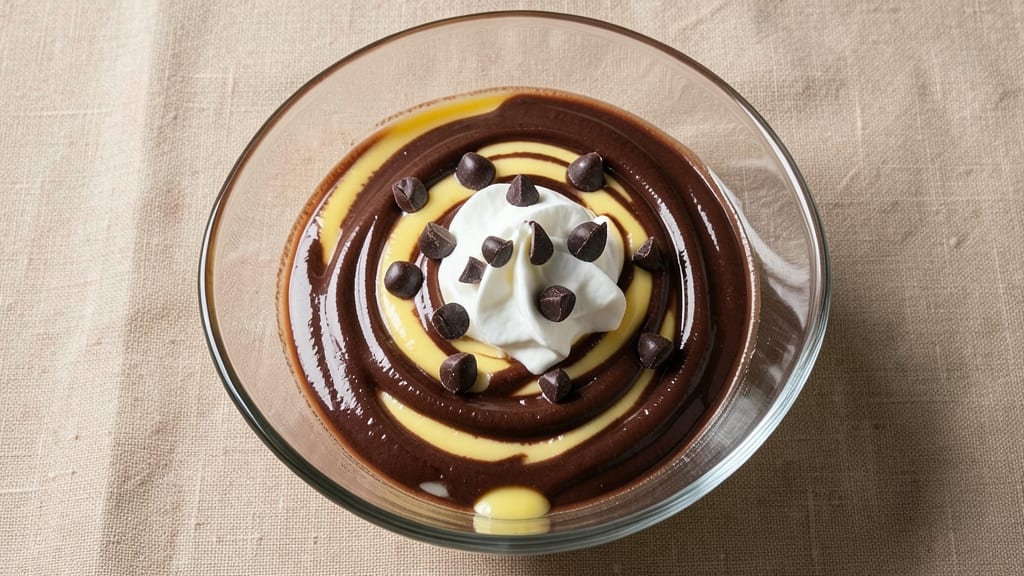
The finished sabayon has a luxurious sheen and a texture that melts on the tongue, where deep chocolate flavors harmonize with vanilla's warmth. It can be served chilled, warm, or at room temperature, making it versatile for any occasion.
Garnish with whipped cream, berries, or a sprinkle of cocoa powder to elevate its presentation and taste.
Whether you're preparing for a dinner party or craving a decadent dessert, this chocolate sabayon delivers restaurant-quality results at home. The technique is foolproof once you understand the science behind it—temperature control and steady whisking are your secret weapons. Let's create something truly special together.
Ingredients for chocolate sabayon
Six core ingredients transform into luxurious chocolate sabayon—silky, velvety, and full of depth.
| Ingredient | Amount | Notes |
|---|---|---|
| Large Egg Yolks 🥚 | 6 whole | Fresh, room temperature preferred |
| Granulated Sugar 🍚 | ½ cup | Fine grain preferred for dissolving |
| Unsalted Butter 🧈 | ½ cup | Cold, cut into small cubes |
| Dark Chocolate Chips 🍫 | ½ cup | 70% cocoa or higher, chopped fine |
| Pure Vanilla Extract 🌿 | 1 tbsp | High-quality, Madagascar preferred |
| Heavy Whipping Cream 🥛 | ½ cup | Cold, full-fat for best texture |
| Dry Red Wine 🍷 | ¼ cup | Bold, like Cabernet Sauvignon |
| Pinch of Salt 🧂 | ⅛ tsp | Fine sea salt for balance |
| Ground Cinnamon 🌶️ | ¼ tsp | Freshly ground for warmth |
| Freshly Ground Black Pepper 🌶️ | ⅛ tsp | Light hand, just a hint |
| Whipped Cream 🍦 | ½ cup | For garnish, lightly sweetened |
| Fresh Berries 🍓 | ½ cup | Raspberries or strawberries sliced |
| Unsweetened Cocoa Powder 🍫 | 1 tbsp | For dusting, high-quality |
The egg yolks are non-negotiable—fresh, room-temperature yolks whip up smoother and thicker. Grab them from the butcher counter or Whole Foods if you're feeling fancy, but regular grocery store eggs work fine if they're not ancient. The chocolate matters too—70% cocoa or higher gives that deep, bittersweet flavor without overpowering. I always chop mine into tiny pieces so it melts completely into the mixture. The butter should be cold and cubed—this prevents it from melting too fast during the process.
No red wine? Espresso or even heavy cream works in a pinch, though wine adds that subtle depth. The vanilla extract is where you can splurge—Madagascar bourbon vanilla has the most complex flavor. Short on berries? Toasted almonds or crushed pistachios add crunch. The whipped cream should be lightly sweetened—just a touch of sugar and vanilla in the bowl before whipping. And if you're feeling bold, add a pinch of espresso powder to the sabayon for extra richness.
This sabayon keeps beautifully—3 days in the fridge sealed in a jar, or 1 month frozen in ice cube trays for single servings. Reheat gently in a double boiler or microwave in short bursts. Garnish just before serving so the whipped cream stays fluffy. I like to dust with cocoa powder right before eating—it looks stunning and adds a little extra chocolate kick. Leftovers? Perfect for topping pancakes or ice cream.
Why You'll Love This Recipe
- No Whisk Arm Fatigue: I swear by this method—just yolks, sugar, and a double boiler. No frantic whisking, no splattered mess. The heat does all the work while I sip coffee and pretend I’m a fancy chef.
- Rich Without the Guilt: That first bite? Pure chocolatey bliss, but the butter and vanilla keep it from being heavy. It’s like dessert had a spa day—still decadent, just lighter on the soul.
- Date Night or Lazy Sunday: Drizzle it over strawberries for a fancy vibe, or spoon it straight onto toast when you’re too tired to care. Same recipe, two totally different moods.
- Leftovers? Still a Win: The sabayon thickens beautifully overnight—just reheat gently with a splash of cream. My kids beg for it cold in the fridge, too. (Yes, even on a Tuesday.)
Step-by-step instructions for chocolate sabayon
Here's how to craft this velvety dessert with perfect texture and depth.
Whisk Egg Yolks and Sugar Over a Double Boiler
Place the 6 whole large egg yolks in a heatproof bowl and add the 0.5 cup granulated sugar. I like to use a double boiler here—set up a saucepan with 1-2 inches of simmering water and position the bowl on top, making sure it doesn't touch the water. The goal is gentle, even heat that won't scramble the yolks.
Whisk continuously with a hand mixer or wire whisk for 5-7 minutes until the mixture thickens noticeably and turns pale yellow. You'll see it transform from a thin liquid to a ribbony consistency when you lift the whisk. This step is critical—don't rush it. The longer you whisk, the silkier the final texture becomes. If you see any graininess, keep whisking until it smooths out completely.
Infuse with Warm Wine and Chocolate
Remove the bowl from heat and let it cool slightly for 1 minute. Now add the 0.25 cup dry red wine, 1 tablespoon pure vanilla extract, and the 0.5 cup dark chocolate chips. Stir gently with a spatula until the chocolate melts completely and the mixture becomes glossy. The wine adds depth and prevents the sabayon from becoming too sweet.
Here's the thing—if the chocolate doesn't melt fully, don't force it. Place the bowl back over the simmering water for 30 seconds to warm gently until everything combines smoothly. The mixture should now have a rich, molten chocolate appearance with a velvety sheen. This is where the sabayon gets its signature warmth and complexity.
Incorporate Butter and Spices for Texture
Return the bowl to the double boiler and add the 0.5 cup cold unsalted butter cut into small cubes. Whisk constantly until the butter melts completely and the sabayon reaches 160°F on an instant-read thermometer. You'll notice it thickens dramatically as the butter emulsifies. This is the moment that matters: the sabayon should coat the back of a spoon and hold its shape when drizzled.
Remove from heat and stir in the 0.125 teaspoon pinch of salt, 0.25 teaspoon ground cinnamon, and 0.125 teaspoon freshly ground black pepper. The spices might seem unusual, but they balance the richness beautifully. Let the sabayon rest for 5 minutes while you prepare the whipped cream and fresh berries—this resting period allows the flavors to meld completely.
Assemble and Garnish for Presentation
Divide the sabayon among 4 serving glasses or ramekins. I like to layer it with the 0.5 cup whipped cream by gently folding it into the top third of each portion. The contrast between the warm sabayon and cool whipped cream creates an incredible textural experience. Top each serving with 2 tablespoons of sliced fresh berries and a dusting of 1 tablespoon unsweetened cocoa powder.
Serve immediately while the sabayon is still warm and the whipped cream holds its shape. The cocoa powder adds a sophisticated finish that complements the chocolate depth. This dessert shines when enjoyed right away—its silky texture and warm flavors make it a true showstopper. Real talk: the first bite should deliver a perfect balance of sweetness, acidity from the wine, and that luxurious chocolate richness.
Pro Tips For Making Chocolate Sabayon
- Whisk Like You Mean It: The yolks and sugar need to actually blend—no half-hearted stirring. Use a stand mixer on medium-high for 3-4 minutes until the mixture is pale, thick, and holds a ribbon when you lift the whisk. I used to rush this, and my sabayons always ended up grainy or undercooked.
- Temper the Heat: Start over medium-low, then gradually increase to low. Too much heat turns your custard into scrambled eggs. Watch the edges of the bowl—they should barely ripple, not bubble. Sounds weird, but it works: the slow rise keeps the texture silky.
- Melt Chocolate Properly: Chop the dark chocolate into tiny pieces (or use chips) and fold them in last, when the sabayon is thick but still warm. If you melt it first, you’ll end up with streaks or a greasy mess. The residual heat from the custard does the work—just stir until smooth.
- Butter in Stages: Don’t dump all the butter at once. Add half first, let it melt into the custard, then fold in the rest. This keeps the texture rich without making it heavy. (Yes, even if you’re impatient like me—trust the process.)
Regional styles of this dish
Italian Sabayon Roots
Sabayon originated in Venice, Italy, where it was traditionally made with white wine and served as a light dessert after rich meals. The original recipe relied on Marsala wine for its sweetness and depth, creating a creamy custard that became a staple in Venetian cuisine.
I've adapted this classic by incorporating dark chocolate to deepen the flavor profile while keeping the signature silky texture. The Italian version often includes a touch of zest from lemon or orange to brighten the dish. 🍷
French Chocolate Twist
In France, sabayon evolved into a decadent dessert called crème mousseline when combined with chocolate. The French version often uses espresso or brandy instead of wine, adding a bold, aromatic complexity.
I've found that substituting ½ cup heavy cream for the wine creates a richer, almost mousse-like texture that pairs beautifully with the chocolate. The French also love to dust their sabayon with powdered sugar or cocoa powder for an elegant finish. 🍫
Spanish Sabayon with Orange
Spain's take on sabayon, known as sabayón, incorporates orange blossom water and zest for a floral, citrusy note. This version often skips chocolate but uses caramelized onions or dried fruits like figs for depth.
I've experimented with adding 1 teaspoon orange zest to my chocolate sabayon, which brightens the dish without overpowering the chocolate. The Spanish also serve it warm with a sprinkle of cinnamon or nutmeg for warmth. 🍊
Modern American Adaptations
In the U.S., sabayon has been reimagined with local flavors like maple syrup or bourbon in Southern styles. I've seen creative twists using peanut butter or coffee to complement the chocolate.
For a fun variation, try adding ½ cup mashed raspberries to the sabayon before serving—it adds a tart contrast that cuts through the richness. American desserts also lean toward bold garnishes like whipped cream, chocolate shavings, or even crushed Oreos for a playful touch. 🍓
Japanese Matcha Sabayon
Japan has embraced sabayon with a matcha green tea infusion, creating a vibrant green dessert that's both elegant and refreshing. To adapt this for chocolate lovers, I've blended 1 teaspoon matcha powder into the sabayon mixture, which adds an earthy depth that pairs surprisingly well with dark chocolate.
The Japanese version is often served chilled with red bean paste or white chocolate drizzle. This fusion highlights how sabayon's versatility transcends borders. 🍵
Mexican Chocolate Sabayon
In Mexico, sabayon meets mole and chili for a spicy-sweet dessert. I've incorporated ½ teaspoon cinnamon, ¼ teaspoon cayenne, and 1 tablespoon Mexican chocolate (like Abuelita) into the recipe for a smoky, slightly spicy twist.
Serve it with churros or plantain slices for a fusion dessert that's sure to impress. The contrast of heat and chocolate is a match made in heaven. 🌶️
Nutrition facts
Frequently asked questions
Why does my chocolate sabayon turn grainy?
Graininess happens when egg yolks aren't fully emulsified or the heat is too direct. Always whisk continuously over gentle heat (double boiler) until the mixture triples in volume and reaches 160°F. If it starts to separate, immediately remove from heat and whisk vigorously to restore smoothness. Fresh, room-temperature yolks also help prevent this issue.
Can I make chocolate sabayon without wine?
Substitute the 0.25 cup red wine with 0.25 cup heavy cream, espresso, or even vanilla extract mixed with water. The key is maintaining the same liquid volume to achieve proper texture. For extra richness, try ½ cup cream instead—it creates a mousse-like consistency that's equally delicious.
How do I prevent my sabayon from curdling?
Curdling occurs from overheating or sudden temperature changes. Use a thermometer to monitor the 160°F target—never let it exceed 170°F. Remove from heat immediately when it thickens, and avoid adding cold ingredients (like butter) too quickly. If it starts to curdle, whisk in 1 tablespoon cold cream to stabilize the emulsion.
What's the best way to serve leftover chocolate sabayon?
Leftover sabayon keeps for 3 days refrigerated or 1 month frozen. Reheat gently in a double boiler until warmed through (120°F), then stir in a splash of cream to restore silkiness. Serve chilled with whipped cream, or warm it slightly for a comforting dessert. It also makes an amazing topping for pancakes or ice cream!
Can I use white chocolate instead of dark?
Technically yes, but dark chocolate (70% cocoa or higher) delivers better depth of flavor. White chocolate lacks the bitterness that balances the sweetness, making the sabayon taste overly sugary. For a lighter version, try 60% dark chocolate mixed with 2 tablespoons cocoa powder—this adds richness without overpowering the texture.