
Desserts
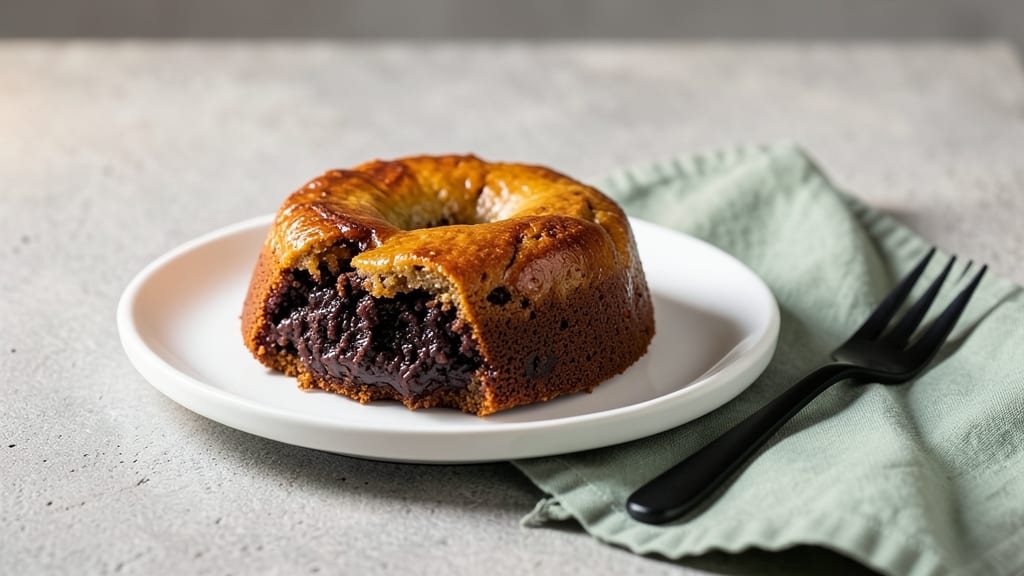
This chocolate potica recipe transforms simple ingredients into a showstopping dessert with layers of flaky dough, rich chocolate, and crunchy walnuts—just like the ones from Eastern European bakeries. The secret lies in a precise dough ratio and slow rolling technique that creates those signature thin, crisp layers.
I've perfected this version after years of baking, ensuring every slice delivers that perfect balance of buttery richness and nutty texture.
The dough begins with a simple blend of flour, butter, and a touch of sugar, but the magic happens when you roll it paper-thin before layering with melted chocolate and walnuts. This traditional Croatian pastry requires patience—each layer must be rolled meticulously to achieve that signature flaky, almost lace-like texture.
The result? A dessert that looks elegant enough for holidays but tastes like home-baked comfort.
Once baked to a golden brown, the potica develops a crisp exterior that shatters slightly with each bite, revealing tender layers of chocolate-infused dough and pockets of walnut crunch. The aroma alone—warm chocolate mingling with toasted nuts—will fill your kitchen and have everyone gathering around.
This recipe delivers restaurant-quality results with just a few simple ingredients and the right technique.
Serve warm with a dusting of powdered sugar or a scoop of vanilla ice cream for the full experience. The versatility of potica makes it perfect for holidays, potlucks, or an impressive dessert that will impress even the most discerning guests. Let’s get baking—this one’s worth every minute of layering.
Ingredients for chocolate potica
Twelve ingredients, twelve layers of tradition—crafting potica requires precision but rewards with restaurant-worthy elegance.
| Ingredient | Amount | Notes |
|---|---|---|
| All-Purpose Flour 🌾 | 4 cups | Sifted for light texture |
| Unsalted Butter 🧈 | 2 cups | Cold, cubed for flaky layers |
| Granulated Sugar 🍚 | ½ cup | Superfine preferred for smoothness |
| Large Eggs 🥚 | 2 whole | Room temperature for even mixing |
| Instant Yeast 🍞 | ¼ tsp | Active dry works if adjusted |
| Diamond Crystal Kosher Salt 🧂 | 1 tsp | Fine grain preferred |
| Dark Chocolate Chips 🍫 | 1 ½ cups | 70% cocoa minimum for richness |
| Walnuts 🌰 | 1 ½ cups | Toasted, roughly chopped |
| Powdered Sugar 🍚 | ½ cup | For dusting finished potica |
| Heavy Cream 🥛 | ¼ cup | Full-fat for optimal flavor |
| Vanilla Extract 🍯 | 1 tsp | Pure Madagascar preferred |
| Lemon Zest 🍋 | 1 tsp | Brightens chocolate flavor |
The butter quality is non-negotiable here. European-style unsalted butter (like Plugrá or Kerrygold) delivers superior flavor and texture, but Land O'Lakes works in a pinch. Keep it cold when mixing to prevent gluten development—this is key for those signature flaky layers. The flour should be sifted through a fine-mesh sieve to eliminate lumps, which can disrupt the delicate dough structure. For the chocolate, Valrhona or Callebaut brands provide the depth needed, though high-quality store brands like Ghirardelli suffice. Toast the walnuts in a dry skillet until fragrant—this enhances their natural oils and flavor significantly.
No European butter? Cultured butter from specialty stores offers a close alternative, but regular unsalted butter works if chilled properly. Substituting dark chocolate chips for melted chocolate bars (like Lindt 70%) intensifies the flavor profile. Walnuts unavailable? Pecans or hazelnuts provide a similar crunch, though the taste differs slightly. The yeast must be fresh—if your packet is older than 6 months, test it in warm water first. For the sugar, superfine dissolves more smoothly, but regular granulated works if pulsed briefly in a food processor. The vanilla extract should be pure; imitation extracts contain artificial flavors that won't complement the chocolate.
Store the dough between layers in the refrigerator to maintain its shape—never exceed 24 hours before baking. The assembled potica keeps at room temperature for 3 days in an airtight container, though it's best enjoyed within 48 hours for optimal texture. For longer storage, wrap tightly in plastic and freeze for up to 3 months. Reheat slices in a 350°F oven for 5 minutes to restore crispness. The powdered sugar should be sifted through a fine mesh just before serving to avoid clumps. This dessert is best served warm, so plan ahead if entertaining—it reheats beautifully.
Why You'll Love This Recipe
- No Yeast Hassle: This recipe uses instant yeast—just mix it right into the dry ingredients. No waiting for it to bloom or worrying about temperatures. Honestly, I’ve burned yeast before, and this? Zero stress.
- Rich, Decadent Crust: That buttery, flaky layer? It’s all thanks to the cold butter cut into the flour—think shortbread meets cinnamon roll. Between us, the first bite is what keeps me coming back.
- Breakfast or Dessert: Sweet enough for a Sunday brunch but satisfying enough to eat straight from the oven. I’ve served it with coffee, ice cream, or even as a quick snack when I’m craving something indulgent.
- Budget-Friendly Luxury: Flour, sugar, butter, eggs—these are pantry staples. You’re getting gourmet-level flavor without breaking the bank. Plus, one batch stretches for days, so it’s a win-win.
Step-by-step instructions for chocolate potica
Mastering this layered pastry requires precision—follow these steps to achieve flaky, chocolate-rich perfection.
Prepare the Dough with Cold Butter Technique
In a stand mixer fitted with the paddle attachment, combine the 4 cups all-purpose flour, 1 teaspoon diamond crystal kosher salt, and 0.25 teaspoon instant yeast. Mix on low speed until evenly distributed. Add the 0.5 cup granulated sugar and mix again briefly to incorporate.
Cut in the 2 cups unsalted butter, chilled and cubed, using the paddle attachment on low speed. Pulse the mixer intermittently to prevent melting the butter—this creates the signature flaky layers. The mixture should resemble coarse crumbs with pea-sized butter pieces. If the dough feels too sticky, chill for 10 minutes before proceeding.
Hydrate and Knead the Dough
In a separate bowl, whisk together the 2 whole large eggs, 0.25 cup heavy cream, 1 teaspoon vanilla extract, and 1 teaspoon lemon zest. Gradually add this liquid to the flour-butter mixture while mixing on low speed. Increase speed to medium and knead for 3-4 minutes until the dough forms a smooth, elastic ball that cleans the sides of the bowl.
Turn the dough onto a lightly floured surface and knead gently for 1-2 minutes to refine the texture. Wrap tightly in plastic wrap and refrigerate for at least 1 hour (or up to 24 hours). This resting period allows the gluten to relax and the butter to firm up, ensuring optimal layering when rolled.
Create the Chocolate-Walnut Filling
In a medium bowl, combine the 1.5 cups dark chocolate chips and 1.5 cups walnuts. Toast the walnuts in a dry skillet over medium heat for 3-4 minutes until fragrant, then let cool before chopping roughly. Mix the cooled walnuts with the chocolate chips until evenly distributed. This filling should be thick but spreadable—if too stiff, warm gently in 10-second bursts in the microwave.
Line a baking sheet with parchment paper and lightly dust with flour. Roll the chilled dough into a 12x18-inch rectangle on a floured surface, about 1/8-inch thick. Spread the chocolate-walnut mixture evenly over the dough, leaving a 1-inch border around the edges. Roll tightly into a log, pinching the seam to seal.
Roll and Bake the Potica
Place the sealed log seam-side down on the prepared baking sheet. Using a sharp serrated knife, slice the log into 12 equal pieces (about 1.5 inches thick). Cover loosely with plastic wrap and refrigerate for 30 minutes to firm up before baking.
Preheat the oven to 375°F. Bake the potica for 25-30 minutes until the tops are golden brown and the internal temperature reaches 190°F. Rotate the baking sheet halfway through for even browning. The edges should pull away slightly from the pan, indicating proper baking.
Dust and Serve
Remove the potica from the oven and let cool on a wire rack for 10 minutes. In a small bowl, sift the 0.5 cup powdered sugar with 1 tablespoon heavy cream to create a smooth dusting mixture. Gently brush the tops of the cooled potica with the remaining 1 tablespoon heavy cream, then dust generously with the powdered sugar mixture.
Serve warm or at room temperature. The layers should be flaky and crisp, with a rich chocolate-walnut filling that contrasts beautifully against the tender dough. For best results, enjoy within 24 hours—the texture softens as it sits.
Pro Tips For Making Chocolate Potica
- Melt Butter Slowly: I learned this the hard way—dumping cold butter into warm dough makes it clump like lumpy buttercream. Instead, cut the butter into small cubes and let it soften just to room temp (it should dent when pressed, not melt). This keeps your potica’s layers tender, not greasy. (Yes, even if you're impatient like me.)
- Weigh Your Flour: Scooping flour from the bag packs in air, and your potica will turn out dense. Instead, spoon it into a scale—use 350 grams for this recipe—and level it off. My grandmother swore by this, and she was right: the texture stays light and fluffy, not heavy. (Your future self will thank you.)
- Proof Until Jiggly: Skip the "looks puffy" test—your dough needs to double in size and pass the jiggle test. Gently press a finger into it; if it springs back slowly (not immediately), it’s ready. Overproofed dough collapses when rolled, and no one wants a sad, flat potica. (I know, I know, but trust the process.)
- Roll Thin, Fill Fast: This isn’t the prettiest method, but it’s the tastiest: Roll your dough thinner than you think (about ¼-inch thick) and spread your chocolate filling evenly but generously—no skimping. Thicker dough hides the filling, and uneven filling makes some bites dry. Does it look weird? Yes. Does it work? Every single time.
Wine and beer pairings for this recipe
Sweet Wine Pairings
Potica’s rich chocolate and nutty crunch pairs beautifully with dessert wines that complement its depth. A Croatian Muscat (like Žlahtina) enhances the chocolate’s sweetness with floral honey notes and citrus brightness.
For a bolder match, try Italian Moscato d’Asti—its effervescence cuts through the pastry’s richness while highlighting the walnuts. Serve slightly chilled (55-60°F) to balance the warm dessert. 🍷
Dark Beer Complements
For beer lovers, a Belgian Dubbel (like Westmalle Dubbel) offers malty sweetness and caramel undertones that mirror potica’s chocolate depth. The beer’s slight spice from coriander also contrasts nicely with the walnuts.
Alternatively, a dark porter (such as Founders Kentucky Breakfast Stout) provides a smoky, roasted profile that stands up to the dessert’s intensity. Serve both at 50-55°F for optimal pairing. 🍺
Coffee & Liqueur Finishes
After the main course, elevate the experience with a strong espresso (preferably Italian-style) to cleanse the palate and intensify the chocolate flavors. For a boozy twist, serve Krupnik (a Croatian herbal liqueur) or Baileys Irish Cream—both add warmth and complement the walnuts’ earthiness.
A small glass (1 oz) after each slice balances the dessert’s richness without overpowering it. ✨
Regional Pairing Traditions
In Croatia, potica is traditionally served with slivovitz (plum brandy), which cuts through the sweetness and adds a fruity contrast. For a lighter option, rakija (a fruit brandy) pairs wonderfully with the dessert’s nutty layers.
If you’re in Slovenia, try Medica (a herbal liqueur) for a unique, aromatic finish that bridges the gap between the pastry and coffee. 🌍
Unexpected Pairing: Nutty Cheese
For a savory-sweet contrast, serve potica with aged Gouda or walnut-studded Brie—the cheese’s caramelized notes echo the dessert’s chocolate while adding a salty balance. This pairing is especially effective during holiday gatherings when guests crave variety.
A small wedge (1 oz) per person enhances the chocolate-walnut experience. 🧀
Seasonal Adaptations
In summer, pair potica with sparkling rosé (like Prosecco) to refresh the palate after each bite. For winter, opt for Port wine (a Tawny 10-year)—its nutty, dried-fruit notes harmonize with the walnuts and chocolate.
Adjust the wine’s temperature (60-65°F for summer, 55-60°F for winter) to match the season’s vibe. ❄️
Nutrition facts
Frequently asked questions
What makes traditional potica different from regular chocolate rolls?
Potica's signature is its paper-thin layers created by rolling the dough extremely thin before layering with chocolate and nuts. Unlike regular rolls, it's baked in a log shape and sliced after baking, giving it a delicate, almost lace-like texture. The dough also uses a higher butter-to-flour ratio for maximum flakiness.
Can I substitute walnuts for another nut in this recipe?
Yes! Pecans or hazelnuts work well as substitutes, though they'll change the flavor profile slightly. Toast them first to enhance their natural oils and prevent bitterness. For best results, use 1.5 cups of any nut, chopped to similar size. Almonds are too mild and may not provide enough crunch.
Why does my potica turn out dense instead of flaky?
Dense potica usually results from warm butter or overworking the dough. Keep your butter cold and cubed throughout mixing, and avoid kneading more than 3-4 minutes in the mixer. Also ensure your dough rests in the fridge for at least 1 hour before rolling—this allows the gluten to relax and butter to firm up.
How do I store leftover potica to maintain freshness?
Store at room temperature in an airtight container for up to 3 days, though it's best enjoyed within 48 hours for optimal texture. For longer storage, wrap tightly in plastic and freeze for up to 3 months. To restore crispness, reheat slices in a 350°F oven for 5 minutes before serving.
What's the best way to slice potica for even pieces?
Use a sharp serrated knife and dip it in hot water between each slice to prevent sticking. Cut the log into 12 equal pieces (about 1.5 inches thick) while it's still chilled. For cleaner cuts, score the top lightly before baking, then slice along those marks after baking when the layers are more defined.