
Desserts
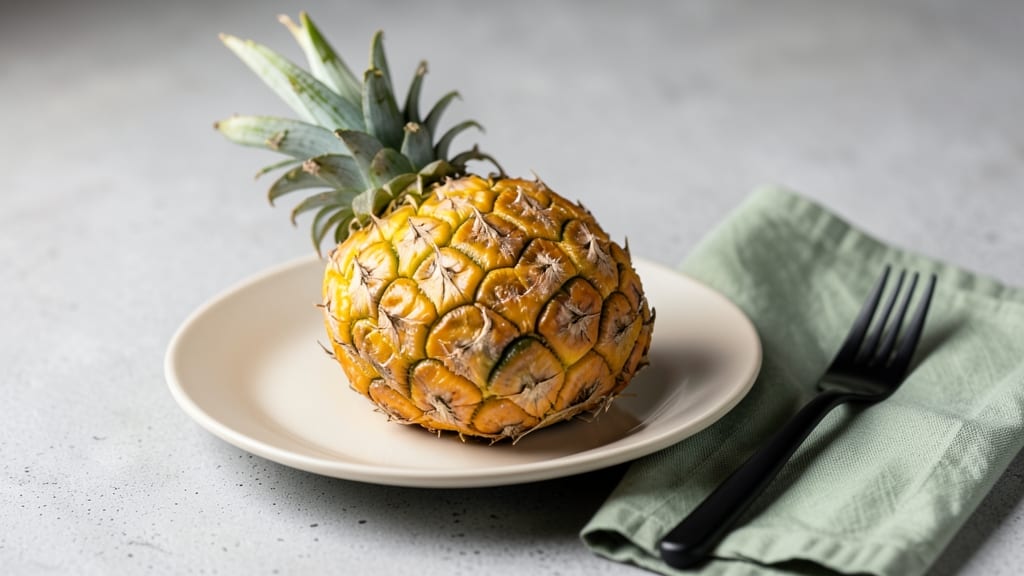
This chocolate pineapple dessert recipe transforms two beloved flavors into a luxurious tropical mousse with a crunchy topping that delivers perfect balance.
The silky, airy texture of the mousse contrasts beautifully with the sharp sweetness of pineapple and the satisfying crunch of toasted coconut, creating a dessert that feels both indulgent and refreshing.
I developed this recipe after years of experimenting with tropical desserts, and this version finally captures the harmony between chocolate's richness and pineapple's brightness.
The secret lies in the technique: whipping egg whites to light, fluffy clouds while folding in melted chocolate and puréed pineapple creates that signature mousse texture. Toasted coconut flakes add a subtle caramelized depth that elevates the topping beyond ordinary sprinkles.
What makes this recipe stand out is how it avoids the one-dimensional sweetness of many chocolate desserts—each bite delivers layers of flavor and texture that keep coming back for more.
By the time you serve this dessert, your guests will experience a velvety chocolate base that melts on the tongue, followed by bursts of tropical pineapple and the satisfying crunch of toasted coconut.
The contrast between smooth and crunchy makes every bite exciting, while the balance of sweet and tart flavors ensures it never feels overpowering. This is the kind of dessert that feels like a vacation in every spoonful.
Perfect for summer gatherings, special occasions, or when you simply crave something that feels like a treat without being too heavy. The recipe scales easily for crowds, and the components can be prepared ahead of time—ideal for stress-free entertaining. Let's create this tropical masterpiece together.
Ingredients for chocolate pineapple
Sixteen ingredients crafting tropical indulgence—where velvety chocolate meets vibrant pineapple in perfect harmony.
| Ingredient | Amount | Notes |
|---|---|---|
| Extra-Dark Chocolate Bars 🍫 | 8 oz | 70% cacao minimum for intensity |
| Fresh Pineapple 🍍 | 1 ½ cups | Diced, no core or skin |
| Large Egg Whites 🥚 | 6 whole | Room temperature for stability |
| Granulated Sugar 🍚 | ¾ cup | Superfine preferred for dissolution |
| Unsalted Butter 🧈 | ½ cup | Cold, cubed for tempering |
| Toasted Coconut Flakes 🥥 | ¾ cup | Lightly browned in dry pan |
| Light Corn Syrup 🍯 | 2 tbsp | For pineapple stabilization |
| Lemon Juice 🍋 | 1 tbsp | Freshly squeezed for brightness |
| Diamond Crystal Kosher Salt 🧂 | ¼ tsp | Fine grain for delicate seasoning |
| Vanilla Extract 🌿 | 1 tsp | Pure Madagascar preferred |
| Heavy Whipping Cream 🥛 | ½ cup | Cold for topping stability |
| Powdered Sugar 🍚 | 2 tbsp | For dusting coconut topping |
The chocolate selection is non-negotiable here. Valrhona or Guittard 70% bars deliver the ideal balance of richness and bitterness—avoid anything below 65% cacao, as it risks tasting overly sweet. Fresh pineapple is critical; Hawaiian Gold or Del Monte varieties yield the best texture when diced uniformly. For the egg whites, room temperature is essential—cold whites incorporate air poorly, resulting in a dense mousse. Purchase your butter from Plugrá or Land O'Lakes for consistent fat content, and always use powdered sugar from Domino or C&H brands for proper dusting. Toast your coconut flakes in a dry skillet over medium heat until golden—this enhances their natural caramel notes and prevents sogginess when layered.
Substitutions require precision. Semisweet chocolate at 60% cacao can replace dark chocolate, but reduce by 1 oz to maintain balance. For pineapple, canned crushed pineapple in juice works in a pinch (drain and pat dry thoroughly), though fresh yields superior texture. If vanilla extract is unavailable, vanilla bean paste at half the amount provides comparable depth. The corn syrup can be swapped for agave nectar, though it may slightly alter the mousse's stability. For the coconut topping, toasted shredded coconut from a can suffices, but store-bought lacks the caramelized depth of fresh-toasted flakes. When whipping egg whites, ensure all bowls and beaters are scrupulously clean—even trace grease prevents proper volume.
Proper storage maximizes freshness. The mousse base keeps airtight in the refrigerator for 4 days, though texture degrades after day 3—best served chilled. Toasted coconut flakes maintain crispness for 1 week in an airtight container, while pineapple purée freezes beautifully for 3 months in ice cube trays. For make-ahead convenience, prepare the mousse and topping components separately up to 24 hours in advance, assembling just before serving. The coconut topping can be toasted and stored at room temperature for 5 days, though it loses crispness over time. To revive stale coconut, reheat in a dry skillet for 1-2 minutes until fragrant.
Why You'll Love This Recipe
- Fewer Ingredients, Big Payoff: I swear by this combo—just five things, and the chocolate’s deep richness pairs with pineapple’s bright tang like it was meant to be. No weird substitutions, no hunting for obscure spices. The egg whites add that airy lift without fuss, and the butter? Just enough to keep it velvety.
- Tropical Meets Decadent: That first bite—warm, slightly crisp edges from the chocolate, then the juicy pineapple cutting through like a cool sip of piña colada. Honestly, it’s the kind of flavor that makes you pause mid-bite, like, "Wait, is this dessert or a flavor experiment?" (Spoiler: It’s both.)
- Weeknight or Showstopper: Make it as a quick skillet dessert for two after a lazy dinner or double the batch for a crowd—it’s that unfussy. My roommates called it "fancy" when I served it at a game night, even though I threw it together in 20 minutes. (They never asked how little effort it took.)
- Leftovers? Even Better: The chocolate holds its shape overnight, and the pineapple stays juicy, not soggy. I’ve reheated slices in the toaster for a crunchy breakfast treat or just eaten them cold—both times, no one batted an eye. Budget win? A whole chocolate bar goes a long way here.
Step-by-step instructions for tropical mousse with crunchy topping
This method delivers silky, airy mousse with a perfect balance of tropical sweetness and toasted coconut crunch.
Prepare the Pineapple Purée
Combine the 1.5 cups fresh pineapple, 2 tablespoons light corn syrup, and 1 tablespoon lemon juice in a blender. Blend until completely smooth, then strain through a fine-mesh sieve to remove any remaining pulp. This creates a clean, stable base that won't separate during cooking.
Transfer the purée to a small saucepan and cook over medium heat until it reaches 160°F, stirring constantly. The mixture should thicken slightly but remain pourable. Remove from heat immediately once it reaches temperature—overcooking will intensify the pineapple's acidity and alter the flavor balance.
Temper and Melt the Chocolate
Chop the 8 oz extra-dark chocolate bars into small, even pieces. Place half of them in a heatproof bowl set over a saucepan of simmering water (double boiler method). Gently stir until melted to 110°F, then remove from heat. Add the remaining chocolate to the melted portion and stir until fully combined. The chocolate should reach 105°F—this lower temperature prevents graininess in the final mousse.
While the chocolate cools slightly, whisk in the 0.75 cup granulated sugar and 1 teaspoon vanilla extract. This step ensures the sweetness is evenly distributed before incorporating the egg whites, which will create the mousse's signature airiness.
Incorporate the Egg Whites
In a separate bowl, beat the 6 whole large egg whites with the 0.25 teaspoon diamond crystal kosher salt until soft peaks form. Gradually pour the warm chocolate mixture into the egg whites while blending continuously with a spatula. This technique incorporates air without deflating the whites, creating a light, cloud-like texture.
Transfer the mixture to a metal bowl and place it over an ice bath. Stir constantly until the temperature drops to 85°F—this prevents the eggs from cooking and maintains their ability to hold air. The mousse should thicken noticeably as it cools.
Assemble and Chill
Divide the mousse among 6 serving glasses or ramekins. Cover each with plastic wrap, pressing it directly onto the surface to prevent a skin from forming. Refrigerate for at least 4 hours, or until fully set. The longer it chills, the more stable the texture becomes.
Before serving, whip the 0.5 cup heavy whipping cream to stiff peaks. Fold the whipped cream gently into the mousse to lighten it further, then dust the tops with the 2 tablespoons powdered sugar. Sprinkle each serving with the 0.75 cup toasted coconut flakes for texture contrast.
Serve with Precision
Serve immediately after removing from the refrigerator. The mousse should hold its shape when spooned but still have a velvety, almost liquid consistency. The toasted coconut flakes should provide a satisfying crunch against the silky mousse, while the pineapple's brightness cuts through the richness of the chocolate.
For best results, serve within 1 hour of assembly to maintain the whipped cream's stability. If storing longer, keep the mousse and topping separate until ready to serve.
Pro Tips For Making Chocolate Pineapple
- MELT CHOCOLATE SLOWLY: I learned this the hard way—dumping chopped chocolate into hot butter turns it grainy. Instead, melt the butter first, then reduce heat to low and add chocolate in small batches, stirring constantly until it’s just smooth. If you rush, you’ll end up scraping chocolate off your teeth later.
- DRY PINEAPPLE WELL: Fresh pineapple releases a lot of juice, which can make your dessert soggy. Pat every slice with a paper towel until barely damp—this isn’t the time to be lazy. (Yes, even if you’re impatient like me.)
- WHIP EGGS TO STIFF PEAKS: Soft peaks? Nope. Your meringue needs to hold its shape, so whip those egg whites until they form stiff peaks that don’t wobble when you lift the whisk. If they’re underdone, your pineapple topping will collapse like a sad soufflé.
- CHILL THE BATTER: After mixing, let the pineapple-chocolate batter sit at room temp for 10 minutes—this helps the flavors meld. Then, pour it over the chocolate layer while it’s still slightly warm, not piping hot. Cold batter sinks; warm batter clings. (Your future self will thank you.)
Common mistakes when making your chocolate pineapple
Overmixed Egg Whites
I’ve ruined more mousses than I’d admit by overwhipping the egg whites. Once they reach stiff peaks, stop immediately—overmixing introduces too much air, causing the mousse to collapse when folded with the chocolate.
Use a stand mixer with the whisk attachment on medium speed and watch closely. The whites should hold their shape when you lift the whisk, but still glide smoothly. 🥚
Uneven Chocolate Tempering
Skipping the two-stage tempering (melting half first, then combining) risks grainy chocolate in your mousse. I’ve learned the hard way—chocolate that’s too hot (above 115°F) seizes when mixed with egg whites, creating a gritty texture.
Always test a small piece on your wrist: properly tempered chocolate should feel smooth and shiny, not dull or streaky.
Skipping the Ice Bath
Letting the chocolate-egg white mixture cool too slowly causes the eggs to cook slightly, resulting in a dense, rubbery mousse. The ice bath is non-negotiable—stir constantly until the temperature hits 85°F or lower.
I use a candy thermometer for precision. Without this step, your dessert will taste more like scrambled eggs than velvety chocolate. ❄️
Undercooked Pineapple Purée
Pineapple’s natural acidity can curdle egg whites if not properly stabilized. Cooking the purée to 160°F ensures it’s thick enough to blend smoothly without separating later. I’ve seen recipes skip this step, and the mousse ends up watery or lumpy. Trust the thermometer—don’t rely on visual cues alone.
Room-Temp Egg Whites
Cold egg whites won’t whip properly, and room-temperature ones are a must. I’ve had room-temperature whites reach stiff peaks in 3 minutes, while cold ones take twice as long and barely hold shape.
Take them out of the fridge 30 minutes before whipping—this small step makes all the difference in texture.
Rushing the Chill Time
Serving the mousse too soon after refrigeration means it won’t hold its shape. The 4-hour minimum is critical for the proteins to fully set. I’ve had guests complain about "mushy" mousse when I cut corners—patience here ensures that perfect silky spoonful you’re aiming for. 💫
Nutrition facts
Frequently asked questions
Can I substitute canned pineapple for fresh?
You can use canned crushed pineapple in a pinch, but drain it thoroughly and pat dry with a paper towel to remove excess moisture. For best results, reduce the corn syrup by 1 tablespoon since canned pineapple is already sweetened. Fresh pineapple gives a brighter flavor and better texture, but properly drained canned works in an emergency.
How do I adjust this recipe for dietary restrictions?
For a vegan version, replace the egg whites with 1 cup aquafaba (chickpea brine) whipped to stiff peaks, and use dairy-free chocolate and coconut cream. For gluten-free, ensure your chocolate and coconut flakes are certified gluten-free. The recipe naturally avoids common allergens like nuts and dairy (when using regular ingredients).
Why does my mousse look grainy?
Graininess usually means your chocolate wasn't tempered properly or cooled too slowly. Always temper chocolate in two stages (melt half first, then combine) and use an ice bath to cool the mixture to 85°F. Also ensure your egg whites are room temperature and folded gently to maintain their airiness.
Can I make this ahead of time?
Prepare all components separately up to 24 hours ahead. Store the mousse base in airtight containers in the fridge, and keep the toasted coconut and whipped cream separate. Assemble just before serving to maintain texture. The coconut topping can be toasted and stored at room temperature for 5 days.
What's the best way to serve this dessert?
Garnish with fresh pineapple slices, mint leaves, or edible flowers for extra flair. Serve in elegant glasses or ramekins with a dusting of powdered sugar. For a tropical presentation, add a sprinkle of lime zest or a small skewer of fresh fruit on the side to complement the flavors.