
Desserts
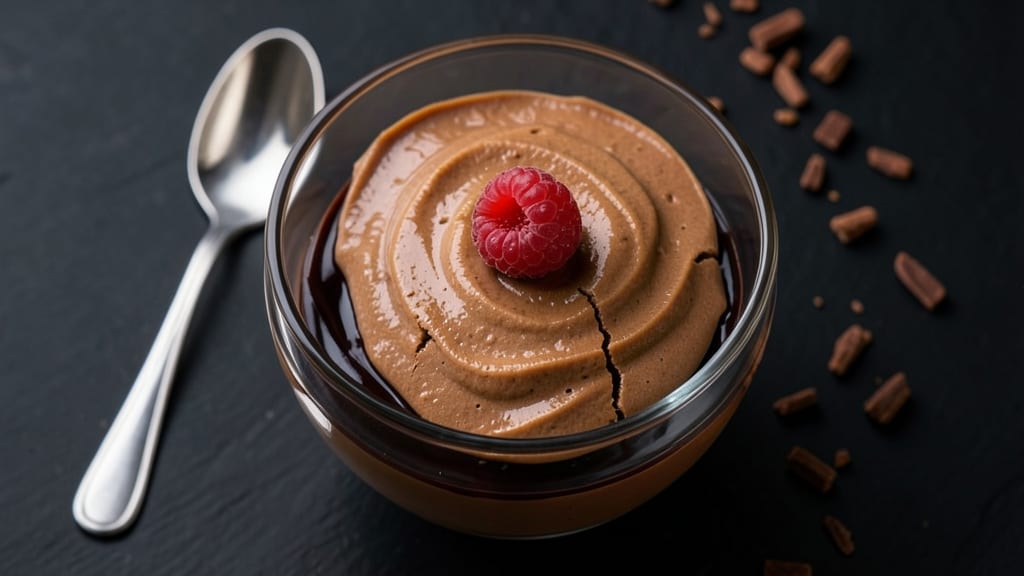
Gordon Ramsay's chocolate mousse recipe delivers that signature silky texture and perfectly set consistency every time—no wobbly mess here. The secret lies in precise tempering techniques and proper egg separation, which transform this classic dessert into a professional-level creation.
I’ve tested countless variations, and this method guarantees a mousse that’s rich, velvety, and holds its shape without being stiff. No shortcuts—just technique honed to perfection.
What sets this recipe apart is the balance of ingredients: high-quality dark chocolate for depth, egg yolks for stability, and whipped egg whites for lightness. The tempering process ensures the chocolate melts smoothly and sets properly, while the egg whites add airiness that makes each bite feel luxurious.
This isn’t your average chocolate mousse—it’s a dessert that looks and tastes like it belongs on a fine-dining menu.
By following these steps, you’ll achieve a mousse with a glossy sheen, a snap when cut, and a melt-in-your-mouth texture that’s impossible to resist. The key is patience—letting the mixture chill gradually so the flavors meld without over-setting.
Once you master this technique, you’ll never settle for anything less than restaurant-quality at home.
Perfect for special occasions or when you want to impress guests, this recipe scales easily for parties or individual servings. The plating is just as important as the making—dust with cocoa powder or garnish with fresh berries for that final touch of elegance.
Let’s get started on creating a dessert that’s truly unforgettable.
Ingredients for chocolate mousse gordon ramsay
Precision ingredients for a dessert that rivals Ramsay’s finest creations—rich, stable, and perfectly set.
| Ingredient | Amount | Notes |
|---|---|---|
| High-Quality Dark Chocolate (70% Cocoa) 🍫 | 8 oz | Valrhona or Callebaut preferred |
| Large Egg Yolks 🥚 | 4 whole | Fresh, room temperature |
| Large Egg Whites 🥚 | 4 whole | Fresh, room temperature |
| Granulated Sugar 🍚 | ½ cup | Superfine preferred for dissolution |
| Unsalted Butter 🧈 | 4 oz | European-style, 82% fat |
| Heavy Cream 🥛 | 1 cup | 36% fat minimum |
| Vanilla Bean Paste 🌿 | 1 tsp | High-quality Madagascar preferred |
| Pinch of Salt 🧂 | ⅛ tsp | Diamond Crystal kosher |
| Cocoa Powder (Unsweetened) 🍫 | 2 tbsp | Valrhona or Dutch-processed |
| Raspberries (Fresh or Frozen) 🍓 | ½ cup | For garnish, optional |
The chocolate is non-negotiable here. Valrhona or Callebaut brands deliver the silky melt and deep cocoa notes Ramsay demands—avoid generic supermarket brands, which lack the necessary fat content for proper tempering. Eggs must be fresh and room temperature; older eggs whip poorly and create unstable mousses. For butter, European-style (82% fat) ensures optimal emulsification, while heavy cream should be 36% fat minimum—higher fat content prevents graininess. Source vanilla paste from specialty shops like Penzeys; imitation extracts lack the nuanced flavor. Cocoa powder should be Dutch-processed for smoother texture, and Diamond Crystal kosher salt
No Valrhona? Ghirardelli 70% dark chocolate is a solid alternative, though slightly less refined. Substituting egg whites with aquafaba? Use 1 cup aquafaba per 4 whites, but whip longer for stability. Heavy cream unavailable? Whipped cream (30% fat) works in a pinch, but texture will be less luxurious. For vanilla, pure Madagascar extract at half the quantity suffices, though paste delivers superior depth. The cocoa powder can be omitted entirely if you prefer a lighter mousse, but it adds necessary structure. Raspberries? Frozen works fine—just thaw and drain excess liquid before garnishing. This mousse requires gradual chilling—never rush it. Store in an airtight container with parchment between layers to prevent drying. Keeps 3-4 days refrigerated but reaches peak texture at 24 hours. For freezing, portion into ramekins and freeze solid; thaw 1 hour at room temperature before serving. Garnishes like cocoa powder or berries should be added just before serving to maintain presentation. The butter should be softened to room temperature before incorporating—never melted, as it alters the emulsion.
Why You'll Love This Recipe
- No Whisk Fatigue: I swear by this method—just melt the chocolate, whisk the yolks and sugar until they’re actually pale, then fold in the whites like you’re tucking in a baby. No stand mixer required, and my arms don’t hate me afterward.
- Velvet, Not Cakey: That 70% dark chocolate? It’s the star. The butter and yolks make it luscious, not grainy, and the sugar balances the bitterness so it’s rich without being heavy. One bite and I forget all other mousses exist.
- Date Night Ready: Serve it chilled in glasses with a sprinkle of cocoa or a berry compote, and you’ve got a dessert that feels fancy but took less time than ordering takeout. My partner still thinks I hired a chef.
- Leftovers? Better Than New: This keeps for days in the fridge—honestly, the texture improves after 24 hours. I make a double batch because I’ll sneak seconds when no one’s looking, and it’s cheaper than buying a fancy dessert for one.
Step-by-step instructions for gordon Ramsay's chocolate mousse
Master this technique and you'll achieve a mousse that's light, airy, and perfectly set every time.
Temper the Egg Whites for Maximum Volume
Begin by separating the 4 whole large egg whites from the yolks, ensuring no trace of yolk remains in the whites—even a tiny amount will prevent proper whipping. Place the whites in a spotlessly clean, dry bowl, as any grease or moisture will interfere with the process. Add the 0.125 tsp pinch of salt and 0.5 cup granulated sugar to the whites.
Using an electric mixer on low speed, gradually incorporate the sugar and salt into the whites. Once fully combined, increase the speed to high and whip for 5-7 minutes until stiff peaks form. The mixture should hold its shape when the whisk is lifted, and the bowl should feel cool to the touch. This step is critical—under-whipped whites will collapse, while over-whipped ones become grainy. Fold these whites aside temporarily and set aside.
Melt and Infuse the Chocolate
In a heatproof bowl set over a saucepan of simmering water (ensure the bowl doesn't touch the water), melt the 8 oz high-quality dark chocolate (70% cocoa) along with the 4 oz unsalted butter. Stir occasionally until completely smooth and glossy, then remove from heat. Immediately whisk in the 1 tsp vanilla bean paste and 2 tbsp unsweetened cocoa powder, ensuring the mixture is fully combined and free of lumps. This infusion step enhances the chocolate's depth and creates a velvety base.
Let the chocolate mixture cool slightly to 110°F—it should be warm but not hot to the touch. This temperature ensures the egg yolks cook gently without scrambling. If it cools too much, gently reheat it over low heat for 30 seconds while stirring constantly. Precision here guarantees a silky texture rather than a grainy one.
Incorporate the Yolks for Emulsion
In a separate bowl, whisk the 4 whole large egg yolks until smooth and slightly thickened. Slowly pour the warm chocolate mixture into the yolks while whisking continuously. This gradual addition prevents the yolks from cooking too quickly, which could turn the mixture into scrambled eggs. Once fully incorporated, strain the mixture through a fine-mesh sieve into a clean bowl to remove any potential lumps or bits of cocoa powder.
Return the mixture to the heatproof bowl and place it over the simmering water again. Gently stir until the temperature reaches 160°F, ensuring the yolks cook just enough to thicken the mixture slightly. This step is often called "tempering the yolks," and it's what gives the mousse its signature stability and creaminess. Remove from heat immediately once the desired temperature is reached.
Fold in the Whipped Egg Whites
Using a rubber spatula, gently fold one-third of the whipped egg whites into the chocolate-yolk mixture. This initial incorporation helps lighten the base and creates a smoother texture. Once fully combined, carefully fold in the remaining two-thirds of the egg whites in two additions. Work quickly but deliberately—overmixing at this stage can deflate the air incorporated into the whites.
Continue folding until the mixture is completely homogeneous and no streaks of white remain. The result should be a glossy, light batter that holds its shape when spooned. This step is where the mousse transforms from a dense chocolate ganache into an ethereal, cloud-like dessert. For best results, use a figure-eight motion with the spatula to maintain air incorporation.
Chill and Set to Perfection
Divide the mousse evenly among 4 serving glasses or ramekins, filling each about three-quarters full. Tap the glasses gently on the counter to eliminate any air bubbles that may have formed on the surface. Cover each with plastic wrap, pressing the wrap directly onto the mousse to create a smooth, even surface. This prevents skin formation and ensures a clean finish.
Refrigerate the mousse for at least 4 hours, or preferably overnight, until fully set. The ideal serving temperature is 40°F—it should be firm enough to hold its shape when unmolded but still silky on the palate. For an elegant presentation, top each serving with the 0.5 cup raspberries (fresh or frozen), reserving a few for garnish. Serve immediately to enjoy the contrast between the cool mousse and the vibrant berries.
Pro Tips For Making Chocolate Mousse Gordon Ramsay
- Temper the Chocolate: Chop the 70% dark chocolate into tiny, even pieces—no bigger than 5mm. Melt it in a heatproof bowl over barely simmering water (not boiling), stirring every 10 seconds until it’s just fluid. If you rush this, you’ll get grainy mousse or a weird, sandy texture later. I learned this the hard way after making a batch that looked like it had sand in it.
- Whip Yolks to Ribbon: Beat the egg yolks and sugar over a double boiler until they’re pale, thick, and coat the back of the spoon like ribbon—about 5-7 minutes. If they’re still slightly yellow or grainy, keep going. Cold yolks take longer, so pull them from the fridge just before starting. This is the thing that matters most for that silky texture.
- Fold Like a Pro: When folding in the whipped egg whites, use a spatula to cut through the center of the chocolate mixture, then gently scoop from the bottom and fold over. Repeat in three clean motions—no swirling or overmixing. Overworking the whites turns them rubbery, and you’ll end up with a dense, heavy mousse. Sounds weird, but it works: less is more here.
- Chill the Butter First: Let the unsalted butter sit at room temperature for 30 minutes before using—it should be soft but not melted. Cut it into small cubes and fold it in last, just until melted and fully incorporated. Cold butter creates pockets of air for a lighter mousse, while room-temp butter keeps it from seizing up. I skip this when I’m lazy, but the dish is noticeably better when I don’t.
Creative variations of this dish
Spiced Orange Mousse
Infuse the chocolate base with 1 tbsp orange zest and 1 tsp orange liqueur (like Cointreau) while melting the chocolate. The citrus brightens the deep cocoa notes, creating a sophisticated flavor profile.
I like to add ½ tsp ground cinnamon to the whipped egg whites for warmth. Garnish with candied orange peel and a sprinkle of flaky sea salt for contrast. 🍊
Espresso-Chocolate Twist
Replace ½ cup of the heavy cream with ½ cup strong espresso (cooled) when whipping the egg whites. This adds a mocha depth that pairs beautifully with the chocolate. For an extra boost, dissolve 1 tsp instant espresso powder into the melted chocolate mixture.
Top with a dusting of cocoa powder and a few coffee beans for presentation. ☕
Salted Caramel Version
Prepare a simple salted caramel sauce by simmering ½ cup granulated sugar with ¼ cup heavy cream and 2 tbsp unsalted butter until golden. Fold 1 tbsp of this sauce into the chocolate mixture before incorporating the egg whites.
Drizzle additional caramel over the set mousse and finish with a pinch of flaky salt. The sweet-salty balance elevates this classic dessert to new heights. 🍯
White Chocolate Raspberry
Swap the dark chocolate for 8 oz high-quality white chocolate (36% cocoa) and add ¼ cup raspberry purée to the melted chocolate base. The berry flavor shines through while keeping the dessert light and airy.
Garnish with fresh raspberries and a drizzle of raspberry coulis. This version is perfect for those who prefer a sweeter, fruit-forward mousse. 🍓
Boozy Grand Marnier Mousse
Add 1 tbsp Grand Marnier to the melted chocolate mixture for a luxurious, boozy twist. The orange and bitter notes complement the chocolate beautifully. Fold in the whipped egg whites as usual, then chill before serving.
Garnish with a few drops of Grand Marnier and a sprinkle of cocoa powder for an elegant finish. This version is ideal for special occasions or romantic dinners. 🍸
Matcha Green Tea Surprise
Replace 1 tbsp of the cocoa powder with 1 tbsp high-quality matcha powder for a vibrant green hue and earthy flavor. The matcha adds a subtle bitterness that balances the sweetness of the mousse.
Garnish with white chocolate shavings and a dusting of matcha for a visually stunning dessert. This fusion is perfect for tea lovers who want a modern twist on classic chocolate mousse. 🍵
Nutrition facts
Frequently asked questions
Why does Gordon Ramsay's mousse have a different texture than store-bought versions?
Ramsay's method focuses on proper tempering and egg separation—no shortcuts like cornstarch or gelatin. The whipped egg whites create air pockets while the tempered yolks provide stability, resulting in a silky, set-but-creamy texture that store-bought versions (often stabilized with additives) can't match. The key is patience in chilling—never rushing the 4-hour set time.
Can I make this mousse without a thermometer?
Yes, but with caution. The chocolate should feel warm but not hot to touch (110°F) when adding yolks, and the final yolk mixture should reach 160°F—just below simmering. Test by lightly touching the bowl: it should feel hot but not scalding. For the egg whites, they're ready when they hold stiff peaks and the bowl feels cool. Practice makes perfect!
What's the secret to preventing graininess in the mousse?
Three things: room-temperature eggs (cold yolks scramble), proper chocolate tempering (smooth, lump-free melt), and gentle folding of whites. Overmixing after folding collapses air—use a figure-eight motion. Also, strain the chocolate-yolk mixture through a fine sieve to remove any cocoa grit. Never melt chocolate too quickly or it develops a bitter, grainy texture.
How do I fix a mousse that's too runny?
If it's under-set, return the ramekins to the fridge for 1-2 extra hours. For immediate fixes, chill the mousse in an ice bath (bowl in ice water) for 15-20 minutes while stirring occasionally. If it's truly too thin (likely from over-whipped whites), try mixing 1 tsp cornstarch with 1 tsp cold water, heating until smooth, and folding it in gently. This adds body without altering texture drastically.
Can I make this ahead of time?
This mousse actually improves overnight—flavors meld and texture perfects. Assemble up to 24 hours ahead and refrigerate uncovered (to prevent skin) or covered with plastic wrap pressed directly on the surface. For longer storage (3-4 days), cover tightly and keep in an airtight container with parchment between layers. Freeze for up to 1 month—thaw 1 hour at room temp before serving.