Desserts
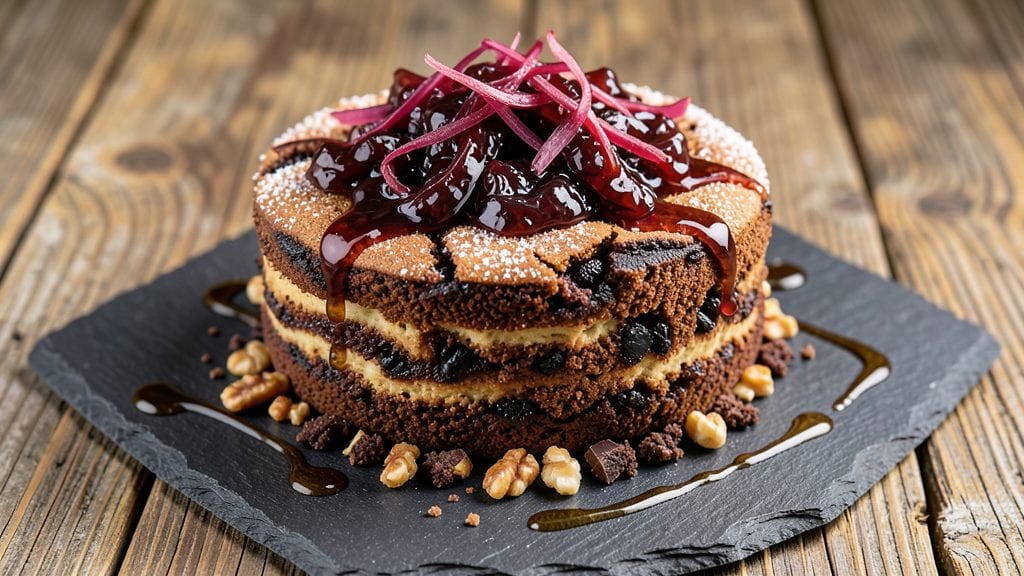
This chocolate cake with sauerkraut recipe reimagines a classic dessert with a bold, tangy-sweet twist that challenges everything you thought you knew about chocolate cake.
The combination might sound unexpected, but the fermented crunch of sauerkraut cuts through the richness, creating a perfect balance that transforms an ordinary cake into something truly memorable.
I first discovered this pairing while experimenting with fermentation in desserts, and the results were so impressive that it became a staple at my dinner parties.
The cake itself is a rich, moist chocolate base that bakes up with a tender crumb and deep cocoa flavor—classic in every sense, but elevated by the sauerkraut's unexpected addition.
The key lies in the preparation: thinly sliced sauerkraut is layered or folded into the batter, adding both texture and a bright, acidic contrast that enhances the chocolate's natural sweetness. This isn't about masking the cake's flavor; it's about enhancing it in a way that feels both sophisticated and approachable.
What you'll end up with is a dessert that looks as striking as it tastes—dark, glossy layers of chocolate cake punctuated by the vibrant green of sauerkraut, creating a visual contrast that's as appealing as the flavor.
The texture is a study in balance: the soft, fudgy cake gives way to the crisp, tangy crunch of fermented cabbage with every bite, making each mouthful an experience. This is the kind of dessert that sparks conversation, impresses guests, and leaves them craving the next slice.
The beauty of this recipe is its versatility—serve it as a standalone dessert, pair it with a scoop of vanilla ice cream for extra creaminess, or even use it as the base for a decadent chocolate mousse cake.
The method is straightforward, but the result is anything but ordinary. Let's get started on this tangy-sweet masterpiece.
Ingredients for chocolate cake with sauerkraut
Rich chocolate meets tangy fermented crunch—this dessert flips expectations with bold flavor balance.
| Ingredient | Amount | Notes |
|---|---|---|
| Unsalted Butter 🧈 | 1 ½ cups | Cold, cubed for creaming |
| Granulated Sugar 🍚 | 2 cups | Light brown preferred |
| Dark Chocolate Chips 🍫 | 2 cups | 70% cocoa, high quality |
| Large Eggs 🥚 | 4 whole | Room temperature |
| All-Purpose Flour 🌾 | 2 cups | Sifted, no substitutions |
| Unsweetened Cocoa Powder 🍫 | ¾ cup | Natural, not Dutch-process |
| Baking Soda 🧂 | 1 tbsp | Freshly opened |
| Salt 🧂 | ½ tsp | Fine sea salt |
| Vanilla Extract 🍯 | 2 tsp | Pure Madagascar preferred |
| Sauerkraut 🥬 | 1 ½ cups | Thinly sliced, drained |
| Buttermilk 🥛 | 1 cup | Homemade or store-bought |
| White Vinegar 💧 | 1 tbsp | For tangy balance |
| Heavy Cream 🥛 | ½ cup | For glaze, full-fat |
| Powdered Sugar 🍚 | ½ cup | For glaze, sifted |
The sauerkraut is the game-changer here. Look for bright green, crisp slices—none of that mushy, waterlogged stuff. I grab mine from the refrigerated section at Whole Foods or Trader Joe's, where it's always fresh. Thinly slice it yourself (mandoline works great) so it blends seamlessly into the batter. The key is draining it well—pat it dry with paper towels to avoid a soggy cake. For the chocolate, Ghirardelli 70% chips or Valrhona are worth the splurge—they melt beautifully and add depth. The butter? Plugrá or Land O'Lakes unsalted, cold and cubed for that perfect creaming texture.
No sauerkraut? Thinly sliced pickles or kimchi can work in a pinch, but the flavor will be different. Running short on buttermilk? Mix 1 tbsp white vinegar with 1 cup milk and let it sit for 5 minutes. The cocoa powder matters—Dutch-processed will make your cake dense, so stick with natural. For the glaze, heavy cream can be swapped for whipped coconut cream if you're avoiding dairy. And if you're feeling fancy, add a pinch of espresso powder to the batter to deepen the chocolate flavor—trust me, it's next-level.
This cake keeps beautifully for 4-5 days in an airtight container at room temperature, though it's best enjoyed fresh. For longer storage, wrap tightly and freeze for up to 3 months. The glaze sets quickly, so make it fresh before serving—just whisk the powdered sugar with a splash of heavy cream until smooth. I like to slice it the day it's made and store the pieces separately, then assemble with fresh glaze before serving. The sauerkraut flavor actually improves slightly over time, so leftovers often taste even better the next day.
Why You'll Love This Recipe
- One-Bowl Wonder: I swear by this recipe—just cream butter and sugar, toss in eggs, fold in flour and chocolate, then stir in that tangy sauerkraut. No mixing bowls, no stress, and the rich, fudgy texture comes together in one go.
- Unexpected Twist: The sauerkraut might sound weird, but trust me—it cuts through the sweetness like a bright, briny kick. That deep umami flavor makes every bite taste like a grown-up dessert, not just another chocolate cake.
- Leftovers? Even Better: This cake keeps beautifully for days, and honestly? It’s better the second time around. The sauerkraut’s tang mellows just enough to make it even more addictive—perfect for sneaking slices into your lunchbox or sharing with coworkers.
- Budget-Friendly Luxury: You’re using pantry staples here: butter, sugar, flour, chocolate—plus a jar of sauerkraut you already have. It’s a fancy-tasting dessert without the grocery splurge, and the rich, dense crumb feels like a treat, not a chore.
Step-by-step instructions for chocolate cake with sauerkraut
Here's how to balance rich chocolate with tangy sauerkraut for a dessert that's equal parts indulgent and unexpected.
Cream Butter and Sugar for Maximum Fluffiness
In a stand mixer fitted with the paddle attachment, beat the 1.5 cups unsalted butter (cold and cubed) with the 2 cups granulated sugar on medium speed for 3-4 minutes. You're looking to create a light, airy mixture that nearly doubles in volume and becomes pale in color. This step is crucial—it incorporates air that will create that signature tender crumb in your cake.
I like to scrape down the sides of the bowl every 30 seconds to ensure all the butter gets fully incorporated. The butter should be completely smooth with no visible lumps, and you'll notice it becomes much lighter in color as it emulsifies with the sugar. This is when you know you're on the right track.
Add Eggs and Dry Ingredients in Stages
Add the 4 whole large eggs, one at a time, mixing on low speed for 30 seconds after each addition until fully incorporated. Then stir in the 2 teaspoons vanilla extract. The mixture will look slightly curdled at first, but don't worry—it will smooth out when you add the dry ingredients.
In a separate bowl, whisk together the 2 cups all-purpose flour, 0.75 cup unsweetened cocoa powder, 1 tablespoon baking soda, and 0.5 teaspoon salt. Sift this mixture directly into the wet ingredients while mixing on low speed just until combined. You'll still see some flour streaks, but that's okay—overmixing develops gluten and makes the cake tough.
Fold in Chocolate Chips and Sauerkraut
Remove the bowl from the mixer and gently fold in the 2 cups dark chocolate chips and 1.5 cups sauerkraut (thinly sliced and drained) using a silicone spatula. The sauerkraut might seem like an odd addition, but it adds a surprising tang that cuts through the richness of the chocolate. Make sure the chocolate chips are evenly distributed throughout the batter.
At this point, you'll notice the batter is thick and dense. That's normal—it will spread beautifully in the oven. Pour the batter into two 9-inch round cake pans lined with parchment paper. Tap the pans gently on the counter to remove any air bubbles, then smooth the tops with a spatula.
Bake Until Golden and Springy
Preheat your oven to 350°F. Bake the cakes for 25-30 minutes, or until a toothpick inserted into the center comes out with a few moist crumbs (not wet batter). The edges should be golden brown, and the tops should spring back when gently pressed with your finger.
I like to rotate the pans halfway through baking to ensure even cooking. If the tops start to brown too quickly, tent the pans with aluminum foil. Once done, let the cakes cool in the pans for 10 minutes, then transfer them to a wire rack to cool completely.
Prepare the Cream Cheese Glaze
While the cakes cool, prepare the glaze by whisking together the 0.5 cup heavy cream, 0.5 cup powdered sugar, and 1 tablespoon white vinegar in a small bowl. The vinegar balances the sweetness and adds a subtle tang that complements the sauerkraut. Whisk until smooth and glossy.
Once the cakes are completely cool, spread the glaze evenly over the top of each layer. The glaze should create a thin, even coating that adds shine and a touch of creaminess. Let the glaze set for 10 minutes before slicing. Serve with a dollop of whipped cream or a sprinkle of cocoa powder for extra flair.
Pro Tips For Making Chocolate Cake With Sauerkraut
- Whisk Eggs Cold: Crack those eggs straight from the fridge into a separate bowl first—no need to warm them. Cold eggs whip up lighter, and you’ll avoid the dreaded curdling when they hit the butter and sugar. I used to ignore this, and my cake always felt dense until I learned better.
- Sauté Sauerkraut First: Drain the sauerkraut, pat it very dry, then crisp it in a pan with a little butter or oil for 5–7 minutes before folding it into the batter. This step cuts the sharpness and adds a smoky depth that raw sauerkraut just can’t match. Skip it, and you’ll taste the vinegar instead of the chocolate.
- Measure Flour Right: Spoon the flour into your measuring cup, then level it off with a knife—don’t scoop directly from the bag. Packed flour makes this cake dry as sawdust, and nobody wants a brick. I learned this after a batch turned out like a hockey puck.
- Bake Until Springy: Check doneness by pressing the center—it should bounce back slowly, not wobble like Jell-O. Overbaking turns the cake tough, and underbaking leaves it gummy. Pull it out when the edges look set but the middle still has a slight give. (Yes, even if the recipe says otherwise.)
Regional styles of this dish
German Fermented Twist
In Germany, fermented foods like sauerkraut are a staple, and this dessert plays beautifully into that tradition. I’ve seen this variation served at Bavarian beer gardens as a post-meal treat, where the sauerkraut’s tang balances the richness of dark chocolate.
The key here is using German-style sauerkraut—look for brands like Reinhart or Brauhaus, which have a milder, slightly sweeter ferment than American varieties. Pair it with a dark German beer glaze (like a Schwarzbier-infused cream) instead of the traditional white vinegar glaze for a local touch. 🍺
Scandinavian Rye Cake
Nordic bakers often incorporate fermented elements into desserts, and this cake translates beautifully with a rye flour swap. Replace ½ cup of the all-purpose flour with ½ cup dark rye flour (like Pillsbury Stone Ground Rye) for a deeper, nuttier flavor that complements the sauerkraut’s acidity.
Serve it with a dollop of lingonberry jam—the tartness mirrors the sauerkraut’s tang while adding a bright Scandinavian note. This version works especially well during Christmas markets, where fermented and preserved foods are celebrated. ❄️
Southern U.S. Sweet-Savory
In the American South, collard greens and pickled vegetables often appear in desserts for a sweet-savory contrast. Swap the sauerkraut for thinly sliced pickled okra (a Southern specialty) or pickled jalapeños for heat.
Use buttermilk instead of regular milk in the batter, and finish with a peanut butter glaze (mix ½ cup powdered sugar with ¼ cup peanut butter and 2 tbsp heavy cream). This twist leans into the region’s love of bold, unexpected flavor combinations. 🌶️
Japanese Kimchi Fusion
For a bold, umami-rich twist, replace sauerkraut with thinly sliced kimchi (drained well). The spicy, funky notes of kimchi add a completely different layer of complexity—think of it as a sushi-inspired dessert.
Use matcha powder (replace ½ cup cocoa powder with 2 tbsp matcha) for a vibrant green hue and earthy flavor. Top with white chocolate shards and a drizzle of yuzu glaze for a fusion dessert that’s equal parts indulgent and refreshing.
This version is a hit at Japanese patisserie cafés in urban areas. 🍵
Italian Fermented Pear
In Italy, fermented pears (like mostarda di frutta) are used in desserts for a sweet-tart balance. Replace the sauerkraut with thinly sliced fermented pear (available in specialty stores or make your own by fermenting pears in apple cider vinegar for 3-4 days).
Swap the glaze for a mascarpone cream (mix ½ cup mascarpone with ¼ cup powdered sugar and 1 tbsp honey). This version feels luxurious and is perfect for Italian holiday tables, where fermented and preserved fruits are often featured. 🍐
Nutrition facts
Frequently asked questions
Why does sauerkraut work with chocolate cake?
The fermented tang of sauerkraut cuts through the richness of chocolate, creating a perfect balance of flavors. The crisp texture adds contrast to the soft cake, making each bite more interesting. Think of it like a tangy-sweet contrast similar to how citrus enhances chocolate in desserts.
Can I make this cake without an electric mixer?
Cream the butter and sugar by hand using a wooden spoon or whisk for about 5-7 minutes until light and fluffy. For the eggs and dry ingredients, mix gently with a rubber spatula. The key is patience—just work in small batches to avoid overmixing. The cake will still turn out delicious!
How do I store leftovers?
Keep the cake in an airtight container at room temperature for up to 4 days. For longer storage, wrap individual slices tightly in plastic wrap and freeze for up to 3 months. The sauerkraut flavor actually improves slightly over time, so leftovers often taste even better!
What if I don't like sauerkraut?
Try thinly sliced pickles, kimchi, or even fermented pears for a similar tangy crunch. The key is using something fermented with a bright, acidic profile. If you prefer a sweeter contrast, consider adding dried cranberries or chopped dates instead.
Can I make this cake gluten-free?
Yes, but with adjustments. Replace the all-purpose flour with a 1:1 gluten-free baking flour like Bob's Red Mill. You may need to add ½ teaspoon xanthan gum to improve texture. Also, use a gluten-free cocoa powder and ensure your chocolate chips are certified gluten-free. The cake will be slightly denser but still delicious!