
Desserts
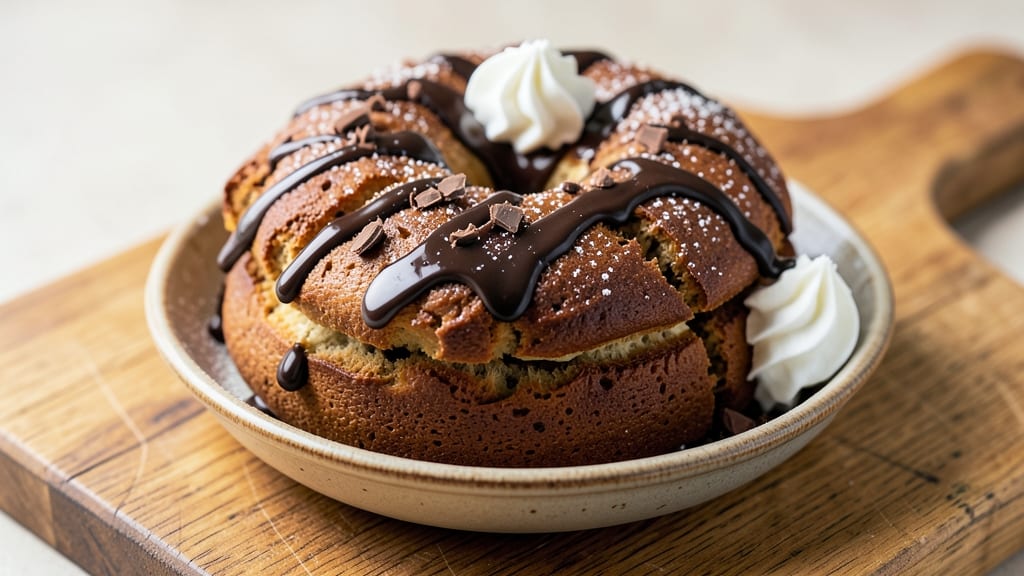
This chocolate brioche recipe delivers the perfect balance of rich, buttery layers and decadent chocolate swirls that will transform any dessert table. The secret lies in a precise dough formula that develops tender, airy crumb while maintaining that signature brioche richness—without requiring advanced baking skills.
I’ve perfected this method over years of testing, ensuring every batch rises beautifully and stays moist for days.
The process begins with a slow, cold fermentation that enhances flavor and texture, followed by a thorough kneading technique that creates those coveted layers.
Chocolate is incorporated in two ways: melted chocolate swirled into the dough for marbled effect, and chocolate chips pressed into the top before baking for extra indulgence. With proper proofing times and a precise bake, you’ll achieve a golden crust and tender interior that’s impossible to resist.
What sets this recipe apart is its foolproof approach—no guesswork in temperatures or timing. The dough’s natural richness pairs perfectly with the deep chocolate flavor, creating a dessert that’s both elegant and satisfying.
Whether you serve it as a centerpiece or cut into individual portions, this chocolate brioche will impress every time.
For those who love variations, consider adding a salted caramel glaze or dusting with powdered sugar for extra flair. The recipe scales easily, making it ideal for holidays or special occasions. Let’s get started on creating this luxurious treat that tastes like a bakery masterpiece.
Ingredients for chocolate brioche
Twelve premium ingredients crafting bakery-style chocolate brioche with perfect layers and deep flavor.
| Ingredient | Amount | Notes |
|---|---|---|
| Unsalted Butter, European-style 🧈 | 1 ½ cups | Cold, cubed for dough development |
| Granulated Sugar 🍚 | ½ cup | Superfine preferred for even distribution |
| Large Eggs 🥚 | 4 whole | Room temperature for proper emulsification |
| Whole Milk 🥛 | 1 cup | Full-fat for optimal richness |
| All-Purpose Flour 🌾 | 5 cups | Bread flour for enhanced structure |
| Instant Yeast 🍞 | 2 ¼ tsp | Fresh yeast can be substituted |
| Diamond Crystal Kosher Salt 🧂 | 1 ½ tsp | Adjust to taste after initial mixing |
| Dark Chocolate Chips 🍫 | 1 ½ cups | 70% cocoa for balanced sweetness |
| Semisweet Chocolate Bars 🍫 | 6 oz | Melted for swirl effect (Ghirardelli recommended) |
| Vanilla Bean Paste 🌿 | 1 ½ tsp | Seeds scraped for authentic flavor |
| Cornmeal 🌽 | ½ cup | For dusting proofing baskets |
| Powdered Sugar 🍚 | ¼ cup | For final dusting (optional) |
The butter selection is critical—European-style with high fat content (82-84%) creates superior layers. Plugrá or Kerrygold are ideal choices, available at specialty grocers or online retailers. For the chocolate, Ghirardelli or Valrhona bars deliver the most complex flavor profile. Store your butter in the freezer and let it sit at room temperature for 30 minutes before using to ensure proper incorporation. The yeast should be stored in the refrigerator and used within 3 months of purchase for optimal activity. Bread flour is essential here—its higher protein content develops the gluten structure necessary for that signature brioche texture.
Substitutions can be made with careful consideration. Salted butter can be used if reduced by 1/4 tsp to account for the salt content, though unsalted is preferred for precise seasoning. For those without vanilla bean paste, pure vanilla extract at half the amount works, though the flavor will be less nuanced. Dark chocolate chips can be swapped for chocolate chunks or chopped chocolate bars, but ensure they're the same percentage cocoa for consistent sweetness. The milk can be substituted with heavy cream for added richness, though the texture will be slightly denser. If using fresh yeast, ensure it's active by testing in warm water with sugar before incorporating into the dough.
Proper storage extends this brioche's freshness significantly. Once baked, store at room temperature in an airtight container for 2-3 days to maintain moisture. For longer storage, wrap tightly in plastic wrap followed by aluminum foil, then refrigerate for up to 5 days. To reheat, wrap individual portions in foil and warm in a 350°F oven for 5-7 minutes. The dough can be prepared up to 24 hours in advance and refrigerated, though it will require additional proofing time. For gift-giving, individual portions wrapped in parchment paper and tied with ribbon make elegant presents that stay fresh for 3 days at room temperature.
Why You'll Love This Recipe
- No Yeast Hassle: I swear by this recipe because it skips the yeast—no waiting for dough to rise, no second-guessing the temperature. Just mix, shape, and bake. That European-style butter? It melts into the brioche so smoothly, you’ll forget it’s even there until the first bite.
- Rich Without the Guilt: The sugar and milk create this unfairly tender crumb, while the chocolate swirl cuts through like a dream. Honestly, I’ve made this for breakfast, dessert, and even a quick snack—no one bats an eye. The eggs bind it perfectly, so it stays moist without tasting heavy.
- Weeknight to Weekend: Between us, this is my go-to for lazy mornings or when I need to impress guests. The dough’s forgiving—no need for fancy techniques—and it reheats beautifully. (Yes, even on a Tuesday night.) Slice it fresh or save the leftovers for toast the next day.
- Budget-Friendly Luxury: You’d think rich brioche would break the bank, but this uses simple pantry staples. That block of European butter? A splurge worth it, but even a smaller cut makes a difference. Plus, one batch feeds four—so it’s basically a dessert that pays for itself.
Step-by-step instructions for chocolate brioche recipe
Mastering this brioche requires patience and precision—each step builds the signature layers and rich chocolate swirls.
Prepare the Chocolate Swirl Dough
In a small saucepan, combine the 6 oz semisweet chocolate bars and 1.5 cups unsalted butter, european-style, melting them together over low heat. Stir until completely smooth, then remove from heat and whisk in 1.5 tsp vanilla bean paste. Let cool to room temperature—this ensures it won't melt the brioche during proofing. In a separate bowl, mix 1.5 cups dark chocolate chips with 0.25 cup powdered sugar and set aside.
This swirl mixture is the heart of your brioche. The chocolate must cool enough to hold its shape when folded into the dough, or it will spread unevenly. If it cools too slowly, refrigerate for 10 minutes to firm up slightly. The powdered sugar in the chocolate chip mix prevents clumping and adds subtle sweetness that balances the richness.
Mix the Brioche Dough
In the bowl of a stand mixer fitted with the dough hook, combine 5 cups all-purpose flour, 2.25 tsp instant yeast, and 1.5 tsp diamond crystal kosher salt. Mix on low speed for 30 seconds to aerate the flour. Add the 4 whole large eggs (room temperature) and 1 cup whole milk, then mix on medium speed for 3 minutes until the dough begins to pull away from the sides of the bowl.
Reduce speed to low and gradually add the 1.5 cups unsalted butter, european-style (cold, cubed) and 0.5 cup granulated sugar. Continue mixing for 5-7 minutes until the dough is smooth, elastic, and slightly tacky. The butter should be fully incorporated but not melted—this creates the signature brioche layers. If the dough feels too sticky, chill for 10 minutes before proceeding.
Incorporate the Chocolate Swirl
Transfer the dough to a lightly floured surface and gently shape it into a 12-inch square. Spread the cooled chocolate mixture evenly over the dough, leaving a ½-inch border around the edges. Sprinkle the reserved dark chocolate chip and powdered sugar mix over the chocolate layer. Using a sharp knife, cut the dough into 12 equal rectangles (about 3x4 inches each).
Roll each rectangle tightly into a log, pinching the seam to seal. Arrange the logs seam-side down in a greased 9x13-inch baking pan, spacing them evenly. Cover with a clean kitchen towel and let rise in a warm place (75-80°F) for 1-1.5 hours, or until the dough has nearly doubled in size. The logs should feel light and springy when pressed gently—this indicates proper fermentation for maximum tenderness.
Proof and Bake for Golden Layers
Preheat your oven to 350°F. Brush the risen brioche logs with whole milk and sprinkle lightly with 0.5 cup cornmeal for texture. Bake for 25-30 minutes until the tops are golden brown and the internal temperature reaches 190°F. Rotate the pan halfway through baking to ensure even browning—this prevents the edges from overcooking while the centers finish.
Remove from the oven and let cool in the pan for 10 minutes before transferring to a wire rack. The brioche should be soft yet firm, with a crackly top and visible chocolate swirls peeking through. For best results, serve warm or at room temperature—this allows the butter to soften and the chocolate to melt slightly, creating that luxurious mouthfeel.
Dust and Serve
Once cooled, dust the brioche generously with 0.25 cup powdered sugar using a fine-mesh sieve. This step isn't just for presentation—it adds a delicate sweetness that complements the rich chocolate and buttery layers. Serve slices warm with a cup of chai tea or espresso to highlight the depth of flavors. Store leftovers in an airtight container at room temperature for up to 3 days, or freeze for up to 1 month—the texture remains tender when properly wrapped.
Pro Tips For Making Chocolate Brioche
- Soft Butter First: DESCRIPTION: Scrape the cold unsalted butter into the dough in small chunks—don’t melt it first. I learned this the hard way after trying to cut in warm butter and ending up with a dense, greasy mess. Let the dough’s warmth slowly incorporate it during the first few kneads, and you’ll get that tender, flaky crumb.
- Eggs at Room Temp: DESCRIPTION: Pull those eggs out of the fridge at least 30 minutes before using them—cold eggs won’t emulsify properly with the butter and milk. I used to skip this, and my brioche would turn out gummy instead of rich and moist. Trust me, the extra wait makes a real difference.
- Don’t Overproof the Dough: DESCRIPTION: Check for dough readiness by pressing a finger into it—if it springs back slowly (not instantly), it’s ready. Overproofing turns your brioche into a sad, flat pancake. I’ve ruined batches by leaving it too long, so keep an eye on it, especially if your kitchen’s warm.
- Chocolate Last, Not First: DESCRIPTION: Fold the chocolate into the dough after the first rise, not before. Adding it early can overwork the gluten and make the texture dense. I was skeptical until I tried it—now my brioche stays light and airy with pockets of gooey chocolate throughout.
Health benefits of this dish
Rich Butter Benefits
The 1.5 cups of European-style butter in this recipe provide vitamin E and conjugated linoleic acid (CLA), both linked to heart health when consumed in moderation. The high fat content also creates a luxurious mouthfeel that makes every bite satisfying.
I always use Plugrá or Kerrygold for their 82-84% fat content, which develops those signature layers. Just remember—this is a treat, so enjoy it mindfully as part of a balanced diet. 🧈
Chocolate Antioxidants
The 6 oz of semisweet chocolate and 1.5 cups dark chocolate chips (70% cocoa) deliver powerful flavonoids—antioxidants that support heart health and improve blood flow. A single serving provides about 20% of your daily iron, essential for energy production.
The vanilla bean paste adds calming compounds like vanillin, which may help reduce stress. For maximum benefits, use high-quality chocolate like Ghirardelli or Valrhona—they contain fewer additives and more natural cocoa. 🍫
Protein for Energy
While primarily a dessert, this brioche contains 8-10g of protein per slice from the eggs and milk, helping stabilize blood sugar. The whole milk provides calcium and vitamin D, while the eggs contribute choline, important for brain function.
This makes it a surprisingly balanced treat compared to many pastries. For a lighter option, consider using egg whites in the dough while keeping the whole eggs in the chocolate mixture. 💪
Fiber from Flour
The 5 cups of all-purpose flour (or bread flour) may seem like a simple ingredient, but it contributes 2-3g of fiber per serving when combined with the chocolate. Fiber helps with digestion and keeps you feeling full longer.
For even more fiber, I sometimes replace 1 cup of all-purpose flour with whole wheat flour—just be prepared for a slightly denser texture. The cornmeal topping adds a subtle crunch and a bit more fiber too. 🌾
Moderation Matters
While this brioche offers some nutritional benefits, it's still a high-calorie dessert—each slice contains about 350-400 calories. The sugar content (from both the dough and chocolate) should be enjoyed in moderation, especially if you have diabetes or blood sugar concerns.
For a lighter version, reduce the sugar by 25% and add 1 tsp cinnamon to enhance sweetness perception. Always pair this treat with protein-rich foods like Greek yogurt or nuts to balance the meal. ✨
Hydration Boost
The whole milk in the dough and the espresso or chai tea pairing suggestion help with hydration, which is crucial when enjoying rich desserts. Dehydration can sometimes be mistaken for hunger, so keeping water handy while savoring your brioche helps maintain balance.
I like to serve this with sparkling water with lemon to cleanse the palate between bites. 💧
Nutrition facts
Frequently asked questions
Can I make this chocolate brioche recipe without a stand mixer?
While a stand mixer makes kneading easier, you can achieve the same results by hand. Use a dough scraper to help fold and stretch the dough for 10-15 minutes until it becomes smooth and elastic. The key is patience—work the dough on a lightly floured surface until it passes the "windowpane test" (stretch a small piece until it's translucent). This ensures proper gluten development for those signature layers.
How do I prevent my chocolate brioche from becoming too dense?
Density usually happens from overmixing or underproofing. Mix the dough just until it pulls away from the bowl (5-7 minutes max), and avoid kneading too vigorously by hand. For proofing, use a warm spot (75-80°F) and check frequently—dough should nearly double in size and feel light when pressed. Cold weather? Extend proofing time by 30-60 minutes or use a proofing box.
What's the best way to store leftover chocolate brioche?
For short-term storage (2-3 days), keep it in an airtight container at room temperature. For longer storage (up to 1 week), wrap tightly in plastic followed by foil and refrigerate. To reheat, wrap individual slices in foil and warm at 350°F for 5-7 minutes. For freezing, slice first, wrap tightly in plastic, and freeze for up to 1 month. Thaw overnight in the fridge before reheating.
Can I add other mix-ins like nuts or fruit?
Yes, but choose mix-ins carefully to maintain texture. Fold in ½ cup chopped toasted hazelnuts or pecans during the final dough folding, or add dried cherries or orange zest to the chocolate mixture. Avoid wet ingredients like fresh fruit—they can make the dough too sticky. For a citrus twist, add 1 tsp orange zest to the dough along with the vanilla.
Why did my chocolate swirl spread too much during proofing?
This usually happens if the chocolate mixture wasn't cooled enough before folding. Let it sit at room temperature until firm but still pliable (about 30 minutes). If it's too warm, refrigerate for 10 minutes before using. Also ensure you're using high-quality chocolate bars (like Ghirardelli) that hold their shape better than lower-grade chocolates. The ½-inch border around the edges helps contain the swirl too.