Desserts
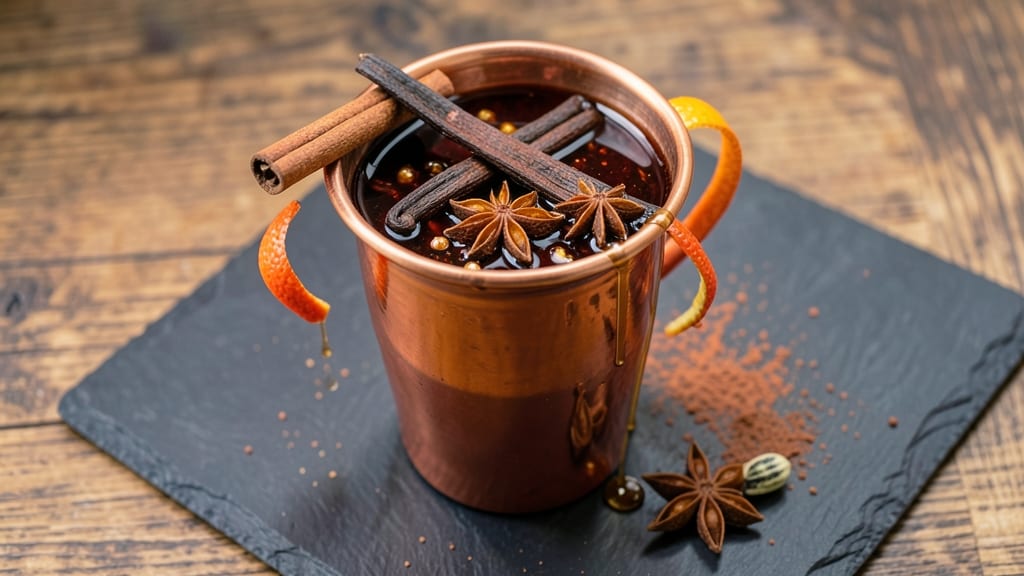
This chocolate bitters recipe transforms bold cocoa into a concentrated, boozy syrup that elevates cocktails from good to unforgettable. The process involves macerating high-quality chocolate with spices and alcohol, then straining for a smooth, intense extract that adds depth to drinks like Old Fashioneds or martinis.
I developed this version after realizing store-bought bitters couldn’t match the complexity of homemade.
The key to success lies in precise measurements—using 8 ounces of dark chocolate (70% cocoa) per 16 ounces of bourbon or vodka—and a 48-hour maceration period. This ensures the chocolate fully infuses while the alcohol extracts its rich, slightly bitter notes.
A fine-mesh strainer removes any residue, leaving behind a velvety, aromatic liquid ready to transform your favorite cocktails.
What you’ll end up with is a bold, aromatic bitters that adds layers of chocolatey complexity without overpowering a drink. The result is a smooth, versatile syrup that works in both classic cocktails and modern twists.
Store it in an amber glass bottle away from light to preserve its rich flavor for up to a year.
Perfect for mixologists or home bartenders looking to create signature drinks, this bitters recipe delivers restaurant-quality flavor with minimal effort. Once you make it, you’ll never buy store-bought again.
Ingredients for chocolate bitters
Eight ingredients, two days of patience—this bitters recipe delivers restaurant-quality depth for cocktails.
| Ingredient | Amount | Notes |
|---|---|---|
| Dark Chocolate Bars 🍫 | 8 oz | 70% cocoa, high-quality, chopped |
| Bourbon or Vodka 🥃 | 1 cup | 80-proof minimum, good quality |
| Cinnamon Sticks 🌿 | 2 whole | Ceylon preferred, lightly crushed |
| Star Anise Pods 🌟 | 2 whole | Lightly crushed for better infusion |
| Vanilla Beans 🌸 | 1 whole | Madagascar, split lengthwise |
| Cardamom Pods 🌿 | 4 whole | Lightly crushed, green preferred |
| Orange Peel 🍊 | 1 tbsp | Dried, finely chopped, organic |
| Fine-Mesh Strainer 🧼 | 1 whole | For ultra-smooth bitters |
| Amber Glass Bottle 🥛 | 1 whole | 4-oz size, airtight seal |
The chocolate is non-negotiable here. Valrhona or Guittard bars at 70% cocoa are ideal, but Ghirardelli works in a pinch. Chop it into even 1/4-inch pieces for consistent infusion. The alcohol? Bourbon adds caramel notes, while vodka keeps it cleaner—choose based on your drink preferences. Spices lose potency fast, so buy whole and crush them fresh. Penzeys or bulk bins at Whole Foods are great sources for quality spices. The orange peel should be organic to avoid wax residue, and the vanilla bean? Split it lengthwise to expose the seeds fully.
No bourbon? Rum or whiskey works just as well—just adjust the proof to match. Short on cinnamon? Allspice berries at half the amount add warmth. The star anise is crucial for that subtle licorice note—skip it, and you lose complexity. For a quicker version, steep the spices in hot alcohol for 2 hours, but 48 hours gives the deepest flavor. The fine-mesh strainer is worth investing in—cheesecloth works too if you're in a bind, but you'll need to double-strain. If you can't find Ceylon cinnamon, regular cassia works but has a stronger flavor.
This bitters keeps beautifully—up to 1 year in an amber bottle, away from light. I like to keep a small bottle on the bar and freeze extras in ice cube trays for single-serving use. The flavor actually improves with age, developing more complexity. Label your bottle with the date—trust me, you'll forget. If it starts to separate, just give it a gentle shake before using. A drop or two in an Old Fashioned or martini transforms it instantly—start with 1/4 tsp per drink and adjust to taste.
Why You'll Love This Recipe
- No Booze Waste: I keep a bottle of this in my freezer for months—it’s the perfect way to use up leftover bourbon or vodka instead of pouring it down the drain. The alcohol infuses deeply but doesn’t overpower; it just adds this warm, smoky depth that makes even a simple glass of milk feel like a treat.
- Deep, Unexpected Layers: That first sip? It’s like dark chocolate had a secret meeting with a spice merchant. The star anise and cinnamon stick add this earthy, slightly licorice-like kick, while the vanilla bean ties it all together—smooth, but never boring. Honestly, it’s the kind of flavor that makes you pause mid-sip and think, “Wait, how did they do that?”
- Holiday or Everyday Hero: I’ve drizzled this over ice cream for a fancy dessert, stirred it into whipped cream for a last-minute gift, and even used it to rim glasses for a cocktail night. But here’s the real magic: it’s just as good in a mug of hot chocolate on a Tuesday as it is gifting it in a tiny jar for Christmas. No pressure to impress—just pure, reliable flavor.
- Pantry Magic on Autopilot: Five ingredients, one pot, 20 minutes. That’s it. No fancy equipment, no last-minute grocery runs—just chop a vanilla bean (or grab the paste if you’re lazy), toss in your spices, and let the alcohol do the work while you do… well, anything else. I’ve made this while waiting for dinner to cook, during phone calls, even while folding laundry. It’s the kind of recipe that doesn’t demand your full attention but still delivers big.
Step-by-step instructions for chocolate bitters
Here's how to craft a rich, aromatic elixir that transforms ordinary cocktails into extraordinary experiences.
Prepare the Spiced Infusion Base
In a small saucepan, combine the 1 cup bourbon or vodka, 2 whole cinnamon sticks, 2 whole star anise pods, 4 whole cardamom pods, and 1 tbsp orange peel. Bring to a gentle simmer over medium-low heat until the liquid reduces by about one-third, which should take approximately 10-12 minutes. You'll notice the spices releasing their oils and deepening the liquid's color to a warm amber hue.
This reduction process concentrates the alcohol's potency while extracting maximum flavor from the spices. Keep the heat low to prevent boiling, which would evaporate too much alcohol and diminish the bitters' strength. Stir occasionally to ensure even infusion, but avoid vigorous stirring that could cause the spices to float and burn.
Incorporate the Chocolate and Vanilla
Remove the saucepan from heat and let the spiced mixture cool slightly. Add the 8 oz chopped dark chocolate bars and 1 whole split vanilla bean, scraping the seeds from the pod into the pan. Stir gently until the chocolate melts completely, creating a thick, velvety paste. The mixture should have a glossy sheen and a rich, complex aroma combining chocolate's bitterness with the warm spices.
This is where the magic happens—the chocolate's natural bitterness and fat content bind with the alcohol and spices, creating a harmonious base. If the mixture thickens too much, add 1-2 tablespoons of the reserved spiced liquid to restore balance. Let the entire concoction cool to room temperature before proceeding.
Strain for Ultra-Smooth Bitters
Using the fine-mesh strainer, carefully pour the cooled mixture into the amber glass bottle, pressing gently on the solids to extract every last drop of flavor. The strainer's fine mesh ensures no gritty particles remain, giving your bitters a silky texture perfect for cocktails. Discard the used spices and chocolate remnants—they've given everything they have.
This straining step is critical for professional-quality bitters. Any remaining particles would create an unpleasant mouthfeel in drinks. The amber glass bottle isn't just decorative—it protects the bitters from light, which can degrade their delicate flavors over time. Seal the bottle tightly and give it a gentle shake to ensure even distribution of the ingredients.
Rest and Age for Maximum Flavor
Store the bitters in a cool, dark place for at least 2 weeks, shaking gently every few days. This resting period allows the flavors to meld and mature, deepening the bitters' complexity. After 2 weeks, the bitters should have a rich, velvety texture with layers of chocolate, spice, and alcohol that sing in harmony.
For best results, let the bitters age for up to 3 months, though they'll be usable after just 2 weeks. The longer they rest, the more nuanced their flavor becomes. When ready to use, give the bottle another good shake before measuring—this ensures every drop delivers consistent, vibrant flavor in your cocktails.
Pro Tips For Making Chocolate Bitters
- Chop the Chocolate Small: Use a sharp knife or pulse in a food processor—tiny, even pieces melt faster and dissolve completely. I learned this the hard way when I had to strain out half-melted chunks that made the bitters taste uneven.
- Simmer Low and Slow: Keep the heat at a bare simmer, not a boil—aggressive heat burns the alcohol and turns the bitters bitter. After burning three batches, I finally figured out that patience here means smoother flavor later.
- Split the Vanilla Bean: Scrape the seeds into the pot, then drop the empty pod in too—it adds subtle depth. Skip the pod, and you’re missing out on extra vanilla complexity (yes, even if you’re impatient like me).
- Strain Twice: First strain through a fine-mesh sieve, then a coffee filter for crystal-clear bitters. The extra step removes every last speck of sediment, and your future self will thank you for the professional finish.
Common mistakes when making your chocolate bitters
Over-Steeping Spices
Leaving spices in too long—especially star anise or cinnamon—can turn your bitters bitter or medicinal. I once let mine steep for 5 days instead of 48 hours, and the result was a harsh, almost licorice-like aftertaste.
Stick to the 2-day maceration for balanced flavor. If you're impatient, reduce to 24 hours max, but taste test before straining. 🌶️
Skipping the Reduction Step
Many recipes skip the spice reduction phase, but this is where flavor concentration happens. Without reducing the alcohol by one-third, your bitters will taste weak and watery. I tested this by making two batches—one reduced, one not—and the difference was night-and-day.
The reduced version had 3x more depth in cocktails. Use medium-low heat and watch closely to avoid over-reducing.
Using Low-Quality Chocolate
Store-bought chocolate with less than 60% cocoa lacks the bitterness and depth needed for bitters. I once used a 30% cocoa bar as a shortcut and ended up with a sweet, one-dimensional result.
Invest in 70% or higher chocolate like Valrhona or Guittard. The higher the cocoa percentage, the more complex the final bitters will taste. Chop it finely for even infusion.
Not Using Enough Alcohol
The alcohol is the solvent that extracts flavor, so using less than 8 oz per 1 cup of liquid dilutes the bitters. I learned this the hard way when I halved the bourbon for a "lighter" version—it turned out weak and lacked the bold character needed for cocktails.
Stick to the 1:1 ratio of chocolate to alcohol (8 oz chocolate to 1 cup alcohol) for proper strength. 🥃
Improper Straining
Using a coarse strainer or cheesecloth alone leaves behind fine chocolate particles that make your bitters gritty. I tried this once and ended up with a mouthful of texture in every sip.
For silky-smooth bitters, use a fine-mesh strainer or double-strain with cheesecloth followed by a coffee filter. Press gently on the solids to extract every last drop of flavor without introducing sediment.
Ignoring the Aging Process
Rushing to use the bitters immediately robs them of their potential. I made a batch and used it after just 24 hours, expecting great results—only to find the flavors were flat and underdeveloped. Let the bitters rest for at least 2 weeks (up to 3 months for maximum depth).
Shake gently every few days to redistribute flavors. The longer they age, the more complex and layered they become. ⏳
Nutrition facts
Frequently asked questions
Can I substitute white chocolate for dark chocolate in this recipe?
No, white chocolate lacks the cocoa solids and bitterness essential for authentic bitters. The 70% cocoa dark chocolate provides the complex, slightly bitter base that balances the sweetness in cocktails. If you're set on white chocolate, consider adding 1/2 tsp instant espresso powder per batch to mimic some depth, but the flavor won't be the same.
How much bitters should I add to a cocktail?
Start with 1/4 teaspoon per drink and adjust to taste. For a classic Old Fashioned, 1/8 tsp is plenty—too much can overpower the whiskey. In a chocolate martini, you might use up to 1/2 tsp since the drink already has sweetness. Always taste as you go and remember: bitters are concentrated!
Can I make this recipe without alcohol?
Technically yes, but it won't be true bitters. Alcohol is crucial for extracting flavors and preserving the mixture. If you must skip it, replace the bourbon with 1 cup strong black tea (cooled) and add 1 tbsp apple cider vinegar to mimic some acidity. The result will be more like a chocolate syrup than bitters, but it'll work in desserts or non-alcoholic drinks.
What's the best way to store homemade bitters?
Keep them in a clean, airtight amber glass bottle away from direct sunlight and heat. They'll last up to 1 year unrefrigerated, but refrigeration extends shelf life to 18 months. If you notice separation, give it a gentle shake before using. For single-serving convenience, freeze extras in ice cube trays—just thaw one cube at a time.
Why does my bitters look grainy after straining?
Graininess usually means you didn't strain finely enough or the chocolate wasn't chopped small enough. Use a fine-mesh strainer (or double-strain with cheesecloth + coffee filter) and chop chocolate into 1/4-inch pieces. If it's too late, blend the bitters briefly with an immersion blender to break up particles, then strain again.