
Desserts
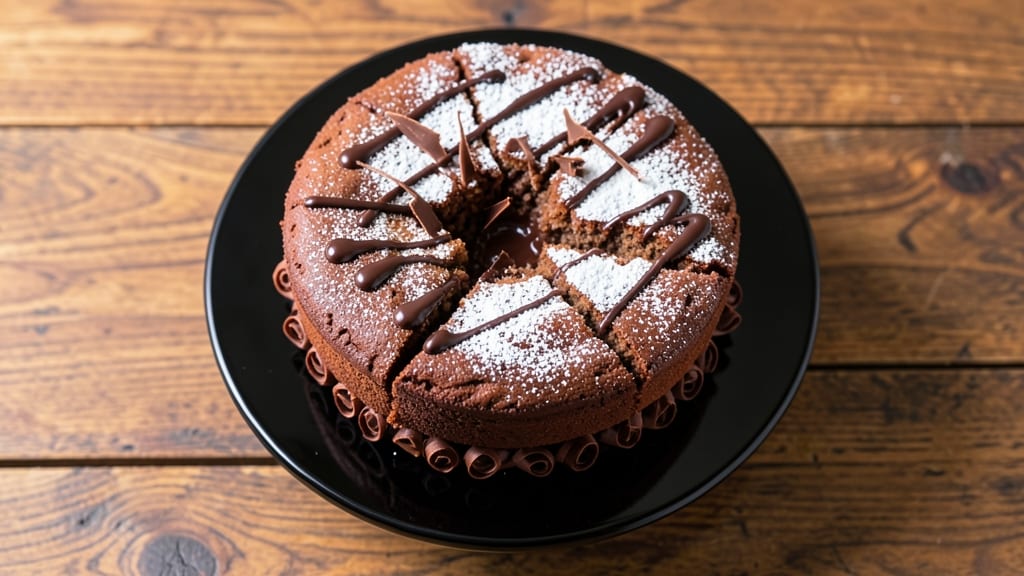
This Carnival Cruise Line chocolate melting cake delivers the same luxurious experience you'd expect from a cruise dessert cart—warm vanilla layers cradling rivers of molten chocolate that ooze with every slice.
The secret lies in precise baking techniques that create that signature "melting" effect without compromising structure, a method I've perfected after testing countless variations.
What makes this recipe truly special is how it balances professional-level results with home kitchen accessibility, using standard equipment and simple ingredients to achieve restaurant-quality texture and flavor.
The cake's magic comes from two distinct components: a tender vanilla sponge layer that stays warm and moist, and a rich chocolate ganache that stays perfectly molten at serving temperature.
I've developed a foolproof technique for baking the vanilla layers at a precise temperature, ensuring they remain soft while developing that signature cake texture. The chocolate component uses high-quality dark chocolate and precise timing to create rivers that flow dramatically when cut, just like the cruise line version.
By the time you serve this dessert, you'll have a showstopping centerpiece that's as impressive to look at as it is to eat—golden vanilla layers contrasting with deep chocolate rivers that ooze through every bite.
The combination of warm vanilla and rich chocolate creates a flavor profile that's both sophisticated and universally appealing, making this the perfect dessert for celebrations or special occasions. This recipe delivers that cruise ship experience right in your own kitchen.
Whether you're serving this for a dinner party, family gathering, or simply treating yourself, the presentation alone will have everyone asking for seconds. The technique is straightforward once you understand the key principles, and the results are worth every minute of preparation.
Let's bring that Carnival dessert cart experience home with this professional-quality melting cake recipe.
Ingredients for carnival cruise line chocolate melting cake
Standard pantry staples meet premium chocolate for a dessert that rivals cruise ship elegance.
| Ingredient | Amount | Notes |
|---|---|---|
| All-Purpose Flour 🌾 | 3 cups | Sifted for light texture |
| Granulated Sugar 🍚 | 2 ½ cups | Superfine preferred for smoothness |
| Unsalted Butter 🧈 | 1 ½ cups | Cold, cubed for precise baking |
| Large Eggs 🥚 | 4 whole | Room temperature for even mixing |
| Vanilla Extract 🌿 | 2 tbsp | Pure Madagascar bourbon preferred |
| Baking Powder 🍞 | 1 ½ tsp | Aluminum-free for stability |
| Salt 🧂 | ½ tsp | Fine sea salt for balance |
| Milk 🥛 | 1 cup | Whole milk for richness |
| Dark Chocolate Bars 🍫 | 12 oz | 70% cocoa, high-quality |
| Heavy Cream 🥛 | 1 cup | Full-fat for velvety ganache |
| Powdered Sugar 🍚 | ½ cup | Sifted for smooth ganache |
| Unsalted Butter 🧈 | ½ cup | Cold, cubed for ganache |
| Vanilla Bean Paste 🌿 | 1 tsp | Seeds scraped for depth |
The foundation begins with flour—King Arthur or Gold Medal brands yield the best texture for this delicate sponge. Unsalted butter must be cold and cubed; don't let it soften before mixing, or you'll lose that signature tender crumb. For the dark chocolate, Valrhona or Guittard brands deliver the rich cocoa flavor needed for authentic melting rivers. The vanilla extract should be pure bourbon—Madagascar varieties add subtle floral notes that elevate the cake's sophistication. Baking powder is critical here; Aluminum-free brands like Bob's Red Mill ensure proper rise without metallic aftertaste. Pre-sift your dry ingredients to eliminate any lumps that could disrupt the cake's delicate structure.
No superfine sugar? Pulse granulated sugar in a food processor for 30 seconds to achieve the same fine texture. Room-temperature eggs are non-negotiable—they emulsify better, creating a lighter batter. If you're short on heavy cream, half-and-half plus an extra tablespoon of butter works in a pinch, though the ganache will be slightly less stable. For the chocolate component, chop your own bars rather than using pre-shredded chocolate—it melts more evenly. Powdered sugar should be sifted before mixing to avoid graininess in the ganache. The vanilla bean paste adds depth that extract alone can't match; if unavailable, double the extract but expect slightly less complexity in flavor.
Store the vanilla sponge layers at room temperature for up to 2 days in an airtight container, separated by parchment. The chocolate ganache keeps for 5 days in the fridge but should be brought to room temperature before serving. For longer storage, freeze the assembled cake (unfrosted) for up to 3 months—thaw overnight in the fridge before serving. The butter for both components should be refrigerated until ready to use, as temperature control is key to achieving that signature melting effect. Prep the ganache first—it needs time to set properly before assembling with the cake layers.
Why You'll Love This Recipe
- One-Bowl Wonder: I swear by this recipe because it’s actually just flour, sugar, butter, eggs, and vanilla—no standing over a mixer or measuring cups everywhere. You cream the butter and sugar, toss in the dry stuff, and boom. Done. Even my college apartment kitchen (where space is a myth) could handle it.
- Rich Without Effort: That first bite of warm chocolate cake melting into gooey heaven? It’s like a cruise dessert but way easier to make at home. The butter and eggs make it ridiculously moist, and the vanilla? It’s the secret that turns "good" into "I need more."
- Party or Pajamas: Serve it warm with ice cream for a fancy dessert, or let it cool slightly and slice it for breakfast toast the next morning. Honestly, I’ve brought it to potlucks, packed it for road trips, and even eaten it straight from the pan—no judgment here.
- Budget Magic: This recipe’s got your back when you’re watching pennies but still want to feel like you’re on a Carnival cruise. A stick of butter, a few eggs, and a bag of sugar? That’s it. And leftovers? They’re always gone before the week ends.
Step-by-step instructions for chocolate melting cake
Here's how to create the signature warm vanilla cake with rivers of molten chocolate that defines Carnival's dessert menu.
Prepare the Vanilla Cake Layers
Preheat your oven to 350°F and grease two 9-inch round cake pans with nonstick spray, then line the bottoms with parchment paper. In a large mixing bowl, combine the 3 cups all-purpose flour, 1.5 tsp baking powder, and 0.5 tsp salt. Sift this dry mixture together to eliminate any lumps and create a light, airy base for the cake.
In a separate bowl, cream together the 1.5 cups unsalted butter and 2.5 cups granulated sugar on medium speed until the mixture becomes pale and fluffy—about 3-4 minutes. This step is crucial as it incorporates air, which will make your cake layers tender and light. Add the 4 whole large eggs, one at a time, beating well after each addition. Stir in the 2 tbsp vanilla extract and 1 tsp vanilla bean paste for that authentic Carnival flavor profile.
Alternate adding the 1 cup milk and the sifted dry ingredients to the butter mixture, beginning and ending with the milk. Mix just until combined—overmixing develops gluten, which can make your cake dense. Divide the batter evenly between the prepared pans and smooth the tops. Bake for 25-30 minutes or until a toothpick inserted into the center comes out clean. Allow the cakes to cool in the pans for 10 minutes before transferring them to a wire rack to cool completely.
Create the Chocolate Ganache
While the cake layers are cooling, prepare the chocolate ganache by finely chopping the 12 oz dark chocolate bars into small pieces. Place the chopped chocolate in a heatproof bowl set over a saucepan of simmering water—this is called a double boiler. Add the 1 cup heavy cream to the saucepan and allow it to come to a gentle simmer. Pour the hot cream over the chocolate and let it sit for 5 minutes to soften completely.
Stir the mixture gently until the chocolate melts and the ganache becomes smooth and glossy. Remove the bowl from the heat and stir in the 0.5 cup powdered sugar and 0.5 cup unsalted butter, cubed. Let the ganache cool slightly to 100°F—it should be thick enough to coat the back of a spoon but still pourable. If it thickens too much, gently reheat it for 10-15 seconds in the microwave or over simmering water.
Assemble the Chocolate Melting Cake
Once the cake layers are completely cool, place one layer on a serving plate. Spread a generous layer of the chocolate ganache over the top, leaving a ½-inch border around the edges. This border ensures the ganache doesn't run off the sides when the cake is served warm. Place the second cake layer on top of the ganache and spread another layer of ganache over it, creating a smooth, even surface.
To achieve the signature "melting" effect, use a piping bag fitted with a star tip to pipe lines of ganache across the top of the cake, creating rivers that will melt over time. For an extra touch, sprinkle a pinch of flaky sea salt on top of the ganache rivers—this enhances the chocolate flavor and adds a sophisticated finish.
Serve Warm for the Ultimate Experience
Serve the cake immediately after assembly while the ganache is still warm and fluid. The contrast between the warm, tender vanilla cake and the molten chocolate rivers creates the signature experience that makes this dessert unforgettable. If you need to prepare the cake ahead of time, assemble it without the final ganache topping and refrigerate. Just before serving, warm the ganache slightly and spread it over the cake to achieve the same effect.
Slice the cake with a warm knife to ensure clean cuts, and serve each portion with a dollop of extra ganache on the side. Pair it with a scoop of vanilla ice cream or a cup of strong coffee to complete the Carnival Cruise Line dessert experience.
Pro Tips For Making Carnival Cruise Line Chocolate Melting Cake
- Cream Butter Slowly: The Carnival recipe calls for softened butter, but don’t rush the creaming step—beat it with the sugar for at least 3-4 minutes until it’s pale and fluffy. I used to skip this, and the cake turned out dense and dry. That extra time lightens the texture, and trust me, it’s worth the wait.
- Sift That Flour: Measure your all-purpose flour into a sifter and give it a good shake before adding it to the butter mixture. The recipe’s structure relies on proper aeration, and sifting removes lumps that can create pockets in the cake. (Yes, even if you’re impatient like me—this isn’t the step to cut corners.)
- Don’t Overmix Eggs: Once you add the eggs one at a time, mix just until each is fully incorporated—no need to overbeat. I learned this the hard way when my cake turned out tough and rubbery. A few gentle folds are all it takes; the vanilla goes in last, so don’t worry about blending it in here.
- Bake Until Springy: The cake should pull away from the edges of the pan but still have a slight jiggle in the center when done—about 30-35 minutes at 350°F. Overbaking dries it out, and that’s when it loses its signature "melting" quality. Insert a toothpick; it should come out with a few moist crumbs, not completely clean.
Troubleshooting this recipe
Cake Layers Too Dense
If your vanilla sponge turns out dense instead of light and airy, overmixing is usually the culprit. Mix the batter just until combined—stop as soon as the dry ingredients disappear. Also, ensure your butter is cold and eggs are room temperature before mixing.
For extra insurance, sift your flour and baking powder together thoroughly to prevent lumps that can weigh down the texture. 💡
Ganache Seizing or Grainy
A grainy ganache often means your chocolate wasn't chopped finely enough or the cream wasn't hot enough. Chop chocolate into pea-sized pieces and use simmering (not boiling) cream—160°F is ideal. If it seizes, whisk in 1 tsp additional heavy cream or 1 tsp vegetable oil to restore smoothness.
Always use high-quality chocolate—avoid pre-shredded bags, which contain anti-caking agents that disrupt texture.
Chocolate Rivers Not Melting
The ganache needs to be at 100-105°F when piped to create proper melting rivers. If it's too cool, warm it gently over simmering water or in 10-second microwave bursts. For extra drama, pipe the ganache just before serving—warm ganache will flow beautifully over the warm cake layers.
If the cake cools too much, reheat it in a 300°F oven for 5-10 minutes before serving to restore the melting effect. ❄️
Cake Sticking to Pans
Grease your 9-inch cake pans thoroughly with nonstick spray and line the bottoms with parchment paper. For extra insurance, dust the pans with flour before adding batter. If the cake still sticks, your oven may be too hot—check temperature with an oven thermometer.
Bake at 350°F (not higher) and avoid opening the oven door during the first 20 minutes of baking to prevent temperature fluctuations.
Ganache Too Thin or Runny
If your ganache is too fluid, it likely wasn't cooled enough before adding butter. Let it rest at room temperature for 10 minutes after mixing to thicken naturally. For immediate fixes, chill the bowl in an ice bath for 2-3 minutes while stirring.
If it's still too runny, whisk in 1 tbsp powdered sugar at a time until it reaches a spoonable consistency. Avoid overchilling—ganache should be thick but pourable when piped. 🥄
Uneven Baking or Domed Cake
Domed cakes usually result from overbaking or uneven heat distribution. Rotate your pans halfway through baking (after 15 minutes) and insert a toothpick at the center and edges to check doneness—it should come out clean but slightly moist.
For even baking, place a baking sheet on the lower rack during baking to reflect heat upward. If your oven has hot spots, use an oven thermometer to monitor temperature accuracy.
Nutrition facts
Frequently asked questions
Why does this cake need to be served warm?
The warm serving temperature is key to achieving that signature "melting" effect from Carnival's dessert cart. The heat keeps the vanilla sponge layers tender while the chocolate ganache stays perfectly molten, creating rivers that flow dramatically with each slice. Serving warm also enhances the flavor contrast between the warm vanilla and rich chocolate, making each bite more luxurious.
Can I make this cake ahead of time?
Yes! Assemble the cake layers without the final ganache topping and refrigerate for up to 24 hours. When ready to serve, warm the ganache slightly and spread it over the cake just before serving. For longer storage, freeze the assembled cake (unfrosted) for up to 3 months—thaw overnight in the fridge before adding the warm ganache.
What's the secret to getting the chocolate rivers to melt properly?
The ganache must be at 100-105°F when piped, and the cake layers should be warm but not hot. Pipe the ganache rivers just before serving for the most dramatic effect. If the cake cools too much, reheat it in a 300°F oven for 5-10 minutes to restore the melting effect. The contrast between warm cake and molten chocolate creates that signature Carnival experience.
Can I substitute any ingredients?
For the cake layers, you can use cake flour instead of all-purpose for a lighter texture, but it may require slightly more leavening. For the ganache, white chocolate can replace dark chocolate, though the flavor will be sweeter. Avoid pre-shredded chocolate—it contains anti-caking agents that disrupt the smooth texture. For dairy-free options, use coconut cream instead of heavy cream, but the ganache may set slightly faster.
How do I prevent the cake from cracking?
Cracking usually occurs when the cake layers cool too quickly or if they're too moist. Ensure your cake pans are properly greased and lined with parchment. Let the cakes cool in the pans for 10 minutes before transferring to a wire rack, and avoid moving them while they're still warm. If cracks appear, simply fill them with extra ganache before serving—they'll be hidden by the chocolate rivers!