
Desserts
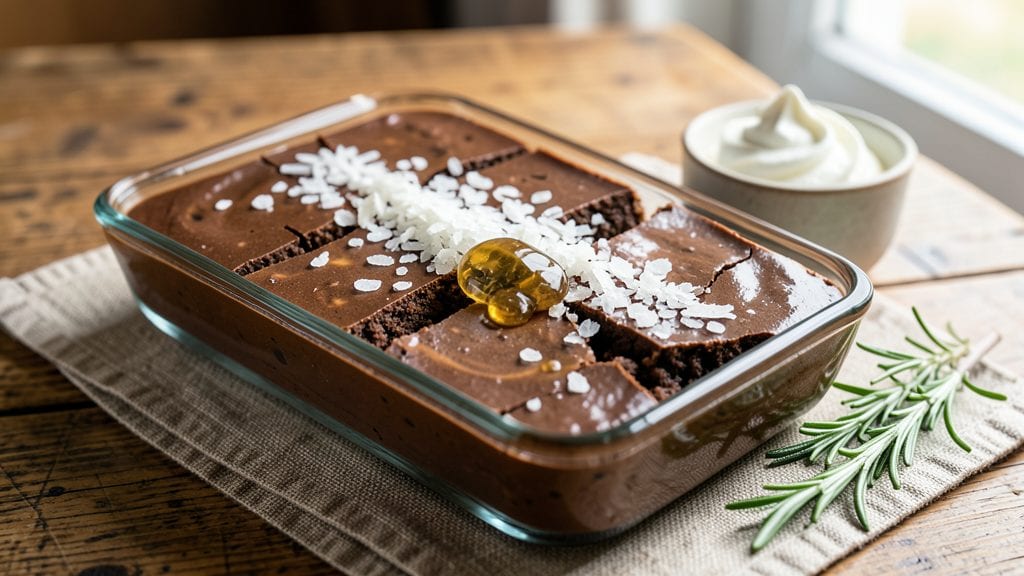
This Baker's unsweetened chocolate fudge recipe delivers a velvety, intensely rich dessert that satisfies even the most discerning chocolate lovers—without any added sugar. The secret lies in balancing high-quality unsweetened chocolate with just enough cream and butter to create a luxurious, melt-in-your-mouth texture that's both decadent and subtly complex.
I developed this recipe after years of experimenting with chocolate fudge, refining the technique to eliminate graininess and achieve that signature crackly top.
The process is simpler than you might think, requiring just a few key ingredients and precise temperature control. You'll start by melting the chocolate gently to preserve its deep, bitter notes, then combine it with warm cream and butter for a smooth, glossy finish.
A touch of vanilla enhances the chocolate's natural depth without overpowering it, while corn syrup (in careful proportion) prevents crystallization for a perfectly creamy result every time.
What you'll end up with is a slab of fudge so rich and intense that it feels like a luxury treat—cut into perfect squares, it releases that signature snap when broken, revealing a glossy interior that melts on the tongue.
The flavor is pure, unadulterated chocolate with just enough smoothness to make it irresistible. This is the kind of dessert that pairs beautifully with a bold espresso or a glass of red wine.
Perfect for gifting, holiday entertaining, or simply indulging in a moment of pure chocolate bliss. The recipe yields enough for a standard 8x8-inch pan, and it keeps beautifully in an airtight container at room temperature for up to two weeks. Let's get started on creating this velvety masterpiece.
Ingredients for baker's unsweetened chocolate fudge
Nine essential ingredients transform into velvety, crack-topped fudge without a hint of sweetness.
| Ingredient | Amount | Notes |
|---|---|---|
| Unsweetened Baker's Chocolate Bars 🍫 | 12 oz | High-quality, 100% cacao preferred |
| Heavy Whipping Cream 🥛 | 1 cup | Full-fat for optimal texture |
| Unsalted Butter 🧈 | ½ cup | Cold, cut into small cubes |
| Pure Vanilla Extract 🌿 | 1 tsp | Bourbon-infused for depth |
| Light Corn Syrup 🍯 | ¼ cup | Prevents sugar crystallization |
| Diamond Crystal Kosher Salt 🧂 | ¼ tsp | Fine grain for even distribution |
| Granulated Sugar 🍚 | ½ cup | Fine texture preferred |
| Dark Brown Sugar 🍚 | ½ cup | Packed firmly for accuracy |
| Pure Almond Extract 🌰 | ¼ tsp | Optional, for nutty depth |
The foundation begins with unsweetened Baker's chocolate—Ghirardelli or Valrhona deliver unparalleled depth, but any high-cacao (70%+) bar works. Avoid pre-shaved chocolate; break the bars yourself for optimal melting. The heavy cream must be cold when added to prevent premature graininess. For butter, European-style brands like Plugrá yield superior flavor, though standard unsalted butter suffices. Light corn syrup is critical here; Karo is the industry standard for its neutral profile and crystallization prevention. Store these staples in a cool, dark pantry—chocolate's freshness degrades rapidly when exposed to light or heat.
No vanilla extract? Pure vanilla bean paste works splendidly—simply reduce the amount by half. Almond extract is optional but recommended for its subtle nutty complexity; if unavailable, omit entirely. For sugar substitutes, maple syrup can replace corn syrup at a 1:1 ratio, though texture may slightly vary. Diamond Crystal kosher salt is preferred for its fine grain—Morton works but may require sifting. Pre-shaved chocolate is a non-starter; chop your own using a sharp chef's knife for even melting. This recipe assumes precise measurements—use a kitchen scale for the chocolate if your measuring cups are unreliable.
This fudge achieves its signature crackly top through controlled cooling. Line your 8x8-inch pan with parchment paper for easy removal, then chill at room temperature for 4 hours before refrigerating. Store in an airtight container at room temperature for up to 10 days, or freeze for 3 months to preserve its velvety texture. Portion into individual squares using a sharp knife dipped in hot water—this ensures clean cuts every time. The flavor intensifies overnight, making it ideal for gifting or holiday entertaining.
Why You'll Love This Recipe
- No-Mess Mixing: I’ll admit—this fudge only needs a saucepan and a whisk. No food processor, no double boilers, just melt, stir, and chill. The heavy cream and butter blend so smoothly with that rich Baker’s chocolate, it’s practically foolproof.
- Deep Chocolate Love: That unsweetened Baker’s chocolate? It’s the star here. The corn syrup keeps it from being too bitter, while the vanilla adds this warm, cozy depth. Honestly, it’s the kind of fudge that makes me forget about store-bought chocolate bars entirely.
- Party or Patience: Make a batch for a holiday potluck or keep it for yourself—it’s that versatile. Wrap it in foil for gifts, cut into squares for a quick dessert, or even crumble it over ice cream. (Yes, even on a Tuesday night.)
- Budget-Friendly Luxury: A single block of Baker’s chocolate and a can of corn syrup stretch far. I’ve made this for under $5 and still felt like I was serving something special. Plus, it keeps for weeks without going stale—leftover guilt-free.
Step-by-step instructions for Baker's unsweetened chocolate fudge
Mastering this recipe delivers a velvety, intensely chocolatey fudge with perfect snap and no added sweetness.
Melt Chocolate and Cream Together
In a heavy-bottomed saucepan, combine the 12 oz unsweetened baker's chocolate bars and 1 cup heavy whipping cream. Place over medium-low heat and stir gently using a silicone spatula until the chocolate melts completely and the mixture reaches 110°F. You'll notice the chocolate dissolves smoothly into the cream, creating a glossy, thick liquid.
Real talk: don't rush this step. If you see any unmelted chocolate, reduce heat slightly and continue stirring until fully incorporated. The temperature is critical—too high and you'll scorch the delicate chocolate flavors. Once fully melted, remove from heat and set aside for now.
Prepare Sugar and Butter Mixture
In a separate saucepan, combine 0.5 cup unsalted butter (cut into small cubes), 0.5 cup granulated sugar, 0.5 cup dark brown sugar (packed firmly), 0.25 cup light corn syrup, 0.25 tsp diamond crystal kosher salt, 1 tsp pure vanilla extract, and 0.25 tsp pure almond extract. Place over medium heat and bring to a boil.
Stir continuously for 5-7 minutes until the mixture reaches 238°F and forms soft ball stage. You'll see the sugar dissolve completely and the mixture thicken noticeably. This is where the magic happens—the sugar transforms into a smooth, caramelized base that will give your fudge its signature texture.
Combine Mixtures and Cook to Perfection
Slowly pour the melted chocolate mixture into the sugar mixture while stirring constantly. Return to medium heat and cook for an additional 2-3 minutes, stirring frequently, until the temperature reaches 240°F and the mixture becomes thick and glossy. You'll notice it coats the back of a spoon smoothly—this is your signal it's ready.
Here's where precision matters: use an instant-read thermometer for accuracy. The slight increase in temperature ensures proper texture without burning. Remove from heat immediately once reaching 240°F—overcooking will make the fudge grainy.
Pour and Set the Fudge
Quickly transfer the fudge mixture to a 9x9-inch metal baking pan lined with parchment paper. Use a spatula to spread it evenly into a ½-inch thick layer. Let it cool at room temperature for 1 hour before refrigerating for 2-3 hours until completely firm.
This cooling process is crucial for achieving that perfect snap when cutting. I like to tap the pan gently on the countertop every 15 minutes during the room-temperature cooling to prevent air bubbles. Once fully set, it should hold its shape when cut with a sharp knife—no crumbling or sticking.
Cut and Serve
Using a sharp chef's knife, cut the fudge into 1-inch squares or your preferred serving size. For clean cuts, dip the knife in hot water between each slice. Store in an airtight container at room temperature for up to 2 weeks, or refrigerate for longer shelf life.
The final result should be a deep, dark chocolate fudge with a velvety texture and satisfying snap. Each piece should be rich, slightly firm, and melt beautifully in your mouth without being overly sweet. The almond extract adds subtle depth, while the corn syrup prevents crystallization for that perfect glass-like finish.
Pro Tips For Making Baker'S Unsweetened Chocolate Fudge
- Chop the Chocolate: Use a sharp knife—not a blender—to chop the Baker’s bars into ¼-inch pieces. I learned this the hard way: blending heats the chocolate and turns it grainy, while chopping keeps it smooth and melts evenly in the cream.
- Temper the Cream: Heat the heavy whipping cream to just under a simmer (180°F) before adding the chocolate. Too hot, and the chocolate seizes; too cool, and the fudge won’t set properly. A thermometer takes the guesswork out—trust me, your future self will notice the difference.
- Skip the Boil: Don’t let the mixture boil after the chocolate melts—just simmer gently until fully combined. Boiling burns the corn syrup and turns the fudge bitter. A few extra minutes of low heat keeps it rich and velvety.
- Whip the Butter Last: Add the softened butter after the chocolate-coffee mixture cools slightly (around 110°F). Cold butter creates lumps; warm butter blends in silky. Stir in the vanilla right after—it dissolves best when the mix is still warm but not hot.
Wine and beer pairings for this baker's unsweetened chocolate fudge
Bold Red Wine
Unsweetened chocolate fudge's deep, bitter notes pair beautifully with bold red wines that have enough tannins to stand up to its intensity. I recommend a Cabernet Sauvignon from Napa Valley—its dark fruit flavors and firm structure complement the fudge's richness without overpowering it.
Try Louis M. Martini Cabernet Sauvignon for an accessible option that highlights the chocolate's complexity. 🍷
Port Wine
For a dessert wine pairing, Ruby Port is my go-to choice. Its sweetness balances the fudge's bitterness while its dark fruit notes enhance the chocolate flavor.
Serve it slightly chilled to let the wine's smooth texture mirror the fudge's velvety mouthfeel. A Graham's 10-Year-Old Ruby Port works perfectly for this pairing.
Dark Beer Options
If you prefer beer, a stout or dark ale provides the perfect contrast. Guinness is a classic choice—the roasted malt flavors and creamy texture create a satisfying pairing.
For a more modern option, try a Belgian-style dubbel like Westmalle Dubbel, which offers a balanced sweetness and caramel notes that complement the fudge's depth. 🍺
Espresso Pairing
While not a wine or beer, a strong espresso elevates the fudge experience. The bitter notes of the coffee enhance the chocolate's intensity, creating a perfect harmony.
I like to serve the fudge with a short, double shot of espresso right after the first bite to cleanse the palate and deepen the chocolate experience.
Avoid Sweet Wines
Skip sweet dessert wines like Moscato or Sauternes—their sugary profiles clash with the fudge's unsweetened intensity. Even Champagne can be too bubbly and sweet for this pairing. Instead, focus on wines with dry, tannic profiles or balanced sweetness like Port to let the chocolate shine.
Nutrition facts
Frequently asked questions
Why does this recipe use unsweetened chocolate instead of semi-sweet?
Unsweetened chocolate delivers a deeper, more complex flavor profile with intense cocoa notes. Semi-sweet chocolate contains added sugar, which would overpower the subtle sweetness from the corn syrup and brown sugar in this recipe. The result is a fudge with rich, velvety texture and a sophisticated bitterness that pairs perfectly with bold pairings like espresso or red wine.
Can I substitute butter with coconut oil for a vegan version?
Yes, but expect slight texture changes. Replace the butter with ½ cup coconut oil (solid) and reduce the cream to ½ cup to maintain balance. The fudge will still set but may be slightly softer. For best results, use refined coconut oil to avoid coconut flavor. The final product won't be identical but will still be delicious and suitable for vegan diets.
How do I fix grainy fudge?
Graininess usually occurs from overcooking or improper cooling. If your fudge is already set, try melting it gently with 1 tablespoon cream over low heat, then cooling it quickly in an ice bath before setting again. For future attempts, ensure you remove the mixture from heat at exactly 240°F and don't over-stir after combining mixtures. Patience during cooling is key!
Can I make this fudge without corn syrup?
You can substitute corn syrup with maple syrup or honey at a 1:1 ratio, but texture may vary slightly. Maple syrup works best as it has similar viscosity. Avoid molasses—it's too strong and will alter the flavor. The syrup's role is to prevent sugar crystallization, so any liquid sweetener will work, though results may not be identical.
How do I store leftovers to maintain texture?
Store in an airtight container at room temperature for up to 2 weeks. For longer storage, wrap individual pieces in plastic wrap and freeze for 3 months. To serve, let frozen fudge sit at room temperature for 10-15 minutes before enjoying. Avoid refrigerating—it can make the fudge too firm and dry out the texture.