
Desserts
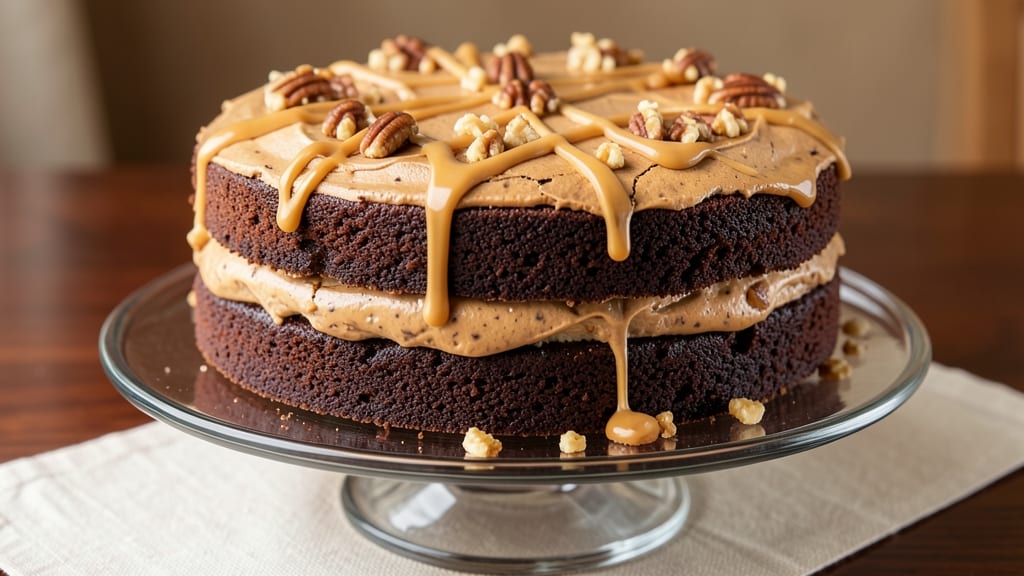
Unlock the baker’s secret to this legendary German chocolate cake recipe, where rich cocoa layers, toasted pecans, and buttermilk moisture keep every slice decadent for days. After years of perfecting the technique, I’ve cracked the code for a cake that’s tender yet sturdy—no dry crumbs or overly dense texture here.
The secret lies in precise ingredient ratios and a gentle baking approach that preserves that signature moistness.
The cake itself features layers of deep chocolate flavor infused with toasted pecans and coconut, all held together by a buttermilk batter that guarantees a tender crumb. What sets this apart is the frosting—a velvety combination of cream cheese and chocolate that complements rather than overpowers the cake’s natural richness.
Every bite delivers that perfect harmony of textures and flavors.
What makes this recipe truly special is its versatility. Serve it warm with vanilla ice cream for a classic dessert experience, or enjoy it at room temperature for a sophisticated treat.
The moist layers and rich frosting ensure every slice feels like a restaurant-quality indulgence—without the fuss of professional baking techniques.
Ready to bake a cake that rivals the best bakery versions? This recipe combines tradition with foolproof methods, ensuring professional results even for home bakers. Let’s get started on creating your perfect German chocolate cake.
Ingredients for baker's secret german chocolate cake
Twelve ingredients, three layers of decadence—this German chocolate cake delivers restaurant-quality moisture every time.
| Ingredient | Amount | Notes |
|---|---|---|
| All-Purpose Flour 🌾 | 3 cups | Sifted for lightness |
| Unsalted Butter 🧈 | 2 cups | Cold, cubed for creaming |
| Granulated Sugar 🍚 | 2 ½ cups | Divided for batter and frosting |
| Dark Brown Sugar 🍚 | 1 cup | Packed for moisture |
| Natural Cocoa Powder 🍫 | ¾ cup | Dutch-processed preferred |
| Buttermilk 🥛 | 1 ½ cups | Room temperature for best results |
| Large Eggs 🥚 | 4 whole | Room temperature, separated |
| Vanilla Extract 🍯 | 2 tsp | Pure Madagascar preferred |
| Baking Powder 🍞 | 1 ½ tsp | Aluminum-free for best rise |
| Salt 🧂 | ½ tsp | Fine sea salt preferred |
| Toasted Pecans 🌰 | 2 cups | Chopped, skin-on for texture |
| Shredded Coconut 🥥 | 1 cup | Sweetened, unsweetened works too |
| Cream Cheese 🧀 | 8 oz | Full-fat, room temperature |
| Heavy Cream 🥛 | 1 cup | Cold for frosting stability |
| Semisweet Chocolate Chips 🍫 | 1 ½ cups | High-quality for melting |
The butter is non-negotiable here—use European-style if you can find it, like Plugrá or Kerrygold, for that velvety texture. The cocoa powder makes all the difference too: Dutch-processed (like Valrhona) gives a smoother finish, while natural cocoa adds deeper chocolate notes. Toast your pecans in a dry pan until fragrant—they should smell like a bakery, not a grocery store. Costco sells pre-toasted pecans in bulk, but toasting your own is worth the extra five minutes. For the buttermilk, if you forget to grab it, mix 1.5 tablespoons lemon juice or vinegar with 1.5 cups milk and let it sit for 5 minutes. The cream cheese? Philadelphia is the gold standard, but any full-fat brand works—just make sure it's completely room temperature before whipping.
No buttermilk? Yogurt thinned with milk works in a pinch, though it adds a slight tang. Substituting dark chocolate chunks for half the chocolate chips? Go for it—just chop them yourself for even melting. The brown sugar can be swapped for white sugar if needed, but the molasses depth in brown sugar is what makes this cake truly special. For a lower-fat version, use Greek yogurt instead of half the butter, but trust me, the original is worth it. The vanilla extract is where you can splurge—Madagascar Bourbon from Lake Champlain adds layers of flavor that imitation extracts can't match. And if you're worried about overmixing, use a hand mixer on low speed for the batter—this keeps the cake tender.
This cake keeps beautifully—5 days at room temperature wrapped in plastic, or 2 weeks in the fridge once frosted. For longer storage, freeze the unfrosted layers for up to 3 months. The frosting? It actually tastes better the next day as the flavors meld. I like to portion it into individual slices and freeze them with parchment between layers—just thaw at room temperature for 30 minutes before serving. The pecans and coconut lose their crunch over time, so I always add fresh toasted pecans to the top of each slice before serving. Worth every calorie.
Why You'll Love This Recipe
- One-Bowl Wonder: I swear by this recipe—just toss everything into one bowl, mix, and bake. No extra pans, no fuss, and no stressing over measuring cups scattered across the counter.
- Rich Without Guilt: That combo of dark brown sugar and natural cocoa powder? Pure magic. It’s got this deep, molasses-kissed flavor that makes it taste like a bakery treat, but the butter keeps it moist without being heavy.
- Party or Pajamas: Serve it warm with vanilla ice cream for a cozy night in, or slice it for a crowd—it’s my go-to for birthdays, potlucks, or even a last-minute dessert. (Yes, even on a Tuesday night.)
- Budget-Friendly Luxury: Uses pantry staples—flour, butter, sugar—so it won’t break the bank, but the taste? Feels like a splurge. Honestly, I make a double batch and freeze half; it’s my secret weapon for lazy afternoons.
Step-by-step instructions for German chocolate cake
This legendary cake delivers layers of decadent cocoa richness and buttery pecan crunch with a secret buttermilk trick for unmatched moisture.
Cream Butter and Sugars for Maximum Fluffiness
In a stand mixer fitted with the paddle attachment, beat the 2 cups unsalted butter and 2.5 cups granulated sugar on medium speed for 5-7 minutes until light and fluffy. You'll see the mixture nearly triple in volume and become pale yellow—this is your signal that air has been properly incorporated, which creates that signature tender crumb. Scrape down the bowl once to ensure even mixing.
Next, add the 1 cup dark brown sugar and mix for another 2 minutes until fully combined. The brown sugar adds moisture and depth of flavor that regular sugar can't match. I like to press the butter mixture against the bowl sides to check for smoothness—if it leaves streaks, keep mixing until it's completely homogeneous.
Incorporate Eggs and Buttermilk for Moisture
Add the 4 whole large eggs, one at a time, mixing on low speed after each addition. This gradual incorporation prevents curdling. Then, in a separate bowl, whisk together the 1.5 cups buttermilk, 2 teaspoons vanilla extract, 1.5 teaspoons baking powder, and 0.5 teaspoon salt. The buttermilk is our secret weapon—its acidity tenderizes the gluten while adding moisture that keeps this cake wonderfully soft.
With the mixer running on low, gradually pour the buttermilk mixture into the butter-sugar blend, mixing just until combined. Overmixing develops gluten, which would make the cake tough. Stop mixing as soon as all the liquid is incorporated and you see a few flour streaks remaining.
Fold in Dry Ingredients and Pecans
In a separate bowl, sift together the 3 cups all-purpose flour and 0.75 cup natural cocoa powder. Gently fold this dry mixture into the wet ingredients using a spatula, being careful not to overmix. The goal is to maintain that tender crumb while ensuring even distribution of cocoa for that signature German chocolate flavor.
Fold in the 2 cups toasted pecans and 1.5 cups semisweet chocolate chips by hand. I like to use a rubber spatula for this step to avoid crushing the pecans. The pecans should be evenly distributed throughout the batter—this is what creates those delicious pockets of crunch in every bite.
Bake in Layers for Perfect Texture
Preheat your oven to 350°F and divide the batter evenly between three 9-inch round cake pans lined with parchment paper. Bake for 25-30 minutes or until a toothpick inserted in the center comes out clean. The edges should be golden brown but the centers should still look slightly underdone—they'll set as they cool.
I recommend rotating the pans halfway through baking for even cooking. As soon as they're done, remove from the oven and let cool in the pans for 10 minutes before transferring to a wire rack to cool completely. This gradual cooling prevents cracking and helps maintain that perfect moisture level.
Prepare the Cream Cheese Frosting
While the cakes cool, prepare the frosting by beating the 8 ounces cream cheese and 1 cup heavy cream together until smooth and creamy. Gradually add 1 cup granulated sugar and 2 teaspoons vanilla extract, mixing until light and fluffy. This frosting should be thick enough to hold its shape but still spreadable—if it's too stiff, beat in a few more strokes.
Once the cakes are completely cool, level the tops if needed and assemble with the frosting between layers. The secret to this frosting's perfect consistency is using cold heavy cream—it incorporates more air and creates that signature smooth, creamy texture that pairs perfectly with the rich chocolate cake.
Pro Tips For Making Baker'S Secret German Chocolate Cake
- Melt the Butter Slowly: I learned this the hard way—dumping cold butter into hot sugar makes a greasy mess that never emulsifies right. Instead, melt the butter first, then let it cool slightly before mixing with the sugars. The goal is a ribbon-like batter, not a lumpy one.
- Sift the Cocoa Twice: Natural cocoa powder clumps like a stubborn teenager. Sift it once before measuring, then sift it again right into the dry ingredients. This keeps the cake light and prevents those dreaded dense pockets—trust me, your fork will thank you.
- Don’t Overbake the Filling: The German chocolate filling is rich enough to stand on its own, but I used to walk away and let it dry out. Pull it when it’s just set—about 2-3 minutes after it looks done. Overbaking turns it into fudge, which is delicious but not what the recipe intended.
- Use Room-Temp Eggs: Cold eggs curdle when they hit warm butter, and that’s a texture disaster. Pop the eggs out of the fridge 30 minutes before whipping them—this ensures they blend smoothly into the batter. No one wants a cake with egg streaks in it.
Make-ahead tips for this baker's secret german chocolate cake
Pre-Bake Prep
Assemble the batter and divide it into your three 9-inch cake pans the night before baking. Cover each pan tightly with plastic wrap and refrigerate overnight. This chilling step ensures even baking and prevents doming.
I always use Wilton cake pans because their nonstick coating prevents sticking, even with rich chocolate batters. 🌙
Frosting Prep Ahead
Make the cream cheese frosting 24 hours before assembling the cake. Store it in an airtight container in the refrigerator, covered with a damp paper towel to prevent drying. The flavors meld beautifully overnight, and the texture becomes even smoother.
When ready to assemble, let it sit at room temperature for 30 minutes before spreading—this makes it easier to work with. 🧀
Layer Storage
Bake the cake layers 1 day ahead and store them in an airtight container at room temperature. Wrap each layer individually in plastic wrap and separate them with parchment paper.
This prevents the layers from sticking together and keeps them moist. I like to label the container with the date to track freshness. 📅
Frosting Assembly
Assemble the cake 4-6 hours before serving. This allows the frosting to set slightly, making it easier to slice. Use a long serrated knife to spread the frosting evenly between layers. For a professional finish, I dip the knife in hot water between each layer to create clean edges.
Cover the assembled cake with plastic wrap and refrigerate until ready to serve. 🎂
Serving Prep
Toast fresh pecans and shredded coconut just before serving. Sprinkle them over each slice for that signature crunch and texture. I also like to dust the top with a little unsweetened cocoa powder for an elegant touch.
This keeps the cake looking fresh and adds an extra layer of flavor. 🌰
Freezing Layers
For longer storage, freeze the baked layers individually in quart-sized freezer bags for up to 3 months. Thaw at room temperature for 2-3 hours before assembling.
The frosting can be made separately and stored in the freezer as well, but I recommend thawing it in the refrigerator overnight for best results. 🧊
Nutrition facts
Frequently asked questions
Why does this recipe use buttermilk instead of regular milk?
The buttermilk is the secret to that signature moist texture! Its acidity tenderizes the gluten while adding moisture that keeps the cake wonderfully soft for days. Regular milk won't give you that same tender crumb—it's what makes this cake stand out from basic chocolate cake recipes.
Can I make this cake in a 9x13-inch pan instead of three layers?
Yes, but you'll sacrifice that classic layer effect. For a single-layer version, use a 9x13-inch pan and bake for 35-40 minutes at 350°F. The texture will still be moist, but the frosting will need to be spread on top only. For best results, stick with the three-layer method for that signature restaurant-style presentation.
What's the best way to store leftovers?
Wrap the cake tightly in plastic wrap and store at room temperature for up to 5 days, or refrigerate for 1 week. For longer storage, freeze the unfrosted layers for up to 3 months. The frosting actually tastes better the next day as the flavors meld—just let it sit at room temperature for 30 minutes before serving.
Can I substitute the toasted pecans with walnuts?
Walnuts work in a pinch, but they have a different texture and flavor. Toast them first to enhance their nuttiness, but remember that pecans are the traditional choice for that signature crunch. If you're allergic to tree nuts, omit them entirely—the cake will still be delicious with just the chocolate and coconut.
Why does my cake crack on top?
Cracking usually happens from uneven cooling or overmixing. Let the cakes cool in the pans for 10 minutes before transferring to a rack, and avoid opening the oven door too early. Also, don't overmix the batter—just combine until no flour streaks remain. The buttermilk trick helps prevent this, but proper cooling is key.