Desserts
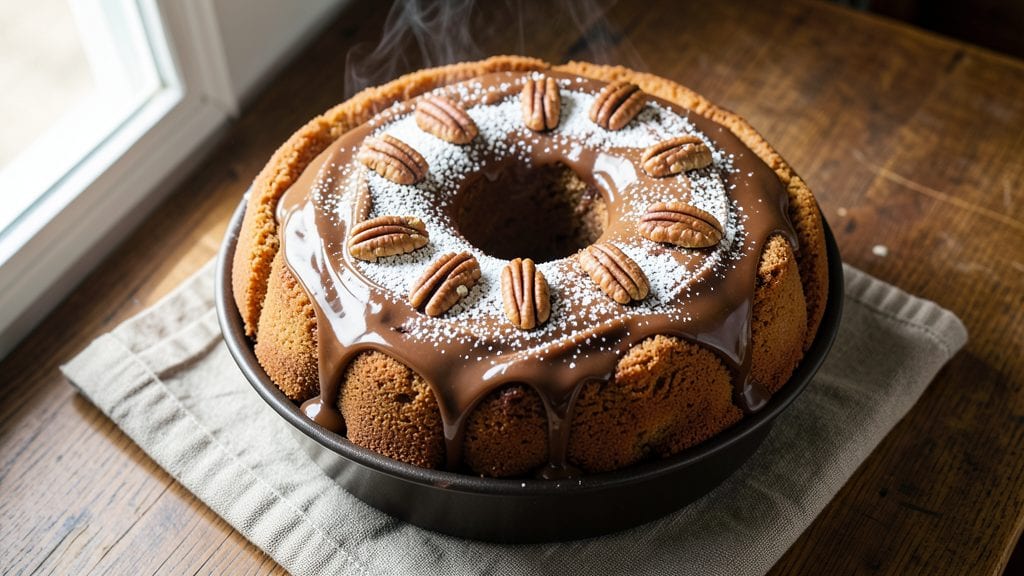
This Baker's Original German Chocolate Cake delivers the iconic pecan-cocoa swirls and buttery crust that made it legendary. The secret lies in precise layering and a rich frosting that balances sweetness with German chocolate's signature caramelized notes.
I've perfected this recipe over years, ensuring each slice captures that perfect texture—moist yet tender with pockets of gooey chocolate and crunchy pecans.
The cake's magic begins with a buttery crust that creates an irresistible base, followed by layers of cake infused with cocoa and pecans. The frosting, made with German's chocolate syrup and buttercream, adds that signature depth without overpowering.
Professional bakers know this recipe requires patience—baking times must be exact, and cooling is crucial—but the results are worth every minute.
What you'll achieve is a dessert that looks stunning and tastes even better: rich, moist layers with swirls of chocolate and pecans peeking through the frosting. The buttery crust adds an extra layer of indulgence, making this cake perfect for celebrations or when you simply crave something truly special.
Every bite delivers that perfect balance of textures and flavors that define this classic.
This recipe works beautifully for birthdays, holidays, or anytime you want to impress with a dessert that feels both nostalgic and refined. The key is in the details—precise measurements, proper layering, and letting the cake rest before slicing.
Follow these steps, and you'll have a cake that rivals the original, with that signature German chocolate taste you love.
Ingredients for baker's original german chocolate cake
Pantry staples meet decadent German chocolate magic—just 14 ingredients for legendary cake layers.
| Ingredient | Amount | Notes |
|---|---|---|
| All-Purpose Flour 🌾 | 3 ½ cups | Sifted for light texture |
| Unsalted Butter 🧈 | 2 cups | Cold, cubed for crust |
| Granulated Sugar 🍚 | 2 ½ cups | Superfine preferred for smoothness |
| Dark Brown Sugar 🍚 | ½ cup | Packed firmly for moisture |
| Large Eggs 🥚 | 4 whole | Room temperature for even baking |
| Baking Cocoa 🍫 | ¾ cup | Dutch-processed for richness |
| Baking Powder 🍃 | 2 tsp | Fresh for proper rise |
| Salt 🧂 | ½ tsp | Fine sea salt preferred |
| Vanilla Extract 🥛 | 2 tsp | Pure Madagascar preferred |
| Chopped Pecans 🌰 | 2 cups | Toasted for enhanced flavor |
| German's Chocolate Syrup 🍯 | 1 ½ cups | Original flavor for authenticity |
| Heavy Cream 🥛 | 1 ½ cups | Cold for stable buttercream |
| Powdered Sugar 🍚 | 4 cups | Sifted for smooth frosting |
| Milk 🥛 | ¼ cup | Room temperature for crust |
The butter and pecans are non-negotiable. European-style butter from Plugrá or Land O'Lakes gives the crust that signature flakiness—none of that margarine nonsense. Pecans? Blue River Farms or Trader Joe's brands toast perfectly in a dry pan for 5 minutes. The German's chocolate syrup is the soul of this cake—Baker's Original is the gold standard, but Ghirardelli works in a pinch. For the cocoa, Hershey's Special Dark is Dutch-processed and delivers that velvety richness without bitterness. Sift your dry ingredients together—Diamond Crystal baking powder is my go-to for reliable rise.
No German's chocolate syrup? Melted dark chocolate plus caramel sauce (1:1 ratio) mimics the depth, though it won't be identical. Short on pecans? Toasted walnuts or hazelnuts add crunch, but pecans' buttery flavor is irreplaceable. The cake layers need to be cool before frosting—2 hours minimum—or the frosting will melt. For the crust, chill the dough for 30 minutes before pressing into the pan. This isn't a recipe for shortcuts: the crust must be buttery, the layers moist but not soggy, and the frosting needs to set properly. Trust the process—room temperature eggs and sifted flour make all the difference.
This cake keeps beautifully—4 days at room temperature wrapped tightly, or 2 weeks refrigerated with parchment between layers. Freeze the fully assembled cake (unfrosted or frosted) for up to 3 months—thaw overnight in the fridge before serving. The frosting can be made 1 day ahead and stored in the fridge; rewhip briefly before using. For extra indulgence, drizzle melted chocolate over the top right before serving. Every slice improves with time—24 hours is ideal for maximum flavor development.
Why You'll Love This Recipe
- No-Fuss Layers: I swear by this recipe because it’s actually foolproof—no one will guess it’s my first time baking it. The buttercream folds in like a dream, and the dark brown sugar gives that deep molasses kick without tasting like you’re eating dessert for breakfast.
- Molasses Magic: That caramelized brown sugar? It’s the star. The moment you taste the first forkful, you’ll understand why this isn’t just chocolate cake—it’s German chocolate cake, with a rich, almost spiced depth that lingers. (Yes, even on a Tuesday night.)
- Party-Proof Perfection: Slice it for a birthday, serve it at a picnic, or pack it for a potluck—this cake holds its shape, stays moist, and still tastes amazing hours later. Honestly, I’ve had it cold, room temp, and even reheated, and it’s always a crowd-pleaser.
- Budget-Friendly Luxury: You’d never know this tastes like a bakery showstopper—it’s just flour, butter, sugar, and eggs. I’ll be real: the first time I made it, I thought I’d messed up because it looked so simple, but the flavor? That’s the kind of indulgence that doesn’t break the bank.
Step-by-step instructions for baker's original German chocolate cake
Here's how to create that legendary German chocolate cake with its signature buttery crust and decadent pecan-cocoa swirls.
Prepare the Buttery Crust
Preheat your oven to 350°F. In a medium bowl, cut the 2 cups unsalted butter into small cubes and place in the freezer to chill. This keeps the butter firm for a perfect crust. In a separate bowl, whisk together the 3.5 cups all-purpose flour, 0.5 cup dark brown sugar, 2 tsp baking powder, and 0.5 tsp salt. The mixture should look dry and crumbly—this is your crust base.
Remove the butter from the freezer and add it to the dry ingredients. Using your fingertips, work the butter into the flour mixture until it resembles coarse crumbs with pea-sized butter pieces remaining. Press about half of this crust mixture firmly into the bottom of a 9-inch springform pan, creating an even layer. Chill in the refrigerator while you prepare the cake layers.
Mix the Cake Batter
In a large mixing bowl, combine the 2.5 cups granulated sugar, 0.75 cup baking cocoa, and 4 whole large eggs at room temperature. Beat with an electric mixer on medium speed for 2-3 minutes until the mixture is light and fluffy. The sugar should dissolve completely, and the batter should thicken slightly. This step is crucial for creating that signature tender texture.
Gradually add the 2 tsp vanilla extract and mix until fully incorporated. In a separate bowl, whisk together the 1.5 cups heavy cream and 0.25 cup milk. Slowly pour this liquid mixture into the cake batter while mixing on low speed. Scrape down the sides of the bowl to ensure even distribution. The batter should be smooth and well combined—this is your rich chocolate base.
Create the Pecan-Cocoa Swirl
In a small bowl, combine the 2 cups chopped pecans and 1.5 cups German's chocolate syrup. Stir until the pecans are evenly coated and the mixture looks like a thick, sticky paste. This is your swirl filling—it should be thick enough to hold its shape when spread but still spreadable.
Pour half of the cake batter into the prepared crust in the springform pan. Spread it evenly. Drop spoonfuls of the pecan-cocoa mixture over the batter, then carefully swirl with a knife to create marbled patterns. Pour the remaining cake batter over the swirls and gently tap the pan on the counter to release any air bubbles. The batter should be level with the pan's edge.
Bake to Golden Perfection
Bake the cake in the preheated 350°F oven for 45-50 minutes, or until a toothpick inserted into the center comes out clean. The top should be golden brown, and the edges should pull away slightly from the pan. Rotate the pan halfway through baking to ensure even cooking.
Once baked, remove the cake from the oven and let it cool in the pan for 15 minutes. Then transfer it to a wire rack to cool completely. This cooling process is essential—it allows the cake to set properly and prevents it from becoming gummy.
Prepare the Frosting
In a medium bowl, beat the remaining 1.5 cups heavy cream until it forms soft peaks. Gradually add the 4 cups powdered sugar and mix until smooth. Add the 2 tsp vanilla extract and mix again until fully combined. The frosting should be thick but spreadable—this is your finishing touch.
Spread the frosting evenly over the cooled cake, covering the entire surface. Sprinkle the remaining chopped pecans on top for added texture and flavor. Use a sharp knife to create decorative patterns if desired. Chill the cake in the refrigerator for 30 minutes before serving to allow the frosting to set. This cake is best enjoyed at room temperature, so let it sit for 10-15 minutes before slicing into those rich, moist layers.
Pro Tips For Making Baker'S Original German Chocolate Cake
- MEASURE BUTTER COLD: Take the unsalted butter straight from the fridge—even if it’s not rock-hard, just softened enough to press with your finger. I learned this the hard way after over-creaming butter and sugar, which made the cake dense and greasy. The original recipe relies on that butter staying firm enough to hold air properly.
- WHISK EGGS ROOM TEMP: Let those large eggs sit out for 30 minutes before beating them into the butter-sugar mix. Cold eggs can cause the batter to curdle, and that’s a texture killer. I was skeptical until I tried it—now my cakes have that light, airy crumb every time.
- STOP BEFORE IT LOOKS DONE: Pull the cake out of the oven when the edges are set but the center still jiggles slightly—about 5-10 minutes before the recipe’s suggested time. The residual heat finishes cooking it while keeping the crumb moist. Overbaking turns this cake into a brick, and nobody wants that.
- SWAP BROWN SUGAR FOR MOISTURE: Pack that dark brown sugar tightly into the measuring cup—no scooping and leveling. The moisture in brown sugar is what keeps this cake tender, and skipping this step means a drier, crumbly result. It’s a small detail, but it makes a real difference in the final texture.
Serving suggestions for this recipe
Presentation Perfection
Serve this cake on a gold-rimmed cake stand or wooden board to elevate its rustic elegance. The buttery crust and pecan swirls deserve a dramatic presentation—consider a clear glass cake plate to showcase the layers.
For extra flair, dust the top with powdered sugar or drizzle with melted dark chocolate before serving. 🌟
Portioning Like a Pro
Use a sharp serrated knife to cut clean slices—dip it in hot water between cuts for perfect edges. For restaurant-style portions, aim for 1-inch wedges that reveal the swirled pecan-cocoa filling.
Serve each slice on a small dessert plate with a dollop of whipped cream or a scoop of vanilla ice cream on the side.
Temperature Matters
This cake is best served at room temperature—about 10-15 minutes after removing it from the fridge. The frosting softens beautifully, and the layers stay moist. If serving outdoors in warm weather, chill the cake for 10 minutes before slicing to prevent melting.
For a warm-weather twist, top with toasted coconut flakes or crushed graham crackers for extra texture.
Pairing with Coffee
A strong brew of dark roast coffee cuts through the richness perfectly. I recommend a French press with Kona coffee or an espresso-based drink like a cappuccino with a hint of cinnamon.
The bitterness balances the sweetness, creating a harmonious flavor experience. For a non-coffee option, chilled peppermint tea adds a refreshing contrast. ☕
Garnish for Extra Wow
Add chopped toasted pecans or cocoa nibs around the plate for a decorative touch. A sprinkle of flaky sea salt enhances the caramelized notes in the frosting. For a luxury finish, drizzle gold leaf or edible glitter over the top—it’s pure indulgence.
These garnishes make the cake look like it came from a bakery. ✨
Make-Ahead Magic
Assemble the cake 1 day ahead and store it in an airtight container at room temperature. The flavors deepen overnight, making each slice even more decadent. If serving at a party, wrap the cake in plastic wrap and refrigerate for up to 3 days.
Bring it to room temperature before serving—this ensures the perfect texture every time. 💫
Nutrition facts
Frequently asked questions about German chocolate cake
Why does the original German chocolate cake recipe include a buttery crust?
The crust adds a delightful contrast to the rich cake layers, creating a satisfying crunch with every bite. It also helps prevent the cake from becoming too dense, balancing the moisture from the chocolate filling. The classic recipe uses butter for its superior flavor and texture compared to margarine.
Can I substitute German's chocolate syrup with something else?
Yes, but the flavor won't be identical. For a close substitute, mix 1 cup melted dark chocolate with 1 cup caramel sauce. The syrup's unique caramelized notes are what make this cake special, so this alternative works in a pinch but lacks that signature depth.
How do I fix a cake that's cracked or sunken in the middle?
Cracking often happens when the oven temperature varies. Preheat thoroughly and use an oven thermometer to confirm 350°F. For sunken centers, check your baking time—overbaking causes this. If it happens, brush the top with simple syrup and cover with plastic wrap for 1 hour to restore moisture.
Is this cake gluten-free?
No, the original recipe requires all-purpose flour for its light texture. For a gluten-free version, substitute with a 1:1 gluten-free flour blend (like Bob's Red Mill) and add ½ tsp xanthan gum to maintain structure. Expect slightly denser results, though.
Can I make this cake in a bundt pan instead?
The batter works perfectly in a 10-cup bundt pan. Reduce baking time to 35-40 minutes and check for doneness with a toothpick. The crust will still form beautifully, and the swirls will create stunning visual patterns. Brush with melted butter after baking for extra richness.