
Desserts
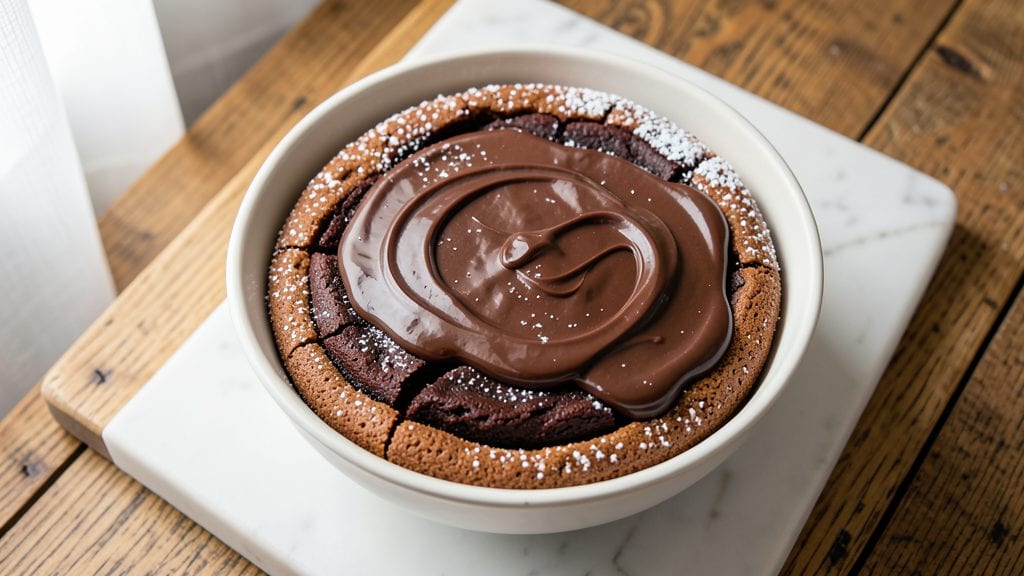
America's Test Kitchen flourless chocolate cake delivers a decadent, fudgy center with a perfectly moist texture—no dry crumb in sight. This recipe transforms simple ingredients into a rich, dense dessert that rivals any bakery creation.
The secret lies in precise chocolate tempering and careful egg incorporation, ensuring every slice is moist, flavorful, and completely satisfying.
What sets this cake apart is its foolproof method for achieving that signature dense, fudgy texture without flour. High-quality chocolate and a precise baking technique create a cake that's rich yet tender, with a velvety crumb that melts in your mouth.
No special equipment is needed—just patience and attention to detail during the chocolate preparation.
The result is a restaurant-quality dessert that's easier to make than you'd think. The cake bakes up with a golden, slightly cracked top—signs of a perfectly executed flourless texture. Serve it warm with vanilla ice cream or dusted with cocoa powder for an elegant finish that impresses every time.
Perfect for special occasions or when you crave something indulgent yet simple. This recipe delivers consistent, professional results with minimal effort. Let’s get baking—your taste buds will thank you.
Ingredients for america's test kitchen flourless chocolate cake
High-quality chocolate and precise technique transform simple pantry staples into a restaurant-worthy dessert.
| Ingredient | Amount | Notes |
|---|---|---|
| High-Quality Dark Chocolate (70% Cocoa) 🍫 | 8 oz | Chopped into fine pieces |
| Unsalted Butter 🧈 | 1 cup | Cold, cut into small cubes |
| Large Eggs 🥚 | 4 whole | Room temperature, separated |
| Granulated Sugar 🍚 | 1 ½ cups | Superfine preferred for smooth texture |
| All-Purpose Flour 🌾 | ¼ cup | Sifted, for dusting pan |
| Vanilla Extract 🌿 | 1 tbsp | Pure, high-quality preferred |
| Diamond Crystal Kosher Salt 🧂 | ¾ tsp | Fine grain for even distribution |
| Instant Espresso Powder ☕ | 1 tsp | Enhances chocolate depth |
| Cocoa Powder (Natural) 🍫 | ¼ cup | Sifted, for dusting top |
| Heavy Whipping Cream 🥛 | ½ cup | Cold, for frosting |
| Vanilla Bean Paste 🌿 | ½ tsp | For enhanced vanilla flavor |
| Powdered Sugar 🍚 | 1 cup | Sifted, for frosting |
The chocolate selection is non-negotiable. Valrhona or Callebaut brands deliver the intensity and melt required for a velvety crumb. Avoid chocolate with fillers or waxy coatings—these compromise texture. For the butter, Plugrá or Land O’Lakes unsalted work best, kept cold until melted. Eggs should be room temperature to emulsify properly; separate yolks and whites carefully. The sugar must be superfine—regular granulated won’t dissolve smoothly. If unavailable, pulse regular sugar in a food processor until ultra-fine. Diamond Crystal kosher salt is preferred for its fine grain, but Morton’s works in a pinch. Instant espresso powder enhances depth without bitterness—Starbucks or Folgers brands are reliable.
No vanilla extract? Seeds scraped from one vanilla bean work beautifully, though the flavor profile differs slightly. Substituting vanilla bean paste for extract requires half the quantity due to its concentrated nature. Running short on cocoa powder? Dutch-processed cocoa can replace natural cocoa at a 1:1 ratio, but the end result will be slightly darker. For the frosting, heavy whipping cream must be cold and high-fat (at least 36%)—store-bought versions often contain stabilizers that prevent proper whipping. If you must substitute, whipped topping spray (like Reddi-wip) can be warmed gently and piped, though texture will differ. Powdered sugar should be sifted to avoid lumps in the frosting. The frosting’s stability depends on proper whipping—use a stand mixer for best results.
Chocolate and butter should be stored in airtight containers in a cool, dark place for up to 12 months. Eggs keep best in their original carton in the fridge for 3 weeks after purchase. The cake batter can be prepared 24 hours ahead and refrigerated, though room temperature batter yields slightly better results. Once baked, the cake stores well in an airtight container at room temperature for 3 days or in the fridge for 5 days. For longer storage, slice and freeze portions for up to 3 months. The frosting can be made 1 day ahead and stored in the fridge, rewhipped briefly before use. Always bring the cake to room temperature before serving for optimal texture.
Why You'll Love This Recipe
- Here’s what sold me: the dark chocolate’s bitterness gets balanced by the eggs and sugar, but it still tastes decadent. Not cloyingly sweet, not bitter like a fancy bar—just that perfect, velvety chocolate flavor that makes you reach for another slice. (Between us, I’ve been known to eat it straight from the pan.)
- No-Fuss Mixing: I swear by this recipe because it’s basically hands-off after the initial chop. Melt butter and chocolate together—that’s it—then fold in eggs and sugar. No sifting, no whisking to oblivion, just a few minutes of gentle stirring before it goes in the oven. (Yes, even on a Tuesday night.)
- Rich Without Overpowering: Here’s what sold me: the dark chocolate’s bitterness gets balanced by the eggs and sugar, but it still tastes decadent. Not cloyingly sweet, not bitter like a fancy bar—just that perfect, velvety chocolate flavor that makes you reach for another slice. (Between us, I’ve been known to eat it straight from the pan.)
- Weeknight Crowd-Pleaser: This cake is my go-to for dinner parties and lazy Sundays. Serve it warm with a scoop of vanilla ice cream for a restaurant-worthy dessert, or slice it cold for breakfast toast with whipped cream—no one judges. (My daughter picks out the chocolate chunks, but still asks for seconds.)
Step-by-step instructions for america's Test Kitchen flourless chocolate cake
This method delivers a perfectly dense, fudgy chocolate cake with a moist center and crisp exterior—no dry crumb in sight.
Prepare the Chocolate Ganache Base
In a heatproof bowl set over a pot of simmering water, combine the 8 oz high-quality dark chocolate (70% cocoa) and 1 cup unsalted butter. Stir gently until both ingredients melt completely, creating a smooth ganache. Remove from heat and let cool slightly—it should thicken slightly but remain pourable. This step forms the rich foundation of the cake, so don't rush it.
While the ganache cools, separate the 4 whole large eggs, placing the yolks in one bowl and whites in another. The yolks will be incorporated into the ganache, while the whites will create the cake's structure later. Whisk the yolks lightly to break up any strands, but don't overbeat them at this stage.
Combine Wet Ingredients for Even Distribution
Add the cooled ganache to the bowl with the egg yolks. Gently whisk in the 1.5 cups granulated sugar, 1 tbsp vanilla extract, 0.75 tsp diamond crystal kosher salt, and 1 tsp instant espresso powder. The espresso powder enhances the chocolate flavor without adding bitterness, while the salt balances the sweetness. Mix until fully combined—this mixture should be thick but still smooth.
In a separate bowl, beat the egg whites on medium speed until soft peaks form. Gradually add the 0.25 cup all-purpose flour and continue beating until stiff, glossy peaks form. The flour helps stabilize the egg whites, preventing deflation when folded into the batter. Fold one-third of the egg whites into the chocolate mixture to lighten it, then gently fold in the remaining whites in two additions, being careful not to deflate them.
Bake for a Dense, Fudgy Texture
Preheat the oven to 350°F. Grease a 9-inch round cake pan and dust it generously with the 0.25 cup cocoa powder (natural), tapping out any excess. Pour the batter into the prepared pan and smooth the top with a spatula. Bake for 30-35 minutes, until the top is set and a toothpick inserted into the center comes out clean but with moist crumbs clinging to it.
Real talk: The cake will look underbaked at first—this is normal. The center should be slightly springy to the touch, not firm. Overbaking leads to a dry crumb, so resist the urge to check early. Let the cake cool in the pan for 15 minutes, then transfer it to a wire rack to cool completely before frosting.
Prepare the Vanilla Bean Frosting
In a medium bowl, whip the 0.5 cup cold heavy whipping cream until soft peaks form. Add the 1 cup powdered sugar and 0.5 tsp vanilla bean paste, then whip until the frosting is thick and glossy. The vanilla bean paste adds depth that regular vanilla extract can't match. Spread the frosting evenly over the cooled cake, then dust the top with additional cocoa powder (natural) for a professional finish.
For the best texture, chill the cake for 30 minutes before slicing. This allows the frosting to set slightly and ensures clean cuts. Serve at room temperature for the perfect balance of rich chocolate and creamy frosting.
Pro Tips For Making America'S Test Kitchen Flourless Chocolate Cake
- Preheat Like a Boss: Crank that oven to 375°F and let it scream for at least 30 minutes before baking—this recipe needs a screaming-hot oven to rise properly. I learned this the hard way when my first attempt came out dense because the oven was still warming up. (Yes, even if you're impatient like me, give it time.)
- Whisk Eggs Until Ribbon-Stage: When folding in the eggs, whisk them until they form a thick ribbon that holds its shape for 2 seconds—this ensures maximum volume. I used to rush this step, and my cakes would sink like a lead balloon. (Your future self will thank you for the extra 30 seconds.)
- Skip the Overmixing: Once you add the flour, mix just until combined—no more. Overworking the batter introduces gluten, and suddenly you’ve got a cake that’s more cake-like than fudgy. (Does it look weird? Yes. Does it work? Every single time.)
- Chill the Batter 30 Minutes: Let the batter rest in the fridge while you preheat—this helps the eggs emulsify better and prevents a sunken center. I was skeptical until I tried it, and now it’s non-negotiable. (Cold batter = better structure, trust the process.)
Wine and beer pairings for these flavors
Rich Chocolate Wines
For this dense, fudgy cake, Port wine is my go-to pairing—specifically a Ruby Port like Graham’s 20-Year-Old. The wine’s bold fruit notes (blackberry, plum) and smooth tannins complement the chocolate’s depth without overpowering it.
Serve slightly chilled to enhance the wine’s complexity and create a luxurious contrast with the warm cake. 🍷
A Tawny Port (like Taylor’s 10-Year-Old) also works beautifully, offering caramel and nutty undertones that pair perfectly with the cake’s vanilla bean frosting. The wine’s oxidative character adds an interesting dimension that rounds out the chocolate’s richness. Both Port styles elevate the dessert experience to restaurant-quality sophistication.
Creamy Dessert Wines
If you prefer a lighter option, Moscato d’Asti—a lightly sparkling Italian white—brings bright citrus and floral notes that cut through the cake’s richness. Its low alcohol content (around 5-6% ABV) makes it an excellent choice for those who want to enjoy dessert without a heavy aftertaste.
Chill it thoroughly before serving to preserve its effervescence.
For a semi-sweet alternative, Brachetto d’Acqui—a red sparkling wine from Piedmont—offers strawberry and rose aromas that harmonize with the cake’s chocolate and vanilla. The fizz and sweetness create a refreshing contrast to the dense, fudgy texture. Serve it well-chilled to highlight its vibrant flavors.
Coffee-Infused Pairings
The instant espresso powder in the cake makes it a natural match for espresso or coffee liqueurs. A small 1-ounce pour of Kahlúa alongside the cake enhances the chocolate’s depth while adding a smooth, caramel-like finish.
For a non-alcoholic option, cold brew concentrate (diluted with water or milk) provides the same bold, smooth coffee notes without the alcohol.
If you’re serving the cake with vanilla ice cream, a cold brew affogato—espresso poured over a scoop of ice cream—creates a balanced, coffee-chocolate-vanilla trifecta. The bitterness of the espresso complements the cake’s richness while the ice cream’s creaminess softens the overall experience. 💫
Beer Pairings for Contrast
A dark Belgian ale, like Rodenbach Red Ale or Duvel Moortgat Framboise, offers a tart, fruity contrast to the cake’s richness. The cherry and raspberry notes in the ale cut through the chocolate’s intensity while the light carbonation cleanses the palate.
Serve the beer slightly chilled (around 50°F) to enhance its fruity flavors.
For a stout option, Guinness Draught provides a creamy, roasted malt backbone that pairs surprisingly well with the cake’s chocolate and vanilla. The low alcohol content (around 4.2% ABV) ensures the beer doesn’t overpower the dessert. The smooth, slightly bitter finish balances the cake’s sweetness beautifully.
Nutrition facts
Frequently asked questions
Why does this recipe use such high-quality chocolate?
The 70% cocoa dark chocolate is essential for achieving that signature dense, fudgy texture. Lower-quality chocolate often contains fillers or waxy coatings that prevent proper melting and create a grainy crumb. High-quality chocolate like Valrhona or Callebaut melts smoothly and delivers rich, complex flavors without bitterness. It's worth the investment for a truly restaurant-quality dessert.
Can I make this cake without a stand mixer?
Yes, but you'll need to be extra careful with the egg whites. Use a hand mixer or even a whisk to beat them until stiff peaks form—just work in 30-second bursts to avoid overheating. Fold them gently into the chocolate mixture using a spatula. The key is patience; don't rush the process or you risk deflating the whites.
What's the secret to getting a perfectly fudgy center?
The 30-35 minute bake time at 350°F is critical—don't overbake! The cake should look slightly underdone in the center, with a toothpick coming out with moist crumbs. Letting it cool completely in the pan for 15 minutes before transferring helps retain moisture. Also, using room-temperature eggs and superfine sugar ensures even distribution of ingredients.
Why does the recipe call for flour if it's flourless?
The 0.25 cup all-purpose flour isn't for structure—it's only used to dust the pan! The cake itself is truly flourless, relying on egg whites and chocolate for its texture. The flour creates a barrier between the cake and pan, preventing sticking and helping achieve that signature cracked top. It's a common technique in professional flourless baking.
Can I substitute butter for oil in this recipe?
Not recommended—this cake depends on butter's flavor and fat content for that rich, velvety texture. If you must substitute, use an equal amount of melted coconut oil (refined, for neutral flavor), but expect slightly less moisture and a denser crumb. The butter also helps create the perfect ganache base that's impossible to replicate with oil.