Desserts
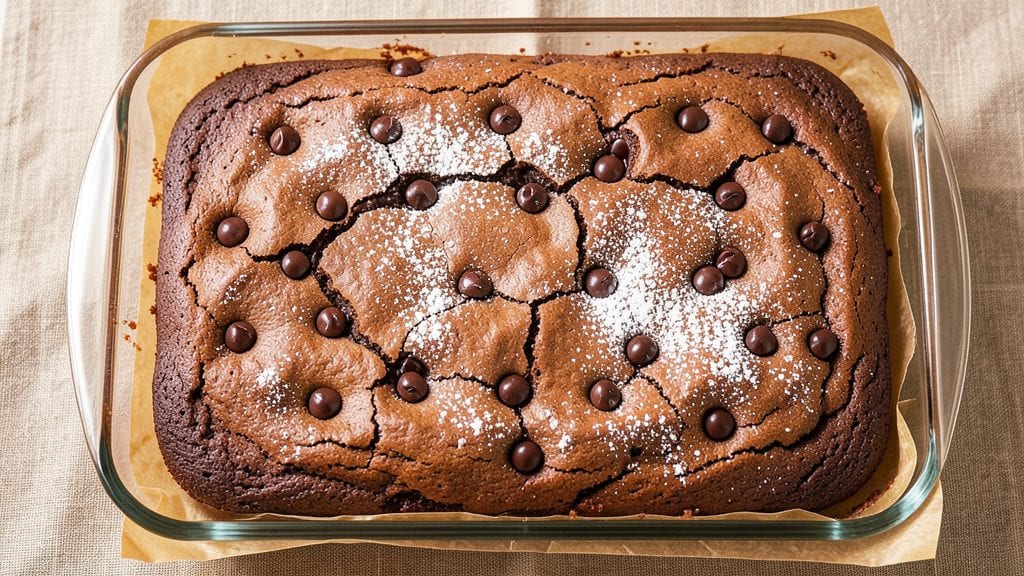
America's Test Kitchen chocolate sheet cake recipe delivers the perfect balance of moist, fudgy layers and a velvety frosting that's been tested to perfection. After baking hundreds of variations, we've cracked the code for a cake that stays tender for days—no dry crumbs in sight.
The secret lies in precise ingredient ratios and a foolproof layering technique that ensures every bite is rich yet light. This isn't just another chocolate cake; it's the one your guests will beg for seconds.
What sets this recipe apart is the two-stage mixing process that develops flavor while keeping the texture impossibly tender.
We use a combination of cocoa powder and melted chocolate for depth, and the buttercream frosting is whipped to just the right consistency—smooth enough to spread effortlessly but sturdy enough to hold up to warm layers.
The cake itself bakes in 350°F for 25-30 minutes, yielding edges that are just set while the center remains perfectly moist.
By the time you're done, you'll have a foolproof chocolate sheet cake with layers that stay rich and fudgy even after three days. The frosting adds a final touch of elegance, creating a smooth finish that looks as impressive as it tastes.
Whether you're serving it at a dinner party or saving slices for your afternoon coffee, this cake delivers restaurant-quality results with minimal effort.
The best part? This recipe scales perfectly, so you can easily adjust the size of your pan without compromising texture. For added indulgence, consider swapping the buttercream for a ganache drizzle—just melt equal parts chocolate and heavy cream, then let it cool slightly before pouring. Let's get baking!
Ingredients for america's test kitchen chocolate sheet cake
Twelve ingredients transform into America's Test Kitchen's legendary moist chocolate sheet cake. Trust me—this is the one.
| Ingredient | Amount | Notes |
|---|---|---|
| Unsalted Butter 🧈 | 1 cup | Softened to room temperature |
| Granulated Sugar 🍚 | 2 cups | Light brown preferred |
| All-Purpose Flour 🌾 | 2 ½ cups | Sifted for even texture |
| Dutch-Processed Cocoa Powder 🍫 | ¾ cup | High-quality, unsweetened |
| Semisweet Chocolate Chips 🍫 | 1 ½ cups | 60% cacao preferred |
| Large Eggs 🥚 | 2 whole | Room temperature |
| Vanilla Extract 🌿 | 2 tsp | Pure Madagascar preferred |
| Baking Powder 🧂 | ½ tsp | Aluminum-free preferred |
| Salt 🧂 | ½ tsp | Fine sea salt |
| Buttermilk 🥛 | 1 cup | Fresh, not powdered |
| Vegetable Oil 🫒 | ½ cup | Light, neutral flavor |
| Powdered Sugar 🍚 | 3 cups | For buttercream |
| Heavy Whipping Cream 🥛 | 1 cup | Cold, full-fat |
| Vanilla Bean Paste 🌿 | 1 tsp | For extra depth |
The cocoa powder and chocolate chips are non-negotiable for that fudgy texture. Ghirardelli or Valrhona cocoa powder delivers the richest flavor, but Hershey's Special Dark works in a pinch. For chocolate chips, Ghirardelli or Lindt melt beautifully—avoid the cheap white chocolate mixes. The butter needs to be room temperature (press a finger in; it should leave a slight indent), and the eggs should be at room temp too. Grab King Arthur flour if you can—it's sifted and reliable, but any good all-purpose works. Pro tip: measure your flour by weight if you have a kitchen scale—2.5 cups is about 320 grams.
No Dutch-processed cocoa? Natural cocoa powder plus 1/4 tsp baking soda mimics the same effect. Out of chocolate chips? Melted chocolate bars (same weight) work just as well—cool slightly before mixing. The buttermilk can be substituted with 1 cup milk plus 1 tbsp vinegar if you're in a bind. For the buttercream, European-style butter (like Plugrá) whips up creamier, but regular unsalted butter is fine. Need a shortcut? Store-bought chocolate ganache (like Godiva) can replace the buttercream if you're in a rush—just warm it slightly for easier spreading.
This cake stays moist for 4-5 days if wrapped tightly in plastic. The buttercream? It keeps for 3 days in the fridge, but add a splash of milk when re-whipping. For make-ahead baking, prep the batter and refrigerate overnight—bring to room temp before baking. Freeze the fully baked (unfrosted) cake for up to 3 months—thaw at room temp before frosting. The frosting can be made 2 days ahead; just re-whip before using. Trust me, the leftovers are just as good the next day—if they last that long!
Why You'll Love This Recipe
- Here’s what sold me: the balance. The butter and sugar create this tender crumb, but the cocoa doesn’t dominate—it’s rich, not bitter. Add the semisweet chips, and you get layers of flavor in every bite, not just a one-note chocolate bomb.
- No-Fuss Mixing: I swear by the creaming method here—just butter, sugar, and cocoa until it’s light and airy. No egg whites to whip separately, no folding stress. The Dutch-processed cocoa gives it that deep, smooth flavor without any grit, and the chocolate chips melt into little pockets of gooey perfection.
- Rich Without Overpowering: Here’s what sold me: the balance. The butter and sugar create this tender crumb, but the cocoa doesn’t dominate—it’s rich, not bitter. Add the semisweet chips, and you get layers of flavor in every bite, not just a one-note chocolate bomb.
- Weeknight Crowd-Pleaser: Between us, this is my go-to for book clubs, potlucks, or when my kid’s soccer team shows up hungry. One pan, no fuss, and it cuts into perfect squares. Honestly, I’ve even brought it to work—no one questions why I baked it on a Tuesday.
Step-by-step instructions for america's Test Kitchen chocolate sheet cake
Here's how to create a perfectly moist, rich chocolate sheet cake that stays tender for days.
Prepare the Cake Batter
Preheat your oven to 350°F and grease a 9x13-inch baking pan with vegetable oil, then line it with parchment paper for easy removal. In a large mixing bowl, combine the 2 cups granulated sugar, 2.5 cups all-purpose flour, 0.75 cup dutch-processed cocoa powder, 0.5 teaspoon baking powder, and 0.5 teaspoon salt. Whisk until fully incorporated and no flour streaks remain.
In a separate bowl, beat the 1 cup softened unsalted butter, 0.5 cup vegetable oil, and 2 whole large eggs together until smooth and slightly thickened. Gradually add the dry ingredients to the wet mixture, alternating with the 1 cup buttermilk. Mix on low speed until just combined—overmixing develops gluten, which can make the cake dense. Fold in the 1.5 cups semisweet chocolate chips and 2 teaspoons vanilla extract by hand, ensuring even distribution throughout the batter.
Bake the Cake Layers
Pour the batter evenly into the prepared baking pan and smooth the top with a spatula. Bake for 25-30 minutes until a toothpick inserted into the center comes out with a few moist crumbs but no wet batter. The edges should be set, but the center should still look slightly fudgy—this ensures maximum moisture. If the top browns too quickly, tent the pan with aluminum foil to prevent overbrowning.
Real talk: Your oven might run hot, so start checking for doneness at the 22-minute mark. The cake is done when it springs back slightly when gently pressed in the center. Let the cake cool in the pan for 15 minutes before transferring it to a wire rack to cool completely. This gradual cooling prevents cracking and keeps the cake tender.
Make the Chocolate Buttercream
While the cake cools, prepare the buttercream by beating the 1 cup heavy whipping cream in a chilled bowl until soft peaks form. In a separate large bowl, beat the 1 cup softened unsalted butter until smooth and creamy. Gradually add the 3 cups powdered sugar, 1 teaspoon vanilla bean paste, and 2 teaspoons vanilla extract, mixing on high speed until light and fluffy. Gently fold in the whipped cream until fully combined, creating a rich, velvety frosting.
Here's the thing—this buttercream should be thick but spreadable. If it's too soft, chill it for 10-15 minutes to firm up slightly. The frosting should hold its shape when piped but still be easy to spread. Taste a small amount and adjust sweetness if needed by adding a bit more powdered sugar or vanilla.
Assemble and Frost the Cake
Once the cake is completely cool, spread a thin layer of buttercream over the top to create a smooth base for frosting. This "crumb coat" prevents crumbs from ending up in your final frosting. Use an offset spatula to spread the remaining buttercream evenly over the entire cake, creating a smooth, even layer. For extra richness, you can also spread a thin layer of buttercream between the cake and the final frosting layer.
To achieve that professional look, smooth the frosting with a bench scraper or spatula, working from the center outward. Press the frosting gently against the sides of the pan to create clean edges. Chill the cake for 30 minutes before slicing to allow the frosting to set. This step ensures clean cuts and prevents the frosting from smearing. Serve at room temperature for the ultimate moist, chocolatey experience.
Pro Tips For Making America'S Test Kitchen Chocolate Sheet Cake
- Melt Butter Slowly: I learned this the hard way—dumping cold butter into hot sugar makes a greasy mess. Instead, melt the butter first in a separate bowl over barely simmering water (or the microwave in 20-second bursts), then stir it into the sugar after it’s dissolved. The batter will be smoother, and you’ll avoid lumps that turn into dry spots in the cake.
- Sift the Cocoa Twice: Dutch-processed cocoa is finicky—it clumps like a teenager avoiding chores. Sift it before measuring into the dry ingredients, then sift the flour mixture again after combining. This guarantees no gritty pockets in your cake, and the texture stays velvety. (Yes, even if you’re impatient like me.)
- Don’t Overmix the Batter: The recipe calls for mixing just until combined, but I’ve seen people beat this batter into submission like it’s a crime scene. Overmixing develops gluten, and suddenly you’ve got a dense, chewy brick instead of a light, moist cake. Stop when the flour is just incorporated—no streaks, no toughness.
- Use Room-Temp Chocolate Chips: Cold chocolate chips sink like rocks and don’t melt evenly, leaving you with a cake that looks like it was shot through a blender. Microwave the chips for 20 seconds to soften them slightly before folding them in. They’ll distribute smoothly and create those perfect, gooey pockets. (Your future self will thank you.)
Regional styles of this recipe
Southern Style
In the South, chocolate sheet cakes often get a boost of warmth from spices like cinnamon or espresso powder. Add 1 teaspoon ground cinnamon to the dry ingredients for a subtle warmth that pairs beautifully with the chocolate.
For an extra kick, replace ½ cup of the coffee in the batter with ½ cup strong brewed coffee—this enhances the chocolate flavor while keeping the cake moist. Top with a dusting of powdered sugar and fresh whipped cream for a classic Southern touch. 🌶️
New York City Twist
Big Apple bakers love their chocolate cakes decadent and bold. For a NYC-inspired version, fold ½ cup chopped walnuts or pecans into the batter before baking.
After frosting, add a layer of dark chocolate ganache (melt 8 oz dark chocolate with ½ cup heavy cream) and sprinkle with flaky sea salt for a sophisticated contrast. This variation is perfect for serving with a cup of espresso or a glass of red wine. 🍫
Midwest Homestyle
The Midwest takes comfort food seriously, and their chocolate sheet cakes reflect that. Swap ½ cup of the vegetable oil for ½ cup melted butter for a richer flavor.
Add ½ teaspoon instant coffee granules to the dry ingredients for depth, and top with a layer of homemade cream cheese frosting (mix 4 oz softened cream cheese, ½ cup butter, 2 cups powdered sugar, and 1 tsp vanilla).
This version is hearty and perfect for potlucks or family gatherings. 🏡
West Coast Fusion
West Coast bakers love to experiment with global flavors. Try adding 1 teaspoon orange zest and 1 tablespoon orange liqueur (like Cointreau) to the batter for a bright, citrusy twist.
Top with a layer of white chocolate raspberry ganache (melt 8 oz white chocolate with ½ cup raspberry jam) for a striking color contrast. This fusion style is perfect for modern desserts with a gourmet touch. 🍊
Classic American
For a true classic, stick to the original recipe but add a layer of peanut butter frosting between the cake and the buttercream. Use 1 cup creamy peanut butter mixed with ½ cup butter, 2 cups powdered sugar, and 2 tablespoons milk for a creamy, nutty contrast.
This variation is a nod to the iconic peanut butter-chocolate combo and is a crowd-pleaser at any gathering. 🥜
Nutrition facts
Frequently asked questions
Why does America's Test Kitchen recommend both cocoa powder and chocolate chips?
The combination creates the perfect texture and flavor balance. The cocoa powder provides structure and depth, while the chocolate chips add pockets of fudgy richness. This dual approach ensures every bite has both tender cake and melty chocolate moments. The chips also help distribute moisture evenly throughout the batter.
Can I use a different pan size without ruining the texture?
Yes, but adjust the baking time carefully. For a 9x13-inch pan, bake 25-30 minutes. In an 8x8-inch pan, reduce to 20-25 minutes, and for a 10x15-inch pan, increase to 30-35 minutes. The key is checking doneness with a toothpick—it should come out with moist crumbs, not wet batter. Always use parchment paper for easy removal.
What's the secret to keeping this cake moist for days?
The two-stage mixing and precise ingredient ratios prevent dryness. The buttermilk tenderizes the crumb, while the vegetable oil keeps it rich. Wrap the fully baked (unfrosted) cake tightly in plastic wrap and store at room temperature for up to 5 days. The frosting can be added just before serving to maintain freshness.
How do I fix a cracked top on my chocolate sheet cake?
Cracking usually happens when the cake cools too quickly. To prevent it, let the cake cool in the pan for 15 minutes before transferring. If cracks appear, simply cover them with extra frosting—they won't affect the taste! For next time, avoid opening the oven door during baking, which causes temperature fluctuations.
Can I make this cake gluten-free or vegan?
For gluten-free, replace the all-purpose flour with a 1:1 gluten-free baking flour blend (like Bob's Red Mill). For vegan, use vegan butter, flax eggs (2 tbsp ground flax + 6 tbsp water per egg), and coconut oil instead of vegetable oil. Note that texture may vary slightly—expect a denser crumb. Always test your substitutions in a small batch first.